 プレビュー
プレビュー
 シェアする
シェアする シェアする
シェアする
 詳細を見る
詳細を見る

 ダウンロード
 似ている作品
 X線調査
X線調査 スライドショー
Woman on the Beach


 詳細を見る
詳細を見る
ジークレー/アートプリント
迅速な制作と多彩な仕上げオプションを備えた、ミュージアムクオリティのジークレーまたはキャンバスプリント。 ( 手描きの絵画を購入 画像を購入)




P118B $10

P118H $10

P118W $10

P438Z $10

P508JH $12

P508YH $12

P805H $10

P805Z $10

P919BZ $10

P919G $10

P919XJ $10

P959ZH $10

P968JZ $12

W106C $8

W218G $10

W218JH $8

W218Y $10

W307PJ $10

W316G $10

W316PJ $8

W316Y $10

W398PJ $8

W4111J $10

W500HY $15

W500JH $15

W692G $12

W849H $8

W940BG $15

W953PJ $8




作品のオリジナル比率に合わせた、当店の規定サイズからお選びください。

特定のフレームやスペースに合わせて、ご自身でサイズを指定することも可能です。選択されたサイズが元の画像の比率と一致しない場合、作品をトリミングするか、鏡面反射または単色での塗りつぶしによって画像を拡張いたします。制作を開始する前に、ご確認用のデジタルモックアップをお送りいたします。
画面上のプレビューには、実際のトリミングや拡張は反映されませんのでご注意ください。最終的な構図を正確に確認できるのは、モックアップのみとなります。
カスタムサイズも承っておりますが、元の比率を維持するためには、あらかじめ用意されたリストからサイズを選択することをお勧めいたします。


 ガラスオプションは、110cm未満のサイズでのみご利用いただけます。

Woman on the Beach
ジークレー/アートプリント
複製画のサイズ
-


合計金額
$ 62
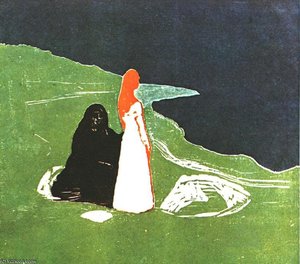
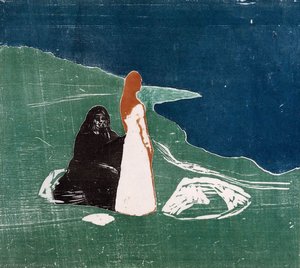
Woman on the Beach – An Expressionist Echo of Melancholy
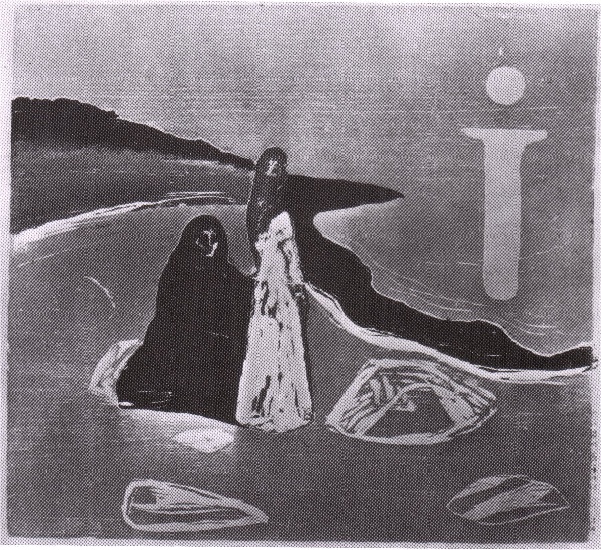
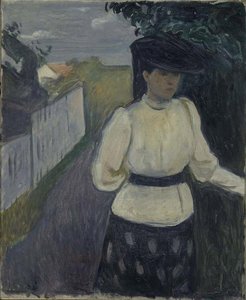
Edvard Munch, a titan amongst modern artists and a beloved figure at ArtsDot.com, bequeathed to us an oeuvre that transcends mere visual representation—it embodies the very essence of human emotion. His masterpiece, *Woman on the Beach*, painted in 1898, stands as a testament to his unparalleled ability to distill psychological turmoil onto canvas, cementing his place within the vanguard of Expressionism. This movement, born from the anxieties simmering beneath the surface of pre-war Europe, sought not to mirror reality but to convey inner experience with visceral intensity—a mission Munch flawlessly executed. The painting’s genesis lies in Munch's deeply personal struggles with illness and loss, mirroring his own battles against tuberculosis and grief over familial tragedies. These formative experiences fueled a relentless preoccupation with mortality and psychological vulnerability, informing every brushstroke of *Woman on the Beach*. Unlike Impressionists who captured fleeting moments of light and color, Munch deliberately eschewed optical realism, prioritizing emotional resonance above all else. He achieved this through a masterful manipulation of pigment—primarily shades of gray—creating an atmosphere thick with sorrow and isolation. The dominant hue is muted, reflecting not just the bleakness of the coastal landscape but also the profound melancholy that permeates the scene. Compositionally, Munch employs a deceptively simple arrangement. Two figures – a woman and what appears to be her companion – occupy the center of the frame against a backdrop of turbulent skies rendered in broad, sweeping strokes. Diagonal lines intersect across the canvas, mirroring the shoreline and subtly directing the viewer’s gaze outwards towards the sea. This deliberate use of perspective contributes to the painting's feeling of vastness and vulnerability—emphasizing the woman’s solitary contemplation amidst an overwhelming environment. The horizon line sits low, amplifying the dramatic effect of the stormy sky above. The technique employed is printmaking – specifically woodcut – a method that lends itself beautifully to conveying mood and texture. Munch’s meticulous attention to detail is evident in the subtle variations of ink density, creating a palpable sense of depth and atmosphere. The resulting monochrome print captures the stark beauty of Expressionism's core tenets: emotional honesty and symbolic representation. It’s a piece designed not merely to be seen but felt—a haunting reminder of our shared human experience of sorrow and longing.- Artist: Edvard Munch (1863-1944)
- Year Painted: 1898
- Medium: Woodcut Print
- Style: Expressionism
Symbolic Resonance and Emotional Impact
The woman’s posture—facing away from the viewer, gazing towards the horizon—suggests introspection and detachment. Her presence embodies a profound sense of solitude, mirroring Munch's own anxieties about isolation and existential dread. The stormy sky serves as a powerful metaphor for inner turmoil—representing unresolved emotions and confronting inescapable realities. Munch’s masterful use of color—or rather lack thereof—amplifies these themes, creating an unforgettable visual experience that lingers long after viewing. It invites contemplation on themes of grief, loss, and the human condition – subjects central to Munch's artistic vision and enduring legacy.Historical Context: The Dawn of Expressionism
Expressionism emerged in Germany during the early 20th century as a reaction against academic art traditions and the prevailing optimism of the Belle Époque. Artists like Munch sought to express subjective experience—fear, anxiety, trauma—rather than objective observation. Influenced by Nietzsche’s philosophy and Freud’s psychoanalysis, Expressionists explored the darker recesses of the human psyche, rejecting conventional beauty standards in favor of raw emotion and psychological truth. *Woman on the Beach* exemplifies this artistic ethos, capturing a moment of profound melancholy within a broader cultural landscape grappling with uncertainty and disillusionment.Where to Find Your Own Reproduction
Discover the captivating beauty of Edvard Munch’s *Woman on the Beach* in exquisite handmade oil paintings available at ArtsDot.com. Experience the emotional depth and artistic brilliance of this iconic Expressionist masterpiece—a timeless symbol of human vulnerability and artistic innovation. Visit our website today to explore our extensive collection and bring a piece of art history into your home!
アーティストの略歴
影に包まれた生涯:エドヴァルド・ムンクの世界
1863年、ノルウェーの厳しい自然の中で生まれたエドヴァルド・ムンクは、その作品を通して近代社会の不安と感情的な苦悩を象徴する芸術家となりました。彼の人生は喪失と憂鬱に深く影を落とされ、それが彼の心に響く表現力豊かな芸術を生み出す源泉となったのです。幼少期から母親と姉を肺結核で亡くした経験は、彼の中に死や病気、そして人間の存在の儚さに対する深い関心を植え付けました。これらの体験は単なる伝記的な事実ではなく、彼の芸術的ビジョンの核心となり、恐怖、悲しみ、憧れといった内面の風景を探求する飽くなき探求を促しました。厳格な宗教観を持つ父親や自身の精神的な苦悩もまた、ムンクの世界に蔓延る不安感を増幅させ、彼の個人的な人生だけでなく、絵画の象徴的な言語にも影響を与えました。彼は単なる情景を描写するのではなく、内面の状態を外部化し、心理的な苦痛を目に見える形で表現したのです。
表現への胎動:影響と芸術的発展
ムンクの芸術的旅はクリスティアーニア(オスロ)の王立美術設計学校での正式な訓練から始まりましたが、ニヒリストのハンス・ヤーガーとの出会いが彼の創造的な情熱を真に燃え上がらせました。ヤーガーはムンクに対し、従来の学術的なスタイルを捨て去り、自身の主観的な経験の深淵へと飛び込むことを奨励しました。彼はそれを「魂の絵画」と呼びました。この転換点こそが、ムンク独特のスタイル—生の感情、歪んだ形態、そして自然主義的表現の拒絶によって特徴づけられる—の始まりを告げたのです。1890年代にパリを訪れた彼は、勃興する後期印象派運動の影響を受け、ポール・ゴーギャン、フィンセント・ファン・ゴッホ、アンリ・ド・トゥールーズ=ロートレックといった芸術家たちの影響を吸収しました。彼らの大胆な色彩の使用法、表現力豊かな筆致は、ムンク自身の芸術的傾向と深く共鳴し、最も深遠で不安を煽る人間の感情を伝えることができる視覚言語へと統合されていったのです。ベルリンでの活動もまた重要であり、劇作家のアルベルト・シュヴァイツァーとの出会いは、心理的なテーマを探求するムンクの芸術的探求をさらに加速させました。
象徴的なビジョン:主要作品とその象徴的な重み
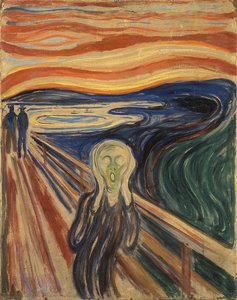
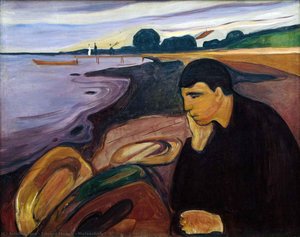
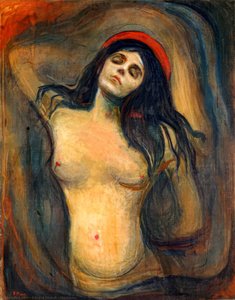
ムンクの作品群には、集団意識に深く刻み込まれたイメージが数多く存在します。おそらく彼の最も象徴的な作品である『叫び』は、絵画を超えて、現代人の実存的な不安を象徴する普遍的なシンボルとなっています。渦巻くような炎のような風景と、歪んだ表情の人物は、宇宙の無関心に対する原始的な叫びを体現しています。マドンナは、性、母性、そして死といったテーマを探求する、物議を醸し、深く個人的な作品です。彼の姉ソフィーの死に捧げられた『病気の子供』のようなモチーフは、ムンクの幼少期のトラウマと、常に存在する死の影に対する痛ましいリマインダーとして機能します。『憂鬱I & II』は、深い悲しみと孤立を描いた力強い作品であり、私たち自身の最も奥底にある部分に語りかける普遍的な共感を呼び起こします。これらの作品は単なる外部現実の描写ではなく、芸術家の魂への窓であり、人間の精神世界の暗い隅々を垣間見せてくれるのです。ムンクは美しいイメージを作り出すことを目指したのではなく、真実を伝えようとした—たとえそれが痛みを伴い、不安を煽るものであっても。
永続的な遺産:歴史的意義と持続的な影響
エドヴァルド・ムンクの芸術への貢献は計り知れません。彼は表現主義の発展における重要な人物であり、客観的な描写よりも主観的な感情を優先するアーティストたちの道を切り開きました。愛、喪失、不安、死といった普遍的な人間の経験を探求し続ける彼の作品は、今日でも聴衆に共鳴し続け、彼を芸術史上の最も影響力のある持続的な人物の一人として確固たる地位を確立しています。彼の仕事はドイツ表現主義をはじめとする後世の多くの芸術運動に深く影響を与えました。彼は慣習的な美の概念や芸術的表現に挑戦しながら、人間の状態のより暗い側面と向き合う勇気を持っていました。名声と評価—オスロのムンク美術館の設立という形で頂点に達した—を獲得した後も、彼の個人的な人生は不安定であり、精神的な不安定さと孤立の時期を経験しました。しかしそれにもかかわらず、彼は制作を続け、今なお私たちを挑発し、挑戦し、そして鼓舞する作品群を残しました。ムンクの遺産は単に絵画そのものにあるのではなく、人間の存在の複雑さを直視し、それを私たちの存在の最も深い部分に語りかける芸術へと翻訳する勇気にあるのです。
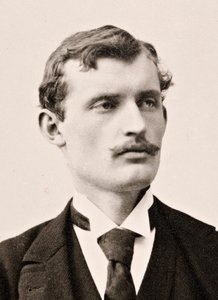
ムンク
1863 - 1944 , スウェーデン
基本情報
- フルネーム: エドヴァルド・ムンク
- 主な作品:
- 叫び
- マドンナ
- 病気の子供
- 憂鬱I & II
- 出生地: アドゥルズブルク、スウェーデン
- 国籍: ノルウェー
- 影響を与えた芸術家または運動: ['ドイツ表現主義']
- 影響を受けたアーティスト:
- ポール・ゴーギャン
- フィンセント・ファン・ゴッホ
- トゥールーズ=ロートレック
- 死亡年月日: 1944年1月23日
- 生年月日: 1863年12月12日
- 芸術運動またはスタイル: 表現主義
関連記事
ムンク傑作25選:魂を揺さぶる表現主義の世界|ArtsDot
エドヴァルド・ムンクの傑作25選。表現主義を代表する画家、ムンクの「叫び」をはじめ、魂を揺さぶる名画の世界へ。油絵の歴史と色彩、そして作品に込められたストーリーをArtsDotで。高品質なアートプリントやインテリア装飾をご提供中。全コレクションはこちら▶
表現主義を彩る至宝:アート史に刻まれた10の傑作
表現主義の心を揺さぶる10選。ムンク、キルヒナーら巨匠の傑作を紐解き、色彩とエモーションの世界へ。ArtsDot.comで、時代を超越したアートをあなたの空間に取り入れませんか?高品質な複製絵画やインテリアアイデアが満載。
Edvard Munch: Anxiety, Modernity & the Dawn of Expressionism
Explore the profound world of Edvard Munch, pioneer of Expressionism. Discover the origins of 'The Scream' & his haunting depictions of anxiety, mortality, and love. Expert analysis & high-quality reproductions at ArtsDot.
Unlocking Emotion: A Beginner's Guide to the Raw Power of Symbolic Expressionism Art
Discover the raw emotion of Symbolic Expressionism. Our expert guide explores how masters like Munch use color and form to convey inner feelings, offering inspiration for collectors looking to bring powerful, soulful art into their modern homes.

The Raw Emotion of Expressionism: A Deep Dive into its History, Characteristics & Enduring Influence
Explore the raw emotion of Expressionism with ArtsDot. Discover its history, key artists like Kirchner & Munch, and lasting influence on modern art. Expert insights for collectors & enthusiasts.