

 シェアする
シェアする シェアする
シェアする
 詳細を見る
詳細を見る

 ダウンロード
 似ている作品
 スライドショー
 Stats
StatsUS Soldier Battling Dragon


 詳細を見る
詳細を見る
ジークレー/アートプリント
迅速な制作と多彩な仕上げオプションを備えた、ミュージアムクオリティのジークレーまたはキャンバスプリント。 ( 手描きの絵画を購入 Switch to Digital Image)




































作品のオリジナル比率に合わせた、当店の規定サイズからお選びください。

特定のフレームやスペースに合わせて、ご自身でサイズを指定することも可能です。選択されたサイズが元の画像の比率と一致しない場合、作品をトリミングするか、鏡面反射または単色での塗りつぶしによって画像を拡張いたします。制作を開始する前に、ご確認用のデジタルモックアップをお送りいたします。
画面上のプレビューには、実際のトリミングや拡張は反映されませんのでご注意ください。最終的な構図を正確に確認できるのは、モックアップのみとなります。
カスタムサイズも承っておりますが、元の比率を維持するためには、あらかじめ用意されたリストからサイズを選択することをお勧めいたします。


 ガラスオプションは、110cm未満のサイズでのみご利用いただけます。

US Soldier Battling Dragon
ジークレー/アートプリント
複製画のサイズ
-


合計金額
$ 62
A Heroic Encounter in Bronze
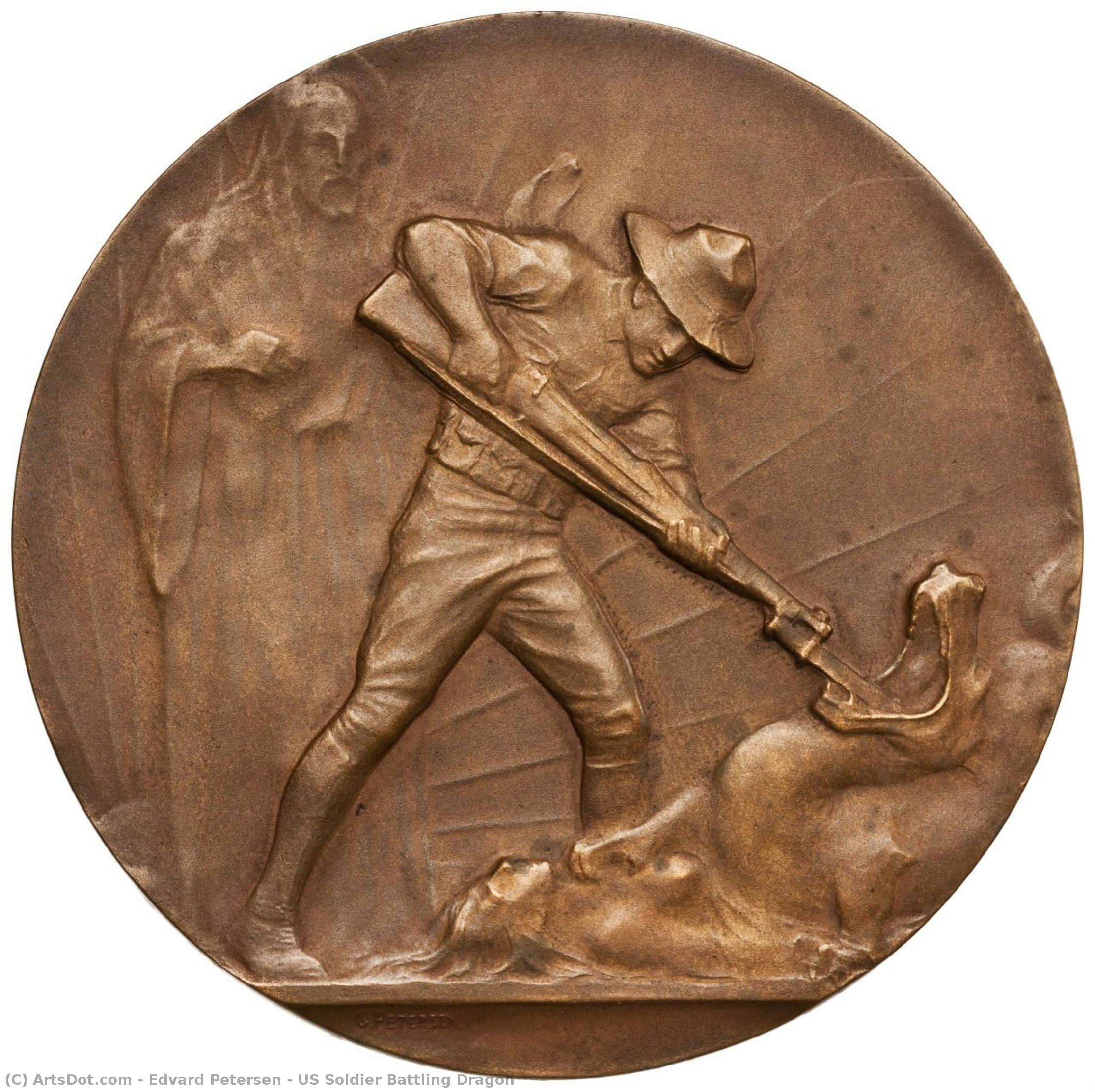
In the evocative piece titled US Soldier Battling Dragon, we are transported into a moment of profound tension and mythic struggle. Though the work captures the essence of a bronze medal from 1917, it breathes with the vitality of an epic legend. The central focus is a soldier, rendered with striking realism, caught in the kinetic heat of combat. With a sword gripped firmly in his right hand, he descends upon a serpentine dragon, a creature of shadow and scales that represents the ultimate adversary. The composition is masterfully balanced, capturing not just a physical fight, but a cinematic snapshot of bravery against overwhelming odds. Every detail, from the textured scales of the beast to the determined posture of the soldier, invites the viewer to step into this timeless arena of conflict.
The artistry behind this depiction suggests a deep reverence for classical storytelling and sculptural precision. The style leans heavily into realism, where the weight of the bronze is felt through the visual depth of the embossing. As the eye wanders from the central struggle to the periphery, it discovers secondary figures that add layers of allegorical meaning. To the left, a contemplative figure with a flowing beard—perhaps a philosopher or an ancient deity—watches the fray with a stoic gaze, while on the right, a civilian observer in a hat provides a sense of grounded, human witness. This interplay between the mythic and the mundane creates a rich tapestry of meaning, suggesting that the battles we fight are watched by both history and humanity alike.
Symbolism and the Triumph of Spirit
Beyond the immediate action, US Soldier Battling Dragon serves as a powerful allegory for the triumph of good over evil. The dragon, with its gaping maw and menacing presence, symbolizes the chaotic forces of destruction and fear that threaten civilization. In contrast, the soldier represents order, courage, and the indomitable human spirit. This theme of heroism is timeless, making the piece an emotionally resonant choice for collectors who value art that speaks to resilience and strength. The aged patina and weathered edges of the work further enhance this narrative, lending it a sense of historical gravity as if the medal itself has survived the very eras of conflict it depicts.
For the discerning interior designer or art enthusiast, this piece offers more than mere decoration; it provides a focal point of intellectual and emotional depth. Whether placed in a study filled with leather-bound books or as a conversation starter in a contemporary gallery setting, its rugged, historical aesthetic complements both classical and modern environments. Owning a high-quality reproduction of such a work allows one to bring the weight of history and the thrill of legend into a personal space, creating an atmosphere of prestige and profound storytelling.
関連作品
アーティストの略歴
Edvard Petersen: Life and Legacy
Early Life and Education
Edvard Petersen (born February 4, 1841, in Copenhagen, Denmark; died December 5, 1911) was a prominent Danish painter. He began his artistic journey by attending the Royal Danish Academy of Fine Arts from 1851, laying the foundation for his future career.
Artistic Development and Influences
Petersen’s early work, during the 1860s and 1870s, was heavily influenced by Vilhelm Kyhn, resulting in romantic landscape paintings. He developed a close friendship with fellow painter Theodor Philipsen, and together they embarked on several travels, including two extended stays in Italy (between 1875 and 1880) and a visit to France. Despite these experiences, Petersen maintained a relatively conservative style; his paintings from abroad generally depicted traditional scenes of local life.
Shift Towards Realism
In the 1880s, Petersen’s artistic focus shifted towards figure painting and realist depictions of street life in Copenhagen. This change was influenced by the French Realist movement, allowing him to capture the everyday lives of ordinary people with greater accuracy and detail.
Major Works and Achievements
- Emigrants on Larsens Plads (1890): Perhaps Petersen’s most famous work, this painting poignantly captures a scene of Danish emigrants departing for America.
- A Return, the America Liner at Larsens Plads (1894): A companion piece to “Emigrants,” depicting the return journey and offering a contrasting perspective on emigration.
- Stork Fountain (1904): Petersen won the competition for the design of this iconic fountain in Amagertorv, Copenhagen, in 1888. The sculpture was realized by Vilhelm Bissen.
- Folk Scene, Dyrehaven: A vibrant depiction of Danish life and scenery.
Historical Significance
Petersen’s work provides valuable insights into 19th-century Danish society, particularly the themes of emigration and urban life. His paintings offer a realistic portrayal of his time, capturing both the beauty and challenges faced by ordinary people. The Stork Fountain remains a beloved landmark in Copenhagen, demonstrating Petersen's lasting contribution to the city’s cultural landscape.
Legacy
While not as widely celebrated as some of his contemporaries, Edvard Petersen occupies an important place in Danish art history. His ability to blend romantic sensibilities with realist techniques created a unique artistic voice that continues to resonate with viewers today. He is remembered for his sensitive depictions of everyday life and his enduring contribution to Copenhagen’s public spaces.
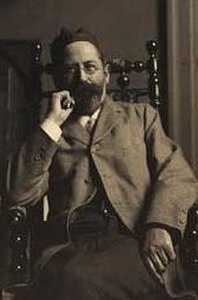
Edvard Petersen
1841 - 1911 , Denmark
基本情報
- Birth Date: 1841
- Birth Place: Copenhagen, Denmark
- Death Date: 1911
- Influenced By: Vilhelm Kyhn
- Movement:
- Romanticism
- Realism
- Name: Edvard Petersen
- Nationality: Danish
- Notable Works:
- Emigrants on Larsens Plads
- A Return, the America Liner at Larsens Plads
- Stork Fountain
関連記事
The Enduring Legacy of Bronze: History, Technique & Artistic Expression for the Collector
Explore the rich history & enduring appeal of bronze sculpture with expert insights for collectors at ArtsDot. Learn about casting techniques, iconic artists, and collecting tips.

The Enduring Legacy of Bronze Sculpture: Technique, Symbolism & Cultural Impact
Explore the rich history & enduring appeal of bronze sculpture with expert insights for collectors. Learn about casting techniques, iconic artists, collecting tips & contemporary interpretations at ArtsDot.
The Enduring Legacy of Bronze Sculpture: A Collector's Guide to Form & Cultural Significance
Explore the rich history & enduring appeal of bronze sculpture with expert insights for collectors at ArtsDot. Learn about casting techniques, iconic artists, and collecting tips to build a discerning art collection.

Bronze Age to Modern Masters: 10 Sculptures That Redefined Art | ArtsDot
Journey through art history with 10 legendary bronze sculptures – from Michelangelo's David to Rodin’s Thinker. Explore the stories, techniques & timeless beauty of these masterpieces. Find museum-quality reproductions & elevate your home decor on ArtsDot.com.

The Enduring Legacy of Bronze: A Historical & Artistic Exploration for the Collector
Explore the rich history & enduring appeal of bronze sculpture with expert insights for collectors at ArtsDot. Learn about casting techniques, iconic artists, collecting tips & contemporary interpretations.