

 プレビュー
プレビュー
 シェアする
シェアする シェアする
シェアする
 詳細を見る
詳細を見る

 ダウンロード
 似ている作品
 X線調査
X線調査 スライドショー
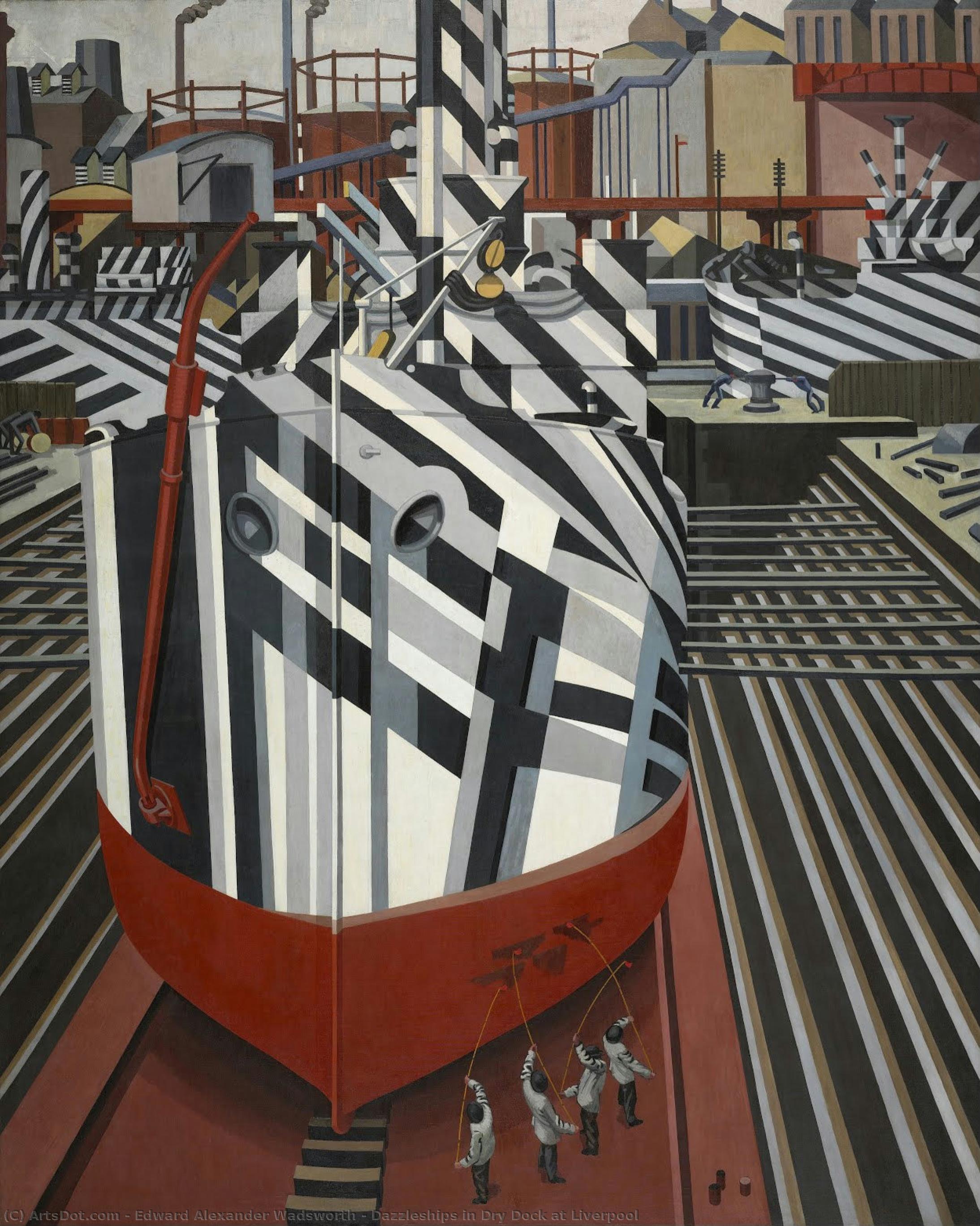
Dazzleships in Dry Dock at Liverpool
 Acrylic On Canvas
- WallArt
- Vorticism
 1919
1919 304.0 x 243.0 cm
 国立カナダ美術館
 詳細を見る
詳細を見る
ジークレー/アートプリント
迅速な制作と多彩な仕上げオプションを備えた、ミュージアムクオリティのジークレーまたはキャンバスプリント。 ( 手描きの絵画を購入 画像を購入)




P118B $10

P118H $10

P118W $10

P438Z $10

P508JH $12

P508YH $12

P805H $10

P805Z $10

P919BZ $10

P919G $10

P919XJ $10

P959ZH $10

P968JZ $12

W106C $8

W218G $10

W218JH $8

W218Y $10

W307PJ $10

W316G $10

W316PJ $8

W316Y $10

W398PJ $8

W4111J $10

W500HY $15

W500JH $15

W692G $12

W849H $8

W940BG $15

W953PJ $8




作品のオリジナル比率に合わせた、当店の規定サイズからお選びください。

特定のフレームやスペースに合わせて、ご自身でサイズを指定することも可能です。選択されたサイズが元の画像の比率と一致しない場合、作品をトリミングするか、鏡面反射または単色での塗りつぶしによって画像を拡張いたします。制作を開始する前に、ご確認用のデジタルモックアップをお送りいたします。
画面上のプレビューには、実際のトリミングや拡張は反映されませんのでご注意ください。最終的な構図を正確に確認できるのは、モックアップのみとなります。
カスタムサイズも承っておりますが、元の比率を維持するためには、あらかじめ用意されたリストからサイズを選択することをお勧めいたします。


 ガラスオプションは、110cm未満のサイズでのみご利用いただけます。

Dazzleships in Dry Dock at Liverpool
ジークレー/アートプリント
複製画のサイズ
-


合計金額
$ 62
作品詳細説明
A Symphony of Steel and Light: Edward Wadsworth’s “Dazzleships in Dry Dock at Liverpool”
Edward Alexander Wadsworth's "Dazzleships in Dry Dock at Liverpool," painted in 1919, isn’t merely a depiction of a shipyard; it’s a potent distillation of wartime innovation and the burgeoning anxieties of modernity. This oil on canvas, now residing within the National Gallery of Canada, captures a pivotal moment – the meticulous application of dazzle camouflage to a Royal Navy vessel preparing for deployment amidst the chaos of World War I. More than just a technical illustration, it’s a visual poem exploring themes of disruption, transformation, and the unsettling beauty born from necessity.
The scene unfolds within the controlled environment of a dry dock, a space typically associated with quiet industry now rendered vibrant with activity. A large, predominantly red ship dominates the composition, its form aggressively fragmented and distorted by the layers of geometric patterns that constitute the dazzle camouflage. These aren’t haphazard markings; they are carefully calculated disruptions designed to confuse enemy gunners, making it virtually impossible for them to accurately target the vessel. The artist masterfully employs a limited palette – primarily blues, greens, yellows, and reds – creating a striking contrast against the muted tones of the dockyard surroundings. Wadsworth’s brushwork is loose and expressive, conveying both the precision of the camouflage process and the inherent dynamism of the shipyard scene.
The Birth of Dazzle: A Response to War
“Dazzleships in Dry Dock at Liverpool” stands as a crucial artifact within the history of art and warfare. Following the disastrous losses experienced by the Royal Navy during the Gallipoli campaign, the British government sought radical solutions to protect its ships. Wyndham Lewis, a key figure in the Vorticist movement – an early 20th-century avant-garde group that embraced geometric abstraction – spearheaded the development of dazzle camouflage. Lewis’s designs were based on principles of optical illusion and disruption, aiming to render ships unrecognizable from any angle. Wadsworth was one of the artists tasked with translating these complex patterns onto the hulls of the vessels.
The painting itself reflects this process. The fragmented forms, bold colors, and seemingly random arrangement of shapes are not accidental; they represent a deliberate attempt to break down traditional notions of form and perspective. Wadsworth’s work embodies the spirit of Vorticism – a movement that sought to capture the dynamism and energy of modern life through abstract geometric forms. It's a fascinating intersection of artistic innovation and military strategy, demonstrating how art could be directly employed in the service of national defense.
Symbolic Layers: Disruption and Transformation
Beyond its immediate depiction of a shipyard scene, “Dazzleships in Dry Dock at Liverpool” is rich with symbolic meaning. The act of painting over the ship’s form represents a profound transformation – not just of the vessel itself, but also of the world around it. The disruption of shapes and colors mirrors the broader societal upheaval caused by war, suggesting a breakdown of established order and a shift towards an uncertain future.
Furthermore, the painting can be interpreted as a metaphor for the psychological impact of war on both sailors and observers. The distorted forms create a sense of unease and disorientation, mirroring the anxieties and uncertainties experienced during wartime. The bright colors, however, offer a glimmer of hope – a testament to human ingenuity and resilience in the face of adversity. The scene is not one of despair, but rather of determined adaptation.
A Legacy in Reproduction: Capturing the Essence
Reproductions of “Dazzleships in Dry Dock at Liverpool” offer a remarkable opportunity to experience the power and complexity of Wadsworth’s vision. The original's vibrant colors and dynamic composition are faithfully rendered in high-quality prints, allowing viewers to appreciate the artist’s meticulous attention to detail and his masterful use of color and form. Whether displayed as a statement piece in a contemporary interior or studied as an important historical document, this painting continues to resonate with audiences today, reminding us of the enduring power of art to reflect and shape our understanding of the world.
関連作品
アーティストの略歴
幼少期と芸術的覚醒
1889年、ウェスト・ヨークシャーのクレックヒートンに生まれたエドワード・アレクサンダー・ワズワースは、早すぎる喪失の影が差す世界へと足を踏み入れました。誕生直後の母の死は、彼の成長過程に深い影を落としました。父が家族の紡績事業に奔走する中、彼は主に叔母の手によって育てられました。このどこか孤独な幼少期は、彼に思索的な性質を育み、それが後に彼の芸術を特徴づける内省的な質性の礎となったのかもしれません。エディンバラのフェテス・カレッジで正規教育を開始した彼にとって、転機となったのは1906年のミュンヘンへの滞在でした。当初は父の期待に応えるべく工学を学ぶために入学したワズワントスでしたが、街に渦巻く芸術的な潮流に抗いがたい魅力を感じてしまったのです。クニール美術学校において、彼はデッサンと木版画への情熱を見出し、その創造的な火花は、彼を機械の世界から視覚的表現に捧げる人生へと導くことになりました。これは単なる学問の変更ではなく、彼のアイデンティティにおける根本的な転換であり、美学的探求の領域への回帰でもありました。その後、ブラッドフォード美術学校、そしてロンドンの名高いスレイド美術学校で研鑽を積む中で、ワズワースはスタンレー・スペンサーやマーク・ガートラーといった、後の世代にイギリス美術を定義づけることになる輝かしい才能たちと共に歩むこととなったのです。渦(ヴォルテックス)と戦時下の革新
ワズワースの芸術的軌道は、ウィンダム・ルイスとの出会いと、勃興しつつあったヴォルティズム運動によって劇的な転換を迎えます。当初はロジャー・フライによる画期的なポスト印象派展の影響を受けていた彼は、抽象と幾何学的形態を通じて近代のダイナミズムを捉えようとする前衛的な美学、すなわちヴォルティズムの急進的なエネルギーを瞬く間に受け入れました。彼はこの運動の主要な貢献者となり、1914年にはヴォルティズム宣言に署名し、その大胆で断片化されたスタイルを体現する作品を発表しました。しかし、ワズワースのモダニティへの関わりはキャンバスの中だけに留まりませんでした。第一次世界大戦の勃発とともに彼は王立海軍予備役に入隊し、そこで自身の芸術的原則を、予期せぬほど実用的な形で活用することになります。連合国の艦船のために「ダズル迷彩(ラズル・ダズル)」のデザインを任された彼は、ヴォルティズムの抽象化と攪乱の概念を応用し、敵の潜水艦を混乱させることを試みました。芸術と海軍戦略が融合したこれらの鮮烈なパターンは、船を不可視にするためのものではなく、むしろ進路や速度の特定を困難にさせ、正確な攻撃を阻害することを目的としていました。この時期は、芸術的革新と現実世界への応用という隔たりを埋めるワズワース独自の能力を示しており、紛争の時代における抽象的思想の力を世に知らしめたのです。戦後の変容と海洋のヴィジョン
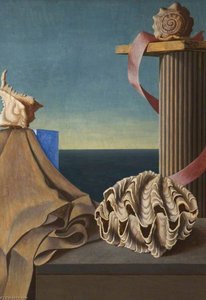
大戦の終結は、ワズワースの芸術様式に重大な変化をもたらしました。ヴォルティズムにおいて抽象化の最前線にいた彼は、次第に、より具象的なアプローチへと移行していきました。しかし、そこには依然として彼独自の感性が深く刻み込まれていました。戦時中の経験は彼の主題に深い影響を与え、海洋テーマへの永続的な傾倒へと繋がりました。紛争と探検の両方を象徴する「船」は、彼の作品における繰り返されるモチーフとなり、しばしば忘れがたい静寂を纏い、あるいは夢幻的でシュールな風景の中に描かれました。また、彼は静物画や風景画も探求し、不気きな要素を頻繁に取り入れ、憂鬱さと内省を感じさせる抑えられた色彩を用いて表現しました。1934年には、近代イギリス美術の振興に尽力するグループ「ユニット・ワン」に加入し、進化し続ける当時の芸術的景観における自身の地位をさらに確固たるものにしました。この結びつきは、イギリス独自の美学的伝統に根ざしながらも、境界を押し広げようとする彼の揺るぎない姿勢を反映したものでした。シュルレアリスムの残響と不朽の遺産
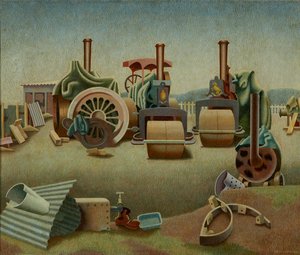
晩年、ワズワースの作品にはシュルレアリスム的な含みがますます強まっていきましたが、彼がシュルレアリスム運動に正式に加わることはありませんでした。この時期の彼の絵画は、物体と空間の不可解な並置を特徴とし、不安感や神秘性を生み出しています。リヴァプールの乾ドックにおけるダズル迷彩船(1919年)、怠惰の遠近法 II(1942年)、サセックスの田園(1941年)といった作品は、彼の進化するスタイルを象徴しており、抽象、写実、そしてシュルレアリスムが見事に融合しています。1949年に没した彼が遺した作品群は、今なお人々を魅了し、好奇心をかき立て続けています。ワズワースの遺産は絵画の枠を超えています。彼のダズル迷彩のデザインは、現代のグラフィックデザインにおいても再評価されており、その革新的な視覚言語が持つ永続的な妥当性を証明しています。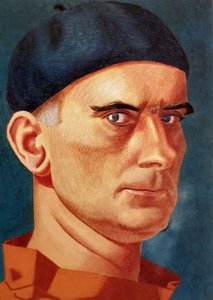
エドワード・アレクサンダー・ワズワース
1889 - 1949 , イギリス
基本情報
- Artistic Movement Or Style: ヴォルティシズム、シュルレアリスム
- Artists Or Movements Influenced By This Artist: ['現代デザイン']
- Artists Who Influenced This Artist:
- ロジャー・フライ
- ウィンダム・ルイス
- Date Of Birth: 1889年10月29日
- Date Of Death: 1949年6月21日
- Full Name: エドワード・アレクサンダー・ワズワース
- Nationality: イギリス
- Notable Artworks:
- ドック内のダズル迷彩船
- 怠惰の遠近法 II
- サセックスの田園風景
- ペンダント
- 腹足類
- Place Of Birth: イギリス、クレックヒートン
関連記事

配送と返品
APS は、博物館級のケア、完全な追跡、そして30日間の返金保証を備えた、世界規模のアート輸送の専門サービスを提供します。関税サポートから Priority Production まで、透明性の高いサービス、安全な梱包、そしてコレクター、デザイナー、ギャラリー向けの信頼性の高い配送をお届けします。
エドワード・ホッパー傑作25選:アメリカの孤独と光影の世界 | ArtsDot
エドワード・ホッパーの傑作25選。アメリカ絵画を代表するモダンアート、孤独と光影の世界を紐解きます。名画「Nighthawks」や「ハウス・バイ・ザ・レールロード」など、美術史に残る作品群をArtsDotで高品質複製画としてお楽しみください。インテリアに深みを与えるアートプリントも多数。今すぐコレクションをご覧ください。
Norman Wilkinson: Camouflage, Colour & the Artistic Response to Modern Warfare
Explore the fascinating story of Norman Wilkinson, the British artist behind Dazzle Camouflage. Discover his innovative techniques, wartime art, and enduring legacy in naval painting & abstract design. ArtsDot offers high-quality reproductions.

ArtsDotで世界中へ無料配送!高級アートを安全・確実にお届けするエリートコレクター向けサービス
ArtsDotはエリートコレクター向けに世界中へ無料配送で高級アートを安全・確実にお届けします。100%手描き油絵再現と専門家による品質管理、30日返金保証で信頼と価値を提供します。
ホテル向けロールタンク配送の安全・経済的キャンバス輸送秘訣:専門家が解説する最先端物流戦略
ホテル業界向けロールタンク配送の安全と経済性を徹底解説。専門家が選ぶ包装材・物流設計、デジタル追跡でリスクを最小化し、コスト削減と信頼性を最大化する実践的戦略を紹介します。

