

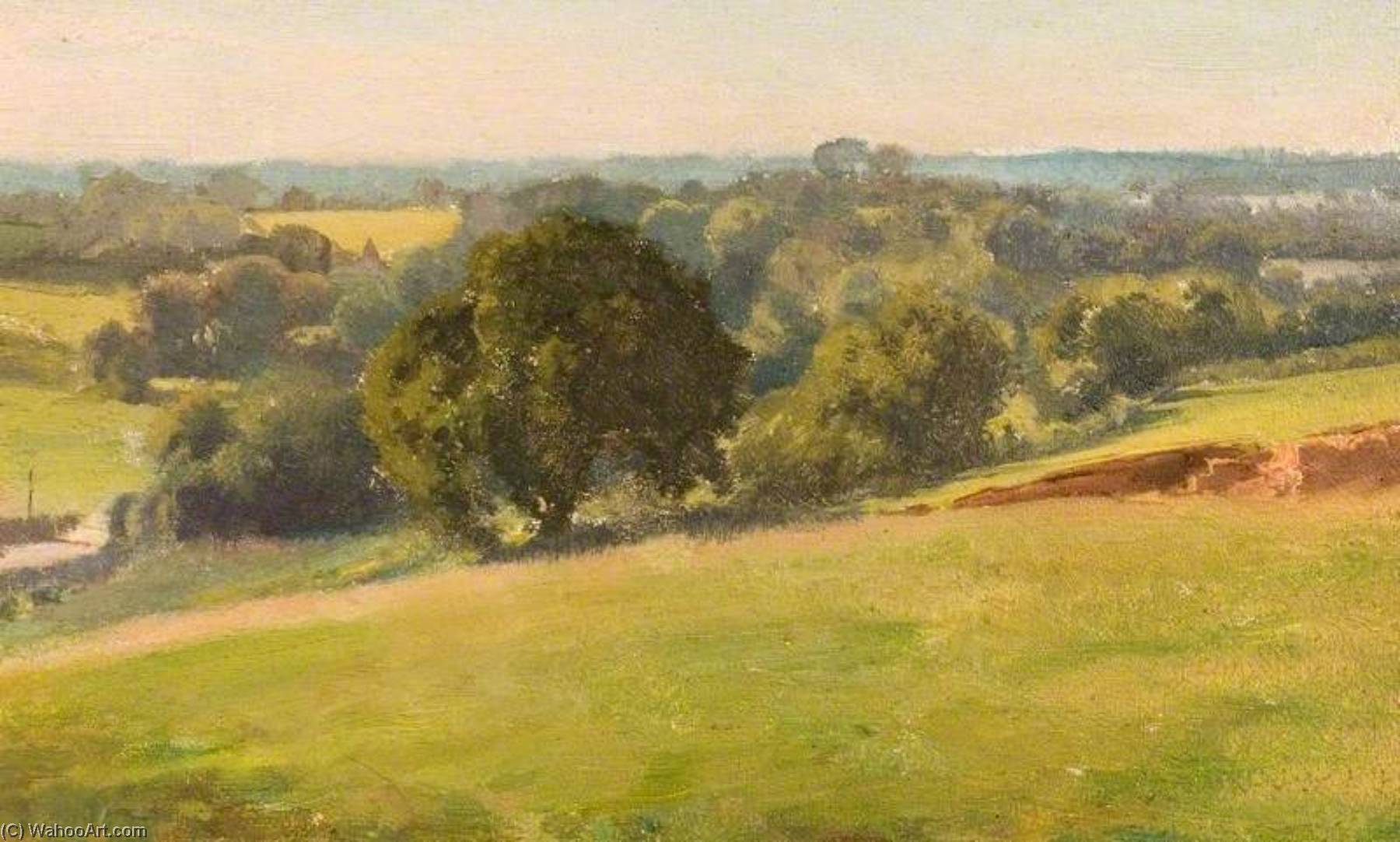
 プレビュー
プレビュー
 シェアする
シェアする シェアする
シェアする
 詳細を見る
詳細を見る

 ダウンロード
 似ている作品
 X線調査
X線調査 スライドショー
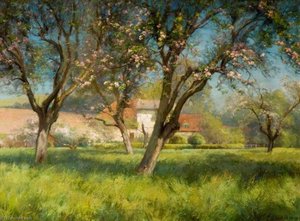
A Summer Afternoon, the Fields, Bengeo, Hertfordshire
 Oil On Canvas
- WallArt
- Pre-Raphaelite Revival
 19th Century
 15.0 x 22.0 cm
 詳細を見る
詳細を見る
ジークレー/アートプリント
迅速な制作と多彩な仕上げオプションを備えた、ミュージアムクオリティのジークレーまたはキャンバスプリント。 ( 手描きの絵画を購入 画像を購入)




P118B $10

P118H $10

P118W $10

P438Z $10

P508JH $12

P508YH $12

P805H $10

P805Z $10

P919BZ $10

P919G $10

P919XJ $10

P959ZH $10

P968JZ $12

W106C $8

W218G $10

W218JH $8

W218Y $10

W307PJ $10

W316G $10

W316PJ $8

W316Y $10

W398PJ $8

W4111J $10

W500HY $15

W500JH $15

W692G $12

W849H $8

W940BG $15

W953PJ $8




作品のオリジナル比率に合わせた、当店の規定サイズからお選びください。

特定のフレームやスペースに合わせて、ご自身でサイズを指定することも可能です。選択されたサイズが元の画像の比率と一致しない場合、作品をトリミングするか、鏡面反射または単色での塗りつぶしによって画像を拡張いたします。制作を開始する前に、ご確認用のデジタルモックアップをお送りいたします。
画面上のプレビューには、実際のトリミングや拡張は反映されませんのでご注意ください。最終的な構図を正確に確認できるのは、モックアップのみとなります。
カスタムサイズも承っておりますが、元の比率を維持するためには、あらかじめ用意されたリストからサイズを選択することをお勧めいたします。


 ガラスオプションは、110cm未満のサイズでのみご利用いただけます。

A Summer Afternoon, the Fields, Bengeo, Hertfordshire
ジークレー/アートプリント
複製画のサイズ
-


合計金額
$ 62
作品詳細説明
A Summer Afternoon, the Fields, Bengeo, Hertfordshire: A Vision of English Pastoral
This exquisite hand-painted reproduction captures Edward Archibald Brown’s masterful depiction of a quintessential summer afternoon in the Hertfordshire countryside – specifically, the idyllic scene at Bengeo. Painted around 1900, this artwork transcends a simple landscape; it's an embodiment of Pre-Raphaelite ideals, meticulously rendered with a sensitivity to light and color that speaks volumes about Brown’s artistic journey. The painting immediately draws the viewer into a serene world of rolling green fields, punctuated by the dappled shade of ancient trees, and framed by distant, gently sloping hills. A small stream meanders through the foreground, reflecting the sunlight and adding a layer of tranquility to the composition. It's a scene designed to evoke a feeling of peace and connection with nature – a sentiment deeply valued within the artistic circles of the time.The Influence of Photography and Pre-Raphaelite Aesthetics
Edward Archibald Brown’s artistic development was profoundly shaped by his apprenticeship under the renowned photographer Francis Hadow. This experience, unusual for an artist of his era, instilled in him a remarkable understanding of tonal manipulation and texture – techniques directly borrowed from photographic processes. Unlike many artists who sought to emulate the idealized forms of Raphael, Brown embraced a more nuanced approach, prioritizing the *impression* of light and atmosphere over strict adherence to classical beauty. This is evident in the subtle gradations of color, the soft focus, and the almost painterly quality of the brushstrokes, hallmarks of the Pre-Raphaelite movement’s fascination with capturing fleeting moments and natural phenomena. The painting's composition echoes the Romantic tradition of valuing subjective experience and emotional response to the landscape.Technique and Materials: A Celebration of Color
The artwork is executed in oil on canvas, demonstrating Brown’s skillful command of color theory and his ability to create a convincing illusion of depth and space. The palette is dominated by greens – ranging from vibrant emerald to muted sage – reflecting the lush vegetation of the Hertfordshire countryside. Browns, ochres, and subtle blues are used to depict the shadows and reflections, further enhancing the sense of realism. The artist’s meticulous attention to detail is particularly noticeable in the rendering of the foliage, each leaf carefully painted with a delicate touch. The use of glazing techniques – applying thin layers of translucent paint over dried underlayers – creates a luminous effect, capturing the shimmering quality of sunlight on water and through leaves.Symbolism and Emotional Impact
Beyond its purely aesthetic qualities, “A Summer Afternoon, the Fields” carries a quiet symbolic weight. The idyllic scene represents a retreat from the pressures of modern life, offering a glimpse into a simpler, more harmonious existence. The stream symbolizes purity and renewal, while the trees represent wisdom and longevity. The overall effect is one of profound tranquility and nostalgia – inviting the viewer to pause, reflect, and appreciate the beauty of the natural world. This piece would be an exceptional addition to any interior space, bringing a touch of rural charm and serenity to any room. None関連作品
アーティストの略歴
Edward Archibald Brown: Weaver of Light and Shadow
Edward Archibald Brown, a name perhaps less instantly recognizable than some of his Pre-Raphaelite contemporaries, nevertheless possessed a singular vision – one deeply rooted in the evocative landscapes of England and imbued with a profound understanding of light and color. Born in 1866 in London, Brown’s artistic journey was shaped by a meticulous apprenticeship under the renowned photographer Francis Hadow, an experience that fundamentally altered his approach to seeing and representing the world. This early exposure to photographic techniques – particularly the careful manipulation of tones and textures – instilled in him a remarkable sensitivity to detail and a desire to capture fleeting moments of atmospheric effect.
Brown’s artistic development unfolded gradually, initially exploring watercolor landscapes before gravitating towards oil painting. His formative years were spent absorbing the influence of the Pre-Raphaelite Brotherhood, though he never fully embraced their overtly romantic or mythological themes. Instead, he found his strength in depicting the quiet beauty of the English countryside – the rolling hills of Cornwall, the misty moors of Yorkshire, and the serene shores of Dorset. He was particularly drawn to scenes of rural life, capturing the rhythms of daily existence with a remarkable degree of realism and emotional resonance.
The Language of Light
What distinguishes Brown’s work is his masterful manipulation of light. He wasn't simply aiming for accurate representation; he sought to convey the *feeling* of light – its warmth, its coolness, its ability to transform a scene with subtle shifts in hue and tone. This is most evident in paintings like “Stormy Evening” (1903) and “Lock Keeper Cottage” (1907), both iconic works that exemplify his unique style. He employed a broken color technique, layering thin washes of paint to build up complex gradations of light and shadow. His brushstrokes were often loose and expressive, creating a sense of movement and atmosphere. He studied the effects of weather with an almost scientific precision, meticulously observing how sunlight filtered through clouds or reflected off water surfaces.
Brown’s technical skill was further enhanced by his understanding of color theory. He wasn't afraid to use unexpected combinations – vibrant blues against muted greens, fiery oranges against somber browns – to create a sense of visual drama and emotional intensity. His palette was often restrained, favoring subtle harmonies rather than bold contrasts, yet within this restraint lay a remarkable power to evoke mood and atmosphere.
Influences and Artistic Connections
While Brown’s work is firmly rooted in the Pre-Raphaelite tradition, he also drew inspiration from other sources. The landscapes of J.M.W. Turner, with their atmospheric effects and emphasis on light, were undoubtedly a significant influence. He was also fascinated by the works of Constable, particularly his depictions of rural England. Furthermore, Brown’s time spent working as a photographer informed his approach to painting, encouraging him to see the world in terms of shapes, tones, and textures.
He maintained close friendships with several prominent artists of his era, including William Denselow and Frank Bramley. These artistic connections provided opportunities for mutual inspiration and critique, contributing to the vibrant cultural landscape of late Victorian England. His work was exhibited regularly at the Royal Academy and other prestigious galleries, gaining him a modest but loyal following.
Major Achievements and Legacy
Brown’s most celebrated works include “Stormy Evening,” “Lock Keeper Cottage,” and his series of paintings depicting the Cornish coast. These landscapes are characterized by their atmospheric depth, their subtle color harmonies, and their evocative portrayal of rural life. While he never achieved widespread fame during his lifetime, Brown's work is now recognized as a significant contribution to British landscape painting. His meticulous observation, his masterful manipulation of light, and his quiet sensitivity have secured him a place among the most accomplished artists of the Pre-Raphaelite era.
His legacy lies not in grand pronouncements or revolutionary innovations, but rather in the enduring beauty and emotional resonance of his paintings – works that invite viewers to pause, reflect, and connect with the quiet wonders of the English countryside. Edward Archibald Brown’s art is a testament to the power of observation, the importance of light, and the timeless appeal of simple beauty.
edward archibald brown
1866 - 1935
基本情報
- Artistic Movement Or Style: Pre-Raphaelite
- Artists Or Movements Influenced By This Artist: ['Pre-Raphaelites']
- Artists Who Influenced This Artist: ['Burne-Jones']
- Date Of Birth: 1866
- Date Of Death: 1935
- Full Name: Edward Archibald Brown
- Nationality: British
- Notable Artworks:
- Stormy Evening
- Lock Keeper Cottage
- Place Of Birth: London, England
関連記事

ジョン・コンスタブルの傑作25選:英国風景画の巨匠が描く自然と光の詩 | ArtsDot
ジョン・コンスタブルの傑作25選。英国風景画の巨匠が描く自然と光の詩の世界へ。ロマン主義を代表する絵画、デダム・ヴェールやヘイ・ウェインなど、ArtsDotで高品質なアートプリントをお楽しみください。インテリアに深みと感動を。コレクションはこちら。
ダンテ・ガブリエル・ロセッティ傑作25選:美と象徴が織りなす芸術の世界 | ArtsDot
ダンテ・ガブリエル・ロセッティの傑作25選。プレラファエライトの象徴主義、美しい女性画の世界へ。油絵やアートプリントで、リビングや寝室を彩るインテリアアートを見つけましょう。ArtsDot.comで名画コレクションを探索。
Ford Madox Brown: Pre-Raphaelite Visionary & Victorian Social Commentary
Explore the life & art of Ford Madox Brown, a pivotal Pre-Raphaelite painter renowned for his powerful social commentary and masterpiece 'Work'. Discover his lasting influence on British art history.

Cultivating Visions: A Historical Journey Through Rural Landscapes in Art
Explore the rich history of rural landscape painting with ArtsDot. Discover Impressionist masterpieces, key artists & movements. Find your perfect serene artwork and bring nature's beauty home.

ロマン派ランドスケープ:時代を彩る巨匠の10選|アートとインテリアの世界
ロマン派絵画の時代を彩る10選。巨匠たちの風景が織りなす感動の世界へ。ターナー、ルーベンスなど、名作の裏話と高精細複製でアートをお部屋に。ArtsDot.comで至福のアート体験を。

