

 プレビュー
プレビュー
 シェアする
シェアする シェアする
シェアする
 詳細を見る
詳細を見る

 ダウンロード
 似ている作品
 X線調査
X線調査 スライドショー
 Stats
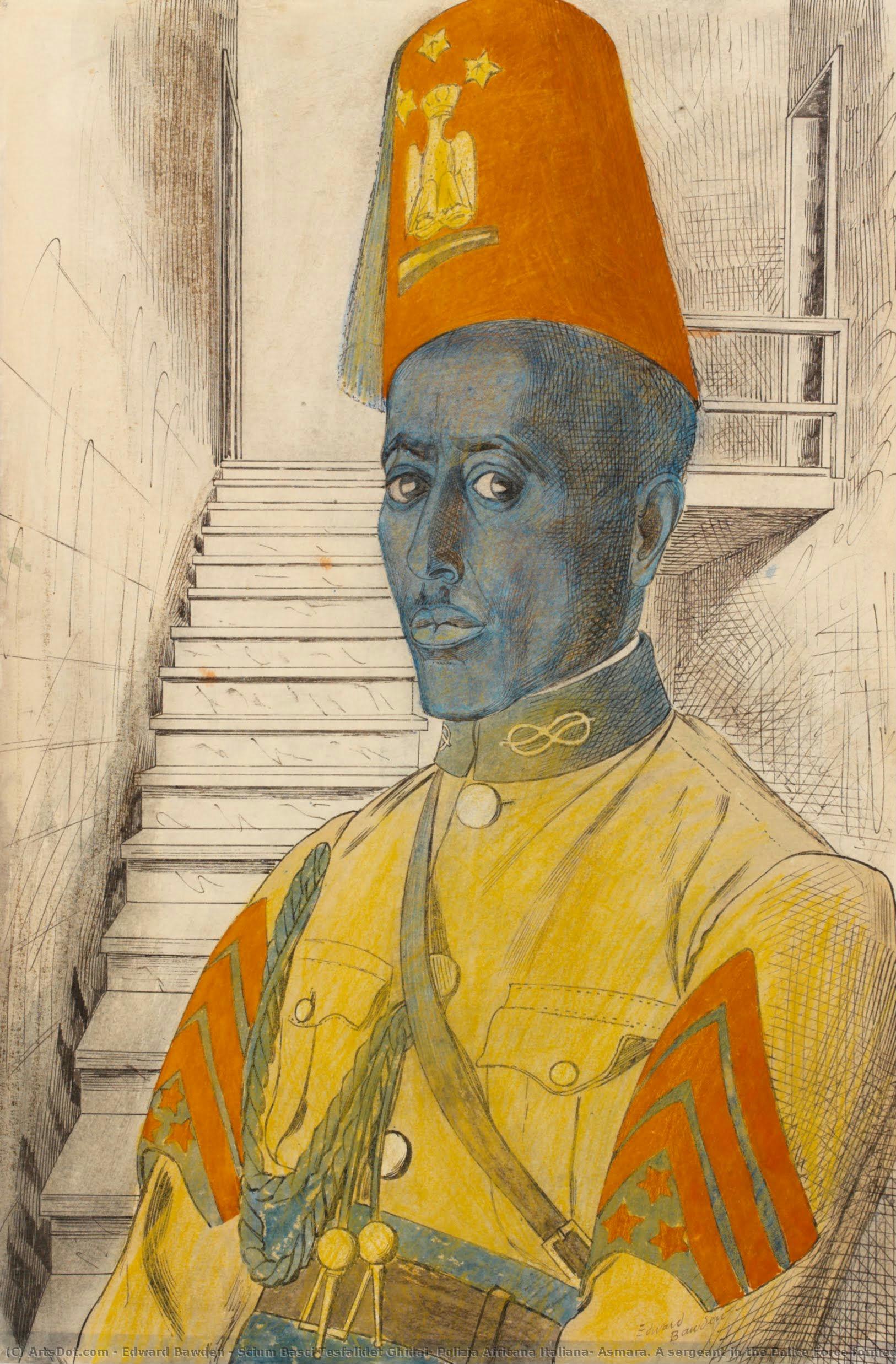
StatsScium Basci Tesfalidet Ghidai: Polizia Africana Italiana, Asmara. A sergeant in the Police Force formed by the Italians
 Acrylic On Canvas
- WallArt
- British War Art
 1942
1942 33.0 x 50.0 cm
 Imperial War Museums
 詳細を見る
詳細を見る
オンラインプレビューをはるかに凌ぐ、高解像度で鮮明なデジタル画像をご購入いただけます。
各ファイルは、社内の専門家が高度なツールと熟練した手作業によるレタッチを用いて、細心の注意を払って準備されています。すべての画像において、卓越した鮮明度、正確な色彩再現性、そして繊細なディテールを保証いたします。
最終ファイルは、プロフェッショナルな編集・印刷環境ですぐにご利用いただけるよう最適化された状態で、72時間以内にメールにてお届けいたします。これは、一流のデザインスタジオ、出版社、ギャラリーから信頼されているものと同等の品質です。
デジタルアート
個人での鑑賞、印刷、クリエイティブなプロジェクト用に、高解像度ファイルをダウンロードできます。 ( Switch to Print 手描きの絵画を購入)
デジタル画像のご注文に付随する特典
高品質なデジタル画像配信を、確かな品質で。
ArtsDot.com を選ぶことは、単に画像を手に入れることではありません。それは、プロの手によって精密に仕上げられ、満足保証が付いた高品質なデジタルアートワークを受け取ることを意味します。ご注文いただいた際に自動的に付随する内容は、以下の通りです:

メールですぐにお届け
ご注文から72時間以内に、高解像度のデジタル画像ファイルがメールでお手元に届きます。すぐにそのままご利用いただけます。

AI技術で最適化されたデジタルファイル
お客様の作品は、高度なAIツールと専門家による手作業の編集を組み合わせてプロフェッショナルに最適化されており、細部のディテール、鮮明さ、そして正確な色再現性を最大限に引き出しています。

一生涯無料の再送サービス
ファイルを誤って削除したり、紛失してしまったりしましたか?ご安心ください。いつでも無料で再送いたします。

輸入手数料は一切かかりません
関税や手数料、配送料を気にすることなく、お気に入りのアートワークをすぐにお楽しみいただけます。デジタルダウンロードは常に免税です。

色彩再現の保証
プロ仕様のツールとカラーマネジメント技術を用いることで、デジタル画像が元の色を最大限に忠実に再現することを保証いたします。

100日間満足保証
ご購入いただいたデジタル画像にご満足いただけない場合は、100日以内であれば、理由を問わず修正または100%の返金対応をさせていただきます。

100% 返金保証
ご満足いただけない場合は、デジタルファイルを受け取ってから100日以内であれば、理由を問わず全額返金いたします。

まとめ買い割引
3枚購入で10%OFF - 5枚購入で15%OFF - 10枚以上購入で20%OFF。クリエイティブなプロジェクト、ギャラリー、エージェンシーに最適です。
A Sergeant’s Gaze: Bawden Captures Asmara's Vitality
Edward Bawden’s “Scium Basci Tesfalidet Ghidai: Polizia Africana Italiana, Asmara,” painted in 1942, is more than a simple portrait; it’s a vibrant snapshot of a pivotal moment – the British advance into Ethiopia and the burgeoning presence of Italian colonial forces. Bawden, already renowned for his meticulous illustrations and distinctive graphic style, found himself documenting this complex transition as an official war artist, tasked with capturing the essence of a rapidly changing landscape and its inhabitants. The painting immediately draws the eye to the central figure: a sergeant in the Polizia Africana Italiana, seated with a quiet intensity that belies the turbulent events unfolding around him. His uniform, a striking yellow punctuated by a bold red hat, speaks volumes about his role – a symbol of Italian authority amidst a shifting power dynamic. Yet, it’s not merely military attire; there's an undeniable theatricality to the garment, hinting at a carefully constructed image designed to project strength and control.A Watercolor World: Technique and Atmosphere
Bawden’s masterful use of watercolor is central to the painting’s impact. He eschews photographic realism in favor of a looser, more expressive approach, capturing not just the physical appearance of the sergeant but also the atmosphere of Asmara itself. The background – a pale wash of muted blues and greens – creates a sense of distance and suggests an expansive, almost dreamlike quality to the city. Bawden’s brushstrokes are visible, adding texture and movement to the scene. Notice how he builds up layers of color to define the sergeant's uniform, using subtle variations in tone to create depth and form. The careful rendering of his face – a slight furrow of the brow, a hint of weariness in his eyes – conveys a quiet dignity and an underlying sense of observation. The inclusion of two figures in the background, one on the left and another further back on the right, adds a layer of narrative complexity, hinting at the social fabric of this colonial outpost.Echoes of Colonialism: Context and Symbolism
Painted during World War II, “Scium Basci Tesfalidet Ghidai” offers a poignant glimpse into the complexities of colonialism. The Polizia Africana Italiana was comprised largely of Italian nationals serving in East Africa, alongside indigenous African recruits. Bawden’s portrayal subtly acknowledges this hybridity, presenting the sergeant as an individual caught between two worlds – representing both Italian authority and the realities of colonial administration. The title itself—a direct translation from Italian—underscores the painting's historical context. It speaks to the specific unit depicted and the broader military campaign unfolding in Ethiopia. The choice of Asmara, a strategically important city and a hub for Italian operations, highlights the significance of this moment in the war’s trajectory. The vibrant colors of the uniform stand out against the subdued background, symbolizing the assertive presence of the Italian forces within the region.A Moment Frozen in Time: Emotional Resonance
Beyond its historical and artistic merits, “Scium Basci Tesfalidet Ghidai” possesses a remarkable emotional resonance. The sergeant’s gaze – direct and unwavering – invites the viewer to contemplate his thoughts and experiences. There's a sense of quiet contemplation, perhaps even melancholy, in his expression, suggesting the weight of responsibility and the uncertainties of war. Bawden masterfully captures this intangible quality, transforming a simple portrait into a powerful meditation on identity, power, and the human condition. The painting’s enduring appeal lies not only in its technical skill but also in its ability to evoke a sense of place and time, transporting us back to a pivotal moment in history—a moment captured with remarkable sensitivity and artistic vision. Reproductions of this artwork offer a tangible connection to this fascinating period, allowing viewers to appreciate Bawden’s artistry and the historical context of this compelling image.関連作品
作家の略歴
Edward Bawden: A Life in Art
- Born: March 10, 1903, Braintree, Essex, England
- Died: November 21, 1989
- Nationality: English
- Known for: Painting, Illustration, Graphic Art, Prints, Book Covers, Posters, Garden Metalwork Furniture
Early Life and Education
- Bawden's early life was shaped by a solitary childhood spent drawing and exploring nature. His parents, Methodist Christians, encouraged his artistic inclinations.
- He attended Braintree High School and later the Friends’ School at Saffron Walden.
- From 1919 to 1921, he studied at Cambridge School of Art.
- In 1922, he received a scholarship to the Royal College of Art School of Design in London, where he studied illustration until 1925. It was here that he met Eric Ravilious, forming a significant artistic partnership.
- During this period, Bawden demonstrated early talent with commissions like the tiles for the London Underground exhibited at the International Building Trades Exhibition in 1928.
Artistic Development and Key Works
- Early Commercial Work: Bawden's career involved extensive commercial work for companies such as London Transport, Westminster Bank, Twinings, Poole Potteries, Shell-Mex & BP, the Folio Society, Chatto & Windus, and Penguin Books. This honed his skills in graphic design and illustration.
- Mural at Morley College: A significant early project was the mural created with Ravilious and Charles Mahoney for Morley College in London (1928-1930).
- The Great Bardfield Artists: Bawden became a central figure in the Great Bardfield Arts Group, alongside artists like Eric Ravilious. This community fostered collaboration and shared artistic values.
- War Artist: During World War II, Bawden served as an official war artist for the British Army, documenting his experiences in France, North Africa, the Middle East, and Iraq. These works provide a valuable historical record of wartime life.
- Distinctive Style: Bawden developed a distinctive style characterized by detailed observation, linear precision, and a blend of humor and melancholy. His watercolours are particularly celebrated for their evocative depictions of landscapes and everyday scenes.
Influences and Legacy
- Early Influences: Bawden was influenced by artists like Louis Wain, Burne Jones, Aubrey Beardsley, Richard Doyle, and William Morris.
- Contemporary Collaboration: His close collaboration with Eric Ravilious significantly shaped his artistic development.
- Later Recognition: Bawden's work gained wider recognition later in life, influencing graphic artists like Edward Gorey and David Gentleman.
- Historical Significance: Bawden’s contributions to British art are significant for his versatility as an illustrator, painter, and designer. His wartime documentation provides a unique perspective on the era, while his commercial designs helped shape the visual landscape of mid-20th century Britain.
Family and Later Years
- In 1932, Bawden married Charlotte Epton, also an artist and potter. They had two children, Joanna and Richard, both of whom became artists.
- The couple lived in Great Bardfield, Essex, for several decades, becoming integral to the local artistic community.
- After his wife's death in 1970, Bawden moved to Saffron Walden where he continued working until his death in 1989.
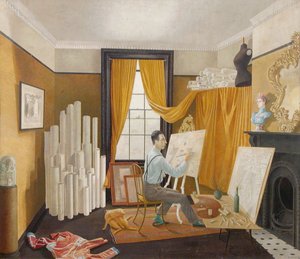
Edward Bawden
1903 - 1989 , United Kingdom
プロフィール概要
- Artistic Movement Or Style: Graphic art, Illustration
- Artists Or Movements Influenced By This Artist:
- Edward Gorey
- David Gentleman
- Artists Who Influenced This Artist:
- Aubrey Beardsley
- Richard Doyle
- William Morris
- Paul Nash
- Date Of Birth: March 10, 1903
- Date Of Death: November 21, 1989
- Full Name: Edward Bawden
- Nationality: English
- Place Of Birth: Braintree, United Kingdom