

 シェアする
シェアする シェアする
シェアする
 詳細を見る
詳細を見る

 ダウンロード
 似ている作品
 スライドショー
 統計情報
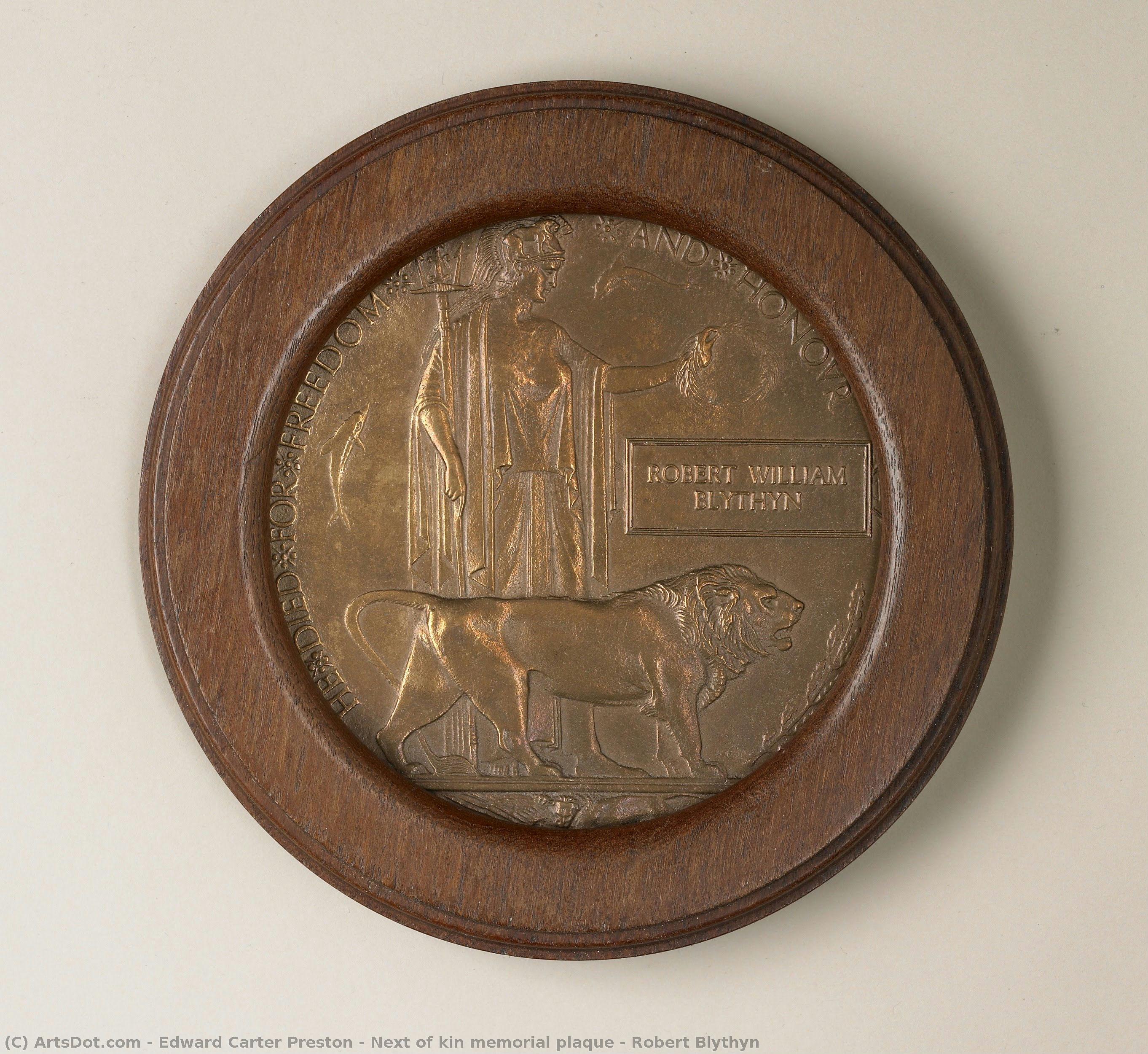
統計情報Next of kin memorial plaque - Robert Blythyn
 Bronze
- Sculpture
 19th Century
 2.0 x 16.0 cm
 National Museums Liverpool
 詳細を見る
詳細を見る
オンラインプレビューをはるかに凌ぐ、高解像度で鮮明なデジタル画像をご購入いただけます。
各ファイルは、社内の専門家が高度なツールと熟練した手作業によるレタッチを用いて、細心の注意を払って準備されています。すべての画像において、卓越した鮮明度、正確な色彩再現性、そして繊細なディテールを保証いたします。
最終ファイルは、プロフェッショナルな編集・印刷環境ですぐにご利用いただけるよう最適化された状態で、72時間以内にメールにてお届けいたします。これは、一流のデザインスタジオ、出版社、ギャラリーから信頼されているものと同等の品質です。
デジタルアート
個人での鑑賞、印刷、クリエイティブなプロジェクト用に、高解像度ファイルをダウンロードできます。 ( プリント版に切り替え 手描きの絵画を購入)
デジタル画像のご注文に付随する特典
高品質なデジタル画像配信を、確かな品質で。
ArtsDot.com を選ぶことは、単に画像を手に入れることではありません。それは、プロの手によって精密に仕上げられ、満足保証が付いた高品質なデジタルアートワークを受け取ることを意味します。ご注文いただいた際に自動的に付随する内容は、以下の通りです:

メールですぐにお届け
ご注文から72時間以内に、高解像度のデジタル画像ファイルがメールでお手元に届きます。すぐにそのままご利用いただけます。

AI技術で最適化されたデジタルファイル
お客様の作品は、高度なAIツールと専門家による手作業の編集を組み合わせてプロフェッショナルに最適化されており、細部のディテール、鮮明さ、そして正確な色再現性を最大限に引き出しています。

一生涯無料の再送サービス
ファイルを誤って削除したり、紛失してしまったりしましたか?ご安心ください。いつでも無料で再送いたします。

輸入手数料は一切かかりません
関税や手数料、配送料を気にすることなく、お気に入りのアートワークをすぐにお楽しみいただけます。デジタルダウンロードは常に免税です。

色彩再現の保証
プロ仕様のツールとカラーマネジメント技術を用いることで、デジタル画像が元の色を最大限に忠実に再現することを保証いたします。

100日間満足保証
ご購入いただいたデジタル画像にご満足いただけない場合は、100日以内であれば、理由を問わず修正または100%の返金対応をさせていただきます。

100% 返金保証
ご満足いただけない場合は、デジタルファイルを受け取ってから100日以内であれば、理由を問わず全額返金いたします。

まとめ買い割引
3枚購入で10%OFF - 5枚購入で15%OFF - 10枚以上購入で20%OFF。クリエイティブなプロジェクト、ギャラリー、エージェンシーに最適です。
A Poignant Tribute in Bronze and Memory
In the quiet intersection of personal tragedy and historical grandeur lies the Next of Kin Memorial Plaque for Robert Blythyn, a piece that transcends mere ornamentation to become a vessel of profound remembrance. Created by the artist Edward Carter Preston, this exquisite memorial serves as a somber yet beautiful tribute to a life lost amidst the waves of history. The plaque commemorates Robert Blythyn, a Smokeroom Steward aboard the ill-fated Lusitania, whose disappearance during the sinking remains etched in the annals of the First World War. This is not merely an object of art; it is a tangible connection to the "brave souls" who made the ultimate sacrifice, designed to provide grieving families with a physical fragment of a loved one they could hold onto when all else was lost to the sea.
The visual narrative captured within this bronze medium is deeply intimate. At its heart, the painting depicts a man and his faithful canine companion, both gazing toward the viewer with an arresting presence. The man, adorned in a period-appropriate hat, shares a silent, soulful moment with his dog, whose head is lifted in an expression of alert dignity. This central duo provides an emotional anchor for the piece, surrounded by a soft, atmospheric background where other figures engage in the quiet rhythms of daily life. Through this composition, Preston masterfully blends the individual's personal identity with the broader tapestry of human existence, creating a scene that feels both fleeting and eternal.
Mastery of Texture and Historical Resonance
Technically, the plaque is a triumph of miniature storytelling. The use of bronze allows for a rich, tactile depth that captures the play of light across the figures, lending a lifelike quality to the painted elements. The way the metal interacts with the pigments creates a sense of permanence, as if the memory of Robert Blythyn is being shielded from the erosion of time itself. The mounting of the plaque within an elegant wooden frame further elevates its status, transforming a commemorative token into a sophisticated work of fine art suitable for the most discerning collections.
For collectors and interior designers, this piece offers more than just aesthetic value; it offers a conversation. It possesses a unique historical weight that can serve as a focal point in a study, a library, or a curated gallery space. The subtle interplay between the heavy, enduring nature of the bronze and the delicate, emotive brushwork invites viewers to contemplate themes of loss, loyalty, and the enduring legacy of heroism. To possess a reproduction of such a piece is to invite a sense of historical gravity and soulful storytelling into one's environment, making it an incomparable choice for those who seek art that speaks to the very core of the human experience.
関連作品
作家の略歴
Robert Delaunay: A Pioneer of Color and Light
Born in Paris on April 12, 1885, Robert Delaunay emerged as a pivotal figure within the vibrant tapestry of early 20th-century art. His journey began not with formal artistic training but through an apprenticeship with a theatrical designer, a formative experience that instilled in him a deep appreciation for composition and visual storytelling. This initial foray into design laid the groundwork for his later explorations of abstraction, color theory, and geometric forms – elements that would ultimately define his unique contribution to the burgeoning world of modern art.
Influenced by the Impressionists and particularly by Neo-Impressionism, Delaunay’s early work demonstrated a fascination with capturing fleeting moments of light and color. However, it was his marriage to Sonia Delaunay in 1910 that proved to be a catalyst for a radical transformation in his artistic practice. Together, they embarked on an ambitious project – the creation of “Orphism,” a movement characterized by its bold use of primary colors, dynamic compositions, and a deliberate rejection of traditional perspective. This wasn’t merely about depicting reality; it was about expressing pure emotion and sensation through color itself.
The core tenets of Orphism revolved around the concept of “simultanism,” which sought to represent multiple viewpoints simultaneously on a single canvas. Delaunay and Sonia experimented with layering colors, creating vibrant, pulsating surfaces that seemed to vibrate with energy. Their work moved beyond mere representation, delving into the realm of pure abstraction – a daring departure from established artistic conventions. This experimentation was further fueled by their exposure to Cubism and the influence of artists like Matisse and Picasso, though they ultimately forged their own distinct path.
The Rise of Orphism and Early Innovations
Delaunay’s early exhibitions, particularly at the Salon des Indépendants in 1912, marked a significant turning point in his career. His paintings, such as “Saint-Séverin” (1910-13) and “The Eiffel Tower” (1913), showcased his innovative approach to color and composition, immediately attracting attention from the avant-garde art community. These works weren’t simply depictions of familiar subjects; they were explorations of light, space, and emotion conveyed through a carefully orchestrated interplay of hues.
The couple's collaboration extended beyond painting, encompassing textile design, furniture creation, and architectural decoration. They established the “Omega Workshops” alongside Roger Fry and other artists, producing innovative designs for various projects – a testament to their belief in the integration of art into everyday life. This period saw them experimenting with large-scale panels and colored reliefs, often incorporating geometric shapes and vibrant color fields.
A crucial development during this time was Delaunay’s exploration of “circular forms,” which he began to develop around 1912. These abstract compositions, characterized by concentric circles and radiating lines, represented a shift towards pure abstraction and a focus on the dynamic relationships between colors and shapes. His work during World War I reflected a sense of urgency and dynamism, mirroring the tumultuous events unfolding in Europe.
Mature Style and Later Works
Following the war, Delaunay’s style evolved further, incorporating elements of Simultanism and exploring new ways to represent space and movement. He continued to work with large-scale panels and reliefs, often employing assistants to help him execute his ambitious designs. His paintings from the 1930s and 40s are characterized by a sense of rhythmic energy and a masterful control of color.
Notably, Delaunay’s involvement in the 1937 Paris International Exposition, where he created a stunning “Aeronautics” pavilion featuring large-scale colored panels, solidified his reputation as a leading figure in modern art. This project showcased his ability to translate abstract concepts into visually arresting and engaging installations.
Despite facing challenges during World War II, including the loss of his studio and many of his works, Delaunay continued to paint until his death in Montpellier on October 25, 1941. His legacy as a pioneer of color theory, abstraction, and Orphism remains firmly established, profoundly influencing generations of artists who followed.
Influence and Legacy
Robert Delaunay’s impact extends far beyond the immediate context of his time. His bold experimentation with color and form paved the way for later developments in abstract art, particularly within movements like Constructivism and Bauhaus. His emphasis on the expressive potential of color resonated deeply with artists seeking to move beyond representational painting.
Furthermore, Delaunay’s work demonstrated a remarkable synthesis of art and design, blurring the boundaries between different disciplines. His collaborations with Sonia Delaunay in textile design, furniture creation, and architectural decoration established a precedent for integrated artistic practices that continues to inspire artists today.
Today, Robert Delaunay's paintings are held in major museums around the world, including the Tate Gallery in London and the Museum of Modern Art in New York. His work stands as a testament to his innovative spirit, his unwavering commitment to experimentation, and his enduring contribution to the history of modern art.
edward carter preston
1885 - 1965 , United Kingdom
プロフィール概要
- Artistic Movement Or Style: Orphism, Cubism
- Artists Or Movements Influenced By This Artist:
- Sonia Delaunay
- Simultanism
- Artists Who Influenced This Artist:
- Cézanne
- Matisse
- Date Of Birth: 1885-04-12
- Date Of Death: 1941-10-25
- Full Name: Robert Delaunay
- Nationality: French
- Notable Artworks:
- Endless Rhythm
- The Eiffel Tower
- Disc
- Place Of Birth: Paris, France