 プレビュー
プレビュー
 プリントを購入
 シェアする
シェアする シェアする
シェアする
 詳細を見る
詳細を見る

 ダウンロード
 似ている作品
 X線調査
X線調査 スライドショー
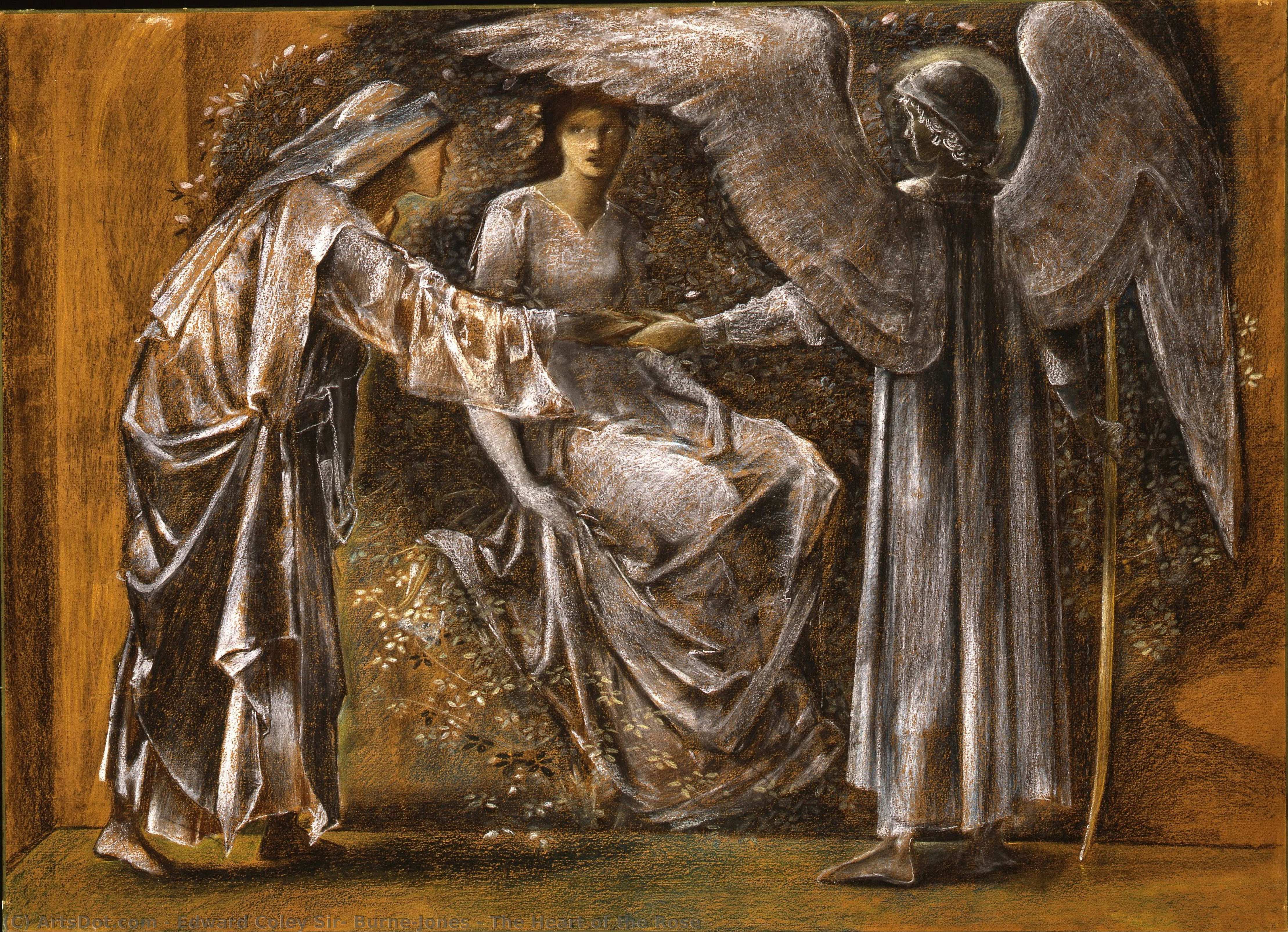
The Heart of the Rose
 Oil On Panel
- Pre-Raphaelite
 1890
1890 95.0 x 131.0 cm
 William Morris Gallery
 詳細を見る
詳細を見る




P118B $10

P118H $10

P118W $10

P438Z $10

P508JH $12

P508YH $12

P805H $10

P805Z $10

P919BZ $10

P919G $10

P919XJ $10

P959ZH $10

P968JZ $12

W106C $8

W218G $10

W218JH $8

W218Y $10

W307PJ $10

W316G $10

W316PJ $8

W316Y $10

W398PJ $8

W4111J $10

W500HY $15

W500JH $15

W692G $12

W849H $8

W940BG $15

W953PJ $8




作品のオリジナル比率に合わせた、当店の規定サイズからお選びください。

特定のフレームやスペースに合わせて、ご希望のサイズをご入力いただけます。選択されたサイズが元の画像の比率と異なる場合、アートワークをトリミングするか、手描きで要素を追加して絵画を拡張いたします。デジタルモックアップ を制作し、制作開始前にご確認(承認)をいただきます。
画面上のプレビューは、実際のトリミングや拡張を正確に反映しているものではありません。最終的な構図は、モックアップによってのみ正確にご確認いただけます。
カスタムサイズもご利用いただけますが、元の比率を維持するためには、あらかじめ用意されたリストからサイズを選択することをお勧めいたします。
ご注文後、ArtsDot.com チームより詳細な指示をお送りするとともに、仕上がりイメージ(モックアップ)をご提供いたします。


 ガラスオプションは、110cm未満のサイズでのみご利用いただけます。

The Heart of the Rose
複製技法
複製画のサイズ
-


合計金額
$ 288
作品解説
A Vision of Romance: Unveiling Burne-Jones’ “The Heart of the Rose”
Edward Coley Burne-Jones's "The Heart of the Rose," painted in 1889, isn’t merely a depiction of a scene; it’s an immersion into a world steeped in Pre-Raphaelite romanticism and medieval allegory. This exquisite work, now meticulously reproduced for ArtsDot, transcends its canvas to evoke a profound sense of longing, mystery, and the enduring power of love—a testament to Burne-Jones's mastery of color, texture, and symbolic storytelling. The painting draws heavily from William Morris’s poem “The Romance of the Rose,” transforming a complex allegorical narrative into a visually arresting tableau that continues to captivate viewers over a century later.
At its core, "The Heart of the Rose" presents a poignant encounter between a young woman, an ethereal angel, and a shadowed male figure. The composition is carefully orchestrated: the central focus rests upon the woman, her face turned towards the approaching angel, a gesture of both vulnerability and anticipation. The angel, rendered with delicate wings and serene expression, extends a hand offering a rose—a potent symbol of beauty, love, and ultimately, fulfillment. Behind them, partially obscured in shadow, stands a male figure, his presence ambiguous – is he a guardian, a judge, or perhaps the embodiment of temptation? This layering of figures creates an atmosphere of intrigue, inviting viewers to contemplate the complexities of human relationships and the choices we make.
A Symphony of Color and Texture
Burne-Jones’s technique is immediately striking. He employs a rich, velvety palette—deep reds, blues, and greens dominate, creating a sense of opulent luxury while simultaneously hinting at hidden depths. The artist's meticulous attention to detail is evident in every brushstroke; the folds of the drapery ripple with an almost tactile quality, while the textures of the rose petals and the angel’s wings are rendered with astonishing realism. Burne-Jones masterfully utilizes glazing techniques—thin layers of translucent paint applied over dried underlayers—to build up depth and luminosity, capturing the play of light and shadow with remarkable skill.
The painting's surface is a testament to his dedication; it’s not simply painted but sculpted. The artist uses dry brushwork to create highlights and shadows, adding a sense of three-dimensionality that draws the viewer into the scene. He expertly manipulates color temperature—warm hues for the figures and cool tones for the background—to further enhance the painting's dramatic effect. This combination of meticulous detail and expressive brushwork is characteristic of Burne-Jones’s style, blending technical virtuosity with a deep emotional sensibility.
Historical Context and Artistic Influences
“The Heart of the Rose” emerged during a pivotal moment in British art history—the height of the Pre-Raphaelite movement. Burne-Jones, along with Dante Gabriel Rossetti and William Morris, sought to revive the artistic ideals of the early Renaissance, rejecting the academic conventions of the Royal Academy and embracing instead a focus on beauty, symbolism, and narrative storytelling. The Pre-Raphaelites were deeply influenced by medieval art and literature, drawing inspiration from Arthurian legends, Shakespearean plays, and the works of Dante Alighieri.
Burne-Jones’s work is particularly intertwined with William Morris's textile designs. As a founding partner in Morris, Marshall, Faulkner & Co., Burne-Jones collaborated extensively with Morris on decorative projects, including tapestries and stained glass windows. This collaboration fostered a shared aesthetic sensibility—a fascination with medieval craftsmanship, a reverence for nature, and a desire to create works of art that were both beautiful and meaningful. The painting’s subject matter directly reflects this shared interest in romantic allegory and the pursuit of idealized beauty.
Symbolism and Emotional Resonance
Beyond its visual appeal, “The Heart of the Rose” is rich in symbolism. The rose itself represents love, passion, and ultimately, spiritual fulfillment. The angel embodies divine grace and guidance, while the shadowed figure suggests the potential for temptation or judgment. The woman’s contemplative expression conveys a sense of vulnerability and longing—a yearning for connection and understanding. Burne-Jones masterfully uses these symbols to create a complex narrative that speaks to universal themes of love, loss, and redemption.
Ultimately, “The Heart of the Rose” is more than just a beautiful painting; it’s an invitation to contemplate the mysteries of human experience. Its evocative imagery and profound symbolism continue to resonate with viewers today, making it a timeless masterpiece that deserves to be cherished and admired. ArtsDot's faithful reproductions capture the essence of this extraordinary work, allowing you to bring its beauty into your own home or office.
関連作品

アーティストの略歴
エドワード・バーン=ジョーンズ:夢を織りなす色彩の画家
1833年、イギリスの工業都市バーミンガムに生まれたエドワード・コリー・バーン=ジョーンズは、先駆的な芸術家として、プリ・ラファエル派のロマン主義とヴィクトリア朝時代の美意識を結びつけました。幼い頃に母親を亡くし、父親と献身的な乳母アン・サンプソンの愛情の中で育った彼は、内省的で豊かな想像力を育み、芸術への道を歩むことになります。バーミンガムの文法学校や美術学校での教育は基礎を築きましたが、オックスフォード大学エクスター・カレッジでの学びが、彼の芸術的な運命を決定づけました。そこでウィリアム・モリスとの生涯にわたる友情が生まれ、伝統工芸の復興を目指す「モリス&コ」の設立にもつながりました。プリ・ラファエル派と独自のビジョンの誕生
オックスフォードは芸術実験の坩堝であり、バーン=ジョーンズとモリスは、ジョン・ラスキンの著作やアルフレッド・テニスンの詩に触発され、中世の芸術と精神性に没頭しました。彼らは既存の社会の醜悪さと物質主義を拒絶し、「兄弟団」を結成して芸術的理想を追求しました。ダンテ・ガブリエル・ロセッティとの出会いは彼の初期作品に大きな影響を与えましたが、すぐに独自のスタイルを確立します。それは、エーテル的な美しさ、憂鬱な優雅さ、そして細部に至るまでの緻密な描写によって特徴づけられます。彼の絵画は単なる中世物語の挿絵ではなく、象徴性と心理的深みにあふれた幻想的な夢の世界でした。フィリッポ・リッピやボッティチェリの影響も見て取れますが、彼はそれを独自のイギリス的な感性で昇華させました。絵画からタペストリーへ:工芸のルネサンス
バーン=ジョーンズの芸術的活動は、絵画にとどまりませんでした。「モリス&コ」でのウィリアム・モリスとの共同作業を通じて、彼は装飾美術の世界に革命をもたらしました。単なるデザインではなく、生活のあらゆる側面を芸術で満たすという全体的なアプローチを提唱しました。同社は、絶妙な織物、壁紙、家具、ステンドグラスなどを生産し、バーン=ジョーンズの洗練された美意識が息づいていました。特にステンドグラスのデザインは顕著であり、教会や大聖堂を色彩と物語に満ちた光の世界へと変貌させました。この活動は伝統的な技術の復興だけでなく、装飾美術の地位向上を目指し、絵画や彫刻を芸術の頂点とする従来の階層に挑戦しました。1877年の「マーリンの誘惑」の展示会は大衆的成功を収め、美学運動における先駆者としての地位を確立しました。「芸術は芸術のためにある」というスローガンを掲げ、美しさを至上のものとするこの運動は、社会に大きな影響を与えました。個人的な影と不朽の遺産
バーン=ジョーンズの人生は複雑な側面もありました。妻ジョージアナ・マクドナルドとの結婚生活は長く続きましたが、ギリシャ人モデルのマリア・ザンバコとの情熱的な恋愛関係が、深刻な危機を引き起こしました。しかし、そのような感情的な苦難にもかかわらず、彼は驚くべき数の作品を制作し続けました。愛、喪失、そして精神的な意味の探求といったテーマを探求し、晩年の絵画は内省的で、より抽象的な形態へと変化していきました。1895年には叙爵を受け、イギリス芸術と文化への貢献が認められました。1898年の死去後、彼は数世代にわたるアーティストたちに影響を与え続けました。彼のデザインは現代の職人やデザイナーにもインスピレーションを与え続けています。不朽の影響
- バーン=ジョーンズの作品は、プリ・ラファエル派の美しさ、細部へのこだわり、象徴主義を体現していますが、同時に彼独自のスタイルを確立しました。
- 「モリス&コ」を通じて装飾美術に貢献し、伝統的な工芸技術を活性化させました。
- 彼のステンドグラスのデザインは、ヴィクトリア朝時代の芸術の傑作として、聖なる空間を輝かしい美しさで彩っています。
- 後世の多くのアーティストに影響を与え、職人技と美的価値への新たな感謝を促しました。
- 神話、伝説、そして心理的なテーマを探求する彼の作品は、今日でも観客を魅了し続け、19世紀イギリスで最も重要な芸術家の一人としての地位を確固たるものにしています。
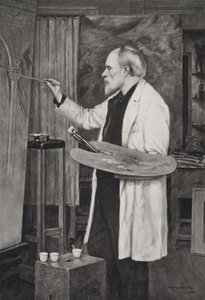
エドワード・バーン=ジョーンズ
1833 - 1898 , イギリス
基本情報
- フルネーム: エドワード・コリー・バーン=ジョーンズ
- 主な作品:
- 魅せられたマーリン
- シスィポス
- 美女と野獣
- 出生地: バーミンガム、イギリス
- 国籍: イギリス
- 影響を与えた芸術家:
- ヴィクトリア朝の芸術家
- 職人&デザイナー
- 影響を受けた芸術家:
- D.G.ロセッティ
- フィリッポ・リピ
- ボッティチェリ
- 没年月日: 1898年6月17日
- 生年月日: 1833年8月28日
- 芸術運動: 前ラファエロ派、エステティック
関連記事
ダンテ・ガブリエル・ロセッティ傑作25選:美と象徴が織りなす芸術の世界 | ArtsDot
ダンテ・ガブリエル・ロセッティの傑作25選。プレラファエライトの象徴主義、美しい女性画の世界へ。油絵やアートプリントで、リビングや寝室を彩るインテリアアートを見つけましょう。ArtsDot.comで名画コレクションを探索。
Edward Burne-Jones: A Pre-Raphaelite Vision of Myth, Symbolism & Aesthetic Idealism
Discover the enchanting world of Edward Burne-Jones and the Pre-Raphaelite Brotherhood. Explore his mythical paintings, distinctive style, and lasting influence on Victorian art & the Aesthetic Movement. Expert analysis & high-quality reproductions at ArtsDot.

The Pre-Raphaelite Brotherhood: A Rebellion of Beauty & Medieval Revival
Explore the captivating world of the Pre-Raphaelite Brotherhood! Discover their rebellion against academic art, iconic masterpieces, and lasting influence on Victorian aesthetics. Learn about Rossetti, Burne-Jones & more.
Sir John Everett Millais: Pre-Raphaelite Rebellion & Victorian Narrative Detail
Explore the revolutionary art of Sir John Everett Millais & the Pre-Raphaelite Brotherhood. Discover their radical realism, symbolic narratives, and lasting impact on Victorian aesthetics. A deep dive into 19th-century masterpieces.
The Pre-Raphaelite Brotherhood: Rebellion, Romance & Medieval Revival
Explore the captivating world of the Pre-Raphaelite Brotherhood! Discover their rebellious spirit, iconic masterpieces & lasting influence on art history. Learn about Rossetti, Millais & more.