

 プレビュー
プレビュー
 プリントを購入
 シェアする
シェアする シェアする
シェアする
 詳細を見る
詳細を見る

 ダウンロード
 似ている作品
 X線調査
X線調査 スライドショー
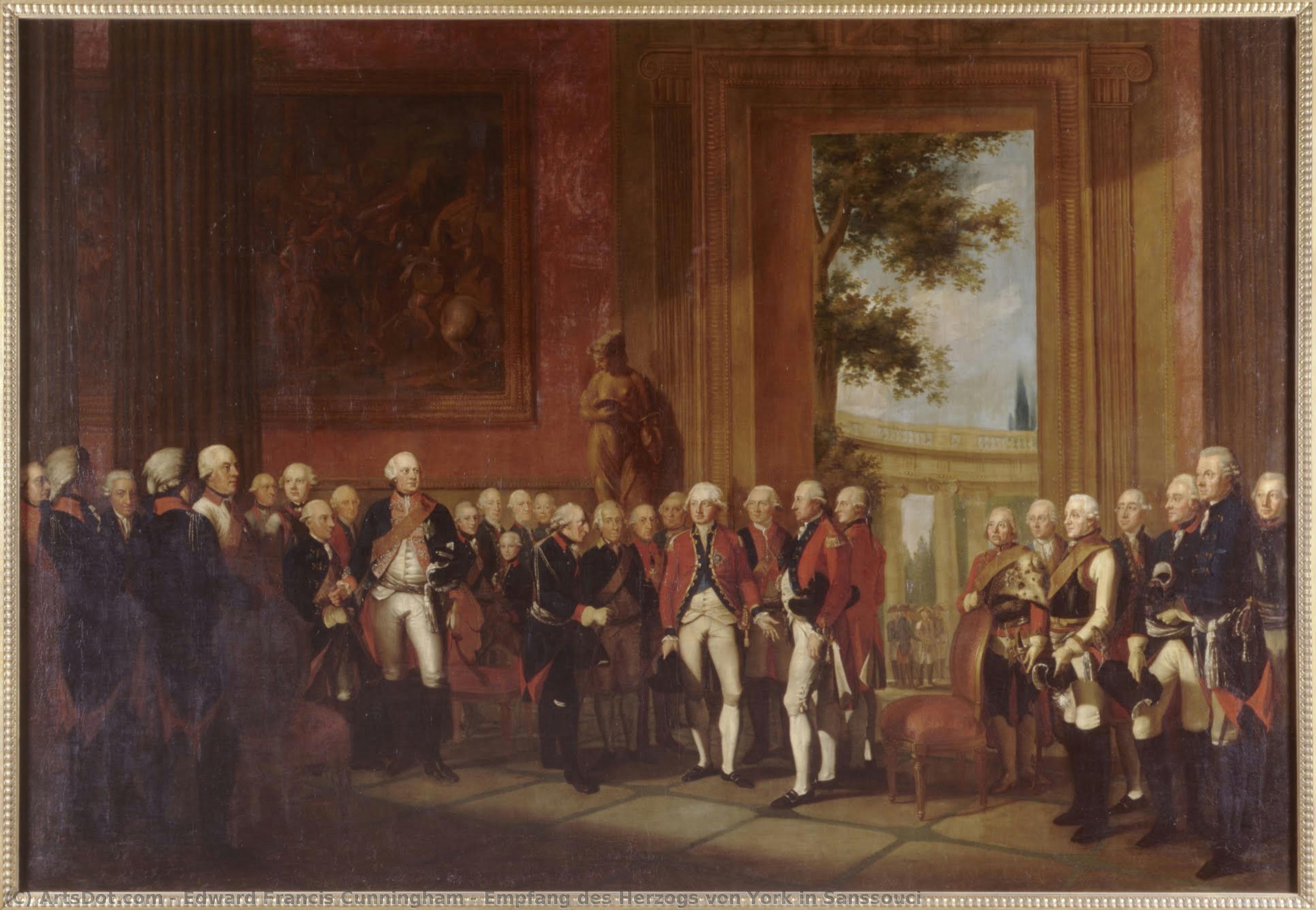
Empfang des Herzogs von York in Sanssouci
 1787
1787 171.0 x 242.0 cm
 Sanssouci Palace
 詳細を見る
詳細を見る




































作品のオリジナル比率に合わせた、当店の規定サイズからお選びください。

特定のフレームやスペースに合わせて、ご希望のサイズをご入力いただけます。選択されたサイズが元の画像の比率と異なる場合、アートワークをトリミングするか、手描きで要素を追加して絵画を拡張いたします。デジタルモックアップ を制作し、制作開始前にご確認(承認)をいただきます。
画面上のプレビューは、実際のトリミングや拡張を正確に反映しているものではありません。最終的な構図は、モックアップによってのみ正確にご確認いただけます。
カスタムサイズもご利用いただけますが、元の比率を維持するためには、あらかじめ用意されたリストからサイズを選択することをお勧めいたします。
ご注文後、ArtsDot.com チームより詳細な指示をお送りするとともに、仕上がりイメージ(モックアップ)をご提供いたします。


 ガラスオプションは、110cm未満のサイズでのみご利用いただけます。

Empfang des Herzogs von York in Sanssouci
複製技法
複製画のサイズ
-


合計金額
$ 263
作品解説
関連作品









アーティストの略歴
The Wandering Brush: The Life and Legacy of Edward Francis Cunningham
The life of Edward Francis Cunningham, a name often whispered alongside the moniker Calze, reads like a dramatic 18th-century novel, marked by aristocratic privilege, continental wanderlust, and ultimate tragedy. Born around 1742 in the quiet Scottish town of Kelso, Cunningham’s early years were shaped by political upheaval. Following his father's involvement in the Jacobite rising of 1745, the family was forced into exile on the European continent. This displacement, while born of necessity and fear, proved to be the catalyst for a profound artistic education. Moving through the great cultural hubs of Parma, Rome, Venice, and Paris, the young Cunningham absorbed the rich textures of the Italian Renaissance and the refined elegance of French portraiture, developing a technical prowess that would later define his career.
Cunningham’s journey was as much about personal fortune as it was about artistic refinement. Upon arriving in Paris, he unexpectedly inherited significant family estates, yet his life became a cautionary tale of extravagance and dissipation. The wealth that could have secured a lifetime of quiet study was instead squandered through improvident habits. Driven by the need to sustain his lifestyle, he followed the glamorous Duchess of Kingston to Russia, eventually finding stable employment within the Russian court. This period of his life allowed him to refine his skills in an environment of imperial splendor, where the demand for high-quality portraiture was immense. His subsequent move to Berlin further expanded his repertoire, as he established himself as a sought-after painter capable of capturing the dignity and character of the European elite.
Mastery of Form and the Art of Portraiture
As a portraitist, Cunningham possessed an extraordinary ability to marry meticulous detail with a vibrant, emotive use of color. His work is characterized by a certain luminous quality, where the textures of silk, lace, and skin are rendered with such precision that they seem to breathe upon the canvas. While he ventured into historical subjects, it was in the intimate realm of the portrait that his true genius resided. He did not merely record a likeness; he captured the psychological depth of his sitters, imbuing them with a sense of presence and permanence.
The technical evolution of his style can be traced through his movements across Europe:
- The Italian Influence: His time in Venice and Rome instilled in him a mastery of light and shadow, reminiscent of the great masters of the previous century.
- French Refinement: In Paris, he adopted a more sophisticated, polished approach to composition, suitable for the high fashion of the era.
- Imperial Grandeur: His service in Russia and Germany demanded a certain scale and opulence, which he achieved through bold brushwork and rich pigments.
A Tragic Conclusion and Enduring Significance
Despite his undeniable talent and the prestigious courts he served, Cunningham’s life ended in a manner far removed from the splendor of his early career. The financial instability that had shadowed his travels eventually led him to London, where he succumbed to poverty in 1795. It is a poignant irony that an artist who once moved within the highest circles of European nobility died in such destitution.
Yet, the legacy of Edward Francis Cunningham remains untarnished by his personal struggles. His contributions to the art of portraiture continue to be studied and admired, with significant works preserved in prestigious institutions such as the Scottish National Gallery of Modern Art in Edinburgh. Through these surviving canvases, we are able to glimpse the brilliance of a man whose life was a turbulent odyssey across a changing Europe, leaving behind a trail of beauty that transcends the hardships of his final years.
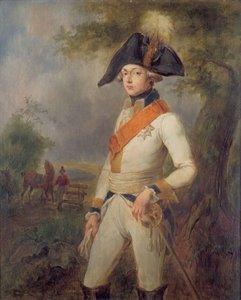
edward francis cunningham
1795 , United Kingdom
基本情報
- Artistic Movement Or Style: World Goes Pop
- Artists Or Movements Influenced By This Artist: ['']
- Artists Who Influenced This Artist: ['']
- Date Of Death: 1795
- Notable Artworks: ['Various works featured in The EY Exhibition: The World Goes Pop']

