

 プレビュー
プレビュー
 プリントを購入
 シェアする
シェアする シェアする
シェアする
 詳細を見る
詳細を見る

 ダウンロード
 似ている作品
 X線調査
X線調査 スライドショー
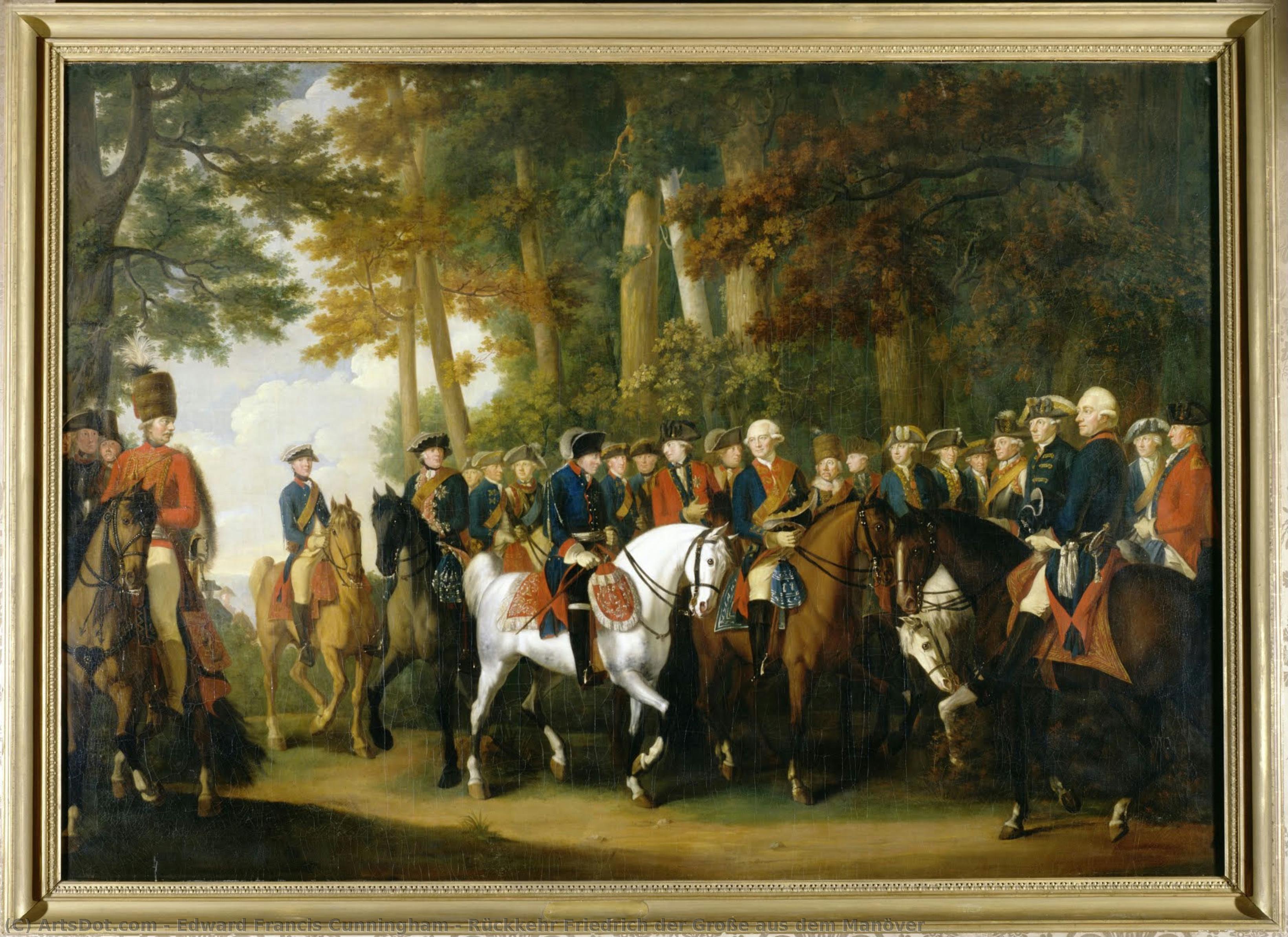
Rückkehr Friedrich der Große aus dem Manöver
 Oil On Canvas
- WallArt
- Baroque
 1784
1784- Early Modern
 170.0 x 243.0 cm
 Sanssouci Palace
 詳細を見る
詳細を見る
オンラインプレビューをはるかに凌ぐ、高解像度で鮮明なデジタル画像をご購入いただけます。
各ファイルは、社内の専門家が高度なツールと熟練した手作業によるレタッチを用いて、細心の注意を払って準備されています。すべての画像において、卓越した鮮明度、正確な色彩再現性、そして繊細なディテールを保証いたします。
最終ファイルは、プロフェッショナルな編集・印刷環境ですぐにご利用いただけるよう最適化された状態で、72時間以内にメールにてお届けいたします。これは、一流のデザインスタジオ、出版社、ギャラリーから信頼されているものと同等の品質です。
デジタル画像のご注文に付随する特典
高品質なデジタル画像配信を、確かな品質で。
ArtsDot.com を選ぶことは、単に画像を手に入れることではありません。それは、プロの手によって精密に仕上げられ、満足保証が付いた高品質なデジタルアートワークを受け取ることを意味します。ご注文いただいた際に自動的に付随する内容は、以下の通りです:

メールですぐにお届け
ご注文から72時間以内に、高解像度のデジタル画像ファイルがメールでお手元に届きます。すぐにそのままご利用いただけます。

AI技術で最適化されたデジタルファイル
お客様の作品は、高度なAIツールと専門家による手作業の編集を組み合わせてプロフェッショナルに最適化されており、細部のディテール、鮮明さ、そして正確な色再現性を最大限に引き出しています。

一生涯無料の再送サービス
ファイルを誤って削除したり、紛失してしまったりしましたか?ご安心ください。いつでも無料で再送いたします。

輸入手数料は一切かかりません
関税や手数料、配送料を気にすることなく、お気に入りのアートワークをすぐにお楽しみいただけます。デジタルダウンロードは常に免税です。

色彩再現の保証
プロ仕様のツールとカラーマネジメント技術を用いることで、デジタル画像が元の色を最大限に忠実に再現することを保証いたします。

60日間満足保証
ご購入いただいたデジタル画像にご満足いただけない場合は、60日以内であれば、修正または100%の返金(理由を問う必要はありません)をさせていただきます。

100% 返金保証
ご満足いただけない場合は、デジタルファイルを受け取ってから60日以内であれば、理由を問わず全額返金いたします。

まとめ買い割引
3枚購入で10%OFF - 5枚購入で15%OFF - 10枚以上購入で20%OFF。クリエイティブなプロジェクト、ギャラリー、エージェンシーに最適です。
A Grand Procession Through Time
In the sweeping expanse of Edward Francis Cunningham’s 1784 masterpiece, Rückkehr Friedrich der Große aus dem Manöver, the viewer is transported into the heart of a Prussian military triumph. This large-scale oil painting captures more than just a moment in history; it encapsulates the very essence of 18-century grandeur and the theatricality of the Baroque tradition. As the eye wanders across the canvas, one is immediately struck by the rhythmic movement of a cavalry procession winding through a dense, atmospheric forest. The composition is masterfully orchestrated, using the verticality of the ancient trees to frame a central group of riders whose presence commands the space with an undeniable sense of authority and purpose.
The scene is a symphony of light and shadow, where dramatic chiaroscuro effects breathe life into every figure and equine form. Cunningham employs a rich, deep palette—dominated by regal blues, crimson reds, and shimmering golds—to highlight the intricate details of the military uniforms and the polished textures of the horses' coats. The interplay of sunlight filtering through the thick canopy creates a dappled effect across the forest floor, adding a layer of natural dynamism to the structured formality of the parade. This contrast between the untamed wilderness and the disciplined military order evokes a profound sense of transition, as if the weight of history is moving through the quiet stillness of nature.
Technique and Artistic Mastery
For the discerning collector or interior designer, the technical brilliance of this work offers endless inspiration. Cunningham, a painter whose career spanned the great courts of Europe from Paris to Russia, demonstrates his profound command over oil on canvas through a sophisticated use of texture. The artist utilizes impasto techniques in specific areas—particularly within the highlights of the fabrics and the lush foliage—to build a physical volume that catches the light, lending the painting a three-dimensional quality. This tactile richness ensures that the artwork possesses a captivating presence when viewed from different angles.
The brushwork is both precise and expressive, defining the sharp lines of the riders' silhouettes while maintaining the soft, organic fluidity of the surrounding woods. The perspective, though slightly flattened in keeping with the late Baroque aesthetic, creates an immersive depth that draws the observer into the procession. Every stroke serves to reinforce the narrative of power and prestige, making this piece not merely a historical record, but a sensory experience. For those seeking to anchor a room with a sense of heritage and classical elegance, such a reproduction provides a sophisticated focal point that speaks of timelessness and cultural depth.
A Legacy of Power and Prestige
Beyond its aesthetic splendor, the painting serves as a symbolic window into the era of Frederick the Great. The military attire and the organized movement of the troops are potent symbols of sovereignty, strength, and the structured hierarchy of the Prussian state. The forest setting itself acts as a metaphor for the journey of leadership—a passage through the unknown toward a destined victory. This layer of historical storytelling adds an intellectual dimension to the artwork, making it a profound choice for spaces dedicated to reflection, study, or the celebration of history.
Owning a high-quality reproduction of this work allows one to bring the majesty of the 18th century into a contemporary setting. Whether placed in a grand hallway, a formal dining room, or a curated gallery wall, Rückkehr Friedrich der Große aus dem Manöver offers an unparalleled opportunity to surround oneself with the drama and dignity of the past. It is an investment in atmosphere, providing a window into a world where every movement was a performance and every landscape was a stage for greatness.
関連作品





作家の略歴
The Wandering Brush: The Life and Legacy of Edward Francis Cunningham
The life of Edward Francis Cunningham, a name often whispered alongside the moniker Calze, reads like a dramatic 18th-century novel, marked by aristocratic privilege, continental wanderlust, and ultimate tragedy. Born around 1742 in the quiet Scottish town of Kelso, Cunningham’s early years were shaped by political upheaval. Following his father's involvement in the Jacobite rising of 1745, the family was forced into exile on the European continent. This displacement, while born of necessity and fear, proved to be the catalyst for a profound artistic education. Moving through the great cultural hubs of Parma, Rome, Venice, and Paris, the young Cunningham absorbed the rich textures of the Italian Renaissance and the refined elegance of French portraiture, developing a technical prowess that would later define his career.
Cunningham’s journey was as much about personal fortune as it was about artistic refinement. Upon arriving in Paris, he unexpectedly inherited significant family estates, yet his life became a cautionary tale of extravagance and dissipation. The wealth that could have secured a lifetime of quiet study was instead squandered through improvident habits. Driven by the need to sustain his lifestyle, he followed the glamorous Duchess of Kingston to Russia, eventually finding stable employment within the Russian court. This period of his life allowed him to refine his skills in an environment of imperial splendor, where the demand for high-quality portraiture was immense. His subsequent move to Berlin further expanded his repertoire, as he established himself as a sought-after painter capable of capturing the dignity and character of the European elite.
Mastery of Form and the Art of Portraiture
As a portraitist, Cunningham possessed an extraordinary ability to marry meticulous detail with a vibrant, emotive use of color. His work is characterized by a certain luminous quality, where the textures of silk, lace, and skin are rendered with such precision that they seem to breathe upon the canvas. While he ventured into historical subjects, it was in the intimate realm of the portrait that his true genius resided. He did not merely record a likeness; he captured the psychological depth of his sitters, imbuing them with a sense of presence and permanence.
The technical evolution of his style can be traced through his movements across Europe:
- The Italian Influence: His time in Venice and Rome instilled in him a mastery of light and shadow, reminiscent of the great masters of the previous century.
- French Refinement: In Paris, he adopted a more sophisticated, polished approach to composition, suitable for the high fashion of the era.
- Imperial Grandeur: His service in Russia and Germany demanded a certain scale and opulence, which he achieved through bold brushwork and rich pigments.
A Tragic Conclusion and Enduring Significance
Despite his undeniable talent and the prestigious courts he served, Cunningham’s life ended in a manner far removed from the splendor of his early career. The financial instability that had shadowed his travels eventually led him to London, where he succumbed to poverty in 1795. It is a poignant irony that an artist who once moved within the highest circles of European nobility died in such destitution.
Yet, the legacy of Edward Francis Cunningham remains untarnished by his personal struggles. His contributions to the art of portraiture continue to be studied and admired, with significant works preserved in prestigious institutions such as the Scottish National Gallery of Modern Art in Edinburgh. Through these surviving canvases, we are able to glimpse the brilliance of a man whose life was a turbulent odyssey across a changing Europe, leaving behind a trail of beauty that transcends the hardships of his final years.
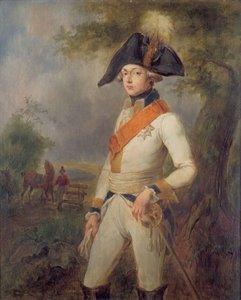
edward francis cunningham
1795 , United Kingdom
プロフィール概要
- Artistic Movement Or Style: World Goes Pop
- Artists Or Movements Influenced By This Artist: ['']
- Artists Who Influenced This Artist: ['']
- Date Of Death: 1795
- Notable Artworks: ['Various works featured in The EY Exhibition: The World Goes Pop']

