 プレビュー
プレビュー
 プリントを購入
 シェアする
シェアする シェアする
シェアする
 詳細を見る
詳細を見る

 ダウンロード
 似ている作品
 X線調査
X線調査 スライドショー
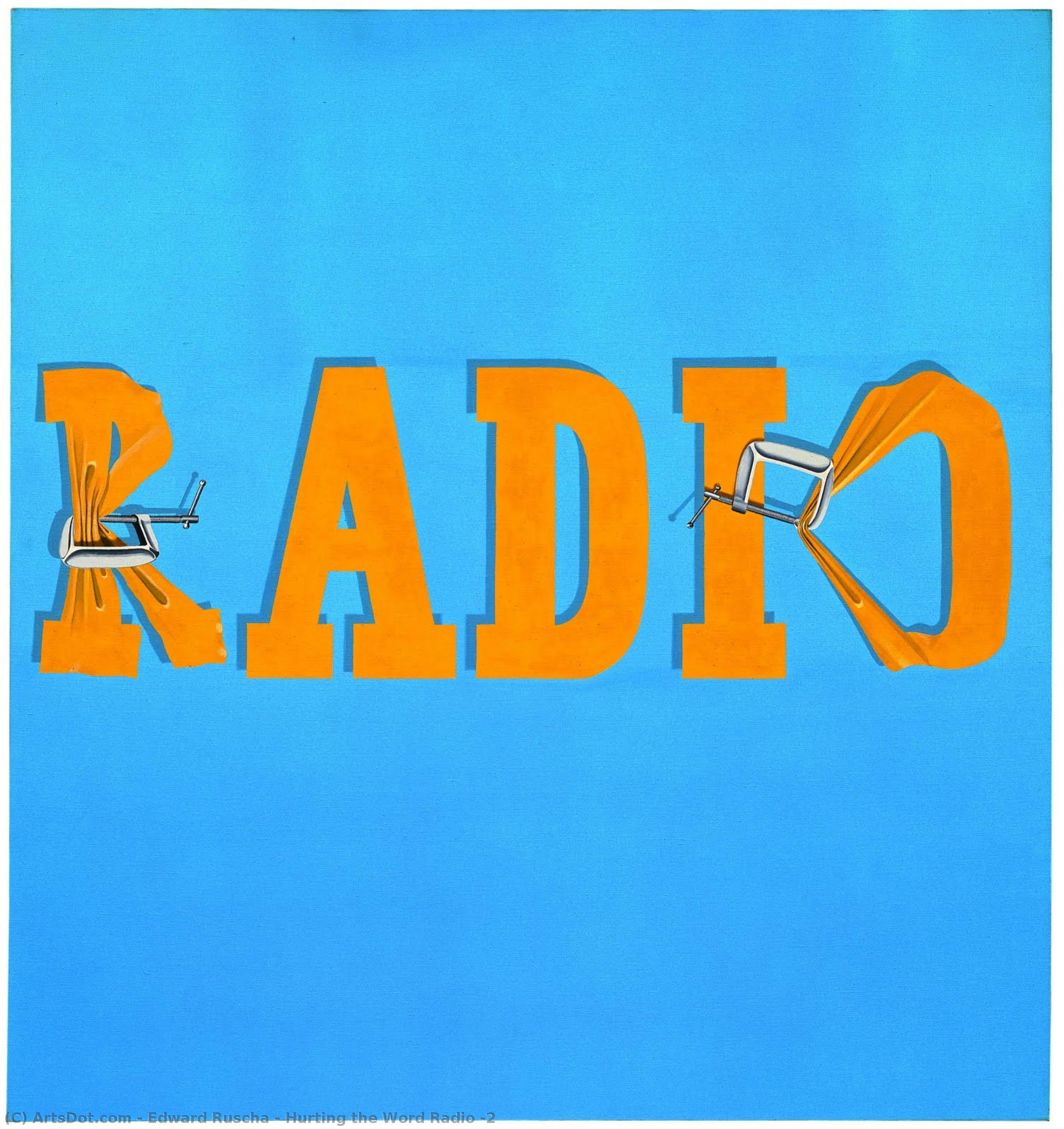
Hurting the Word Radio #2
 Acrylic On Canvas
- WallArt
- Pop Art
 1964
1964- Modern
 149.0 x 139.0 cm
 Hayward Gallery
 詳細を見る
詳細を見る




P118B $10

P118H $10

P118W $10

P438Z $10

P508JH $12

P508YH $12

P805H $10

P805Z $10

P919BZ $10

P919G $10

P919XJ $10

P959ZH $10

P968JZ $12

W106C $8

W218G $10

W218JH $8

W218Y $10

W307PJ $10

W316G $10

W316PJ $8

W316Y $10

W398PJ $8

W4111J $10

W500HY $15

W500JH $15

W692G $12

W849H $8

W940BG $15

W953PJ $8




作品のオリジナル比率に合わせた、当店の規定サイズからお選びください。

特定のフレームやスペースに合わせて、ご希望のサイズをご入力いただけます。選択されたサイズが元の画像の比率と異なる場合、アートワークをトリミングするか、手描きで要素を追加して絵画を拡張いたします。デジタルモックアップ を制作し、制作開始前にご確認(承認)をいただきます。
画面上のプレビューは、実際のトリミングや拡張を正確に反映しているものではありません。最終的な構図は、モックアップによってのみ正確にご確認いただけます。
カスタムサイズもご利用いただけますが、元の比率を維持するためには、あらかじめ用意されたリストからサイズを選択することをお勧めいたします。
ご注文後、ArtsDot.com チームより詳細な指示をお送りするとともに、仕上がりイメージ(モックアップ)をご提供いたします。


 ガラスオプションは、110cm未満のサイズでのみご利用いただけます。

Hurting the Word Radio #2
複製技法
複製画のサイズ
-


合計金額
$ 263
作品解説
Hurting the Word Radio #2: A Distortion of Communication
Ed Ruscha’s “Hurting the Word Radio #2” (1964) is more than just a depiction of the word ‘radio’; it's a potent meditation on communication, meaning, and the very nature of representation. Created during a pivotal moment in Pop Art’s evolution, this work exemplifies Ruscha’s innovative approach to painting – one that deliberately disrupts traditional notions of image-making and invites viewers into an unsettling dialogue.
The artwork immediately arrests attention with its stark contrast: a pale blue ground punctuated by bold, yellow lettering. The letters themselves are rendered in a decal-like style, appearing almost bruised or squeezed – the first and last letters dramatically distorted by the application of C-clamps. This technique, far from simply spelling out the word, actively undermines it, creating a visual tension that speaks to the fragility of signals and the potential for interference. Ruscha’s deliberate manipulation evokes a sense of decay and damage, suggesting a breakdown in the transmission of information – a concept particularly relevant in an era increasingly reliant on electronic communication.
Technique and Materials: A Calculated Disruption
- Decal Application: Ruscha masterfully employs the decal technique, layering the yellow letters onto the blue background. This process, often involving multiple layers of adhesive and pressure, creates a textured surface that contributes to the work’s distressed aesthetic.
- C-Clamp Distortion: The strategic use of C-clamps is crucial. These industrial tools physically deform the lettering, transforming them from recognizable forms into unsettling, fleshy shapes. This technique elevates the painting beyond a simple word association and introduces an element of physical violence.
- Pale Blue Ground: The muted blue background serves not as a neutral backdrop but as an active participant in the artwork’s narrative. It represents the void, the space where communication fails to reach its intended destination.
Historical Context and Influences
"Hurting the Word Radio #2" emerged from a vibrant artistic landscape of the early 1960s, deeply influenced by Pop Art’s embrace of everyday imagery and its questioning of traditional art hierarchies. Ruscha's work aligns with the Ferus Gallery group in Los Angeles, a hub for experimental artists pushing boundaries. His influences are diverse – from Jasper Johns’ meticulous depictions of American icons to Marcel Duchamp’s conceptual challenges to the definition of art itself. The echoes of Edward Hopper’s *Gas* (1940), particularly its sense of isolation and unease, can be discerned in Ruscha's exploration of disrupted communication.
Symbolism and Emotional Impact
The title itself – “Hurting the Word Radio” – is deliberately provocative. It forces us to confront the idea that words, symbols of meaning, are not immune to damage or distortion. The image’s unsettling quality evokes a sense of anxiety and disorientation, mirroring the potential for miscommunication in a world saturated with information. Ruscha's work isn't simply about a broken radio signal; it’s a profound commentary on the vulnerability of language and the challenges of conveying truth in an increasingly complex world. The empty chairs within the composition further amplify this sense of isolation and silence, suggesting a failure to connect.

アーティストの略歴
エドワード・ジョセフ・ルスカIV:ポップアートの先駆者
1937年12月16日、ネブラスカ州オマハで生まれたエドワード・ジョセフ・ルスカIVは、カトリック家庭で育ちました。幼少の頃から特に漫画に関心を示し、母親の支援を受けてその才能を伸ばしていきました。1956年にロサンゼルスに移り住み、ロバート・アーウィンやエマーソン・ウォールファーのもとでChouinard Art Institute(現CalArts)に通い始めました。在学中は、オルブという雑誌の編集にも携わり、これはオルタナティブ新聞の前身となるものでした。芸術的発展と影響
ルスカの芸術家としての旅は1960年代初頭に始まり、ロサンゼルスのフェラスギャラリーグループとの関わりを通じて本格化しました。彼の創作活動には、ジャスパー・ジョーンズ、ジョン・マクラーフリン、H.C.ウェスターマン、アーサー・ドーヴ、アルビン・ラストゥイグ、そしてマルセル・デュシャンといった多様なアーティストからの影響が見られます。特に、エドワード・ホッパーの作品、中でも1940年の「ガス」は、ルスカのスタイル形成に大きな共鳴を呼びました。初期の作品では、商業主義やアメリカの日常生活における視覚的言語が探求されました。主要なテーマとスタイル
ルスカは、絵画の中にテキストやフレーズを取り入れることで知られており、その表現は平板で冷静な美学を特徴としています。ガソリンスタンド、モーテル、南カリフォルニアの風景など、日常的な被写体を頻繁に描きました。彼の写真集、例えば1966年の『サンセット・ストリップのすべての建物』は、彼の概念的なアプローチを示す象徴的な作品です。ルスカの作品における重要なテーマは、口語表現とロサンゼルスの視覚文化を探求することにあります。主な業績と代表作
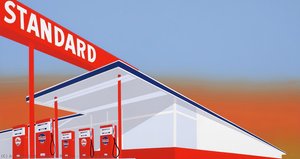
彼の最も有名な作品には以下のようなものがあります。- スタンダード・ステーション (1966): アメリカの道路脇建築を典型的に表現した作品です。
- ラージ・トレードマーク (1962): 彼の言葉に基づいた絵画の初期の例です。
- ハリウッド (1982): ロサンゼルスの象徴的なイメージを反映しています。
- サンセット・ストリップのすべての建物 (1966): サンセット大通りの一帯を記録した画期的な写真集です。
歴史的意義と遺産
ルスカは、ポップアート運動における重要な人物と見なされていますが、彼のスタイルはしばしば単純な分類を超越しています。彼の影響は、言語、写真、そして概念芸術を用いて現代のアーティストたちにまで及んでいます。彼は1960年代にロサンゼルスを芸術的革新の中心地として確立する上で貢献しました。ルスカは現在もカリフォルニア州カルバーシティで創作活動を続け、アート界において依然として影響力のある存在です。彼の作品は、伝統的な絵画と写真の概念に挑戦し、芸術形式の境界線を曖昧にしています。
エド・ラスチャ
1937 - , アメリカ合衆国
基本情報
- Artistic Movement Or Style: ポップアート
- Artists Who Influenced This Artist:
- ジャスパー・ジョーンズ
- ジョン・マクラーフリン
- H.C.ウェスターマン
- アーサー・ドーヴ
- アルビン・ラスティグ
- マルセル・デュシャン
- エドワード・ホッパー
- Date Of Birth: 1937年12月16日
- Date Of Death: 未定
- Full Name: エドワード・ジョセフ・ラッシュア4世
- Nationality: アメリカ人
- Notable Artworks (List Of Titles):
- スタンダード・ステーション
- ラージ・トレードマーク
- ハリウッド
- サンセット・ストリップの建物
- Place Of Birth (City And Country): オマハ、アメリカ合衆国
関連記事
Slate Blue Masterpieces: 10 Iconic Paintings & Timeless Home Decor Ideas
Immerse yourself in the captivating world of slate blue! Explore 10 iconic paintings by Monet, Van Gogh & Renoir. Discover their stories, techniques & find museum-quality art reproductions for your home at .
The Allure of Azure: Exploring the Symbolic & Aesthetic Depths of Blue in Art History
Explore the rich history of blue in art! Discover its symbolism, from ancient pigments to modern masterpieces by Kandinsky & Seurat. Uncover the psychological impact and cultural meanings behind this captivating hue.
ポップアートを定義した至宝:時代を彩る10の傑作と、その深遠なる魅力
ポップアートを象徴する10の傑作。ウォーホル、リキテンスタイン…時代を彩る名画の世界を紐解き、その深遠なる魅力に触れる。ArtsDot.comで、ミュージアムクオリティのアートプリントと洗練されたインテリアアイデアを発見してください。
Challenging Conventions: Pop Art's Origins, Evolution & Enduring Legacy
Explore the fascinating history of Pop Art, from its rebellious origins to its enduring influence on contemporary artists. Discover key figures like Warhol & Lichtenstein and learn about collecting this iconic movement.
Azure Visions: Exploring Representations of the Blue Dress in Western Art History
Explore the rich history of the blue dress in Western art! Discover its symbolism, from Renaissance masterpieces to modern interpretations by artists like Martin & Schiele. Uncover cultural meanings and artistic techniques.