

 プレビュー
プレビュー
 プリントを購入
 シェアする
シェアする シェアする
シェアする
 詳細を見る
詳細を見る

 ダウンロード
 似ている作品
 X線調査
X線調査 スライドショー
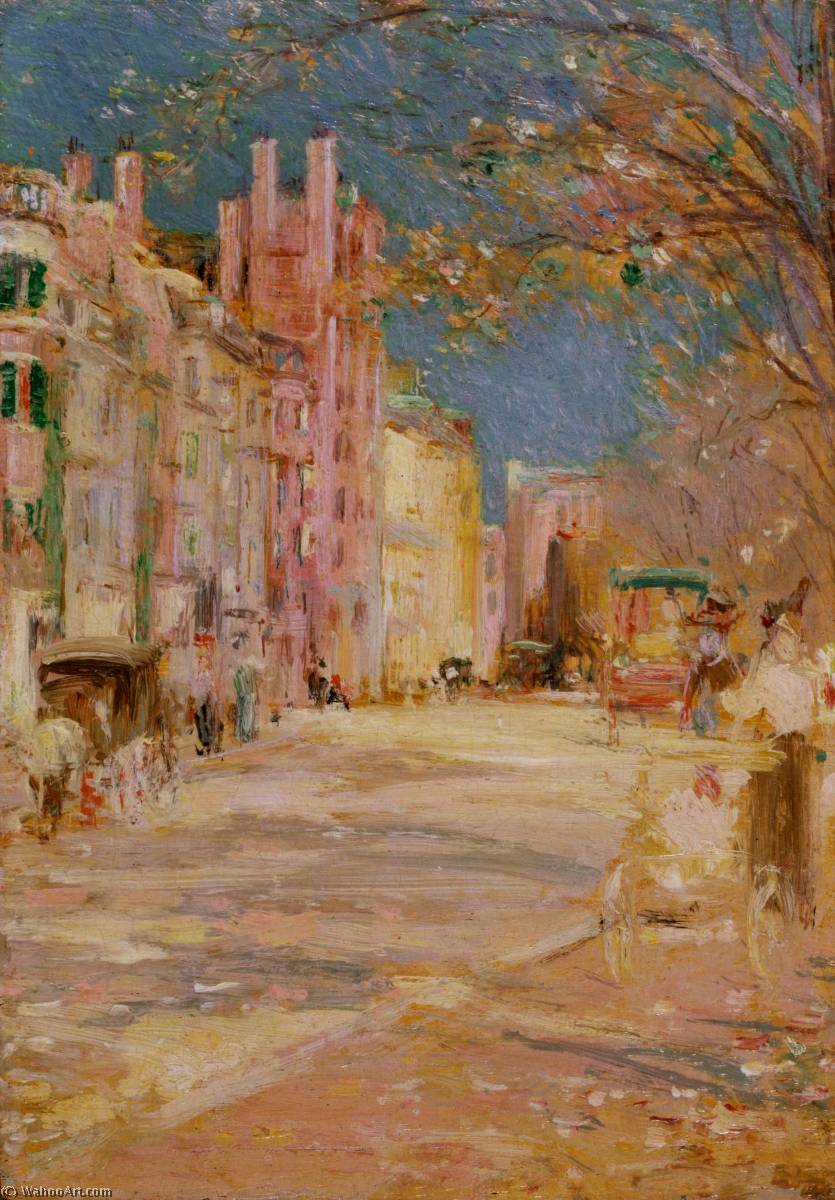
Boston Street Scene (Boston Common)
 Acrylic On Canvas
- WallArt
- Tonalist
 1898
1898- 19th Century
 20.0 x 14.0 cm
 Walters Art Museum
 詳細を見る
詳細を見る




P118B $10

P118H $10

P118W $10

P438Z $10

P508JH $12

P508YH $12

P805H $10

P805Z $10

P919BZ $10

P919G $10

P919XJ $10

P959ZH $10

P968JZ $12

W106C $8

W218G $10

W218JH $8

W218Y $10

W307PJ $10

W316G $10

W316PJ $8

W316Y $10

W398PJ $8

W4111J $10

W500HY $15

W500JH $15

W692G $12

W849H $8

W940BG $15

W953PJ $8




作品のオリジナル比率に合わせた、当店の規定サイズからお選びください。

特定のフレームやスペースに合わせて、ご希望のサイズをご入力いただけます。選択されたサイズが元の画像の比率と異なる場合、アートワークをトリミングするか、手描きで要素を追加して絵画を拡張いたします。デジタルモックアップ を制作し、制作開始前にご確認(承認)をいただきます。
画面上のプレビューは、実際のトリミングや拡張を正確に反映しているものではありません。最終的な構図は、モックアップによってのみ正確にご確認いただけます。
カスタムサイズもご利用いただけますが、元の比率を維持するためには、あらかじめ用意されたリストからサイズを選択することをお勧めいたします。
ご注文後、ArtsDot.com チームより詳細な指示をお送りするとともに、仕上がりイメージ(モックアップ)をご提供いたします。


 ガラスオプションは、110cm未満のサイズでのみご利用いただけます。

Boston Street Scene (Boston Common)
複製技法
複製画のサイズ
-


合計金額
$ 263
作品解説
A Moment Frozen in Time: Bannister’s Boston Street Scene
Edward Mitchell Bannister's "Boston Street Scene (Boston Common)" isn’t merely a depiction of a city street; it’s a carefully constructed tableau of urban life, imbued with the quiet dignity and subtle melancholy characteristic of the tonalist movement. Painted in 1898-99 during a period of significant transformation for Boston – a burgeoning metropolis grappling with rapid industrialization and immigration – Bannister captures a fleeting moment of everyday existence, inviting us to contemplate the rhythms and textures of a bygone era. The painting’s muted palette, dominated by earthy browns, soft greens, and washes of pink and yellow, immediately establishes an atmosphere of subdued warmth, suggesting a peaceful afternoon rather than the hustle and bustle one might expect from a city street. Bannister eschews sharp detail in favor of atmospheric effects, employing loose brushstrokes and layered glazing to create a sense of depth and movement – not through precise representation, but through the evocative suggestion of light and shadow.The Artist’s Journey and the Barbizon Influence
Bannister's story is one inextricably linked with resilience and artistic discovery. Born in New Brunswick, Canada, in 1828, his early life was marked by hardship and limited opportunities for a man of African descent in the mid-19th century. His journey to Boston in the late 1840s represented not just a geographical shift but a desperate pursuit of artistic fulfillment – a path often blocked by societal prejudice. Bannister’s heritage, a blend of Barbadian ancestry and European roots, profoundly shaped his artistic vision, imbuing his work with a sensitivity to human experience and a nuanced understanding of cultural identity. Crucially, he drew inspiration from the French Barbizon school, known for its emphasis on plein air painting and a focus on capturing the essence of nature rather than photographic realism. This influence is evident in Bannister’s deliberate use of atmospheric perspective and his rejection of overly detailed rendering – techniques that prioritize mood and feeling over strict accuracy.A Window into Boston's Late 19th Century Life
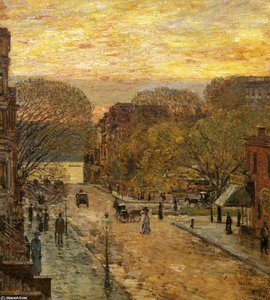
“Boston Street Scene” offers a remarkably intimate glimpse into the city as it transitioned from its Victorian roots to a modern metropolis. The scene unfolds along what was then the edge of Boston Common, a vital public space that served as a gathering place for residents and visitors alike. The painting depicts a relatively quiet streetscape – a horse-drawn carriage navigating alongside pedestrians, children playing in the foreground, and a couple strolling leisurely. Bannister subtly captures the social dynamics of the era, hinting at the diverse population of Boston through the inclusion of individuals from various backgrounds. The two women with their baby stroller are particularly poignant, representing the domesticity and family life that underpinned much of urban existence. The bicycles parked along the sidewalk add a touch of modernity, suggesting the nascent influence of industrial progress on daily routines.Symbolism and Emotional Resonance
Beyond its straightforward depiction of a street scene, “Boston Street Scene” resonates with deeper symbolic meaning. The muted color palette evokes a sense of nostalgia and quiet contemplation – a longing for simpler times in an increasingly complex world. The composition itself guides the viewer’s eye through the scene, drawing attention to the figures and their interactions while simultaneously creating a feeling of spaciousness and tranquility. Bannister's masterful use of light and shadow imbues the painting with a subtle emotional depth, suggesting both the beauty and the melancholy inherent in urban life. It is not simply a record of a place but an exploration of human connection within that space, a testament to the enduring spirit of Boston’s residents. The painting invites us to pause, observe, and reflect on our own experiences within the ever-changing landscape of our cities.関連作品

アーティストの略歴
静寂の中で開花した才能:エドワード・ミッチェル・バニスターの生涯
19世紀、社会的な制約が蔓延する時代において、ひっそりとした決意と芸術への情熱を胸に生きたエドワード・ミッチェル・バニスター。カナダのニューブランズウィック州セントアンドリュースで1828年頃に生まれた彼の幼少期は、アフリカ系の人々が直面していた困難に彩られていました。若くして孤児となったバニスターは、芸術表現への渇望を抱きながらも、様々な職を転々としました。1840年代後半にはボストンへと移り住み、それは単なる地理的な移動ではなく、数々の障害にも屈することなく人生を定義していく芸術の探求の旅でした。彼の出自は複雑で、父方のバルバドス系と母方のヨーロッパ系の血を引いており、そのユニークな視点は、後に彼のキャンバスに繊細さと力強さを与えることになります。風景への傾倒とトナリズムの感性
ほとんど独学で絵画技術を磨いたバニスターの献身的な姿勢は特筆すべきものです。ボストンではウィリアム・リマー博士のもとで彫刻と解剖学を学び、その経験は形式と構成への理解を深める基礎となりました。しかし、彼の芸術的想像力を真に捉えたのは、フランスのバルビゾン派が提唱する風景画でした。ジャン=フランソワ・ミレーのような画家たちは、農村生活や自然主義的な描写を通して、バニスター自身の感性に深く共鳴しました。彼は彼らのムードと大気を捉えるという強調を吸収し、それが彼のシグネチャーであるトナリズムの中心となります。バニスターの絵画は、細部にこだわることも鮮やかな色彩を用いることもなく、微妙な色調の変化と柔らかな色合いを通して、静けさと内省的な感情を呼び起こすことを目指しました。彼は自然を正確に再現しようとするのではなく、その本質を抽出し、詩的な優雅さに満ちた風景を描き出しました。障壁の打破:評価と重要な作品
バニスターの才能は決して見過ごされることはありませんでしたが、その評価は常に時代の偏見に左右されました。1876年のフィラデルフィア万国博覧会での出来事は、彼の人生における転換点となりました。オークの下でという作品が銅メダルを受賞したのです。これはどの芸術家にとっても重要な功績でしたが、特に当時のアフリカ系画家にとっては画期的なものでした。受賞当初は、彼の出自を理由にその妥当性を疑う声も上がりましたが、最終的には同僚の芸術家たちが彼の才能と芸術的価値を認め、決定は覆りませんでした。この勝利は個人的な成功であるだけでなく、人種差別という壁にひびを入れた象徴的な出来事でした。オークの下で以外にも、ウォルターズ美術館に所蔵されているボストン街並み(ボストン・コモン)は、彼の日常の生活を尊厳と静かな観察眼を通して捉える能力を示しています。スミソニアンアメリカンアートミュージアムが所蔵する新聞売りのような作品は19世紀の都市生活の一端を垣間見せてくれます。また、木立の風景や夕焼け、題名のない(牛と歩く女性)、題名のない(二頭の雄牛を引く男)などの作品は、一貫して彼の田園的なテーマへの愛着を示しています。忘れ去られた天才から再び脚光へ:遺産
バニスターは生前に評価を得ていましたが、1901年の死後、彼の作品は長い間人々の記憶から遠ざかりました。何十年もの間、彼はアート史の主流な物語に埋もれた忘れ去られた存在でした。しかし、公民権運動とアフリカ系アメリカ人のあらゆる分野への貢献に対する意識の高まりが、1970年代に彼の芸術に対する新たな関心を呼び起こしました。1978年には、ロードアイランド・カレッジがアートギャラリーを彼の名前にちなんで命名し、「Four from Providence ~ Alston, Bannister, Jennings & Prophet」と題した展覧会を開催し、アメリカのアート史における彼の地位を取り戻すための重要な一歩となりました。今日、バニスターの絵画はスミソニアンアメリカンアートミュージアムやウォルターズ美術館を含む主要な博物館やコレクションに展示されています。彼は単なる熟練した風景画家としてだけでなく、人種差別という障壁に立ち向かい、次世代のアフリカ系アメリカ人アーティストのための道を切り開いた先駆者としても称賛されています。彼の物語は、逆境の中でも芸術的な才能が開花し、真の才能は最終的に正当な評価を受けることを力強く示唆しています。色褪せない影響
- バルビゾン派:ジャン=フランソワ・ミレーのようなフランスのバルビゾン派の画家たちから深い影響を受けました。
- トナリズム:ムード、大気、微妙な色調の変化を重視するトナリズムのスタイルに合致しています。
- 先駆的な精神:バニスターは人種差別が蔓延していた時代において、芸術界の障壁を打ち破り、評価を得ました。
- 再発見:公民権運動中に彼の作品が再発見され、主要な博物館での評価と展示につながりました。
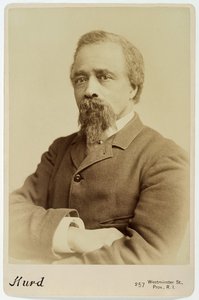
エドワード・ミッチェル・バニスター
1828 - 1901 , カナダ
基本情報
- Artistic Movement Or Style: トナリズム、バルビゾン派
- Artists Who Influenced This Artist: ['ジャン=フランソワ・ミレー']
- Date Of Birth: 1828年頃
- Date Of Death: 1901年1月9日
- Full Name: エドワード・ミッチェル・バニスター
- Nationality: カナダ系アメリカ人
- Notable Artworks (List Of Titles):
- オークの下で
- ボストン街並み
- 新聞売り少年
- 夕焼け
- Place Of Birth (City And Country): ニューブランズウィック州, カナダ
関連記事
エドワード・ホッパー傑作25選:アメリカの孤独と光影の世界 | ArtsDot
エドワード・ホッパーの傑作25選。アメリカ絵画を代表するモダンアート、孤独と光影の世界を紐解きます。名画「Nighthawks」や「ハウス・バイ・ザ・レールロード」など、美術史に残る作品群をArtsDotで高品質複製画としてお楽しみください。インテリアに深みを与えるアートプリントも多数。今すぐコレクションをご覧ください。

Edward Mitchell Bannister: A Pioneer of American Landscape Painting & Artistic Recognition
Discover the remarkable life & art of Edward Mitchell Bannister, a pioneering African American landscape painter. Explore his journey overcoming barriers to achieve recognition and lasting impact on 19th-century American art.
American Realism's Defining Works: 10 Masterpieces for Your Home
Explore 10 defining American Realism masterpieces – Hopper, Homer & more. Discover the stories behind these iconic paintings and bring timeless art to your home with ArtsDot's museum-quality reproductions. Explore the full collection online.
ボストン美術館の至宝25選:名画と芸術の物語|ArtsDot
ボストン美術館の至宝25選。モネ、デガ、ルノワール…名画の背景にある物語と芸術家の情熱を紐解きます。印象派から後期印象派まで、ArtsDotで高品質なアート複製やインテリアに合う作品を見つけましょう。今すぐコレクションをご覧ください!

Grant Wood & American Regionalism: Identity, Myth & the Rural Landscape
Explore the world of Grant Wood & American Regionalism with ArtsDot. Discover the symbolism behind 'American Gothic', recurring themes, and the movement's lasting impact on art history. High-quality reproductions available.

