

 プレビュー
プレビュー
 プリントを購入
 シェアする
シェアする シェアする
シェアする
 詳細を見る
詳細を見る

 ダウンロード
 似ている作品
 X線調査
X線調査 スライドショー
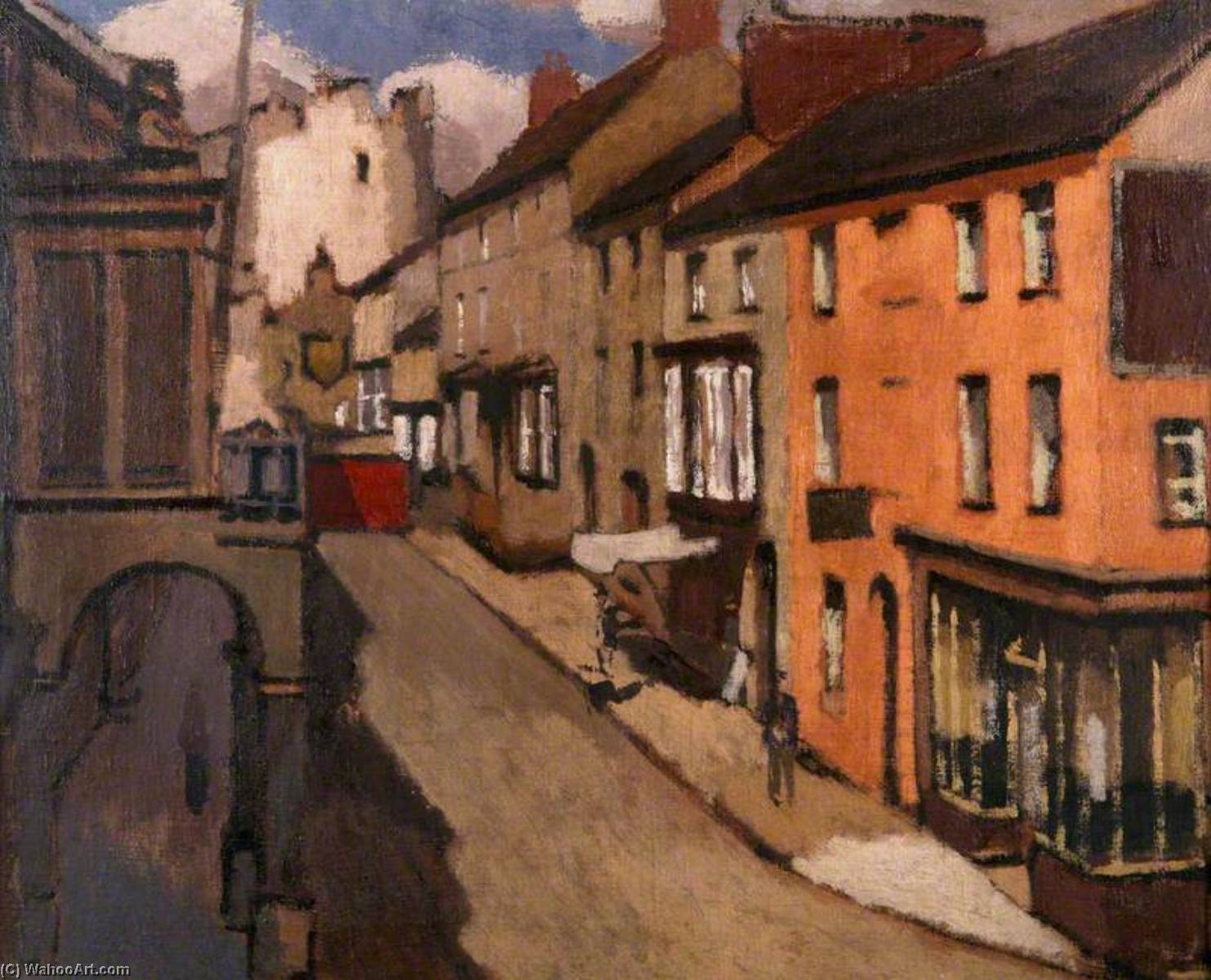
'Lion Hotel' and Castle, Pembroke
 51.0 x 61.0 cm
 詳細を見る
詳細を見る
オンラインプレビューをはるかに凌ぐ、高解像度で鮮明なデジタル画像をご購入いただけます。
各ファイルは、社内の専門家が高度なツールと熟練した手作業によるレタッチを用いて、細心の注意を払って準備されています。すべての画像において、卓越した鮮明度、正確な色彩再現性、そして繊細なディテールを保証いたします。
最終ファイルは、プロフェッショナルな編集・印刷環境ですぐにご利用いただけるよう最適化された状態で、72時間以内にメールにてお届けいたします。これは、一流のデザインスタジオ、出版社、ギャラリーから信頼されているものと同等の品質です。
デジタル画像のご注文に付随する特典
高品質なデジタル画像配信を、確かな品質で。
ArtsDot.com を選ぶことは、単に画像を手に入れることではありません。それは、プロの手によって精密に仕上げられ、満足保証が付いた高品質なデジタルアートワークを受け取ることを意味します。ご注文いただいた際に自動的に付随する内容は、以下の通りです:

メールですぐにお届け
ご注文から72時間以内に、高解像度のデジタル画像ファイルがメールでお手元に届きます。すぐにそのままご利用いただけます。

AI技術で最適化されたデジタルファイル
お客様の作品は、高度なAIツールと専門家による手作業の編集を組み合わせてプロフェッショナルに最適化されており、細部のディテール、鮮明さ、そして正確な色再現性を最大限に引き出しています。

一生涯無料の再送サービス
ファイルを誤って削除したり、紛失してしまったりしましたか?ご安心ください。いつでも無料で再送いたします。

輸入手数料は一切かかりません
関税や手数料、配送料を気にすることなく、お気に入りのアートワークをすぐにお楽しみいただけます。デジタルダウンロードは常に免税です。

色彩再現の保証
プロ仕様のツールとカラーマネジメント技術を用いることで、デジタル画像が元の色を最大限に忠実に再現することを保証いたします。

60日間満足保証
ご購入いただいたデジタル画像にご満足いただけない場合は、60日以内であれば、修正または100%の返金(理由を問う必要はありません)をさせていただきます。

100% 返金保証
ご満足いただけない場合は、デジタルファイルを受け取ってから60日以内であれば、理由を問わず全額返金いたします。

まとめ買い割引
3枚購入で10%OFF - 5枚購入で15%OFF - 10枚以上購入で20%OFF。クリエイティブなプロジェクト、ギャラリー、エージェンシーに最適です。
関連作品










作家の略歴
The Soul of the Everyday: The Life and Legacy of Edward Morland Lewis
In the tapestry of British art history, few threads possess the quiet, poignant beauty found in the works of Edward Morland Lewis. Born in 1903 in Lichfield, Staffordshire, Lewis emerged as a master of what can be described as Victorian narrative realism—a style that sought to find the extraordinary within the ordinary. Though his life was tragically brief, spanning only until 1943, his ability to freeze moments of domestic tranquility and rural grace left an indelible mark on the landscape of early 20th-century British painting. His journey was one of profound connection to the tangible world, a pursuit of truth through the meticulous observation of light, texture, and the subtle rhythms of human existence.
The foundations of Lewis’s artistic vision were laid in an environment rich with creative heritage. Born Kathleen Margaret Godfrey-Faussett-Osborne, the artist adopted the pseudonym “Kit” Lewis, a move that signaled a deep-seated desire for professional autonomy and a departure from the weight of familial expectations. His lineage was steeped in the arts; his mother, Mary Ward, was the sister of the celebrated animal painter James Ward, providing a domestic atmosphere where fine art was not merely a hobby but a way of seeing. This early exposure to high-caliber craftsmanship, combined with the financial stability provided by his father, Henry Bryan Godfrey Godfrey-Faussett-Osborne, allowed Lewis to undergo rigorous formal training at the Chelsea College of Art. Under the mentorship of the modernist Graham Sutherland, Lewis learned to balance the burgeoning experimentalism of the era with a steadfast commitment to traditional, observational techniques.
A Vision Rooted in Reality and Connection
As his style matured, Lewis developed a unique sensitivity that set him apart from the more radical abstractionists of his time. While many of his contemporaries were moving toward the fragmented perspectives of Cubism or the fleeting impressions of light, Lewis remained anchored in the realist tradition. He found profound inspiration in the quiet dignity of everyday life, finding beauty in the subtle nuances of interior spaces and the evocative, rolling landscapes of the British countryside. His work often functioned as a window into a vanishing world, capturing the textures of stone, the softness of wildflowers, and the atmospheric weight of a coastal afternoon.
This dedication to realism was deeply personal, often reinforced by his marriage to Edward Williams, a fellow artist who shared his passion for documenting the essence of life. Together, their artistic lives were intertwined by a mutual devotion to themes of domesticity and labor. Lewis’s paintings, such as his evocative Village Scene or the tranquil Welsh Landscape, are characterized by an almost uncanny ability to capture the spirit of a specific place. He did not merely paint scenery; he painted the atmosphere of existence itself. His brushwork, while possessing a certain impressionistic lightness in works like Village Scene with Gate, Ferryside, never sacrificed the structural integrity and accuracy that defined his realist principles.
A Tragic End and Lasting Significance
The trajectory of Lewis’s career was one of rising promise, yet it was ultimately met with a profound historical tragedy. As the shadows of World War II descended upon Europe, Lewis transitioned from a painter of quiet interiors to a war artist. Serving in North Africa, he brought his keen observational eye to the documentation of conflict, a role that would eventually claim his life. His death in 1943 robbed the British art community of a talent that was just beginning to find its most profound voice, leaving behind a body of work that serves as both a technical triumph and a nostalgic eulogy for a peaceful era.
Today, the significance of Edward Morland Lewis lies in his role as a bridge between the grand narrative traditions of the Victorian era and the more intimate, psychological realism of the modern age. His achievements can be summarized through the enduring qualities of his oeuvre:
- Mastery of Atmosphere: An unparalleled ability to use light and muted tones to evoke peace, solitude, and the passage of time.
- Narrative Depth: The capacity to transform simple street scenes or domestic interiors into profound commentaries on social stability and human presence.
- Technical Precision: A refined skill set that blended the meticulous detail of classical training with a modern, sensitive touch.
- Historical Preservation: His work remains a vital visual record of British rural and urban life during a period of immense transition.
Though often categorized alongside the great realists, Lewis’s work possesses a singular, poetic intimacy. He remains a painter for those who find beauty in the understated—a chronicler of the small, beautiful moments that constitute the true fabric of human history.
edward morland lewis
1903 - 1943
プロフィール概要
- Artistic Movement Or Style: Victorian Narrative Realism
- Artists Or Movements Influenced By This Artist: ['Burne-Jones']
- Artists Who Influenced This Artist: ['Graham Sutherland']
- Date Of Death: 1943
- Full Name: Edward Morland Lewis
- Nationality: British
- Notable Artworks:
- Man in an Armchair
- Working Man's Bedroom
- The Beach and Estuary with Boats

