

![[a Tunnel On The Canadian Pacific Railway, Kicking Horse River, Bc] — Edward Roper Curzon Clarkson](/media/artworks/images-full/2d/76/2d76f432315a23b4c32133f6cf7858bd.jpg)
 プレビュー
プレビュー
 プリントを購入
 シェアする
シェアする シェアする
シェアする
 詳細を見る
詳細を見る

 ダウンロード
 似ている作品
 X線調査
X線調査 スライドショー
[A tunnel on the Canadian Pacific Railway, Kicking Horse River, BC]
 Watercolor
- WallArt
- Topographical Art
 19th Century
 26.0 x 21.0 cm
 Royal BC Museum
 詳細を見る
詳細を見る




P118B $10

P118H $10

P118W $10

P438Z $10

P508JH $12

P508YH $12

P805H $10

P805Z $10

P919BZ $10

P919G $10

P919XJ $10

P959ZH $10

P968JZ $12

W106C $8

W218G $10

W218JH $8

W218Y $10

W307PJ $10

W316G $10

W316PJ $8

W316Y $10

W398PJ $8

W4111J $10

W500HY $15

W500JH $15

W692G $12

W849H $8

W940BG $15

W953PJ $8




作品のオリジナル比率に合わせた、当店の規定サイズからお選びください。

特定のフレームやスペースに合わせて、ご希望のサイズをご入力いただけます。選択されたサイズが元の画像の比率と異なる場合、アートワークをトリミングするか、手描きで要素を追加して絵画を拡張いたします。デジタルモックアップ を制作し、制作開始前にご確認(承認)をいただきます。
画面上のプレビューは、実際のトリミングや拡張を正確に反映しているものではありません。最終的な構図は、モックアップによってのみ正確にご確認いただけます。
カスタムサイズもご利用いただけますが、元の比率を維持するためには、あらかじめ用意されたリストからサイズを選択することをお勧めいたします。
ご注文後、ArtsDot.com チームより詳細な指示をお送りするとともに、仕上がりイメージ(モックアップ)をご提供いたします。


 ガラスオプションは、110cm未満のサイズでのみご利用いただけます。

[A tunnel on the Canadian Pacific Railway, Kicking Horse River, BC]
複製技法
複製画のサイズ
-


合計金額
$ 313
A Window into the Golden Age of Exploration
In this evocative vintage watercolor, Edward Roper Curzon Clarkson invites us to step back into a transformative era of human history, where the rugged frontiers of the Canadian wilderness met the relentless march of industrial progress. The scene captures a moment of quiet contemplation at a tunnel on the Canadian Pacific Railway, overlooking the powerful Kicking Horse River in British Columbia. Through his delicate brushwork, Clarkson does more than merely document a geographical location; he captures the very spirit of 19th-century exploration. A group of figures, gathered on a rocky outcrop, are seen sketching and observing the landscape, serving as proxies for the viewer. Their presence imbues the vast, imposing mountains with a sense of human scale, transforming a wild, untamed territory into a subject of artistic study and romantic wonder.
The composition is masterfully balanced, anchored by the heavy, architectural presence of the arched railway tunnel on the left. This man-made structure, cutting through the ancient stone, acts as a profound symbol of the intersection between nature and civilization. While the mountains rise in dramatic, geometric triangles of muted browns and grays, the tunnel represents the triumph of engineering and the opening of new worlds. The Kicking Horse River flows below, its subtle blue tones providing a soft contrast to the rugged textures of the earth, suggesting a landscape that is both formidable and serene.
Mastery of Light and Atmospheric Texture
Technically, the piece shines through its use of a subdued, earthy palette that evokes the nostalgic patina of an aged print. Clarkson employs a style reminiscent of topographical art, where the emphasis lies on capturing the essence and atmosphere of a scene rather than hyper-realistic detail. The lighting is soft and diffused, as if filtered through a light mountain mist, which lends the artwork a dreamlike, almost ethereal quality. This soft illumination allows the textures of the rock faces, the dense foliage, and the heavy fabrics of the travelers' clothing to emerge with a tactile richness.
The artist utilizes subtle variations in tone and layered washes of watercolor to create depth within a somewhat flattened perspective. This technique creates a sense of recession, drawing the eye from the immediate foreground figures into the hazy, distant peaks. For collectors and interior designers, this piece offers a sophisticated layer of historical storytelling. It is an artwork that does not shout for attention but rather commands it through its quiet dignity and atmospheric depth. Whether placed in a study filled with leather-bound books or as a focal point in a contemporary living space, this reproduction brings with it the timeless allure of the great Canadian wilderness and the romantic era of the railway.
関連作品
アーティストの略歴
Joseph Mallord William Turner: A Pioneer of Light and Emotion
Joseph Mallord William Turner, a name synonymous with Romanticism’s most evocative landscapes, was far more than just a painter of picturesque scenes. Born in the bustling heart of London in 1775, he forged a unique artistic path, defying convention and pushing the boundaries of color, light, and perception. His life, marked by eccentricity, solitude, and an intense connection to nature, profoundly shaped his art – a body of work that continues to captivate and inspire centuries later. Turner’s legacy rests not simply on his technical mastery but on his ability to translate subjective experience into visual form, anticipating the abstract movements of the 20th century.
Turner's early life offered little indication of the artistic genius he would become. He was a child prodigy, demonstrating an aptitude for drawing and sketching from a young age. His father, a beer seller, struggled to provide for his family, and Turner’s education was largely self-directed, fueled by a voracious appetite for art books and prints. Despite his humble origins, he secured admission to the Royal Academy of Arts in 1789 at just fourteen years old, an extraordinary achievement for someone from such a modest background. Initially, he pursued architectural drafting, a skill that honed his observational abilities – crucial for capturing the nuances of light and form. However, it was painting, particularly watercolor, that truly ignited his passion, laying the foundation for his distinctive style.
Turner’s artistic development unfolded over decades, marked by a constant evolution and experimentation. Initially influenced by the Dutch Golden Age painters – Rembrandt and Hals – he gradually moved away from strict topographical representation, embracing a more expressive and subjective approach. His early works, often depicting scenes of London life or coastal landscapes, demonstrate a meticulous attention to detail, reflecting his training as an architectural draftsman. However, it was during his extensive travels throughout Europe—from Belgium and France to Italy and the Rhineland—that he truly found his voice. These journeys weren’t merely vacations; they were immersive experiences that profoundly shaped his artistic vision. He filled countless sketchbooks with observations of light, color, and atmosphere, meticulously documenting his impressions before translating them onto canvas or paper.
The Language of Light and Color
Turner's most distinctive characteristic was undoubtedly his masterful manipulation of light and color. He didn’t simply aim to *represent* a scene; he sought to capture its essence – the feeling, the mood, the very spirit of a place or moment. His palette was extraordinarily vibrant, often employing unconventional combinations of colors that created an almost hallucinatory effect. He frequently worked in layers of translucent washes, building up complex textures and shimmering surfaces. This technique, combined with his loose brushwork and dramatic contrasts between light and shadow, gave his paintings a remarkable sense of movement and energy.
Turner’s approach to color was revolutionary for its time. He rejected the prevailing academic preference for muted tones and carefully calibrated hues, instead embracing bold, saturated colors that seemed to vibrate with life. He studied the effects of light on water, clouds, and foliage with an almost obsessive intensity, striving to capture their fleeting beauty in a single moment. His use of atmospheric perspective—the subtle shifts in color and tone that create the illusion of distance—was particularly innovative, allowing him to convey not just the appearance of a landscape but also its underlying mood and atmosphere.
Major Works and Influences
Turner’s oeuvre is vast and diverse, encompassing landscapes, seascapes, portraits, and historical scenes. Some of his most celebrated works include *The Fighting Temeraire*, depicting the decommissioning of a warship, *Rain, Steam and Speed – The Great Western Railway*, a groundbreaking depiction of industrial progress, and numerous atmospheric studies of Venice, London, and the Cornish coast. His series of watercolours, particularly those documenting his travels, are considered masterpieces of their genre.
Beyond his immediate influences—the Dutch masters and the Romantic tradition—Turner drew inspiration from a wide range of sources. He was fascinated by scientific discoveries related to light and color, studying the work of Joseph Locke and Johann Wolfgang von Goethe. He also incorporated elements of Japanese art into his compositions, particularly in his use of bold outlines and flattened perspectives. The influence of J.M.W Turner is evident in many later artists, including Impressionists like Monet and Renoir, who adopted his techniques for capturing fleeting moments of light and color.
A Lasting Legacy
Despite facing periods of financial hardship and critical rejection during his lifetime, Joseph Mallord William Turner’s reputation steadily grew after his death in 1851. Today, he is recognized as one of the greatest artists of all time – a visionary who fundamentally transformed the landscape painting tradition. His work continues to be exhibited around the world, captivating audiences with its emotional intensity and technical brilliance. Turner's legacy extends beyond the realm of art; his pioneering approach to color, light, and perception has had a profound influence on subsequent generations of artists and remains a testament to the power of subjective experience.
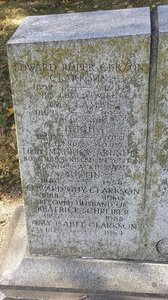
edward roper curzon clarkson
1851 - 1909 , United Kingdom
基本情報
- Artistic Movement Or Style: Romanticism, Precursor of Impressionism
- Artists Or Movements Influenced By This Artist:
- Impressionism
- Abstract Art
- Artists Who Influenced This Artist:
- J.M.W. Turner
- Claude Lorrain
- Date Of Birth: 23 April 1775
- Date Of Death: 19 December 1851
- Full Name: Joseph Mallord William Turner
- Nationality: English
- Notable Artworks:
- The Slave Ship
- Rain, Steam and Speed – The Great Western Railway
- Turner's Venice
- Snow Storm: Hannibal on the Alps
- Place Of Birth: London, England
関連記事

Watercolor Wonders: 10 Masterpieces That Redefined Art History | ArtsDot
Journey through 10 legendary watercolor masterpieces by Sargent, Turner & Homer! Explore iconic landscapes, portraits & floral art that redefined history. Find museum-quality reproductions and curated decor ideas at ArtsDot.com.
エドワード・ホッパー傑作25選:アメリカの孤独と光影の世界 | ArtsDot
エドワード・ホッパーの傑作25選。アメリカ絵画を代表するモダンアート、孤独と光影の世界を紐解きます。名画「Nighthawks」や「ハウス・バイ・ザ・レールロード」など、美術史に残る作品群をArtsDotで高品質複製画としてお楽しみください。インテリアに深みを与えるアートプリントも多数。今すぐコレクションをご覧ください。

Ephemeral Visions: Exploring the Artistic Legacy & Contemporary Practice of Watercolor Painting
Explore the captivating world of watercolor painting! Discover its rich history, essential techniques, influential artists & collecting tips. A comprehensive guide for art enthusiasts from ArtsDot.

Ephemeral Visions: Exploring the History & Emotional Resonance of Watercolor Painting
Explore the captivating history of watercolor painting, from ancient techniques to modern masters like Kandinsky & Blake. Discover essential artists, collecting tips & the emotional power of this luminous medium. Expert insights for art enthusiasts.

Ephemeral Visions: Exploring the Artistic Legacy & Nuances of Watercolor Painting
Explore the captivating world of watercolor painting! Discover its rich history, essential techniques, influential artists & collecting tips from art experts. A comprehensive guide for enthusiasts.

