

 プレビュー
プレビュー
 プリントを購入
 シェアする
シェアする シェアする
シェアする
 詳細を見る
詳細を見る

 ダウンロード
 似ている作品
 X線調査
X線調査 スライドショー
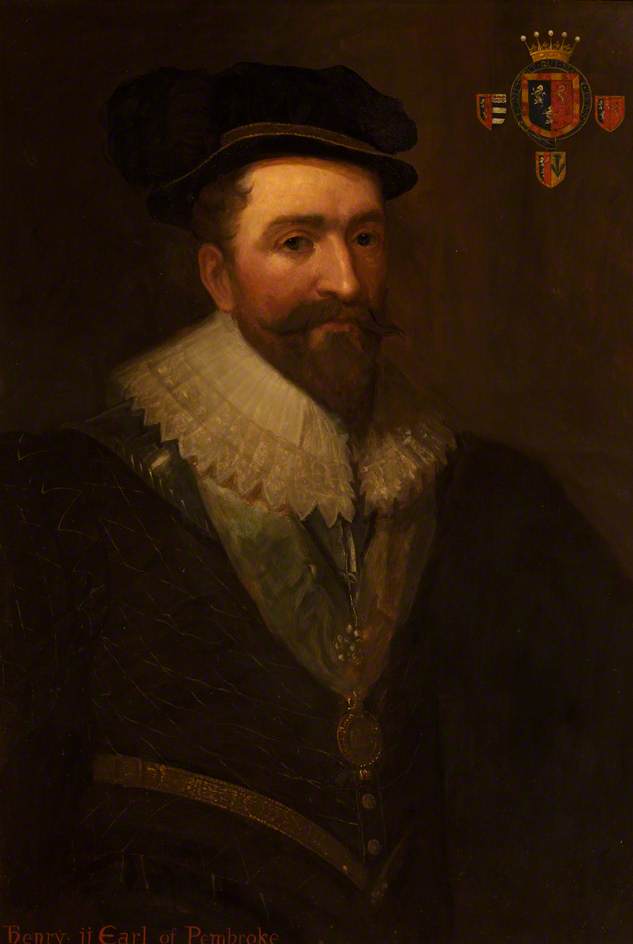
Henry Herbert (d.1601), 2nd Earl of Pembroke
 89.0 x 61.0 cm
 詳細を見る
詳細を見る
オンラインプレビューをはるかに凌ぐ、高解像度で鮮明なデジタル画像をご購入いただけます。
各ファイルは、社内の専門家が高度なツールと熟練した手作業によるレタッチを用いて、細心の注意を払って準備されています。すべての画像において、卓越した鮮明度、正確な色彩再現性、そして繊細なディテールを保証いたします。
最終ファイルは、プロフェッショナルな編集・印刷環境ですぐにご利用いただけるよう最適化された状態で、72時間以内にメールにてお届けいたします。これは、一流のデザインスタジオ、出版社、ギャラリーから信頼されているものと同等の品質です。
デジタル画像のご注文に付随する特典
高品質なデジタル画像配信を、確かな品質で。
ArtsDot.com を選ぶことは、単に画像を手に入れることではありません。それは、プロの手によって精密に仕上げられ、満足保証が付いた高品質なデジタルアートワークを受け取ることを意味します。ご注文いただいた際に自動的に付随する内容は、以下の通りです:

メールですぐにお届け
ご注文から72時間以内に、高解像度のデジタル画像ファイルがメールでお手元に届きます。すぐにそのままご利用いただけます。

AI技術で最適化されたデジタルファイル
お客様の作品は、高度なAIツールと専門家による手作業の編集を組み合わせてプロフェッショナルに最適化されており、細部のディテール、鮮明さ、そして正確な色再現性を最大限に引き出しています。

一生涯無料の再送サービス
ファイルを誤って削除したり、紛失してしまったりしましたか?ご安心ください。いつでも無料で再送いたします。

輸入手数料は一切かかりません
関税や手数料、配送料を気にすることなく、お気に入りのアートワークをすぐにお楽しみいただけます。デジタルダウンロードは常に免税です。

色彩再現の保証
プロ仕様のツールとカラーマネジメント技術を用いることで、デジタル画像が元の色を最大限に忠実に再現することを保証いたします。

100日間満足保証
ご購入いただいたデジタル画像にご満足いただけない場合は、100日以内であれば、修正または100%の返金(理由を問う必要はありません)をさせていただきます。

100% 返金保証
ご満足いただけない場合は、デジタルファイルを受け取ってから100日以内であれば、理由を問わず全額返金いたします。

まとめ買い割引
3枚購入で10%OFF - 5枚購入で15%OFF - 10枚以上購入で20%OFF。クリエイティブなプロジェクト、ギャラリー、エージェンシーに最適です。
関連作品








作家の略歴
A Chronicler of an Era: The Life and Art of Edward Travanyon Haynes
Edward Travanyon Haynes (1840-1922) occupies a fascinating, if often overlooked, niche in the pantheon of Victorian portraiture. He wasn’t a flamboyant innovator like Sargent or Whistler, nor did he strive for the Pre-Raphaelite brotherhood's romantic intensity. Instead, Haynes carved his reputation as a meticulous and highly skilled recorder of British society at its zenith – a chronicler of power, intellect, and aristocratic bearing. Born into a world rapidly transforming by industrialization and imperial expansion, Haynes’ art reflects both the stability he sought to capture and the subtle anxieties simmering beneath the polished veneer of Victorian life. While biographical details remain somewhat sparse, his body of work speaks volumes about his dedication to realism, his mastery of technique, and his keen understanding of character. He wasn't painting ideals; he was painting *people*, and in doing so, created a valuable historical record far beyond mere likenesses.Early Training and the Pursuit of Realism
The specifics of Haynes’ early artistic training are not extensively documented, but it is believed he received formal instruction at a leading art school – likely in London. The prevailing aesthetic climate during his formative years emphasized academic realism, a style that prioritized accurate representation and technical proficiency above all else. This influence is profoundly evident in his work. Unlike many of his contemporaries who experimented with looser brushwork or subjective interpretations, Haynes embraced detail with unwavering commitment. He meticulously rendered fabrics, textures, and the subtle nuances of facial expression. His early works demonstrate a clear fascination with light and shadow, skillfully employed to sculpt form and create a sense of depth. This dedication wasn’t simply about technical prowess; it was about capturing the essence of his sitters – their status, intelligence, and inner lives. He understood that in portraiture, every detail mattered, contributing to the overall narrative conveyed by the image.Portraits of Power: Haynes' Rise to Prominence
Haynes’ career truly blossomed with his commissions from prominent political figures and members of the British aristocracy. He became particularly known for his portraits of William Ewart Gladstone, the four-time Prime Minister, producing a series of images that captured Gladstone at various stages of his illustrious career. These weren't merely official state portraits; Haynes imbued them with a sense of intellectual gravitas and moral authority. Beyond Gladstone, he painted numerous members of the Windsor family, solidifying his position as a favored portraitist within royal circles. His ability to convey both power and personality attracted a steady stream of wealthy patrons eager to immortalize their likenesses. His portraits weren’t simply about displaying wealth or status; they were statements of identity and belonging. The meticulous detail in the clothing, furnishings, and backgrounds served as visual cues to the sitter's social standing and cultural affiliations.Technique and Style: A Master of Victorian Convention
Haynes’ technical approach was rooted in traditional oil painting techniques. He built up layers of paint with careful precision, employing a glazing method to achieve rich colors and subtle tonal variations. His brushwork is generally smooth and refined, avoiding overt displays of virtuosity. He prioritized clarity and accuracy over expressive flourishes. The compositions are typically straightforward and conventional, often featuring the sitter posed against a neutral background or within an elegant interior setting. However, within these constraints, Haynes demonstrated a remarkable ability to capture individual character. He paid close attention to the eyes – considered the windows to the soul – and skillfully rendered the subtle expressions that revealed his sitters’ inner thoughts and emotions. His use of light is particularly noteworthy, often employing dramatic chiaroscuro effects to highlight key features and create a sense of psychological depth.Legacy and Historical Significance
While Haynes may not be as widely celebrated as some of his more avant-garde contemporaries, his contribution to Victorian art history is significant. His portraits offer invaluable insights into the lives and personalities of Britain’s ruling elite during a period of profound social and political change.- His work provides a visual record of fashion, interior design, and material culture.
- He captured the likenesses of key historical figures, preserving their images for posterity.
- His dedication to realism reflects the Victorian emphasis on accuracy and detail.
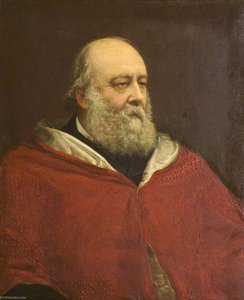
edward travanyon haynes
1840 - 1922
プロフィール概要
- Artistic Movement Or Style: Victorian Portraiture
- Artists Or Movements Influenced By This Artist: ['Burne-Jones']
- Artists Who Influenced This Artist: ['Anthony van Dyck']
- Date Of Birth: 1840
- Date Of Death: 1922
- Full Name: Edward Travanyon Haynes
- Nationality: British
- Notable Artworks:
- Gladstone Painting
- Windsor Portrait
- Place Of Birth: Stourbridge, UK