

 プレビュー
プレビュー
 シェアする
シェアする シェアする
シェアする
 詳細を見る
詳細を見る

 ダウンロード
 似ている作品
 X線調査
X線調査 スライドショー
 統計情報
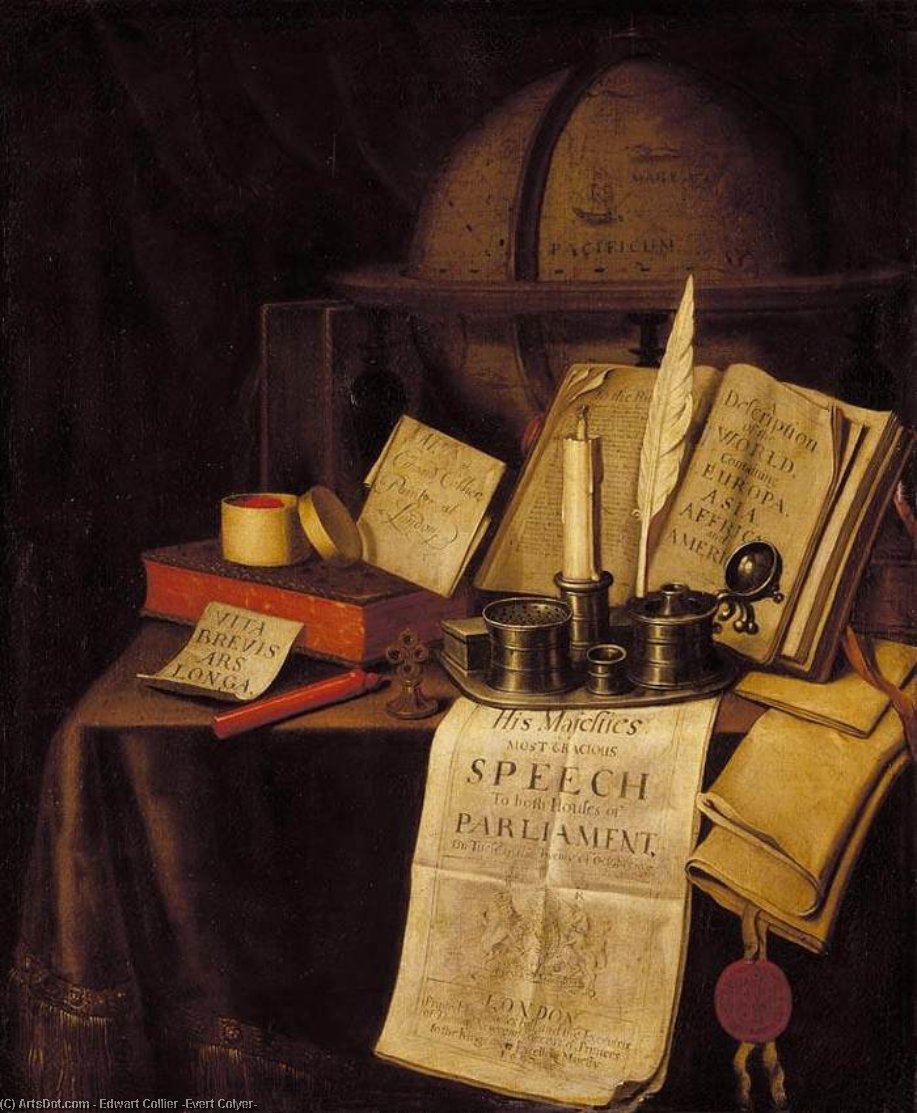
統計情報Vanitas Still-Life (10)
 1697
1697 75.0 x 62.0 cm
 詳細を見る
詳細を見る
オンラインプレビューをはるかに凌ぐ、高解像度で鮮明なデジタル画像をご購入いただけます。
各ファイルは、社内の専門家が高度なツールと熟練した手作業によるレタッチを用いて、細心の注意を払って準備されています。すべての画像において、卓越した鮮明度、正確な色彩再現性、そして繊細なディテールを保証いたします。
最終ファイルは、プロフェッショナルな編集・印刷環境ですぐにご利用いただけるよう最適化された状態で、72時間以内にメールにてお届けいたします。これは、一流のデザインスタジオ、出版社、ギャラリーから信頼されているものと同等の品質です。
デジタルアート
個人での鑑賞、印刷、クリエイティブなプロジェクト用に、高解像度ファイルをダウンロードできます。 ( プリント版に切り替え 手描きの絵画を購入)
デジタル画像のご注文に付随する特典
高品質なデジタル画像配信を、確かな品質で。
ArtsDot.com を選ぶことは、単に画像を手に入れることではありません。それは、プロの手によって精密に仕上げられ、満足保証が付いた高品質なデジタルアートワークを受け取ることを意味します。ご注文いただいた際に自動的に付随する内容は、以下の通りです:

メールですぐにお届け
ご注文から72時間以内に、高解像度のデジタル画像ファイルがメールでお手元に届きます。すぐにそのままご利用いただけます。

AI技術で最適化されたデジタルファイル
お客様の作品は、高度なAIツールと専門家による手作業の編集を組み合わせてプロフェッショナルに最適化されており、細部のディテール、鮮明さ、そして正確な色再現性を最大限に引き出しています。

一生涯無料の再送サービス
ファイルを誤って削除したり、紛失してしまったりしましたか?ご安心ください。いつでも無料で再送いたします。

輸入手数料は一切かかりません
関税や手数料、配送料を気にすることなく、お気に入りのアートワークをすぐにお楽しみいただけます。デジタルダウンロードは常に免税です。

色彩再現の保証
プロ仕様のツールとカラーマネジメント技術を用いることで、デジタル画像が元の色を最大限に忠実に再現することを保証いたします。

100日間満足保証
ご購入いただいたデジタル画像にご満足いただけない場合は、100日以内であれば、理由を問わず修正または100%の返金対応をさせていただきます。

100% 返金保証
ご満足いただけない場合は、デジタルファイルを受け取ってから100日以内であれば、理由を問わず全額返金いたします。

まとめ買い割引
3枚購入で10%OFF - 5枚購入で15%OFF - 10枚以上購入で20%OFF。クリエイティブなプロジェクト、ギャラリー、エージェンシーに最適です。
関連作品










作家の略歴
Edwart Collier (Evert Colyer): A Dutch Master of Mortality and Wealth
Edwart Collier, more commonly known as Evert Colyer, was a pivotal figure in 17th-century Dutch art, renowned for his poignant and meticulously detailed Vanitas still lifes. Born around 1642 in Breda, Netherlands, and tragically dying just before September 8, 1708, in Leiden, Collier’s work offers a profound meditation on the transience of life, the fleeting nature of earthly possessions, and the inevitability of death – themes deeply rooted in the philosophical currents of his time. While he initially trained under Vincent Laurensz van der Vinne in Haarlem, establishing a strong foundation in the established Dutch still-life tradition, Collier quickly developed a unique style characterized by an almost unsettling realism and a masterful manipulation of perspective to create the illusion of three-dimensionality within a two-dimensional canvas – a technique known as *trompe-l’œil*.Early Life and Artistic Training
Collier's early life remains somewhat shrouded in mystery, though it is believed he was baptized Evert Calier in Breda. His artistic education began under the tutelage of Vincent Laurensz van der Vinne, a prominent Haarlem painter whose work focused on capturing the beauty of everyday objects and domestic scenes. Van der Vinne’s influence is readily apparent in Collier's early paintings, which exhibit a similar attention to detail and a fondness for depicting still lifes of flowers, fruits, and tableware. However, Collier soon surpassed his teacher, developing a distinctive style that moved beyond mere representation towards a deeper exploration of symbolic meaning. He officially joined the Haarlem Guild of St. Luke in 1649, followed by membership in the Leiden Guild of St. Luke in 1673, marking a significant shift in his artistic career and geographic location. This move to Leiden coincided with a period of intense personal reflection and creative experimentation, culminating in the development of his signature *trompe-l’œil* technique.The Rise of Vanitas Painting
Collier's most enduring legacy lies in his masterful execution of Vanitas still lifes – a genre that gained prominence during the 17th century and became particularly associated with Dutch art. Vanitas, derived from the Portuguese word *vanitas vanitatum et omnia vanita* ("the vanity of vanities and all vanities"), served as a visual reminder of mortality and the futility of worldly pursuits. Collier’s paintings are not simply arrangements of objects; they are carefully constructed allegories designed to provoke contemplation on the ephemeral nature of existence. He skillfully combined seemingly disparate items – skulls, decaying fruit, extinguished candles, hourglasses, books, musical instruments, and coins – each laden with symbolic weight. A skull represented death, a wilting flower symbolized decay, an hourglass indicated the passage of time, and a closed book alluded to unfulfilled knowledge. These objects were not presented in a morbid or depressing manner, but rather arranged with a striking elegance and precision, highlighting their beauty alongside their inherent transience.Technique and Innovation: The Art of *Trompe-l’œil*
What truly distinguishes Collier's work is his innovative use of *trompe-l’œil*, or “fool the eye,” a technique that creates the illusion of three-dimensionality on a two-dimensional surface. He achieved this through meticulous attention to detail, precise perspective, and an understanding of light and shadow. Objects appeared to spill off the canvas, seemingly floating in space – a letter rack overflowing with documents, a collection of books stacked precariously high, or a smoking pipe resting on a table. This technique wasn’t merely decorative; it served to heighten the sense of realism and immediacy within his paintings, drawing the viewer into the scene and emphasizing the tangible nature of the objects depicted. Collier's mastery of *trompe-l’œil* set him apart from his contemporaries and established him as a pioneer in Dutch still-life painting.Legacy and Historical Significance
Evert Collier’s influence on subsequent generations of artists is considerable. His work served as a powerful commentary on the values and anxieties of 17th-century society, reflecting a growing awareness of mortality and the limitations of human ambition. His paintings continue to resonate with viewers today, offering a timeless meditation on the themes of life, death, and the pursuit of meaning. Major museums worldwide – including the Denver Art Museum, the Honolulu Museum of Art, the Indianapolis Museum of Art, the National Portrait Gallery (United Kingdom), the Rijksmuseum (Amsterdam), and the Art Institute of Chicago – house significant examples of his oeuvre, ensuring that his artistic legacy endures for centuries to come. Dror Wahrman’s book, *Mr. Collier's Letter Racks*, provides a comprehensive exploration of this artist’s unique contribution to the world of still-life painting, solidifying his place as a master of both symbolism and technique.
edwart collier (evert colyer)
1640 - 1708