 プレビュー
プレビュー
 シェアする
シェアする シェアする
シェアする
 詳細を見る
詳細を見る

 ダウンロード
 似ている作品
 X線調査
X線調査 スライドショー
 Stats
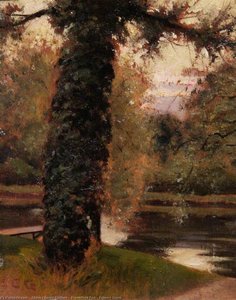
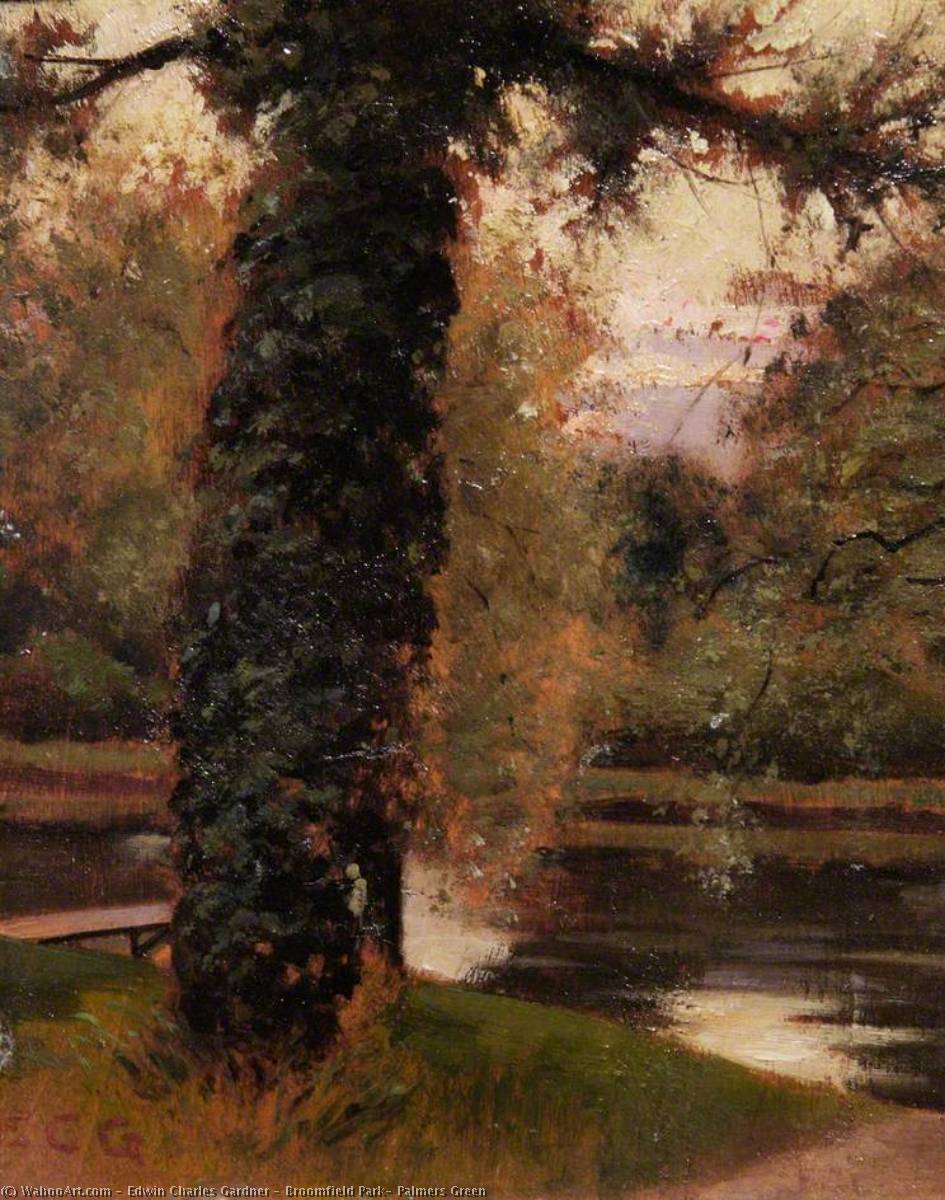
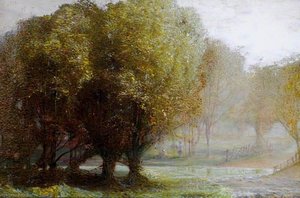
StatsBroomfield Park, Palmers Green
 Impressionism
 1903
1903 12.0 x 10.0 cm
 Enfield Museum Service
 詳細を見る
詳細を見る
オンラインプレビューをはるかに凌ぐ、高解像度で鮮明なデジタル画像をご購入いただけます。
各ファイルは、社内の専門家が高度なツールと熟練した手作業によるレタッチを用いて、細心の注意を払って準備されています。すべての画像において、卓越した鮮明度、正確な色彩再現性、そして繊細なディテールを保証いたします。
最終ファイルは、プロフェッショナルな編集・印刷環境ですぐにご利用いただけるよう最適化された状態で、72時間以内にメールにてお届けいたします。これは、一流のデザインスタジオ、出版社、ギャラリーから信頼されているものと同等の品質です。
デジタルアート
個人での鑑賞、印刷、クリエイティブなプロジェクト用に、高解像度ファイルをダウンロードできます。 ( Switch to Print 手描きの絵画を購入)
デジタル画像のご注文に付随する特典
高品質なデジタル画像配信を、確かな品質で。
ArtsDot.com を選ぶことは、単に画像を手に入れることではありません。それは、プロの手によって精密に仕上げられ、満足保証が付いた高品質なデジタルアートワークを受け取ることを意味します。ご注文いただいた際に自動的に付随する内容は、以下の通りです:

メールですぐにお届け
ご注文から72時間以内に、高解像度のデジタル画像ファイルがメールでお手元に届きます。すぐにそのままご利用いただけます。

AI技術で最適化されたデジタルファイル
お客様の作品は、高度なAIツールと専門家による手作業の編集を組み合わせてプロフェッショナルに最適化されており、細部のディテール、鮮明さ、そして正確な色再現性を最大限に引き出しています。

一生涯無料の再送サービス
ファイルを誤って削除したり、紛失してしまったりしましたか?ご安心ください。いつでも無料で再送いたします。

輸入手数料は一切かかりません
関税や手数料、配送料を気にすることなく、お気に入りのアートワークをすぐにお楽しみいただけます。デジタルダウンロードは常に免税です。

色彩再現の保証
プロ仕様のツールとカラーマネジメント技術を用いることで、デジタル画像が元の色を最大限に忠実に再現することを保証いたします。

100日間満足保証
ご購入いただいたデジタル画像にご満足いただけない場合は、100日以内であれば、理由を問わず修正または100%の返金対応をさせていただきます。

100% 返金保証
ご満足いただけない場合は、デジタルファイルを受け取ってから100日以内であれば、理由を問わず全額返金いたします。

まとめ買い割引
3枚購入で10%OFF - 5枚購入で15%OFF - 10枚以上購入で20%OFF。クリエイティブなプロジェクト、ギャラリー、エージェンシーに最適です。
関連作品


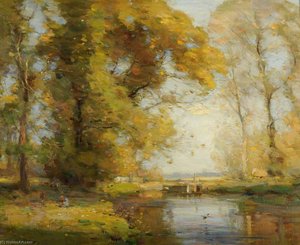
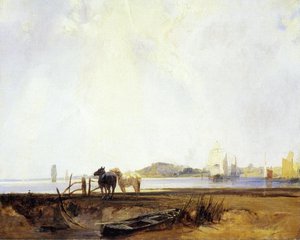
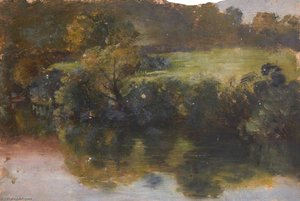
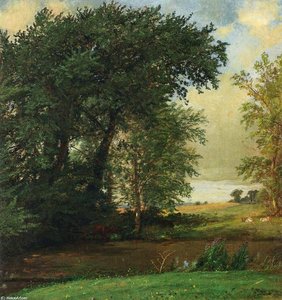
作家の略歴
A Quiet Observer of the American Landscape: Edwin Charles Gardner
Edwin Charles Gardner, a name perhaps less heralded than his contemporaries in the Hudson River School tradition, nevertheless occupies a significant place in the pantheon of American landscape painters. Born in 1831, Gardner’s life unfolded during a period of immense change and artistic ferment in the United States. While biographical details remain somewhat sparse, the enduring quality of his work speaks volumes about his dedication to capturing the subtle beauty of the natural world. He wasn't driven by dramatic spectacle or grandiose pronouncements; instead, Gardner found solace and inspiration in the quiet corners of rural life, particularly within the landscapes surrounding Broomfield Park, New Jersey. His paintings are not statements of conquest over nature, but rather intimate conversations with it—a gentle reverence for its enduring power and delicate details.Early Influences and Artistic Development
Gardner’s artistic journey began in an era deeply influenced by the Barbizon School of France and, more directly, the Hudson River School painters like Thomas Cole, Frederic Church, and Asher B. Durand. These artists championed a distinctly American style of landscape painting, emphasizing realism, atmospheric effects, and a sense of national identity rooted in the unspoiled wilderness. While specific details regarding Gardner’s formal training are limited, it is evident that he absorbed these influences, developing a technique characterized by meticulous brushwork and a keen eye for light and shadow. He eschewed the more theatrical compositions favored by some of his peers, opting instead for scenes of understated elegance and harmonious balance. His early works demonstrate a commitment to accurate representation, but also hint at a growing sensitivity to mood and atmosphere—qualities that would become hallmarks of his mature style.Broomfield Park: A Muse and a Masterpiece
The landscapes surrounding Broomfield Park in Essex County, New Jersey, became the central focus of Gardner’s artistic output. He didn't travel extensively seeking exotic vistas; instead, he immersed himself in the familiar beauty of his local surroundings. This dedication to a specific locale allowed him to develop an unparalleled understanding of its nuances—the changing seasons, the quality of light at different times of day, and the subtle variations in vegetation. His paintings of Broomfield Park are not merely depictions of a place; they are expressions of a deep emotional connection to it. “The Old Mill at Broomfield Park” (1903), for example, exemplifies his ability to imbue an ordinary scene with a sense of timeless tranquility. The composition is carefully balanced, the light softly diffused, and the details rendered with exquisite precision. It’s a painting that invites contemplation—a quiet moment of communion with nature.Technique and Style: A Legacy of Detail
Gardner's technique reflects his dedication to realism and atmospheric effects. He employed a layering approach, building up the composition gradually through thin washes of color and meticulous brushwork. His palette is typically subdued, favoring earth tones, greens, and blues—colors that evoke a sense of harmony and naturalism. He was particularly adept at capturing the play of light on water and foliage, creating a luminous quality that distinguishes his work. Unlike some of his contemporaries who emphasized dramatic skies or imposing mountains, Gardner focused on the smaller details—the texture of bark, the delicate patterns of leaves, the subtle reflections in a stream. This attention to detail is not merely an exercise in technical skill; it’s a reflection of his deep respect for the natural world and his desire to capture its beauty in all its complexity.Historical Significance and Enduring Appeal
While Gardner may not be as widely recognized as some of the more prominent figures of the Hudson River School, his work holds an important place in American art history. He represents a quieter, more introspective strand within the movement—a commitment to capturing the subtle beauty of everyday landscapes. His paintings offer a glimpse into a vanishing way of life, a time when rural America was still largely unspoiled and nature held a central place in people’s lives. Today, Gardner's work continues to resonate with viewers who appreciate his meticulous technique, his harmonious compositions, and his gentle reverence for the natural world.- His paintings provide valuable insights into the landscapes of New Jersey during the late 19th and early 20th centuries.
- Gardner’s dedication to a specific locale—Broomfield Park—demonstrates the power of place in shaping an artist's vision.
- His work serves as a reminder of the importance of preserving natural beauty for future generations.