

 プレビュー
プレビュー
 シェアする
シェアする シェアする
シェアする
 詳細を見る
詳細を見る

 ダウンロード
 似ている作品
 X線調査
X線調査 スライドショー
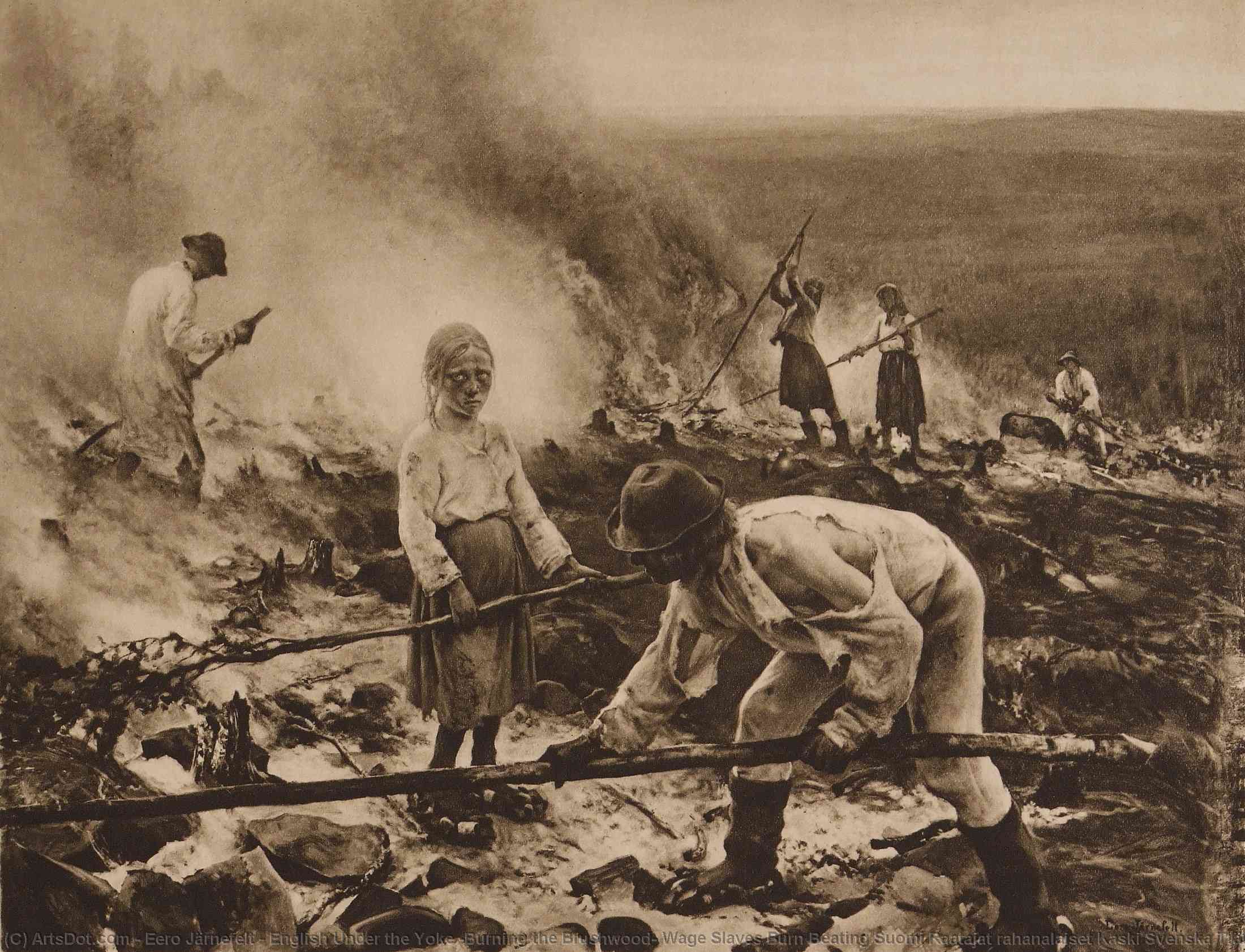
English Under the Yoke (Burning the Brushwood) Wage Slaves Burn Beating Suomi Raatajat rahanalaiset Kaski Svenska Trälar under penningen Sved Penningens slavar Kampen för tillvaron
 Oil
Oil- WallArt
- Naturalism
 1893
1893- 19th Century
 164.0 x 131.0 cm
 アテネウム美術館
 詳細を見る
詳細を見る
ジークレー/アートプリント
迅速な制作と多彩な仕上げオプションを備えた、ミュージアムクオリティのジークレーまたはキャンバスプリント。 ( 手描きの絵画を購入 画像を購入)




P118B $10

P118H $10

P118W $10

P438Z $10

P508JH $12

P508YH $12

P805H $10

P805Z $10

P919BZ $10

P919G $10

P919XJ $10

P959ZH $10

P968JZ $12

W106C $8

W218G $10

W218JH $8

W218Y $10

W307PJ $10

W316G $10

W316PJ $8

W316Y $10

W398PJ $8

W4111J $10

W500HY $15

W500JH $15

W692G $12

W849H $8

W940BG $15

W953PJ $8




作品のオリジナル比率に合わせた、当店の規定サイズからお選びください。

特定のフレームやスペースに合わせて、ご自身でサイズを指定することも可能です。選択されたサイズが元の画像の比率と一致しない場合、作品をトリミングするか、鏡面反射または単色での塗りつぶしによって画像を拡張いたします。制作を開始する前に、ご確認用のデジタルモックアップをお送りいたします。
画面上のプレビューには、実際のトリミングや拡張は反映されませんのでご注意ください。最終的な構図を正確に確認できるのは、モックアップのみとなります。
カスタムサイズも承っておりますが、元の比率を維持するためには、あらかじめ用意されたリストからサイズを選択することをお勧めいたします。


 ガラスオプションは、110cm未満のサイズでのみご利用いただけます。

English Under the Yoke (Burning the Brushwood) Wage Slaves Burn Beating Suomi Raatajat rahanalaiset Kaski Svenska Trälar under penningen Sved Penningens slavar Kampen för tillvaron
ジークレー/アートプリント
複製画のサイズ
-


合計金額
$ 62
A Somber Symphony of Toil and Resilience
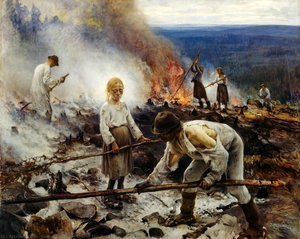
In the hauntingly evocative masterpiece English Under the Yoke (Burning the Brushwood), the Finnish master Eero Järnefelt invites us into a world defined by the raw, unyielding struggle for survival. Painted in 1893, this profound work serves as a window into the grueling reality of the late nineteenth-century working class. The scene unfolds upon a desolate, dirt-strewn landscape, where a group of figures—at least twelve souls caught in the grip of relentless labor—stand with their backs to the viewer. This deliberate choice of perspective is deeply moving; by obscuring their faces, Järnefelt strips away individual identity, transforming these people into universal symbols of the human condition under the weight of economic hardship. We do not see specific men or women, but rather the collective silhouette of a class bound by the "yoke" of wage slavery.
The composition is masterfully orchestrated to evoke a sense of heavy, atmospheric tension. As the figures engage in the arduous task of burning brushwood, the painting captures a moment of profound physical and existential exhaustion. The background, a dense and shadowy forest, looms over the scene like a silent witness to their plight, while scattered elements—a solitary chair, a pile of hay, and forgotten bottles—suggest the meager remnants of a life lived on the edge of necessity. The monochromatic palette, though presented here in a striking black and white, emphasizes the starkness of the environment, stripping the world of any distracting vibrance to focus purely on the textures of dirt, wood, and shadow.
Technically, Järnefelt demonstrates his command over naturalism and the burgeoning influences of Symbolism. His brushwork captures the gritty reality of the earth beneath the workers' feet and the flickering, uncertain light of their labor. There is a palpable weight to the atmosphere; one can almost feel the heat of the burning brushwood and the biting chill of the surrounding wilderness. This piece is not merely a depiction of manual labor; it is an exploration of the "Kampen för tillvaron"—the struggle for existence. The symbolism of the fire serves as a dual metaphor: it is both a tool for clearing the land and a destructive force that mirrors the burning desperation of those living under the crushing pressure of poverty.
For the discerning collector or interior designer, this reproduction offers more than just a visual centerpiece; it provides an emotional anchor for a space. The artwork’s profound historical gravity and its ability to command attention through quiet, somber intensity make it an ideal choice for galleries, studies, or sophisticated living areas that seek to evoke contemplation and depth. To hang this piece is to invite a conversation about resilience, the dignity of labor, and the enduring strength of the human spirit in the face of overwhelming adversity. It is a timeless testament to the Golden Age of Finnish Art, rendered with a soul-stirring clarity that continues to resonate across generations.
関連作品
![Black Circle [1913] State Russian Museum, — カジミール・マレーヴィチ, Suprematism](/media/artworks/images-thumb/62/67/6267e452b0c8476772a6511e19ce1616.jpg)
アーティストの略歴
エドヴァルド・ムンク:苦悩と美のヴィジョン
エドヴァルド・ムンク(1863年12月12日 – 1944年1月23日)は、近代美術において最も深い影響を与えた人物の一人として君臨しています。ノルウェーのレーテンに生まれた彼の生涯は、病、喪失、そして圧倒的な実存的恐怖との絶え間ない闘いによって刻まれました。これらのテーマは、彼の象徴的な絵画の織りなす模様の中に、分かちがたく組み込まれることとなります。ムンクは単なる画家ではありませんでした。彼は現代人の魂が抱く不安や不確実性を捉えた先見の明を持つ表現者であり、歪んだ形態、鮮やかな色彩、そして肌に触れるような感情的な強烈さを特徴とする独自の芸術言語を築き上げたのです。その遺産はノルウェーの枠を遥かに超え、象徴主義や表現主義といった芸術運動に多大な影響を与え、今日に至るまで観る者の心に響き続けています。幼少期と影響:影に覆われた日々
ムンクの幼少期は、決して牧歌的なものではありませんでした。彼は幼い頃に母と二人の兄弟を亡くしており、その出来事は彼の心に深い傷を残し、死、病、そして人間存在の脆さに対する生涯にわたる執着を植え付けることとなりました。敬虔なルーテル派であった父は、宗教的な厳格さが漂う環境を作り出し、一方で姉のウルリカは結核に苦しんでいました。こうした背景が、ムンクの芸術的ヴィジョンをさらに形作っていったのです。これらの初期のトラウマは、心の奥底にある不安感と、人間の精神の暗部への強い関心を燃え上がらせました。正規の美術教育は限られたものでしたが、彼は独学とクリスティアニア(現在のオスロ)のボヘミアン文化に触れることで、強固な基礎を築きました。決定的なのは、クリスチャン・クログのような人物との出会いです。彼らの存在はムンクの芸術的探求を後押しし、写実的な再現よりも主観的な経験や感情表現を優先する「象徴主義」の思想へと彼を導きました。また、フランス印象派の影響、特にキャンバスに捉えられた鮮烈な色彩の使用や、移ろいゆう瞬間を描き出す手法も、進化し続けるムンクのスタイル形成において重要な役割を果たしました。独自のスタイルの確立:象徴主義から表現主義へ
ムンクの芸術的な旅路は、絶え間ない実験と進化の連続でした。当初は象徴主義の喚起的なイメージに惹かれていましたが、次第に、より感情に満ちた、極めて個人的なスタイルへと移行していきました。それはまさに表現主義の前駆的なものでした。『病める子供』(1885-86年)や『聖母』といった初期の作品では、病、悲嘆、そして母性愛というテーマを、忘れがたい美しさとともに探求しています。しかし、彼の芸術的成果を永遠に定義することとなったのは、ある一つの体験でした。1893年、オスロを見下ろすエーケベルグの丘を歩いていた際、彼は「自然の中に巨大な叫びを聞いた」と語っています。この瞬間が、『叫び』(1893年)の誕生の契機となりました。おそらく彼の最も有名な作品であるこの絵画は、単に叫んでいる人物を描いたものではありません。それは、剥き出しの原始的な不安と実存的な苦悶を具現化したものなのです。渦巻く線、歪められた形態、そして不協和音のような色彩の使用は、内面の混乱を視覚的に表現し、現代生活の混沌に飲み込まれていく感覚を見事に捉えています。その後の『生命の舞踏』(1897-99年)や『巫女』(1893年)といった作品においても、愛、死、そして精神性というテーマは、同様に不安をかき立てるような強烈さをもって探求され続けました。主要な作品と繰り返されるテーマ
ムンクの全作品は驚くほど多岐にわたり、油彩画、版画、素描、彫刻までを含んでいます。しかし、その作品群には一貫して特定のテーマが浮かび上がります。それは、病と死の経験、圧倒的な自然の力、人間関係の複雑さ、そして蔓延する不安と疎外感です。『叫び』は彼の芸術的遺産の礎であり続けていますが、他にも『聖母』、『絶望』、『死』、『巫女』、『赤い舞踏』といった重要な作品があり、また、彼の苦悩に満察した精神を痛切に垣間見せる数多くの自画像も存在します。愛、不安、嫉妬、そして死というテーマを網羅したリトグラフ・シリーズ「生命のフリーズ」は、その表現力と心理的な深みにおいて特に際立っています。色彩の使用も常に意図的かつ象徴的です。鮮やかな赤や黄色はしばしば情熱や生命力を象徴し、一方で沈んだ青や緑は、悲しみや絶望の感情を呼び起こします。遺産と歴史的重要性
エドヴァルド・ムンクの作品は、20世紀美術の進展に深い影響を与えました。心理的なテーマに対する彼の恐れを知らぬ探求は、歪んだ形態と強烈な色彩を通じて主観的な感情を伝えようとした「表現主義」への道を切り拓きました。その影響は、エルンスト・ルートヴィヒ・キルヒナー、エミール・ノルデ、マックス・ベックマンといった芸術家たちの作品の中にも見て取ることができます。特に『叫び』は、現代の不安と疎外感の永続的なシンボルとなり、数え切れないほど複製され、大衆文化の中で引用されてきました。生前には精神的な不安定さに直面し、評価に苦しんだ時期もありましたが、ムンクの芸術的ヴィジョンは今もなお世界中の観客の心に深く響き続けています。人間の感情の複雑さをキャンバスへと翻訳する彼の能力は、美術史における極めて重要な人物としての地位を不動のものにしました。彼は、人間体験の最も暗い片隅を捉え、それを美しく、かつ深い意義を持つ永遠の作品へと昇華させた巨匠なのです。
エーロ・イェルネフェルト
1863 - 1937 , ノルウェー
基本情報
- Artistic Movement Or Style: 表現主義、象徴主義
- Artists Or Movements Influenced By This Artist: ['ドイツ表現主義']
- Artists Who Influenced This Artist:
- フィンセント・ファン・ゴッホ
- ポール・ゴーギャン
- Date Of Birth: 1863年12月12日
- Date Of Death: 1944年1月23日
- Full Name: エドヴァルド・ムンク
- Nationality: ノルウェー
- Notable Artworks:
- 叫び
- 聖母
- 処女
- 絶望
- Place Of Birth: ノルウェー、レーテン
関連記事

White on Canvas: 10 Masterpieces & Timeless Elegance for Your Home Decor
Explore 10 iconic white paintings by Monet, Whistler & Rothko! Discover the stories behind these serene masterpieces and their impact on art history. Find museum-quality reproductions for your home decor at .

Dark Masterpieces: 10 Iconic Paintings Dominated by Black Tones |
Explore 10 iconic paintings dominated by black tones, from Rembrandt’s chiaroscuro to Goya's dark expressions. Discover the stories behind these masterpieces & find museum-quality art reproductions for your home at .

Monochrome Visions: Exploring the Aesthetic & Historical Significance of Black & White Photography
Explore the rich history & artistic power of black and white photography. From early techniques to iconic masters like Ansel Adams, discover why monochrome continues to captivate art lovers today. Expert insights for collectors.
Mars Black Masterpieces: 10 Iconic Paintings & Timeless Art Decor Ideas
Delve into the power of 'Mars Black' with 10 iconic paintings by masters like Rembrandt & Caravaggio. Explore dramatic chiaroscuro, gothic art, and timeless beauty. Find museum-quality reproductions & elevate your home decor on .

The Subtleties of White: Exploring Absence, Light & Symbolism in Art History
Explore the profound symbolism & history of white in art! From ancient purity to modern abstraction, discover how artists have used absence & light. Expert insights from ArtsDot.

