

 プレビュー
プレビュー
 プリントを購入
 シェアする
シェアする シェアする
シェアする
 詳細を見る
詳細を見る

 ダウンロード
 似ている作品
 X線調査
X線調査 スライドショー
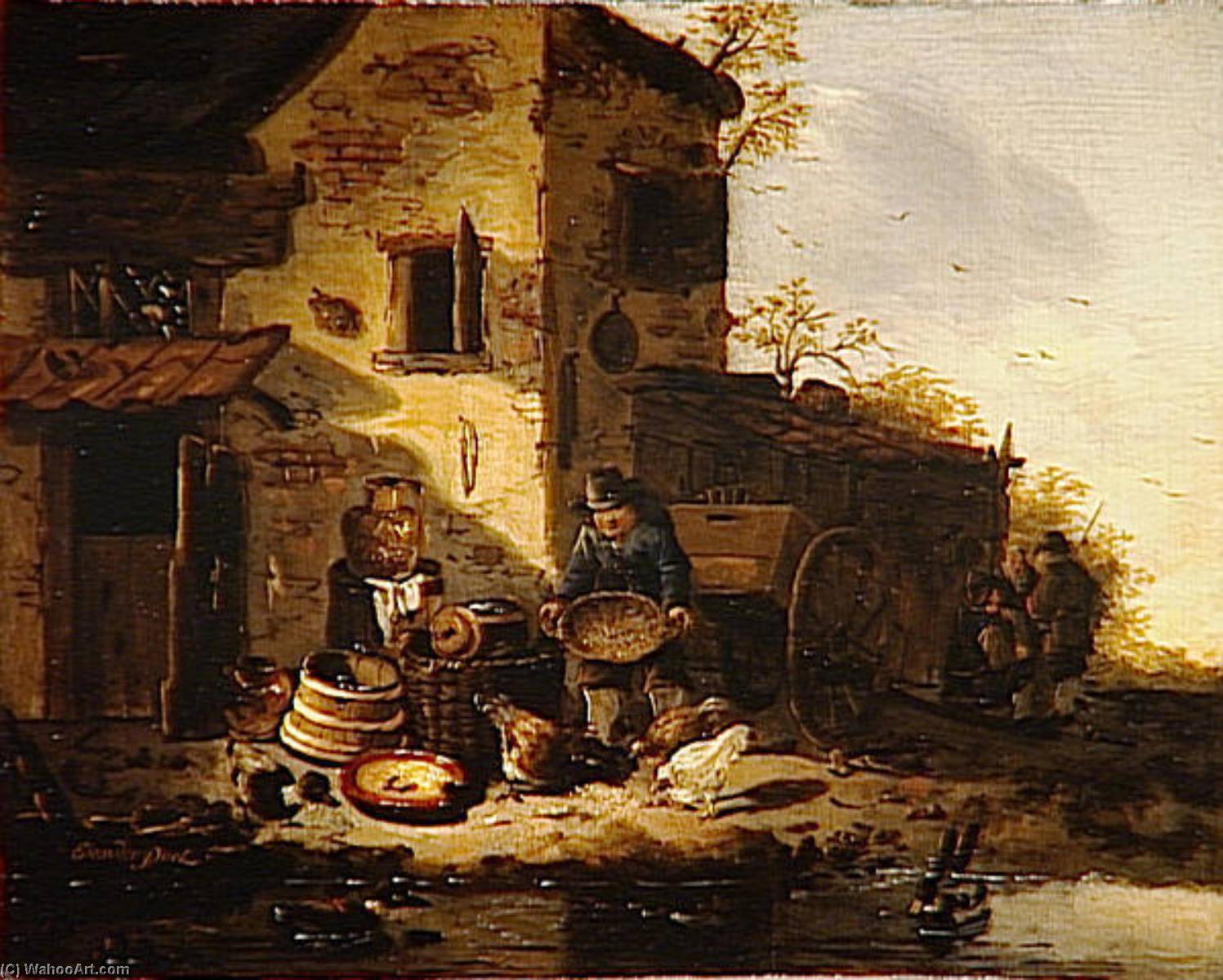
PAYSAN DONNANT A MANGER A DES POULES


 詳細を見る
詳細を見る




P118B $10

P118H $10

P118W $10

P438Z $10

P508JH $12

P508YH $12

P805H $10

P805Z $10

P919BZ $10

P919G $10

P919XJ $10

P959ZH $10

P968JZ $12

W106C $8

W218G $10

W218JH $8

W218Y $10

W307PJ $10

W316G $10

W316PJ $8

W316Y $10

W398PJ $8

W4111J $10

W500HY $15

W500JH $15

W692G $12

W849H $8

W940BG $15

W953PJ $8




作品のオリジナル比率に合わせた、当店の規定サイズからお選びください。

特定のフレームやスペースに合わせて、ご希望のサイズをご入力いただけます。選択されたサイズが元の画像の比率と異なる場合、アートワークをトリミングするか、手描きで要素を追加して絵画を拡張いたします。デジタルモックアップ を制作し、制作開始前にご確認(承認)をいただきます。
画面上のプレビューは、実際のトリミングや拡張を正確に反映しているものではありません。最終的な構図は、モックアップによってのみ正確にご確認いただけます。
カスタムサイズもご利用いただけますが、元の比率を維持するためには、あらかじめ用意されたリストからサイズを選択することをお勧めいたします。
ご注文後、ArtsDot.com チームより詳細な指示をお送りするとともに、仕上がりイメージ(モックアップ)をご提供いたします。


 ガラスオプションは、110cm未満のサイズでのみご利用いただけます。

PAYSAN DONNANT A MANGER A DES POULES
複製技法
複製画のサイズ
-


合計金額
$ 288
作品解説
A Quiet Moment in the Dutch Golden Age
In the heart of the seventeenth century, amidst the burgeoning prosperity of the Netherlands, Egbert van der Poel captured a scene that transcends the simple boundaries of rural life. “Paysan donnant à manger à des poules” (Peasant Feeding Chickens) serves as an intimate window into the soul of Delft’s Golden Age, offering much more than a mere depiction of agricultural routine. As the viewer gazes upon this masterpiece, they are transported to a sun-d'renched farmyard where time seems to slow. The painting presents a beautifully balanced composition: a weathered stone building anchors the left side of the frame, its textured surface suggesting decades of exposure to the elements, while a rustic wooden cart rests quietly to the right. In the foreground, the rhythmic motion of a peasant scattering feed creates a focal point of gentle industry, surrounded by the lively, fluttering presence of chickens.
The emotional resonance of the work lies in its profound sense of tranquility and connection to the earth. There is a meditative quality to the scene, an invitation to find beauty in the mundane and dignity in the everyday. Through the soft, organic lines of the natural world and the sturdy, angular forms of the architecture, Van der Poel establishes a harmony that speaks to the stability of rural existence. For the collector or interior designer, this piece offers a sense of groundedness; it is an artwork that breathes peace into a room, evoking a nostalgic longing for a simpler, more rhythmic way of life.
Mastery of Light and Earthly Tones
Technically, the painting is a triumph of the Delft School’s characteristic attention to detail and atmospheric light. Van der Poel, likely influenced by masters such as Aert van der Neer, demonstrates an exquisite ability to manipulate light to create depth and texture. An unseen light source from the left casts soft shadows across the scene, highlighting the weathered grain of the wood and the delicate plumage of the poultry. The artist employs a sophisticated layering technique, using visible but controlled brushstrokes that imbue the canvas with a tactile quality. One can almost feel the roughness of the stone walls and the coolness of the water reflecting the sky in the foreground.
The color palette is a masterclass in understated elegance. Dominated by earthy browns, warm ochres, and muted greys, the work avoids the distraction of garish hues, opting instead for a tonal range that enhances its sense of historical authenticity. Subtle hints of green in the foliage and soft yellows in the chickens' feathers provide just enough contrast to guide the eye through the composition without breaking the painting's overall atmosphere of quietude. This muted approach makes the artwork exceptionally versatile for high-end decor, as it complements a wide variety of interior palettes, from classical traditionalism to modern organic aesthetics.
A Legacy of Craftsmanship and Detail
To understand the depth of this work, one must consider the artist’s own lineage. Born into a family of Delft artisans, with a father who was a goldsmith, Egbert van der Poel possessed an inherent appreciation for precision and fine craftsmanship. This heritage is evident in every meticulously rendered detail, from the single wheel of the wooden cart to the way light dances upon the surface of a small pond. His training within the influential circles of the Delft School allowed him to blend landscape elements with genre painting, creating scenes that are both geographically specific and universally relatable.
Owning a high-quality reproduction of such a piece is an opportunity to bring a fragment of art history into the contemporary home. It is not merely a decoration but a conversation piece that celebrates the enduring human connection to nature and the quiet beauty of labor. Whether placed in a sunlit study or a sophisticated living space, “Paysan donnant à manger à des poules” continues to captivate, offering a timeless glimpse into a world where every small action is imbued with grace.
関連作品



アーティストの略歴
災厄の目撃者:エグベルト・ファン・デル・ポール、その生涯と芸術
エグベルト・ファン・デル・ポールという名は、オランダ黄金時代の他の巨匠たちに比べれば、おそらくそれほど広く知られているわけではありません。しかし、17世紀オランダの芸術的風景において、彼の存在は極めて重要かつ、胸を打つ切なさを湛えた場所を占めています。1621年、デルフトの職人の家に生まれた彼は、金細工師であった父を持ち、繁栄が花開く時代の高揚感と、悲劇的な大災厄という、対照的な背景の中でその生涯を歩みました。初期の修行に関する詳細は謎に包まれている部分もありますが、美術史の研究によれば、広大な風景画で知られるエサイアス・ファン・デ・フェルデや、光の情緒的な表現の達人アールト・ファン・デル・ニールの指導を受けた可能性が示唆されています。さらに、兄と信じられている画家アドリアーン・リエヴェンスズ・ファン・デル・ポールとの繋がりや、ロッテルダムでのコルネリス・サフトレーフェンによる研鑽など、多様な芸術的影響に満たされた形成期があったことが伺えます。こうした初期の経験が、細部への緻密な観察眼と、日常の静寂から予期せぬ混乱までをも捉える劇的な感性を融合させた、ファン・デルポール独自のスタイルを形作ることとなりました。風景画から哀歌へ:芸術的発展と主要なテーマ
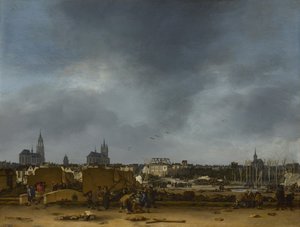
ファン・デルポールの芸術的な旅路は、当時のオランダ黄金時代において人気を博していた風景画への注力から始まりました。しかし、彼はすぐに「風俗画」――すなわち日常生活を描き出すジャンル――において、驚くべき細部へのこだわりを見せ、その才能を開花させます。初期の作品には、師と目される画家たちの繊細な影響が色濃く反映されています。ファン・デ・フェルデのパノラマ的な展望や、ファン・デル・ニールの情緒豊かな光の使い方の残響が、彼の構図の中に見て取れるのです。また、サフトレーフェンが好んだダイナミックな配置は、後にファン・デルポールの代名詞となる動きとドラマの感覚に寄与したことでしょう。1650年、彼はデルフトの聖ルカ・ギルドに風景画家として正式に登録し、芸術界における職業的な地位を確立しました。その翌年には、ロッテルダム近郊のマーススライスにてアエルトヘン・ウィレムス・ファン・リンスホーテンと結婚し、急速に変化する世界の中で、息子一人と三人の娘という家族を築き上げました。しかし、1654年にデルフトの平穏を打ち砕いたあの出来事が、彼の芸術的遺産に消えることのない刻印を残すことになります。デルフトの大爆発:凍りついた瞬間 1654年10月12日、壊滅的な爆発がデルフトを襲いました。火薬庫が爆発し、市街の大部分が瓦礫と化しました。当時、被災した地域に暮らしていたファン・デルポールは、想像を絶する惨状を目の当たりにしたのです。この出来事は、彼の芸術活動における決定的な主題となりました。このような恐怖を描くことを避ける多くの画家とは異なり、ファン・デルポールは正面からそれに向き合い、歴史的な記録であると同時に、失われた命と破壊された街への深く感動的な哀歌(エレジー)としての連作を生み出しました。彼の最も象徴的な作品とされる「デルフト火薬庫の爆発」は、その直後の光景を鮮烈に描き出しています。建物は崩れ落ち、瓦礫の中で人々が混乱し、空には煙が立ち昇る、まさに混沌そのものの情景です。これらの絵画は単なる破壊の描写ではありません。悲劇に直面した際の人間の強靭な精神(レジリエンス)を伝える、力強い証言なのです。「農場の風景」や「村の火災」といった他の作品も、一見すると異なる主題ではありますが、混乱の場面や劇的な出来事に対する彼の変わらぬ関心を示しています。
様式、意義、そして不朽の遺産
ファン・デルポールの芸術様式は、写実主義、細部への細心の注意、そして作品に厳かなトーンを与える全体的に抑えられた色彩設計によって特徴づけられます。彼は光と影を巧みに操って奥行きと情緒を生み出し、鑑賞者をそれぞれの情景の核心へと引き込みます。その構図はしばしば人物や物体をダイナミックに配置し、ドラマ性と臨場感を高めています。生前には同時代の他の画家ほど広く称賛されたわけではありませんが、ファン・デルポールの歴史的な意義は、デルフトの火薬爆発という、オランダ史における極めて重要な瞬間を独自の視点で記録した点にあります。彼の絵画は、かけがえのない視覚的記録として機能しているのです。1664年にロッテルダムで没した後も、彼の作品は今日に至るまで人々の心に響き続けています。彼の絵画は、オランダ黄金時代の世界を垣間見せてくれます。それは単なる美しさや繁栄だけでなく、その脆弱さと悲劇の可能性をも捉えています。芸術的な壮麗さの中にあっても、目撃者として存在し続けること――すなわち、時の中に失われゆくかもしれない物語を記憶し、称えることの大切さを、彼の作品は私たちに思い出させてくれるのです。- 誕生:オランダ、デルフト(1621年)
- 没年:オランダ、ロッテルダム(1664年)
- 主な画題:風俗画、風景画、デルフト火薬爆発の描写
- 影響を受けた画家:エサイアス・ファン・デ・フェルデ、アールト・ファン・デル・ニール、コルネリス・サフトレーフェン
エグベルト・ファン・デル・ポール
1621 - 1664 , オランダ
基本情報
- Artistic Movement Or Style: オランダ黄金時代
- Artists Who Influenced This Artist:
- エサイアス・ファン・デ・フェルデ
- アールト・ファン・デル・ニール
- コルネリス・サフトレーヴェン
- Date Of Birth: 1621年
- Date Of Death: 1664年
- Full Name: エグベルト・ファン・デル・ポール
- Nationality: オランダ
- Notable Artworks:
- デルフト火薬庫の爆発
- 中庭の風景
- 村の火災
- Place Of Birth: オランダ、デルフト
関連記事

黄金世紀の巨匠たち:バロック絵画が彩る10選|ArtsDot
オランダ黄金時代の10大傑作を紐解く!レンブラント、フェルメール…バロック絵画の魅力と時代背景を深く探求。ArtsDotで、至高のアートコレクションと空間演出のヒントを見つけよう。高品質なアートプリントで、お部屋を華やかに。

Golden Age Reflections: Dutch Baroque Painting & Cultural Innovation
Explore the Dutch Golden Age of painting! Discover key artists like Vermeer & ter Borch, their innovative techniques, and the rich cultural context behind these Baroque masterpieces. Learn about collecting & appreciating this iconic art period.
Genre Painting: A Window into Daily Life & Societal Values of the Dutch Golden Age
Explore the captivating world of Dutch Golden Age genre painting! Discover realistic depictions of daily life, masterful artists like Ostade & Metsu, and hidden symbolism. Learn about this influential art movement with ArtsDot.

Illuminating Innovation: Exploring the Dutch Golden Age of Painting
Explore the Dutch Golden Age of painting with ArtsDot. Discover Rembrandt, Vermeer & other Masters. Learn about key characteristics, iconic artworks, and lasting influence. Expert insights for collectors & enthusiasts.
Illuminating Realism: Exploring the Dutch Golden Age of Painting (1600-1700)
Explore the Dutch Golden Age of painting (1600-1700) with ArtsDot. Discover Rembrandt, Vermeer & other masters. Learn about techniques, history & find museum-quality reproductions.

