

 プレビュー
プレビュー
 プリントを購入
 シェアする
シェアする シェアする
シェアする
 詳細を見る
詳細を見る

 ダウンロード
 似ている作品
 X線調査
X線調査 スライドショー
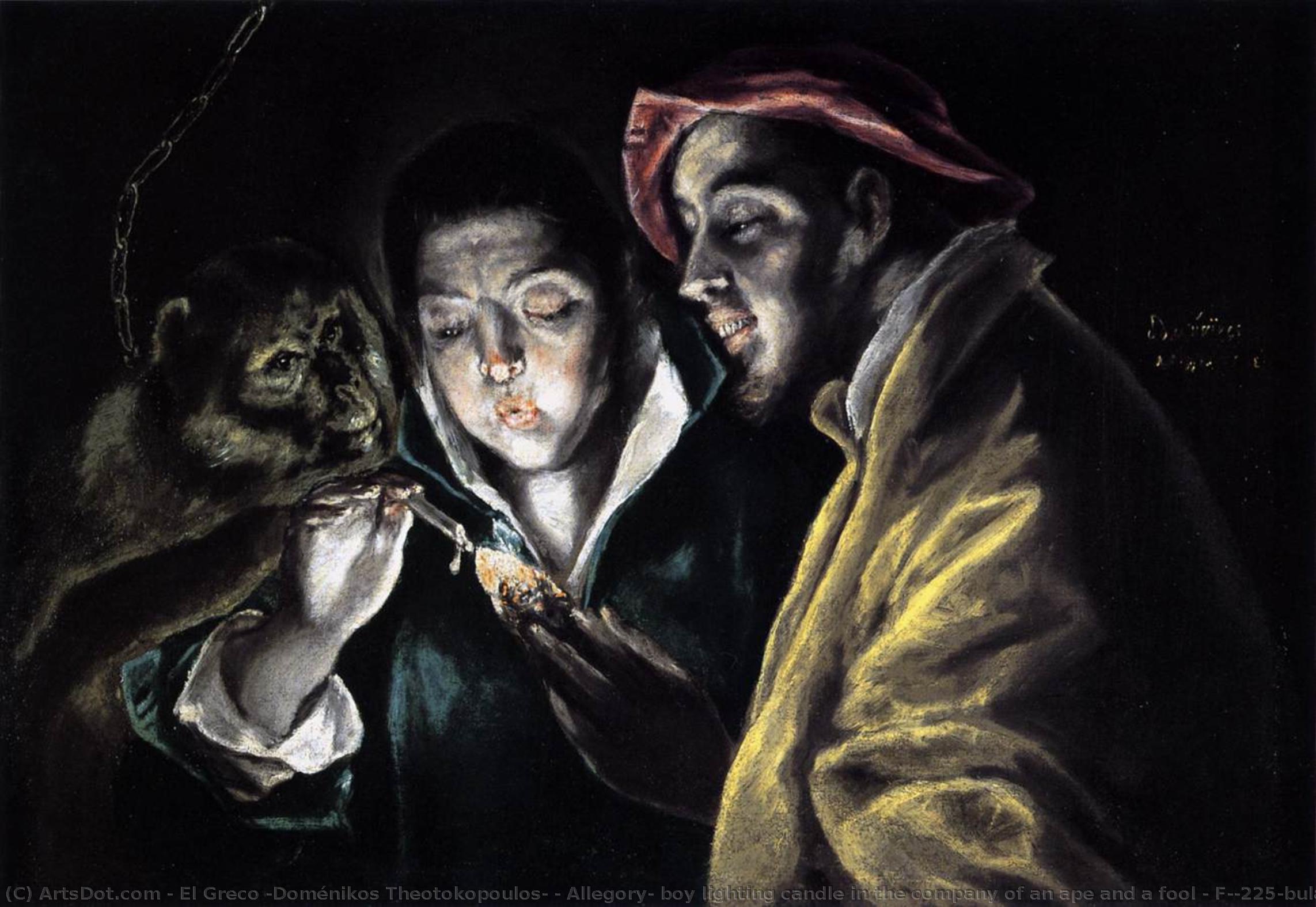
Allegory, boy lighting candle in the company of an ape and a fool - Fábula
 Oil On Canvas
- WallArt
- Mannerist Style
 1590
1590 67.0 x 89.0 cm
 スコットランド国立美術館
 詳細を見る
詳細を見る
オンラインプレビューをはるかに凌ぐ、高解像度で鮮明なデジタル画像をご購入いただけます。
各ファイルは、社内の専門家が高度なツールと熟練した手作業によるレタッチを用いて、細心の注意を払って準備されています。すべての画像において、卓越した鮮明度、正確な色彩再現性、そして繊細なディテールを保証いたします。
最終ファイルは、プロフェッショナルな編集・印刷環境ですぐにご利用いただけるよう最適化された状態で、72時間以内にメールにてお届けいたします。これは、一流のデザインスタジオ、出版社、ギャラリーから信頼されているものと同等の品質です。
デジタル画像のご注文に付随する特典
高品質なデジタル画像配信を、確かな品質で。
ArtsDot.com を選ぶことは、単に画像を手に入れることではありません。それは、プロの手によって精密に仕上げられ、満足保証が付いた高品質なデジタルアートワークを受け取ることを意味します。ご注文いただいた際に自動的に付随する内容は、以下の通りです:

メールですぐにお届け
ご注文から72時間以内に、高解像度のデジタル画像ファイルがメールでお手元に届きます。すぐにそのままご利用いただけます。

AI技術で最適化されたデジタルファイル
お客様の作品は、高度なAIツールと専門家による手作業の編集を組み合わせてプロフェッショナルに最適化されており、細部のディテール、鮮明さ、そして正確な色再現性を最大限に引き出しています。

一生涯無料の再送サービス
ファイルを誤って削除したり、紛失してしまったりしましたか?ご安心ください。いつでも無料で再送いたします。

輸入手数料は一切かかりません
関税や手数料、配送料を気にすることなく、お気に入りのアートワークをすぐにお楽しみいただけます。デジタルダウンロードは常に免税です。

色彩再現の保証
プロ仕様のツールとカラーマネジメント技術を用いることで、デジタル画像が元の色を最大限に忠実に再現することを保証いたします。

60日間満足保証
ご購入いただいたデジタル画像にご満足いただけない場合は、60日以内であれば、修正または100%の返金(理由を問う必要はありません)をさせていただきます。

100% 返金保証
ご満足いただけない場合は、デジタルファイルを受け取ってから60日以内であれば、理由を問わず全額返金いたします。

まとめ買い割引
3枚購入で10%OFF - 5枚購入で15%OFF - 10枚以上購入で20%OFF。クリエイティブなプロジェクト、ギャラリー、エージェンシーに最適です。
A Dance of Light and Shadow: El Greco’s “Allegory” – A Study in Spiritual Inquiry
El Greco's "Allegory, Boy Lighting Candle in the Company of an Ape and a Fool - Fábula," painted around 1590, is not merely a depiction of a scene; it’s a profound meditation on enlightenment, folly, and the precarious balance between knowledge and ignorance. Born Doménikos Theotokópoulos on the island of Crete, El Greco's artistic journey was marked by a restless spirit and an unwavering commitment to expressing spiritual truths through a uniquely personal style. This particular work, executed during his time in Toledo, Spain, exemplifies this perfectly – a dramatic fusion of Byzantine tradition with the burgeoning Mannerist movement, resulting in an image that continues to resonate centuries later.
The painting immediately commands attention with its masterful use of *tenebrism*, a technique pioneered by Caravaggio and powerfully employed here. A stark contrast between intensely illuminated figures and enveloping darkness dominates the composition. The central trio – a young boy, an ape, and a woman whose head resembles that of a lion – is bathed in the golden light emanating from the candle he holds aloft. This light isn’t simply illumination; it's a beacon of hope, a symbol of divine grace attempting to pierce through the shadows of human error. The dark background doesn’t represent emptiness but rather amplifies the drama and suggests an unseen world, perhaps representing the realm of temptation or the consequences of straying from the path of righteousness.
Decoding the Symbols: A Tapestry of Allegory
The figures themselves are laden with symbolic weight. The boy, poised to light the candle, embodies nascent understanding – a potential for enlightenment struggling to emerge. The ape, often associated with folly and immaturity, represents the pitfalls of unguided instinct and irrationality. Its posture suggests a playful yet ultimately destructive engagement with the flame. Crucially, the woman with the lion’s head is perhaps the most enigmatic element. Lion imagery frequently symbolizes strength, but here, combined with a human face, it likely signifies folly – a deceptive appearance masking ignorance or a willful blindness to truth. Some scholars interpret her as representing “sophistry,” the art of using clever arguments to mislead and obscure genuine knowledge.
The triangular composition, anchored by the boy and supported by the figures below, reinforces this dynamic. It’s a visual representation of a spiritual ascent, with the candle acting as the guiding star. The close proximity of the figures intensifies the sense of intimacy and underscores the urgency of the allegory – a direct confrontation with the forces that threaten to extinguish the flame of wisdom.
El Greco's Mannerist Vision: Brushstrokes and Emotion
El Greco’s distinctive style is immediately recognizable in this painting. His loose, expressive brushwork creates a palpable sense of movement and energy, as if the scene is caught in a fleeting moment of intense contemplation. The figures are elongated and distorted, characteristic of Mannerism, yet they retain an underlying humanity – a testament to El Greco's profound understanding of human emotion. Notice how he doesn’t strive for photographic realism; instead, he prioritizes conveying feeling and spiritual truth through the manipulation of form and color.
The palette is dominated by warm earth tones—rich browns, deep reds, and vibrant yellows—contrasted sharply with the cool blacks and greens that define the shadows. The candle’s brilliant yellow-orange light acts as a powerful focal point, drawing the viewer's eye and illuminating the faces of the figures, revealing their expressions of curiosity, apprehension, or perhaps even defiance. The texture is deliberately rough and painterly, achieved through layers of thick paint applied with broad strokes – a technique that adds depth and visual interest to the composition.
A Timeless Resonance: Reproduction and Beyond
"Allegory, Boy Lighting Candle in the Company of an Ape and a Fool - Fábula" is more than just a beautiful painting; it’s a powerful statement about the human condition. ArtsDot offers meticulously crafted hand-painted reproductions that capture the essence of this iconic work, allowing you to bring its dramatic beauty and profound symbolism into your home or office. These reproductions are created using archival quality materials and techniques, ensuring their longevity and preserving the rich detail and vibrant colors of El Greco’s original masterpiece. Whether you're an art enthusiast, a collector seeking a unique addition to your collection, or simply someone drawn to the evocative power of this timeless allegory, a ArtsDot reproduction offers a stunning way to experience the genius of El Greco.
関連作品
作家の略歴
ドメニコス・テオトコポロス、エル・グレコ:魂を揺さぶる光と色彩の画家
1541年、クレタ島で生まれたドメニコス・テオトコポロス。彼は後に「エル・グレコ」(ギリシャ人)という愛称で知られるようになり、スペイン絵画史における最も重要な芸術家の一人として、その名を歴史に刻みました。彼の生涯は、信仰と情熱、そして革新的な芸術的探求の軌跡であり、東方正教の伝統、ヴェネツィア美術の影響、そしてスペインのカウンター・リフォールメーションという三つの要素が複雑に絡み合い、唯一無二の世界観を形作りました。エル・グレコは自身の作品にギリシャ語で署名し、「Krḗs」(クレタ人)を添えることで、自らのルーツへの誇りを表明しました。彼の芸術的旅路は、単なる技術の習得にとどまらず、精神的な探求であり、その結果として生まれた作品は、表現主義やキュビスムといった後の芸術運動に先駆けるものでした。ヴェネツィアとローマ:様式形成への道
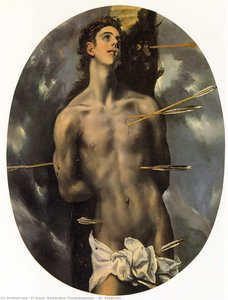
16世紀後半、エル・グレコはヴェネツィアへと旅立ちました。そこで彼はティツィアーノ、ティントレット、ヴェローネーゼといった巨匠たちの作品に触れ、色彩、構図、劇的な光の扱い方を学びました。このヴェネツィアでの経験は、彼の初期の作品、『聖セバスティアヌス』(1600年)に見ることができます。解剖学的な描写と、まるで演劇のような光と影の効果が融合し、新たな表現を生み出しています。その後、ローマへと移り、マニエリスムの影響を受けます。この様式は、長く歪んだ人物像、遠近法の歪み、洗練された構成を特徴としています。しかし、エル・グレコは競争の激しいローマのアートシーンで広く認められることはありませんでした。トレドへの定住:独自の芸術世界の確立
1577年、エル・グレコはスペインのトレドに落ち着きました。この都市はカウンター・リフォールメーションの中心地であり、宗教的な熱気が高まる中で、彼は重要なパトロンからの依頼を受け、代表作を数多く生み出しました。『オルガス伯の埋葬』(1586年-1588年)はその中でも傑出した作品です。この絵画は、奇跡的な出来事—すなわち、聖人たちが信心深い貴族の埋葬に降りてくる様子を描いています。現実的な人物描写と、神が介入する様子を象徴する長く歪んだ姿の聖人たちの表現が融合し、見る者を魅了します。トレドでのエル・グレコは、肖像画家として、また家庭用の宗教画や、重要な家族の祭壇装飾の制作を通して、独自の顧客層を開拓しました。光と色彩による精神性の表現
エル・グレコの芸術的特徴は、その劇的な様式にあります。人物たちはしばしば長く歪んだ姿で描かれ、その表情や身振り手振りは、霊的な陶酔感や深い苦悩を伝えます。これは単なる装飾ではなく、目に見えないもの、表面の奥にある感情や精神的な現実を描き出そうとする試みです。彼は色彩を巧みに用い、必ずしも写実的な色とは限りませんが、鮮やかで非日常的な色調を用いることで、作品に感情的なインパクトを与えています。劇的な光と影のコントラストは、まるで演劇のような効果を生み出し、見る者を画面の中心へと引き込みます。『聖セバスティアヌス』や『オルガス伯の埋葬』に見られるように、彼の作品は、東方正教の伝統、イタリア・ルネサンスの技術、そしてスペインの宗教的熱情が融合した独特の世界観を表現しています。後世への影響と再評価
エル・グレコは生前にも一定の成功を収めましたが、1614年の死後、彼の作品は比較的忘れ去られてしまいました。何世紀もの間、彼は異端的な画家として見なされ、その芸術的価値は十分に認められませんでした。しかし20世紀に入り、ピカソやブラックといった芸術家たちが、彼の作品に先駆性を見出し、現代美術への影響を認識しました。表現主義者たちは、彼の大胆な色彩と劇的な構図からインスピレーションを得ました。今日、エル・グレコは西洋美術史における最も重要な人物の一人として称賛されています。彼の作品は単なる宗教的場面の描写ではなく、魂への窓であり、信仰の力、そして人間の精神が超越性を達成する可能性を証言するものなのです。代表的な作品
- オルガス伯の埋葬:彼の最高傑作とも称される、現実主義と霊的な強烈さが融合した壮大な作品
- トレドの眺望:渦巻くような大気の中で描かれた都市のドラマチックな風景画。その本質を、まるで予言者のように捉えています。
- 第五印の開封:黙示録に触発されたシリーズの一部であり、彼の終末論的なビジョンと劇的な構成を象徴しています。
- 聖セバスティアヌス:解剖学的な詳細と劇的な光の効果が融合した、力強い聖人の描写
- キリストの皮剥ぎ:ヴェネツィアの影響と、色彩と光のドラマチックな使用法を示す初期の作品
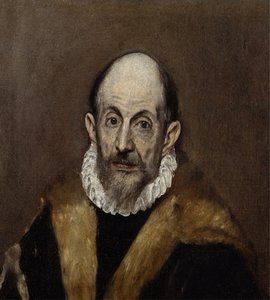
エル・グレコ
1541 - 1614 , ギリシャ
プロフィール概要
- フルネーム: ドメニコス・テオトコポロス
- 主な作品:
- オルガス伯の埋葬
- トレドの眺望
- エル・エスポリオ
- 聖セバスティアノ
- 出身地: クレタ島(ギリシャ)
- 国籍: ギリシャ・スペイン
- 影響を与えた芸術家または運動:
- 表現主義
- キュビスム
- 影響を受けたアーティスト:
- ティツィアーノ
- ティントレット
- 死亡年月日: 1614年4月7日
- 生年月日: 1541年10月1日
- 芸術運動またはスタイル: マニエリスム、バロック

