 プレビュー
プレビュー
 シェアする
シェアする シェアする
シェアする
 詳細を見る
詳細を見る

 ダウンロード
 似ている作品
 X線調査
X線調査 スライドショー
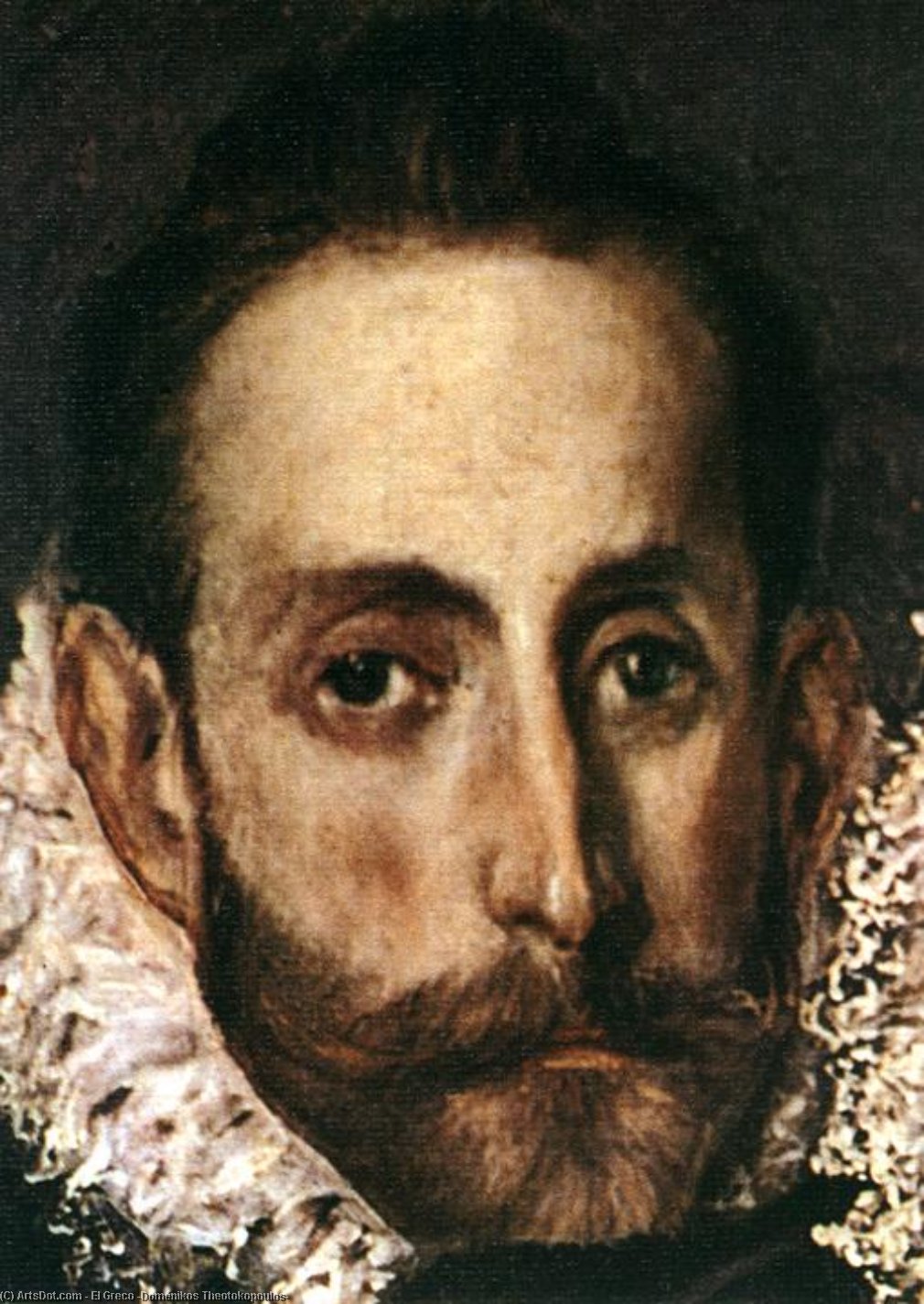
The Burial of the Count of Orgaz (detail)


 詳細を見る
詳細を見る
ジークレー/アートプリント
迅速な制作と多彩な仕上げオプションを備えた、ミュージアムクオリティのジークレーまたはキャンバスプリント。 ( 手描きの絵画を購入 画像を購入)




P118B $10

P118H $10

P118W $10

P438Z $10

P508JH $12

P508YH $12

P805H $10

P805Z $10

P919BZ $10

P919G $10

P919XJ $10

P959ZH $10

P968JZ $12

W106C $8

W218G $10

W218JH $8

W218Y $10

W307PJ $10

W316G $10

W316PJ $8

W316Y $10

W398PJ $8

W4111J $10

W500HY $15

W500JH $15

W692G $12

W849H $8

W940BG $15

W953PJ $8




作品のオリジナル比率に合わせた、当店の規定サイズからお選びください。

特定のフレームやスペースに合わせて、ご自身でサイズを指定することも可能です。選択されたサイズが元の画像の比率と一致しない場合、作品をトリミングするか、鏡面反射または単色での塗りつぶしによって画像を拡張いたします。制作を開始する前に、ご確認用のデジタルモックアップをお送りいたします。
画面上のプレビューには、実際のトリミングや拡張は反映されませんのでご注意ください。最終的な構図を正確に確認できるのは、モックアップのみとなります。
カスタムサイズも承っておりますが、元の比率を維持するためには、あらかじめ用意されたリストからサイズを選択することをお勧めいたします。


 ガラスオプションは、110cm未満のサイズでのみご利用いただけます。

The Burial of the Count of Orgaz (detail)
ジークレー/アートプリント
複製画のサイズ
-


合計金額
$ 62
A Moment Frozen in Faith: El Greco’s ‘The Burial of the Count of Orgaz’ – A Detailed Exploration
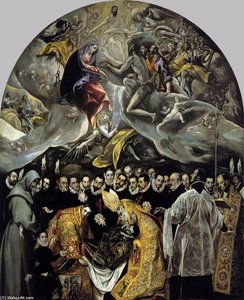
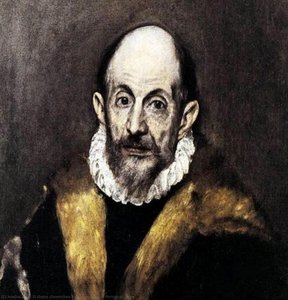
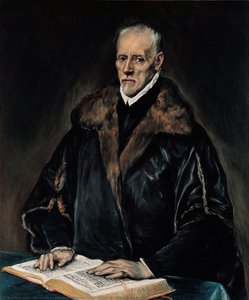
El Greco's “The Burial of the Count of Orgaz” is not merely a depiction of a historical event; it’s an immersive experience, a profound meditation on faith, mortality, and the transformative power of spiritual encounter. Painted in 1586, this monumental work, particularly when viewed in detail as we are here to examine, transcends the boundaries of traditional religious painting, plunging us directly into the emotional core of the scene. The image presented – a man with a distinguished bearing, his face etched with solemnity and a hint of profound peace – is but one facet of a larger narrative, a carefully constructed tableau designed to evoke awe and contemplation.
The painting’s genesis lies in a remarkable true story: Pedro de Orgaz, a wealthy nobleman, suffered a near-fatal illness. During his delirium, he experienced a series of intense visions – the Virgin Mary, St. Peter, St. John, and even Christ himself appeared to him, offering solace and guidance. Upon recovering, Orgaz vowed to dedicate his life to piety and charity, establishing numerous hospitals and almshouses. The painting captures the moment of his burial after a life devoted to these noble pursuits. El Greco’s genius lies not just in faithfully rendering this event but in imbuing it with an almost unbearable intensity of feeling.
The Dance of Form and Color: El Greco's Unique Style
El Greco, born Doménikos Theotokópoulos on Crete, developed a style utterly distinct from his contemporaries. Trained in the Byzantine tradition – evident in the rich, luminous colors and meticulous detail – he ultimately forged a path characterized by elongated figures, dramatic diagonals, and an expressive use of color. In “The Burial,” this is particularly striking. The figures are not rendered with realistic proportions; instead, they possess a heightened sense of dynamism and spiritual weight. Notice how the folds of their garments seem to flow and ripple, contributing to the overall feeling of movement and drama. His palette leans heavily on deep reds, blues, and golds – colors traditionally associated with royalty, divinity, and sacrifice – creating a visual richness that amplifies the painting’s emotional impact.
The artist's technique is equally remarkable. He employs a layering of paint, building up textures and surfaces to create an almost sculptural effect. The use of *sfumato*, a subtle blurring of outlines, further enhances the sense of depth and atmosphere. This deliberate manipulation of form and color isn’t simply decorative; it serves to convey the spiritual intensity of the scene, suggesting that Orgaz's experience transcends the limitations of earthly perception.
Symbolism Woven into the Narrative
“The Burial” is replete with symbolic elements. The Count of Orgaz himself, depicted in a state of serene acceptance, represents the ultimate triumph of faith over adversity. The figures surrounding him – St. Peter, St. John, and the Virgin Mary – are not merely witnesses to his death but active participants in his spiritual journey. Their gestures and expressions convey a sense of profound reverence and compassion. The placement of Orgaz’s body, carefully positioned within the composition, draws the viewer's eye and reinforces the central theme of resurrection and eternal life.
- The Virgin Mary: Represents divine grace and maternal comfort.
- St. Peter & St. John: Symbolize earthly authority and spiritual guidance.
- The Open Grave: A potent symbol of death and the transition to the afterlife.
- The Light Source (Above): Suggests divine illumination and hope.
A Timeless Resonance: Emotional Impact and Reproduction
El Greco’s “The Burial of the Count of Orgaz” continues to resonate with viewers centuries after its creation. Its emotional intensity, coupled with its masterful technique, makes it a truly unforgettable work of art. When reproduced on high-quality canvas using archival inks, as offered by ArtsDot.com, this painting retains its power and beauty. The meticulous attention to detail ensures that every nuance of El Greco’s original vision is faithfully captured, allowing you to experience the profound spirituality of this iconic masterpiece in your own home or office. A reproduction offers a unique opportunity to engage with a work of art that has captivated audiences for generations – a testament to El Greco's enduring legacy and his ability to capture the essence of the human spirit.
関連作品
アーティストの略歴
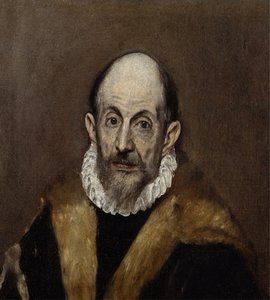
ドメニコス・テオトコポロス、エル・グレコ:魂を揺さぶる光と色彩の画家
1541年、クレタ島で生まれたドメニコス・テオトコポロス。彼は後に「エル・グレコ」(ギリシャ人)という愛称で知られるようになり、スペイン絵画史における最も重要な芸術家の一人として、その名を歴史に刻みました。彼の生涯は、信仰と情熱、そして革新的な芸術的探求の軌跡であり、東方正教の伝統、ヴェネツィア美術の影響、そしてスペインのカウンター・リフォールメーションという三つの要素が複雑に絡み合い、唯一無二の世界観を形作りました。エル・グレコは自身の作品にギリシャ語で署名し、「Krḗs」(クレタ人)を添えることで、自らのルーツへの誇りを表明しました。彼の芸術的旅路は、単なる技術の習得にとどまらず、精神的な探求であり、その結果として生まれた作品は、表現主義やキュビスムといった後の芸術運動に先駆けるものでした。ヴェネツィアとローマ:様式形成への道
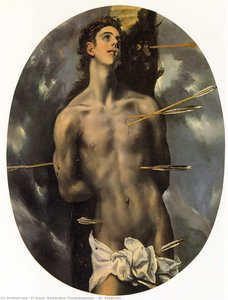
16世紀後半、エル・グレコはヴェネツィアへと旅立ちました。そこで彼はティツィアーノ、ティントレット、ヴェローネーゼといった巨匠たちの作品に触れ、色彩、構図、劇的な光の扱い方を学びました。このヴェネツィアでの経験は、彼の初期の作品、『聖セバスティアヌス』(1600年)に見ることができます。解剖学的な描写と、まるで演劇のような光と影の効果が融合し、新たな表現を生み出しています。その後、ローマへと移り、マニエリスムの影響を受けます。この様式は、長く歪んだ人物像、遠近法の歪み、洗練された構成を特徴としています。しかし、エル・グレコは競争の激しいローマのアートシーンで広く認められることはありませんでした。トレドへの定住:独自の芸術世界の確立
1577年、エル・グレコはスペインのトレドに落ち着きました。この都市はカウンター・リフォールメーションの中心地であり、宗教的な熱気が高まる中で、彼は重要なパトロンからの依頼を受け、代表作を数多く生み出しました。『オルガス伯の埋葬』(1586年-1588年)はその中でも傑出した作品です。この絵画は、奇跡的な出来事—すなわち、聖人たちが信心深い貴族の埋葬に降りてくる様子を描いています。現実的な人物描写と、神が介入する様子を象徴する長く歪んだ姿の聖人たちの表現が融合し、見る者を魅了します。トレドでのエル・グレコは、肖像画家として、また家庭用の宗教画や、重要な家族の祭壇装飾の制作を通して、独自の顧客層を開拓しました。光と色彩による精神性の表現
エル・グレコの芸術的特徴は、その劇的な様式にあります。人物たちはしばしば長く歪んだ姿で描かれ、その表情や身振り手振りは、霊的な陶酔感や深い苦悩を伝えます。これは単なる装飾ではなく、目に見えないもの、表面の奥にある感情や精神的な現実を描き出そうとする試みです。彼は色彩を巧みに用い、必ずしも写実的な色とは限りませんが、鮮やかで非日常的な色調を用いることで、作品に感情的なインパクトを与えています。劇的な光と影のコントラストは、まるで演劇のような効果を生み出し、見る者を画面の中心へと引き込みます。『聖セバスティアヌス』や『オルガス伯の埋葬』に見られるように、彼の作品は、東方正教の伝統、イタリア・ルネサンスの技術、そしてスペインの宗教的熱情が融合した独特の世界観を表現しています。後世への影響と再評価
エル・グレコは生前にも一定の成功を収めましたが、1614年の死後、彼の作品は比較的忘れ去られてしまいました。何世紀もの間、彼は異端的な画家として見なされ、その芸術的価値は十分に認められませんでした。しかし20世紀に入り、ピカソやブラックといった芸術家たちが、彼の作品に先駆性を見出し、現代美術への影響を認識しました。表現主義者たちは、彼の大胆な色彩と劇的な構図からインスピレーションを得ました。今日、エル・グレコは西洋美術史における最も重要な人物の一人として称賛されています。彼の作品は単なる宗教的場面の描写ではなく、魂への窓であり、信仰の力、そして人間の精神が超越性を達成する可能性を証言するものなのです。代表的な作品
- オルガス伯の埋葬:彼の最高傑作とも称される、現実主義と霊的な強烈さが融合した壮大な作品
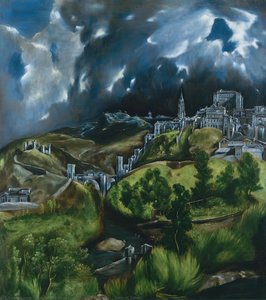
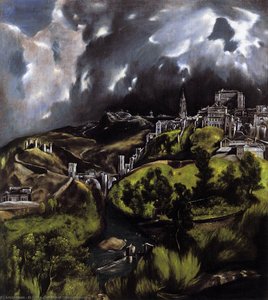
- トレドの眺望:渦巻くような大気の中で描かれた都市のドラマチックな風景画。その本質を、まるで予言者のように捉えています。
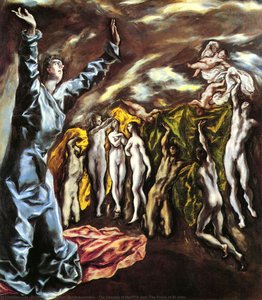
- 第五印の開封:黙示録に触発されたシリーズの一部であり、彼の終末論的なビジョンと劇的な構成を象徴しています。
- 聖セバスティアヌス:解剖学的な詳細と劇的な光の効果が融合した、力強い聖人の描写
- キリストの皮剥ぎ:ヴェネツィアの影響と、色彩と光のドラマチックな使用法を示す初期の作品
エル・グレコ
1541 - 1614 , ギリシャ
基本情報
- フルネーム: ドメニコス・テオトコポロス
- 主な作品:
- オルガス伯の埋葬
- トレドの眺望
- エル・エスポリオ
- 聖セバスティアノ
- 出身地: クレタ島(ギリシャ)
- 国籍: ギリシャ・スペイン
- 影響を与えた芸術家または運動:
- 表現主義
- キュビスム
- 影響を受けたアーティスト:
- ティツィアーノ
- ティントレット
- 死亡年月日: 1614年4月7日
- 生年月日: 1541年10月1日
- 芸術運動またはスタイル: マニエリスム、バロック
関連記事

エル・グレコの傑作25選:魂を揺さぶる宗教画と芸術の深淵 | ArtsDot
エル・グレコの傑作25選:魂を揺さぶる宗教画の世界へ。スペイン絵画の巨匠、マニエリスム様式と Toledo の光彩を紐解きます。ArtsDot.com で名画のアートプリントや複製画をお楽しみください。コレクションはこちら →
El Greco: Spirituality, Style & Innovation – A Renaissance Master's Legacy
Explore the captivating world of El Greco! Discover his unique style, spiritual intensity, and lasting impact on art history. Learn about this Renaissance master's life, iconic paintings & legacy.
プラド美術館の至宝25選:名画が語るスペイン美術史 | ArtsDot
プラド美術館の至宝25選🎨 ベルラスケス、ゴヤの名画を紐解き、スペイン美術史を旅する。油絵、バロック、印象派…ArtsDotで高品質な複製画とインテリアアートを見つけよう。名画の世界をあなたの空間に✨ Explore the full collection online!
José Gutiérrez Solana: A Chronicle of Spanish Society Through Expressionist Vision
Explore the captivating world of José Gutiérrez Solana, a pivotal Spanish Expressionist painter. Discover his haunting depictions of early 20th-century Spain, influenced by Goya & El Greco. Learn about his key works and lasting legacy.
Lamp Black & Masterpieces: 10 Paintings That Define Shadow & Light |
Delve into the captivating world of 'Lamp Black' tones with 10 iconic paintings by masters like Rembrandt & Caravaggio. Explore Baroque chiaroscuro, dramatic lighting & shadow in art history. Find museum-quality reproductions at