 プレビュー
プレビュー
 プリントを購入
 シェアする
シェアする シェアする
シェアする
 詳細を見る
詳細を見る

 ダウンロード
 似ている作品
 X線調査
X線調査 スライドショー
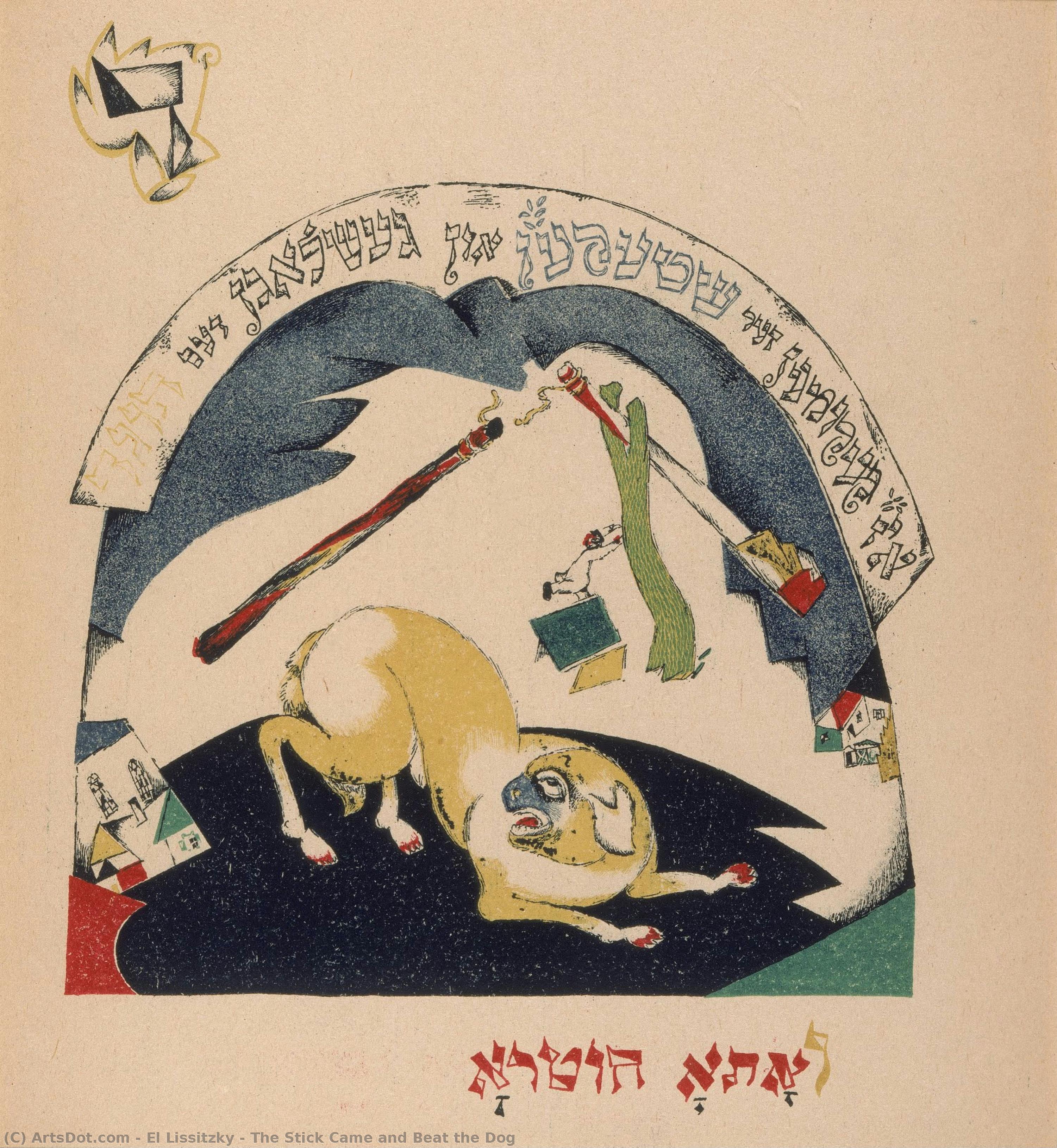
The Stick Came and Beat the Dog
 Paper
Paper- WallArt
- Surrealist Expression
 1919
1919- Modern
 40.0 x 35.0 cm
 The Jewish Museum
 詳細を見る
詳細を見る




P118B $10

P118H $10

P118W $10

P438Z $10

P508JH $12

P508YH $12

P805H $10

P805Z $10

P919BZ $10

P919G $10

P919XJ $10

P959ZH $10

P968JZ $12

W106C $8

W218G $10

W218JH $8

W218Y $10

W307PJ $10

W316G $10

W316PJ $8

W316Y $10

W398PJ $8

W4111J $10

W500HY $15

W500JH $15

W692G $12

W849H $8

W940BG $15

W953PJ $8




作品のオリジナル比率に合わせた、当店の規定サイズからお選びください。

特定のフレームやスペースに合わせて、ご希望のサイズをご入力いただけます。選択されたサイズが元の画像の比率と異なる場合、アートワークをトリミングするか、手描きで要素を追加して絵画を拡張いたします。デジタルモックアップ を制作し、制作開始前にご確認(承認)をいただきます。
画面上のプレビューは、実際のトリミングや拡張を正確に反映しているものではありません。最終的な構図は、モックアップによってのみ正確にご確認いただけます。
カスタムサイズもご利用いただけますが、元の比率を維持するためには、あらかじめ用意されたリストからサイズを選択することをお勧めいたします。
ご注文後、ArtsDot.com チームより詳細な指示をお送りするとともに、仕上がりイメージ(モックアップ)をご提供いたします。


 ガラスオプションは、110cm未満のサイズでのみご利用いただけます。

The Stick Came and Beat the Dog
複製技法
複製画のサイズ
-


合計金額
$ 263
A Surreal Echo of Tradition: The Haunting Vision of El Lissitzky
In the quiet, unsettling depths of El Lissitzky’s 1919 masterpiece, "The Stick Came and Beat the Dog," viewers are invited into a world where cultural memory and avant-garde experimentation collide. This evocative work serves as a profound testament to the intersection of surrealist exploration and deeply rooted Jewish heritage. At its heart, the painting draws inspiration from the traditional Hebrew song "Had Gadya," a narrative central to the Passover Seder that recounts a cascading series of misfortunes. Through this lens, Lissitzky does not merely illustrate a folk tale; he reimagicines it, utilizing the dreamlike, often illogical juxtapositions characteristic of surrealism to destabilize the viewer's sense of security and confront the unsettling realities hidden beneath a deceptively calm surface.
The composition is a masterclass in symbolic layering. The central figure—a dog with its head bowed toward the ground—radiates a palpable sense of distress and vulnerability. Scattered throughout this somber scene are objects that seem to exist in a state of suspended animation: a book lying near the animal's head, a solitary cup, and a bottle positioned toward the periphery. These elements are not merely decorative; they act as fragments of a disrupted narrative, much like the way the "Had Gadya" song progresses through a series of escalating interruptions. The presence of these mundane items within such a surrealist landscape creates an intriguing visual tension, prompting collectors and art enthusiasts to decode the deeper, more melancholic meanings embedded in each placement.
Technique, Texture, and the Fragility of Memory
Lissitzky’s choice of medium—the delicate and ephemeral nature of paper—is a stroke of genius that reinforces the painting's thematic core. The very texture of the work serves as a metaphor for impermanence and the fragility of life. By employing a meticulous layering technique, the artist achieves an ethereal, almost ghostly quality that captures the distressing essence of the Passover narrative. There is a deliberate flatness to the composition that creates a profound sense of stillness, yet this quietude is brilliantly interrupted by the dynamic suggestion of movement conveyed through the scattered objects. This calculated disruption ensures that the emotional impact remains heightened, even in its most silent moments.
For the discerning interior designer or art collector, this piece offers more than just visual interest; it provides a profound emotional anchor for a space. The artwork’s ability to balance historical weight with modern abstraction makes it a versatile choice for sophisticated environments. Whether placed in a gallery-style setting or as a focal point in a curated living space, "The Stick Came and Beat the Dog" invites contemplation and conversation. It is a work that demands attention not through loud colors or aggressive forms, but through its haunting ability to resonate with the human experience of loss, tradition, and the enduring power of storytelling.
関連作品
アーティストの略歴
ラザール・マルコーヴィチ・リシツキー:抽象と革命の架橋
1890年、ロシアのポチーノク村に生まれたラザール・マルコーヴィチ・リシツキー(エル・リシツキーとして知られる)は、20世紀初頭のアバンギャルド美術において、革新的な思想と大胆な表現でその名を刻んだ芸術家である。当初は建築と工学を志していた彼は、ユダヤ人学生に対する制限によりその道が閉ざされた後、芸術へと転身。初期にはユダヤの民俗伝承に根差したイラストレーションを手掛けたが、ベルリンやダルムشتでの経験を経て、ロシア革命後の情勢の中で独自の芸術的表現を確立していくことになる。彼の作品は単なる絵画にとどまらず、グラフィックデザイン、タイポグラフィ、写真、建築など多岐にわたり、芸術と社会を結びつける架け橋となった。Suprematism と Proun:空間の探求
リシツキーの芸術的転換点となったのは、カジミール・マレーヴィチとの出会いと Suprematism(至上主義)への傾倒である。物質的な世界からの脱却を目指し、純粋な幾何学的抽象に焦点を当てたこの運動は、リシツキーの芸術観を根底から揺さぶった。彼はUNOVISグループの中心人物として、Suprematismの理念を積極的に広めながらも、独自の進化を遂げる。そして、Suprematismと構成主義を融合させた Proun(プロジェクト・フォー・ラディカル・コンストラクション)シリーズを生み出したのである。Prounは単なる絵画ではなく、空間関係や幾何学的形態を探求する実験的な試みであり、建築図面や爆発図面のようにも見える。それは、芸術が新たな現実を構築する力を持つというリシツキーの信念を体現したものであり、彼の工学的な背景から生じた構造的な論理が作品に深みを与えている。革命とデザイン:社会への貢献
リシツキーは芸術が社会的な目的を果たすべきだと強く信じており、積極的に政治的イデオロギーと関わり、デザインを通じて日常生活に浸透しようとした。この信念から、彼はソビエト連邦のプロパガンダ活動に深く関わり、革命への支持を呼びかける力強いポスターやグラフィックデザインを制作した。特に1941年の戦車建設を訴えるポスターは、その緊迫感とインパクトで知られている。プロパガンダ活動に加え、リシツキーはタイポグラフィ、展示デザイン、フォトモンタージュといった分野においても革新をもたらした。効果的なコミュニケーションには斬新な視覚戦略が必要であると考え、新しい技法を積極的に試み、そのメッセージを力強く伝えた。彼のフォトモンタージュ作品『構成者』(1924年)は、写真と幾何学的抽象を融合させた自己肖像画であり、アイデンティティと社会における芸術家の役割について複雑な考察を提示している。文化大使:構成主義の理念を世界へ
リシツキーの影響力はロシア国内に留まらず、ヨーロッパ各地へと広がった。彼はソビエト美術の文化大使として活躍し、構成主義の理念を西欧、特にドイツへと広めた。彼の革新的な展示デザインは、従来のギャラリー空間を超え、鑑賞者を積極的に巻き込む没入型の環境を作り出した。これらの展示は単なる作品の展示ではなく、思考を刺激し行動を喚起することを目的とした、緻密に構築された体験だった。彼の仕事はバウハウスやDe Stijl運動に大きな影響を与え、幾何学的抽象、機能主義、社会的な責任という理念に基づいた芸術家やデザイナーたちに多大なインスピレーションを与えた。彼はクルト・シュヴィターズやテオ・ファン・ドゥースブルグといった芸術家との交流を通じて、東西文化の相互作用を促進し、時代の芸術的景観を豊かにした。遺産と現代への影響
1941年、モスクワでその生涯を閉じたリシツキーだが、彼の遺産は今日に至るまで色褪せることなく輝き続けている。彼は芸術と建築、抽象と社会的目的を結びつけ、知的な刺激と視覚的な魅力を兼ね備えた作品群を残した。2014年に設立されたリシツキー財団は、彼の芸術的遺産を保存し、包括的な『全版画カタログ』を作成することに尽力している。彼のタイポグラフィ、展示デザイン、フォトモンタージュにおける革新性は、現代のアーティストやデザイナーたちにもインスピレーションを与え続けている。そして、芸術が社会を変革する力を持つという彼の揺るぎない信念は、現代社会においても深く共鳴し、私たちに新たな視点をもたらしている。- 彼の作品は世界中の多くのコレクションに収蔵されています。
- タガンロク美術館やノヴォクズネツク美術館など、数々の美術館で彼の作品を鑑賞することができます。
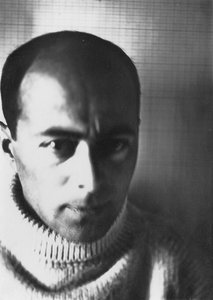
エル・リシツキー
1890 - 1941 , ロシア
基本情報
- フルネーム: エル・リシツキー
- 主な作品:
- The Constructor
- Chad Gadya表紙
- プロウンシリーズ
- 出生地: ポチーノク、ロシア
- 国籍: ロシア
- 影響を与えたアーティストまたはムーブメント:
- バウハウス
- De Stijl
- 影響を受けたアーティスト: ['カジミール・マレーヴィチ']
- 死亡年月日: 1941年12月30日
- 生年月日: 1890年11月23日
- 芸術運動またはスタイル:
- 構成主義
- Suprematism
- プロウン
関連記事
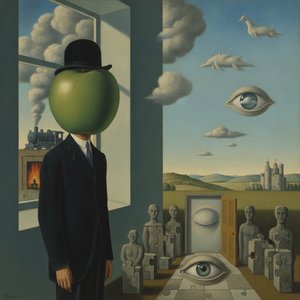
Unveiling the Mystery: The Top 25 Surrealist Masterpieces by René Magritte
Step into the enigmatic world of René Magritte. Explore 25 iconic Surrealist masterpieces, uncovering the stories behind his dreamlike imagery and mysterious techniques. Find museum-quality art reproductions and decor inspiration. Discover all masterpieces on ArtsDot.com.