

 プレビュー
プレビュー
 プリントを購入
 シェアする
シェアする シェアする
シェアする
 詳細を見る
詳細を見る

 ダウンロード
 似ている作品
 X線調査
X線調査 スライドショー
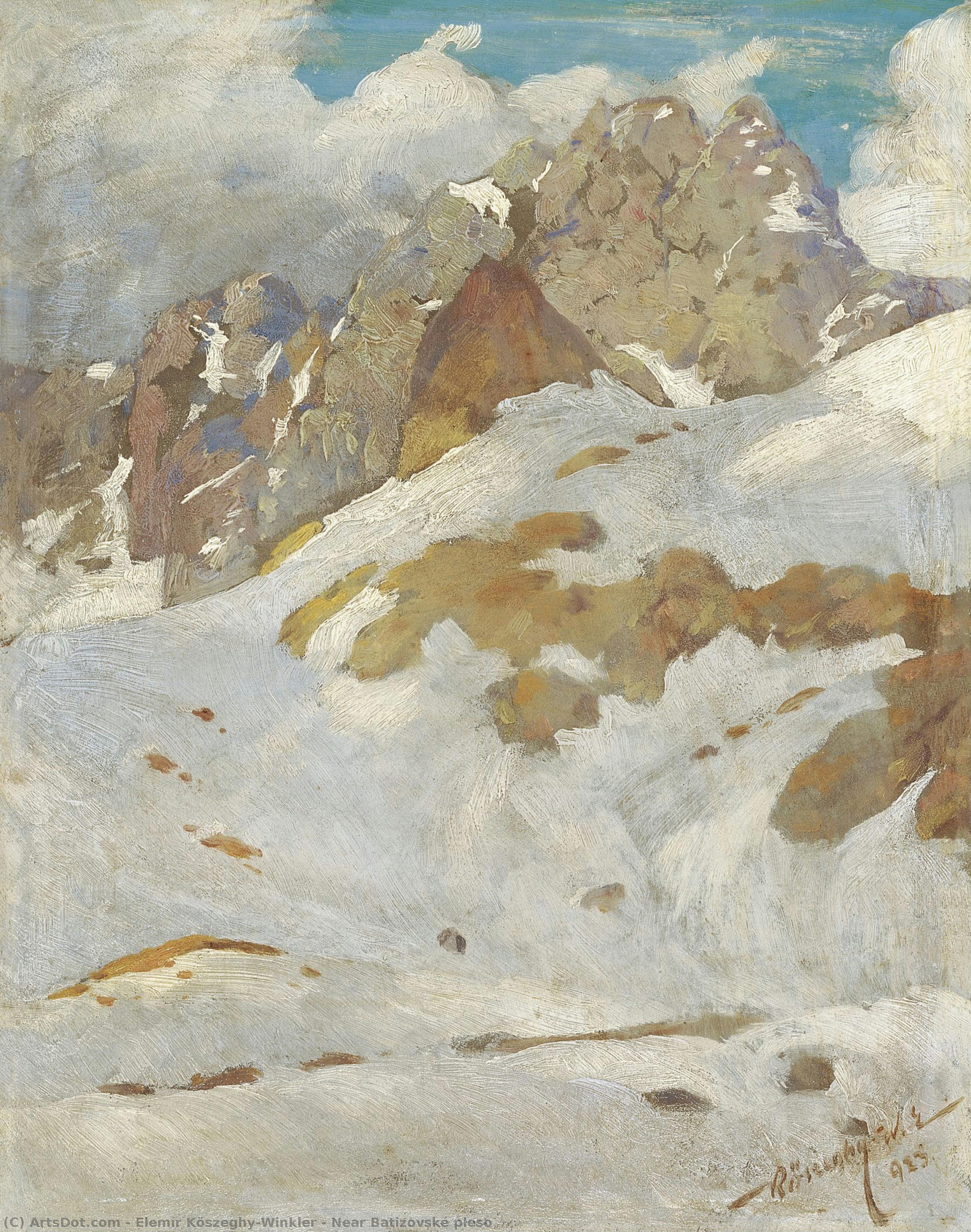
Near Batizovské pleso
 Impressionism
 70.0 x 50.0 cm
 Tatra Gallery
 詳細を見る
詳細を見る
オンラインプレビューをはるかに凌ぐ、高解像度で鮮明なデジタル画像をご購入いただけます。
各ファイルは、社内の専門家が高度なツールと熟練した手作業によるレタッチを用いて、細心の注意を払って準備されています。すべての画像において、卓越した鮮明度、正確な色彩再現性、そして繊細なディテールを保証いたします。
最終ファイルは、プロフェッショナルな編集・印刷環境ですぐにご利用いただけるよう最適化された状態で、72時間以内にメールにてお届けいたします。これは、一流のデザインスタジオ、出版社、ギャラリーから信頼されているものと同等の品質です。
デジタル画像のご注文に付随する特典
高品質なデジタル画像配信を、確かな品質で。
ArtsDot.com を選ぶことは、単に画像を手に入れることではありません。それは、プロの手によって精密に仕上げられ、満足保証が付いた高品質なデジタルアートワークを受け取ることを意味します。ご注文いただいた際に自動的に付随する内容は、以下の通りです:

メールですぐにお届け
ご注文から72時間以内に、高解像度のデジタル画像ファイルがメールでお手元に届きます。すぐにそのままご利用いただけます。

AI技術で最適化されたデジタルファイル
お客様の作品は、高度なAIツールと専門家による手作業の編集を組み合わせてプロフェッショナルに最適化されており、細部のディテール、鮮明さ、そして正確な色再現性を最大限に引き出しています。

一生涯無料の再送サービス
ファイルを誤って削除したり、紛失してしまったりしましたか?ご安心ください。いつでも無料で再送いたします。

輸入手数料は一切かかりません
関税や手数料、配送料を気にすることなく、お気に入りのアートワークをすぐにお楽しみいただけます。デジタルダウンロードは常に免税です。

色彩再現の保証
プロ仕様のツールとカラーマネジメント技術を用いることで、デジタル画像が元の色を最大限に忠実に再現することを保証いたします。

100日間満足保証
ご購入いただいたデジタル画像にご満足いただけない場合は、100日以内であれば、理由を問わず修正または100%の返金対応をさせていただきます。

100% 返金保証
ご満足いただけない場合は、デジタルファイルを受け取ってから100日以内であれば、理由を問わず全額返金いたします。

まとめ買い割引
3枚購入で10%OFF - 5枚購入で15%OFF - 10枚以上購入で20%OFF。クリエイティブなプロジェクト、ギャラリー、エージェンシーに最適です。
関連作品
作家の略歴
Edward Hopper: A Portrait of American Isolation
Edward Hopper, born in Nyack, New York, on July 22, 1882, to a middle-class family that encouraged his artistic pursuits, stands as one of the most recognizable and enduring figures in American art. His work, characterized by stark realism, evocative lighting, and a profound sense of loneliness and alienation, continues to resonate deeply with viewers today. Hopper’s career spanned nearly six decades, during which he developed a unique visual language that captured the essence of modern urban life—its quiet moments, its unspoken anxieties, and its pervasive sense of detachment. He wasn't defined by grand narratives or dramatic events; instead, his art focused on the subtle details of everyday existence, transforming ordinary scenes into powerful expressions of human experience.Early Life and Artistic Training
Hopper’s early life was marked by a quiet intensity and a keen observation of the world around him. He initially studied illustration at the Correspondence School of Illustrating in New York City (1899-1900), laying the groundwork for his later ability to render realistic forms with meticulous detail. However, he soon transitioned towards fine art, enrolling in classes at the New York School of Art under the guidance of Robert Henri, a pivotal figure in the American modernist movement. Henri’s philosophy—to paint “the most important thing” in the world, which was “life itself”— profoundly influenced Hopper, encouraging him to depict scenes from everyday life and to capture the moods and emotions inherent within them. His classmates included George Bellows, Rockwell Kent, and Guy Pène du Bois, all of whom would go on to become significant artists in their own right. Hopper’s artistic journey was further shaped by his travels abroad—three trips to Paris between 1906 and 1910—where he encountered the works of Edgar Degas and Édouard Manet, whose compositional techniques and depictions of modern urban life deeply impacted his style.Style and Themes: Isolation and Modernity
Hopper’s artistic style is instantly recognizable for its distinctive qualities. He employed a precise, almost photographic realism, meticulously rendering details—the texture of brick walls, the sheen of polished surfaces, the subtle expressions on faces—with remarkable accuracy. However, his paintings are rarely celebratory; instead, they often convey a sense of melancholy, solitude, and unspoken tension. Key themes in Hopper’s work include isolation, loneliness, urban alienation, and the complexities of human relationships. His subjects frequently appear alone, lost in thought or disconnected from their surroundings—a solitary diner at night, a couple sharing an empty room, a lone figure gazing out a window. The use of light is particularly crucial to his style; he masterfully employed dramatic contrasts between light and shadow to create mood and emphasize the emotional weight of his scenes. His compositions often feature cropped perspectives, creating a sense of immediacy and drawing the viewer into the scene, as if they are witnessing these moments firsthand.Key Works and Recognition
Throughout his career, Hopper produced a remarkable body of work, including iconic paintings such as *Nighthawks* (1942), *Gas Station* (1927), *Office at Night* (1940), and *Early Sunday Morning* (1930). *Nighthawks*, perhaps his most famous painting, depicts four figures in a brightly lit diner late at night, conveying a powerful sense of isolation and anonymity within the bustling city. *Gas Station* similarly captures a moment of quiet tension between a man and a woman standing outside a gas station, their interaction seemingly devoid of connection. Hopper’s work gained increasing recognition throughout the 1930s and 40s, culminating in his first one-person exhibition at the Whitney Studio Club in 1920—a symbolic milestone despite the fact that no paintings sold during the event. His second exhibition in 1930 proved immensely successful, with every painting being purchased by the Museum of Modern Art, marking a turning point in his career and solidifying his place as a leading American artist.Legacy and Influence
Edward Hopper’s influence on subsequent generations of artists is undeniable. His exploration of modern urban life, his masterful use of light and shadow, and his ability to evoke profound emotional responses continue to inspire painters, filmmakers, and writers today. His work has been interpreted through various lenses—as a reflection of the anxieties of the 20th century, as an examination of American identity, and as a poignant portrayal of human loneliness. Hopper’s paintings remain deeply relevant in our increasingly fragmented and disconnected world, offering a timeless meditation on the complexities of the human condition. He died on May 15, 1967, leaving behind a legacy of over 300 paintings that continue to captivate and challenge viewers with their quiet power and enduring beauty.
elemír köszeghy-winkler
1882 - 1954 , Slovakia
プロフィール概要
- Artistic Movement Or Style: Realism, American Scene
- Artists Or Movements Influenced By This Artist: ['George Bellows']
- Artists Who Influenced This Artist:
- Edgar Degas
- Édouard Manet
- Date Of Birth: July 22, 1882
- Date Of Death: May 15, 1967
- Full Name: Edward Hopper
- Nationality: American
- Notable Artworks:
- Nighthawks
- Gas
- Automat
- Place Of Birth: Nyack, New York, USA