

 プレビュー
プレビュー
 プリントを購入
 シェアする
シェアする シェアする
シェアする
 詳細を見る
詳細を見る

 ダウンロード
 似ている作品
 X線調査
X線調査 スライドショー
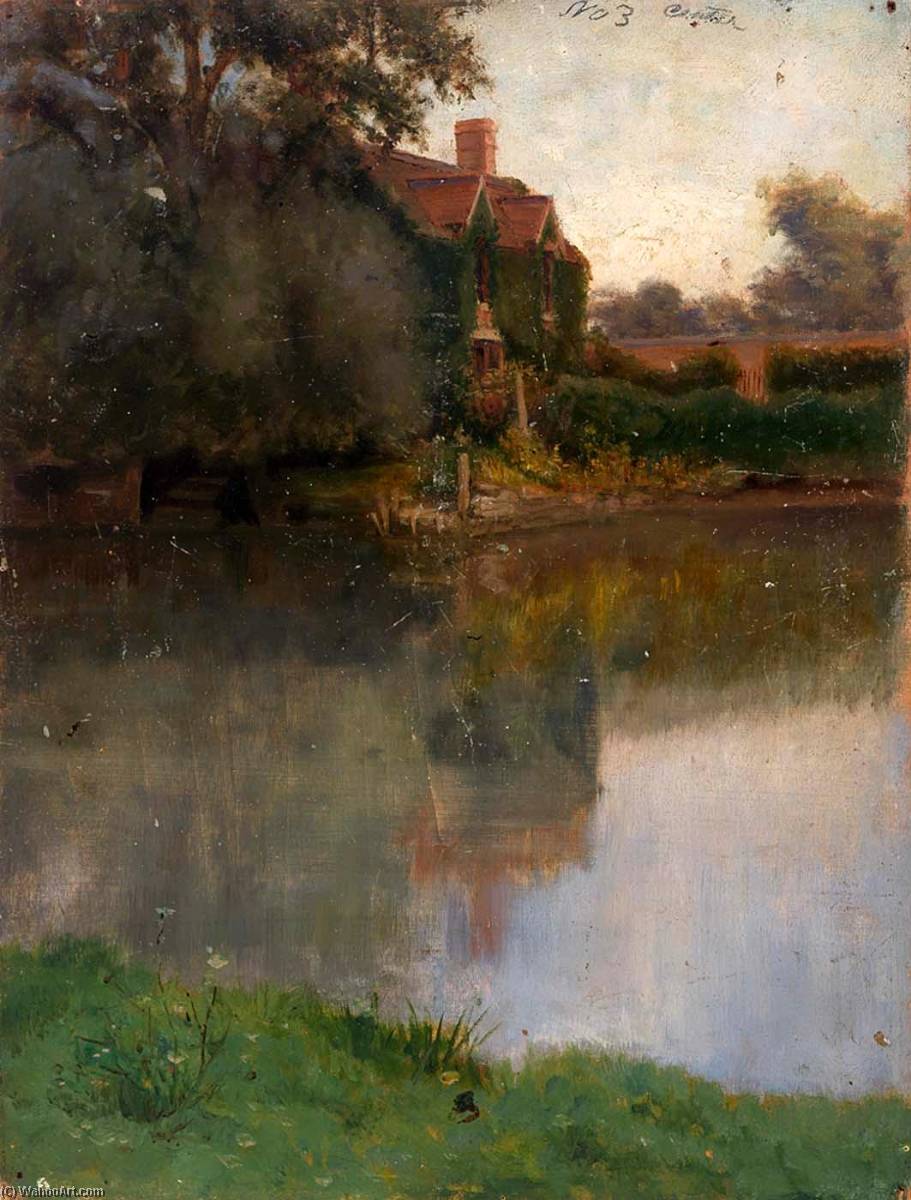
Edge of a Stream
 35.0 x 27.0 cm
 詳細を見る
詳細を見る




































作品のオリジナル比率に合わせた、当店の規定サイズからお選びください。

特定のフレームやスペースに合わせて、ご希望のサイズをご入力いただけます。選択されたサイズが元の画像の比率と異なる場合、アートワークをトリミングするか、手描きで要素を追加して絵画を拡張いたします。デジタルモックアップ を制作し、制作開始前にご確認(承認)をいただきます。
画面上のプレビューは、実際のトリミングや拡張を正確に反映しているものではありません。最終的な構図は、モックアップによってのみ正確にご確認いただけます。
カスタムサイズもご利用いただけますが、元の比率を維持するためには、あらかじめ用意されたリストからサイズを選択することをお勧めいたします。
ご注文後、ArtsDot.com チームより詳細な指示をお送りするとともに、仕上がりイメージ(モックアップ)をご提供いたします。


 ガラスオプションは、110cm未満のサイズでのみご利用いただけます。

Edge of a Stream
複製技法
複製画のサイズ
-


合計金額
$ 263
作品解説
Artistic Style and Technique
Eliphalet Frazer Andrews was an American painter known primarily as a portraitist, but his landscape paintings, such as Edge of a Stream, showcase his ability to capture the beauty of nature. The painting features a peaceful and idyllic countryside setting, with the stream flowing gently through the scene. The use of color and light in the painting creates a sense of serenity and tranquility. Key Features of the Painting:- The large house with a green roof
- The people standing near the house and by the water's edge
- The animal, likely a horse or cow, located towards the left side of the image
- The peaceful and idyllic countryside setting
Artist Background
Eliphalet Frazer Andrews was born in Steubenville, Ohio, and received early training at Marietta College in Ohio. He furthered his study in the Royal Prussian Academy, Berlin, and with Leon Bonnat at the Ecole des Beaux-Arts, Paris. Andrews established an art instruction curriculum at the Corcoran School of Art and served as its director from 1877 to 1902.For more information on Eliphalet Frazer Andrews and his artworks, visit /art/list/?Filter=Eliphalet-Frazer-Andrews. To explore more paintings by the artist, including Interior of a Kitchen and Figures on Horseback, visit /art/list/?Filter=eliphalet+frazer+andrews,eliphalet,frazer,andrews&.
関連作品










アーティストの略歴
The Master of Light and Legacy: The Life of Eliphalet Frazer Andrews
In the grand tapestry of nineteenth-century American art, few threads are woven as intricately as those left by Eliphalet Frazer Andrews. Born in June 1835 in Steubenville, Ohio, Andrews emerged as a painter who possessed a rare duality of vision: the ability to capture the monumental weight of history and the quiet, breathing intimacy of a domestic corner. His journey was one of constant refinement, beginning with his academic foundations at Marietta College before venturing into the heart of the European art world. By immersing himself in the prestigious studios of Düsseldorf and Paris, studying under luminaries such as Lüdwig Knaus, Heinrich Mücke, and Léon Bonnat, Andrews absorbed a sophisticated mastery of light, shadow, and form that would later define his uniquely American sensibility.
The essence of Andrews’s artistry lies in his profound command over the atmosphere of a space. While he was widely celebrated as a premier portraitist—earning prestigious commissions to capture the dignity of figures like Rutherford B. Hayes—his true genius often revealed itself in his interior scenes. In works such as Interior and Interior of a Kitchen, one does not merely see a room; one feels the passage of time. Through the meticulous use of oil on canvas and delicate glazing techniques, he achieved a luminous quality that allowed light to dance across stone walls and weathered wood, imbuing even abandoned or neglected spaces with a haunting, palpable soul. His landscapes, too, such as the serene Edge of a Stream, demonstrate an ability to blend the pastoral charm of the American countryside with a sophisticated, almost Impressionistic touch.
A Pillar of American Artistic Institution
Beyond the canvas, Andrews’s influence on the American cultural landscape was structural and enduring. He was not merely a creator of images but a builder of institutions. His most significant contribution to the future of American art was his pivotal role in the establishment of the Corcoran School of Art in Washington D.C. Serving as its director from 1877 to 1902, he crafted an instructional curriculum that would shape generations of artists, fostering a standard of excellence that bridged European tradition with New World innovation. This commitment to pedagogy ensured that his devotion to technical precision and observational truth would outlive his own brushstrokes.
The historical significance of Andrews is further cemented by the locations where his work resides today. His paintings serve as visual chronicles of American power and heritage, with notable pieces adorning the White House and being preserved within the Smithsonian American Art Museum. Whether he was recreating the likenesses of deceased American icons or capturing the quiet dignity of a sunlit room, Andrews remained a visionary who understood that the smallest detail—a glint of light on a windowpane or the texture of a stone wall—could tell the grandest story of a nation’s spirit.
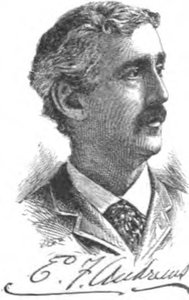
eliphalet frazer andrews
1835 - 1915
基本情報
- Artistic Movement Or Style: Genre painting
- Artists Or Movements Influenced By This Artist: ['Corcoran School of Art']
- Artists Who Influenced This Artist:
- Heinrich Mücke
- Léon Bonnat
- Date Of Birth: 1835
- Date Of Death: 1915
- Full Name: Eliphalet Frazer Andrews
- Nationality: American
- Notable Artworks:
- Poppies
- Interior
- Interior of a Stable
- Place Of Birth: Steubenville, Ohio

