 プレビュー
プレビュー
 プリントを購入
 シェアする
シェアする シェアする
シェアする
 詳細を見る
詳細を見る

 ダウンロード
 似ている作品
 X線調査
X線調査 スライドショー
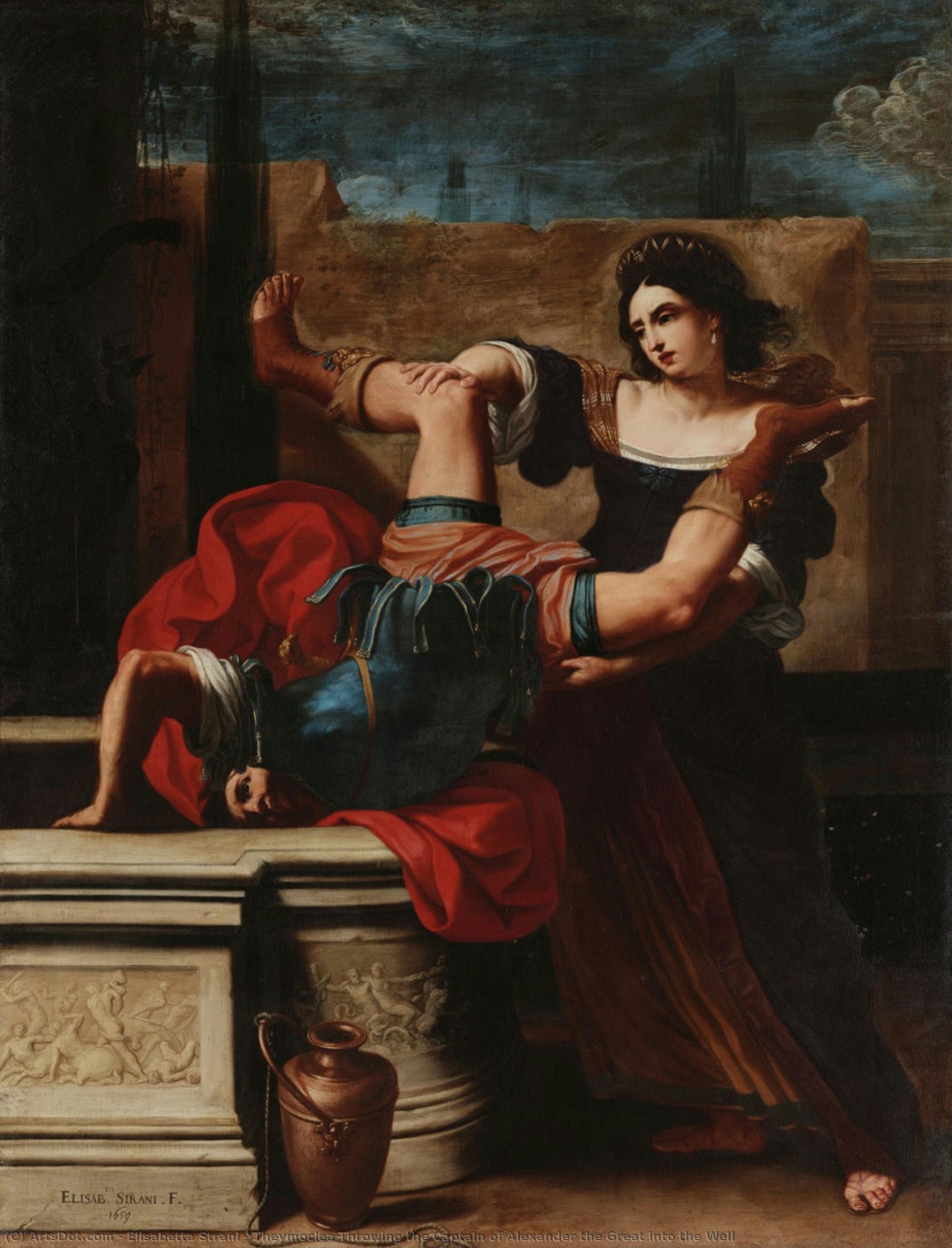
テイモクレアがアレクサンドロス王の kapitano を井戸に投げ込む場面


 詳細を見る
詳細を見る




P118B $10

P118H $10

P118W $10

P438Z $10

P508JH $12

P508YH $12

P805H $10

P805Z $10

P919BZ $10

P919G $10

P919XJ $10

P959ZH $10

P968JZ $12

W106C $8

W218G $10

W218JH $8

W218Y $10

W307PJ $10

W316G $10

W316PJ $8

W316Y $10

W398PJ $8

W4111J $10

W500HY $15

W500JH $15

W692G $12

W849H $8

W940BG $15

W953PJ $8




作品のオリジナル比率に合わせた、当店の規定サイズからお選びください。

特定のフレームやスペースに合わせて、ご希望のサイズをご入力いただけます。選択されたサイズが元の画像の比率と異なる場合、アートワークをトリミングするか、手描きで要素を追加して絵画を拡張いたします。デジタルモックアップ を制作し、制作開始前にご確認(承認)をいただきます。
画面上のプレビューは、実際のトリミングや拡張を正確に反映しているものではありません。最終的な構図は、モックアップによってのみ正確にご確認いただけます。
カスタムサイズもご利用いただけますが、元の比率を維持するためには、あらかじめ用意されたリストからサイズを選択することをお勧めいたします。
ご注文後、ArtsDot.com チームより詳細な指示をお送りするとともに、仕上がりイメージ(モックアップ)をご提供いたします。


 ガラスオプションは、110cm未満のサイズでのみご利用いただけます。

テイモクレアがアレクサンドロス王の kapitano を井戸に投げ込む場面
複製技法
複製画のサイズ
-


合計金額
$ 263
エリザベッタ・シラニの「テイモクレアがアレクサンドロス王の kapitano を井戸に投げる」について
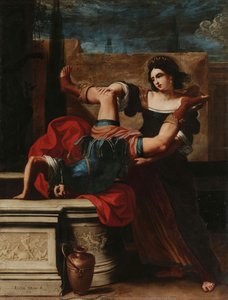
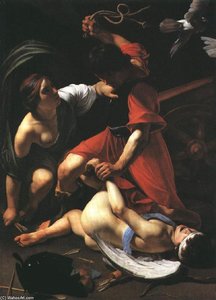
この絵画は、赤いドレスを着た女性が別の人物を抱き上げている姿を描いた作品です。その男性は後ろ向きに倒れており、女性は彼の足を持ち上げています。さらに二人の人物が画面に登場します。左端には立ち සිටう人物と右端には遠く立つ人物がいます。この絵画の中心となるのは、鮮やかな赤いドレスを着た女性であり、彼女の動きと表情は見る人に強い印象を与えます。周囲の人々はテイモクレアとアレクサンドロス王の kapitano の間の状況を観察しているかのように見え、この場面に緊張感とドラマチックな要素が加わっています。絵画の詳細と技法
シラニの作品は、イタリア・ローマで活躍したバロック時代の画家の一人です。彼女は特に女性の肖像画を得意とし、その繊細な表現力と色彩感覚は多くの人々を魅了しました。「テイモクレアがアレクサンドロス王の kapitano を井戸に投げる」は、シラニの代表作の一つであり、彼女の卓越した技術が凝縮された傑作と言えるでしょう。絵画は油彩技法で制作されており、細密な描写と豊かな色彩によってテイモクレアの人物像を生き生きと表現しています。特に赤いドレスの色使いは印象的で、女性の美しさと力強さを同時に伝えています。また、井戸という場所は死や再生といった象徴的な意味を持ち、テイモクレアが kapitano を投げる行為は権力のバランスを破壊する試みとして解釈できます。歴史的背景と文化的意義
この絵画は1659年に制作され、当時のイタリア社会における宗教的な緊張感と権力闘争を反映しています。シラニの作品は、バロック美術における感情表現の追求と芸術家の個性的な視点を示す優れた例です。特に彼女の作品は、当時の社会情勢や価値観を鋭く捉え、現代の人々にも感動を与える力を持っています。「テイモクレアがアレクサンドロス王の kapitano を井戸に投げる」は、単なる美しい絵画としてだけでなく、歴史的な背景と文化的意義を持つ芸術作品として評価されています。この絵画を通じて、バロック美術の魅力とシラニの芸術家としての才能を堪能することができます。絵画がもたらす感動とインスピレーション
この絵画は見る人に様々な感情を引き起こします。テイモクレアの勇敢な行動とアレクサンドロス王の kapitano の絶望的な状況は、人間の尊厳と勇気を象徴しています。また、赤いドレスの色使いや井戸という場所は、美しさの中に危険や変化といった要素を含んでいます。この絵画は、私たちに権力と弱さ、愛と憎しみといった普遍的なテーマを問いかけます。シラニの作品は、芸術家が人間の感情を表現し、歴史的な背景と文化的意義を持つ芸術作品を生み出すことができることを示しています。「テイモクレアがアレクサンドロス王の kapitano を井戸に投げる」は、見る人に感動とインスピレーションを与え、バロック美術の美しさを伝える素晴らしい作品です。関連作品

アーティストの略歴
Jacques Callot: The Chronicler of a Turbulent Age
Jacques Callot, born around 1592 in Nancy, Duchy of Lorraine, and tragically dying in 1635, stands as a pivotal figure in the history of printmaking. More than simply an engraver, he was a chronicler—a visual recorder of his time, capturing the anxieties, entertainments, and stark realities of 17th-century Europe with unparalleled detail and emotional resonance. His work, particularly his series of images depicting the St. Bartholomew’s Day Massacre, remains profoundly unsettling and offers a rare glimpse into a period of intense religious conflict and social upheaval. Callot's legacy isn’t one of grand, idealized compositions; rather, it lies in his ability to distill complex narratives into powerfully evocative prints that continue to resonate with viewers today.Early Life and Training: From Goldsmith to Master Engraver
Callot’s early life was steeped in the artisan traditions of Lorraine. His father, a master of ceremonies at the court of the Duke, instilled in him an appreciation for craftsmanship and meticulous detail. Initially apprenticed to a goldsmith, Callot's artistic inclinations quickly led him towards engraving. A pivotal moment in his development came with his journey to Rome around 1612, where he studied under Philippe Thomassin, a French expatriate engraver. This immersion in the Roman art world exposed him to classical antiquity and established a foundation for his later stylistic choices. He then spent time in Florence, working for the Medici court and honing his skills alongside Antonio Tempesta, a master of etching known for his dramatic lighting and expressive figures. Crucially, Callot’s training wasn't solely focused on technique; he developed innovative methods that would revolutionize printmaking, including the *échoppe*, a specialized engraving needle with a slanting oval section, allowing for greater control over line thickness and creating a swelling effect reminiscent of brushstrokes – a significant departure from traditional engraving. He also refined etching ground recipes, reducing the risk of “foul-biting” and extending the lifespan of his plates.The St. Bartholomew’s Day Massacre: A Graphic Testimony
Callot's most famous series, *Les Moeurs Nouveaux* (New Customs), produced between 1632 and 1635, is a harrowing depiction of the St. Bartholomew’s Day Massacre in Paris in 1572 – an event that shocked Europe and remains a potent symbol of religious violence. Rather than presenting a heroic narrative, Callot unflinchingly documented the brutality of the massacre, depicting scenes of indiscriminate slaughter, looting, and terror with stark realism. These prints weren't intended as propaganda; instead, they served as a graphic record of a horrific event, forcing viewers to confront the consequences of religious fanaticism. The series comprised over 140 individual plates, each meticulously engraved and often printed in multiple states, allowing Callot to refine his compositions and explore different interpretations of the events. The prints are characterized by their unsettling detail—the faces of victims frozen in expressions of agony, the chaotic scenes of violence, and the casual cruelty of the perpetrators – creating a deeply disturbing and unforgettable experience for the viewer.Beyond Massacre: A Diverse Portfolio
While *Les Moeurs Nouveaux* cemented Callot’s reputation, his artistic output extended far beyond this single series. He produced a vast array of prints exploring diverse themes—from scenes of circus life and wandering performers to depictions of beggars, soldiers, and the Romani people (often referred to as “Gypsies”). These works offer a fascinating glimpse into the social fabric of 17th-century Europe, revealing both its pleasures and its hardships. He also created numerous religious prints, often infused with a sense of dramatic intensity and moral urgency. Notably, Callot’s landscapes frequently feature prominently in his compositions, providing a backdrop for his narratives and contributing to the overall atmosphere of each print. His work demonstrates an impressive versatility and a keen eye for detail, reflecting a deep understanding of human nature and the complexities of the world around him.Legacy and Influence
Jacques Callot’s impact on the development of printmaking is undeniable. He pushed the boundaries of engraving technique, introducing innovations that would be adopted by subsequent generations of artists. His unflinching realism and his willingness to confront difficult subjects—particularly in *Les Moeurs Nouveaux*—established a new standard for graphic art. Rembrandt van Rijn, a devoted collector of Callot’s prints, recognized the artist's genius and profoundly influenced Rembrandt’s own work, particularly in his use of etching techniques. While Callot himself remained largely unknown during his lifetime, his legacy has been secured through the enduring power of his images—testaments to a turbulent era and a remarkable artist who dared to document it with unflinching honesty. His prints continue to be studied and admired for their technical brilliance, emotional depth, and historical significance.
elisabetta strani
1635 - 1665 , Italy
基本情報
- Artistic Movement Or Style: Baroque printmaker
- Artists Or Movements Influenced By This Artist: ['Rembrandt']
- Artists Who Influenced This Artist: ['Philippe Thomassin']
- Date Of Death: 1635
- Full Name: Jacques Callot
- Nationality: French
- Notable Artworks:
- The Triumph of Pan
- The Triumph of Bacchus
- Place Of Birth: Nancy, France
関連記事

バロックのドラマ:現代のインテリアに壮麗さと情感を取り込む
バロック様式の歴史、絵画、家具の魅力をご紹介。ArtsDotでは、高品質な油絵複製やカスタムポートレートをご提供し、現代のインテリアに壮麗さと情感を取り入れます。アートコンサルテーションも承ります。

The Dramatic Flourish: Exploring the Baroque Movement's Enduring Legacy in Art History
Explore the dramatic world of Baroque art! Discover iconic artists like Caravaggio & Rubens, defining techniques, and its lasting impact on art history. Expert insights for collectors & enthusiasts at ArtsDot.

バロック美術を極めた至宝:時代を彩る10大名作の世界
バロック美術の華!カラヴァッジョ、ベルニーニら巨匠が創り上げた10大名作を徹底解剖。ドラマチックな色彩と豪華絢爛の世界観に触れ、至宝のアートプリントで空間を彩ろう。ArtsDot.comで美術館品質の複製と洗練されたインテリアを見つけましょう!

The Visceral Stage: Exploring Dramatic Narratives & Emotional Intensity in Baroque Art
Explore the dramatic world of Baroque art! Discover iconic masters like Caravaggio & Rembrandt, their techniques, and the movement's lasting impact. Expert insights for collectors & enthusiasts at ArtsDot.

Theatricality & Triumph: Baroque Drama in Painting & Sculpture
Explore the dramatic world of Baroque art! Discover its history, defining characteristics, & lasting influence on painting & sculpture. Expert insights into Caravaggio, Zurbarán, and Bernini – plus high-quality reproductions at ArtsDot.