

 プレビュー
プレビュー
 シェアする
シェアする シェアする
シェアする
 詳細を見る
詳細を見る

 ダウンロード
 似ている作品
 X線調査
X線調査 スライドショー
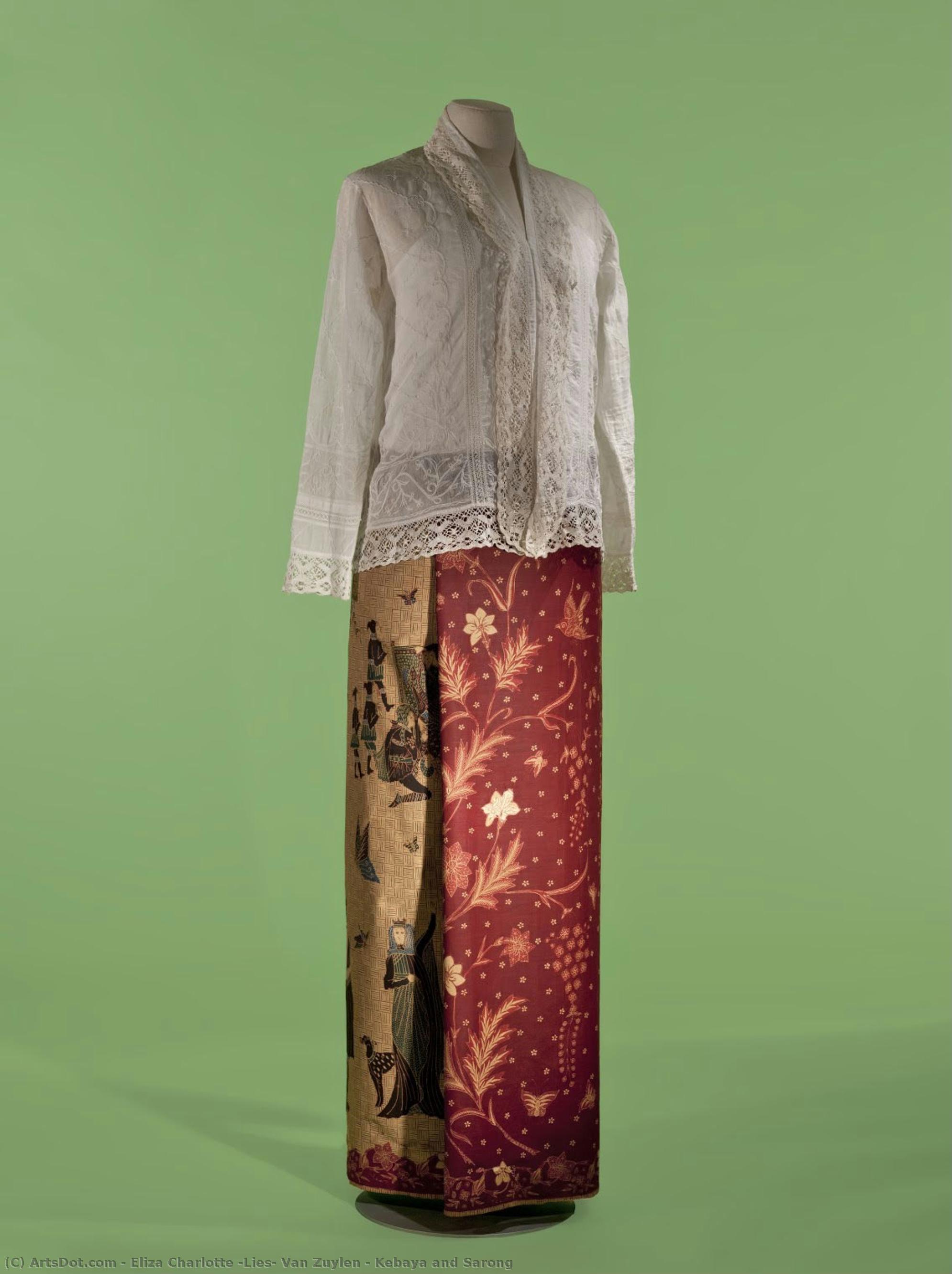
Kebaya and Sarong


 詳細を見る
詳細を見る
ジークレー/アートプリント
迅速な制作と多彩な仕上げオプションを備えた、ミュージアムクオリティのジークレーまたはキャンバスプリント。 ( 手描きの絵画を購入 画像を購入)




































作品のオリジナル比率に合わせた、当店の規定サイズからお選びください。

特定のフレームやスペースに合わせて、ご自身でサイズを指定することも可能です。選択されたサイズが元の画像の比率と一致しない場合、作品をトリミングするか、鏡面反射または単色での塗りつぶしによって画像を拡張いたします。制作を開始する前に、ご確認用のデジタルモックアップをお送りいたします。
画面上のプレビューには、実際のトリミングや拡張は反映されませんのでご注意ください。最終的な構図を正確に確認できるのは、モックアップのみとなります。
カスタムサイズも承っておりますが、元の比率を維持するためには、あらかじめ用意されたリストからサイズを選択することをお勧めいたします。


 ガラスオプションは、110cm未満のサイズでのみご利用いただけます。

Kebaya and Sarong
ジークレー/アートプリント
複製画のサイズ
-


合計金額
$ 62
関連作品






アーティストの略歴
A Pioneer of Floral Batik: The Life and Legacy of Eliza Charlotte van Zuylen
Eliza Charlotte (Lies) van Zuylen, born in 1863 in Batavia – modern-day Jakarta, Indonesia – occupies a fascinating position in the history of batik. She wasn’t simply an artist; she was a cultural bridge, a businesswoman, and a pivotal figure in the evolution of this ancient Indonesian textile art form. Her story is one woven with threads of colonial life, artistic innovation, and entrepreneurial spirit, ultimately leaving behind a legacy that continues to captivate collectors and scholars alike. Van Zuylen’s birth itself speaks volumes about the complex social landscape of 19th-century Indonesia: her father was a Dutch soldier, while her mother hailed from the Indo-European community – people of mixed European and Indonesian ancestry. This unique heritage would profoundly shape her artistic vision and entrepreneurial path.From Private Passion to Thriving Workshop
Initially, van Zuylen’s engagement with batik wasn't driven by commercial ambition but rather a personal fascination. After marrying Alphons van Zuylen, who was appointed as a government inspector in Pekalongan around 1890, she found herself immersed in a region renowned for its batik production. Pekalongan had emerged as a significant center for the craft since the 1850s, and it was here that van Zuylen began to explore her artistic talents. She initially assisted her sister Christina in her batik workshop, gaining invaluable experience in the intricate processes of wax-resist dyeing. However, Lies soon ventured out on her own, establishing her independent workshop in 1890 with a modest team of just three Javanese batik makers. This marked the beginning of an extraordinary journey that would transform her private passion into a thriving business and significantly impact the aesthetic direction of Indonesian batik.The ‘Buketan’ Style: A Fusion of Cultures
Van Zuylen is most celebrated for popularizing the *buketan* style of batik – characterized by large, repeating floral bouquets. This design motif was revolutionary in its time, representing a departure from traditional Javanese patterns and introducing a distinctly European sensibility to the art form. The inspiration behind these lush floral arrangements stemmed from Dutch horticultural books and imported European flowers, reflecting van Zuylen’s access to and appreciation of Western aesthetics. She didn't merely copy existing designs; she skillfully adapted them, blending European influences with local techniques and sensibilities. While initially replicating patterns from other batik businesswomen, she quickly developed her own unique creations, establishing a signature style that became highly sought after. Her batiks were not simply textiles; they were statements of elegance and refinement, appealing to a diverse clientele including the Indo-European community and upper-class Javanese society.Navigating Colonial Society and Artistic Innovation
Van Zuylen’s success wasn't solely attributable to her artistic talent but also to her astute understanding of the colonial market. As an Indo-European woman, she occupied a unique intermediary position between the local Javanese population and Dutch colonial society. This allowed her to cater to diverse tastes and preferences, creating batiks that resonated with different cultural groups. Her workshop flourished, expanding rapidly by 1918 to become the largest Indo-European batik business in Java. Remarkably, it was also the only such enterprise to survive the economic hardships of the 1930s – a testament to her sound business acumen and the enduring appeal of her designs. The process itself involved meticulous hand-drawing on cloth using wax as a resist, followed by dyeing with vibrant natural pigments. This labor-intensive technique ensured that each batik was a unique work of art, imbued with the skill and artistry of its creator.A Lasting Impression: Van Zuylen’s Historical Significance
Eliza Charlotte van Zuylen passed away in 1947, leaving behind a rich artistic legacy. Her contribution to Indonesian batik extends beyond her popularization of the *buketan* style; she played a crucial role in the commercialization of the craft and empowered local artisans through employment opportunities. Today, her batiks are highly prized by collectors worldwide, representing not only exquisite artistry but also a fascinating chapter in Indonesia’s colonial history. Her work serves as a powerful reminder of the cultural exchange that shaped Indonesian art and the enduring beauty of batik – an art form that continues to thrive thanks to the vision and dedication of pioneers like Eliza Charlotte van Zuylen.
eliza charlotte (lies) van zuylen
1863 - 1947 , Indonesia
基本情報
- Artistic Movement Or Style: Batik Art
- Date Of Birth: 1863
- Date Of Death: 1947
- Full Name: Eliza Charlotte van Zuylen
- Nationality: Dutch-Indonesian
- Notable Artworks:
- Kebaya and Kain panjang
- Kebaya and Sarong
- Place Of Birth: Jakarta, Indonesia

