

 プレビュー
プレビュー
 シェアする
シェアする シェアする
シェアする
 詳細を見る
詳細を見る

 ダウンロード
 似ている作品
 X線調査
X線調査 スライドショー
 統計情報
統計情報The Shepherd David


 詳細を見る
詳細を見る
ジークレー/アートプリント
迅速な制作と多彩な仕上げオプションを備えた、ミュージアムクオリティのジークレーまたはキャンバスプリント。 ( 手描きの絵画を購入 デジタル画像販売へ切り替え)




P118B $10

P118H $10

P118W $10

P438Z $10

P508JH $12

P508YH $12

P805H $10

P805Z $10

P919BZ $10

P919G $10

P919XJ $10

P959ZH $10

P968JZ $12

W106C $8

W218G $10

W218JH $8

W218Y $10

W307PJ $10

W316G $10

W316PJ $8

W316Y $10

W398PJ $8

W4111J $10

W500HY $15

W500JH $15

W692G $12

W849H $8

W940BG $15

W953PJ $8




作品のオリジナル比率に合わせた、当店の規定サイズからお選びください。

特定のフレームやスペースに合わせて、ご自身でサイズを指定することも可能です。選択されたサイズが元の画像の比率と一致しない場合、作品をトリミングするか、鏡面反射または単色での塗りつぶしによって画像を拡張いたします。制作を開始する前に、ご確認用のデジタルモックアップをお送りいたします。
画面上のプレビューには、実際のトリミングや拡張は反映されませんのでご注意ください。最終的な構図を正確に確認できるのは、モックアップのみとなります。
カスタムサイズも承っておりますが、元の比率を維持するためには、あらかじめ用意されたリストからサイズを選択することをお勧めいたします。


 ガラスオプションは、110cm未満のサイズでのみご利用いただけます。

The Shepherd David
ジークレー/アートプリント
複製画のサイズ
-


合計金額
$ 62
A Vision of Heroic Virtue and Pastoral Grace
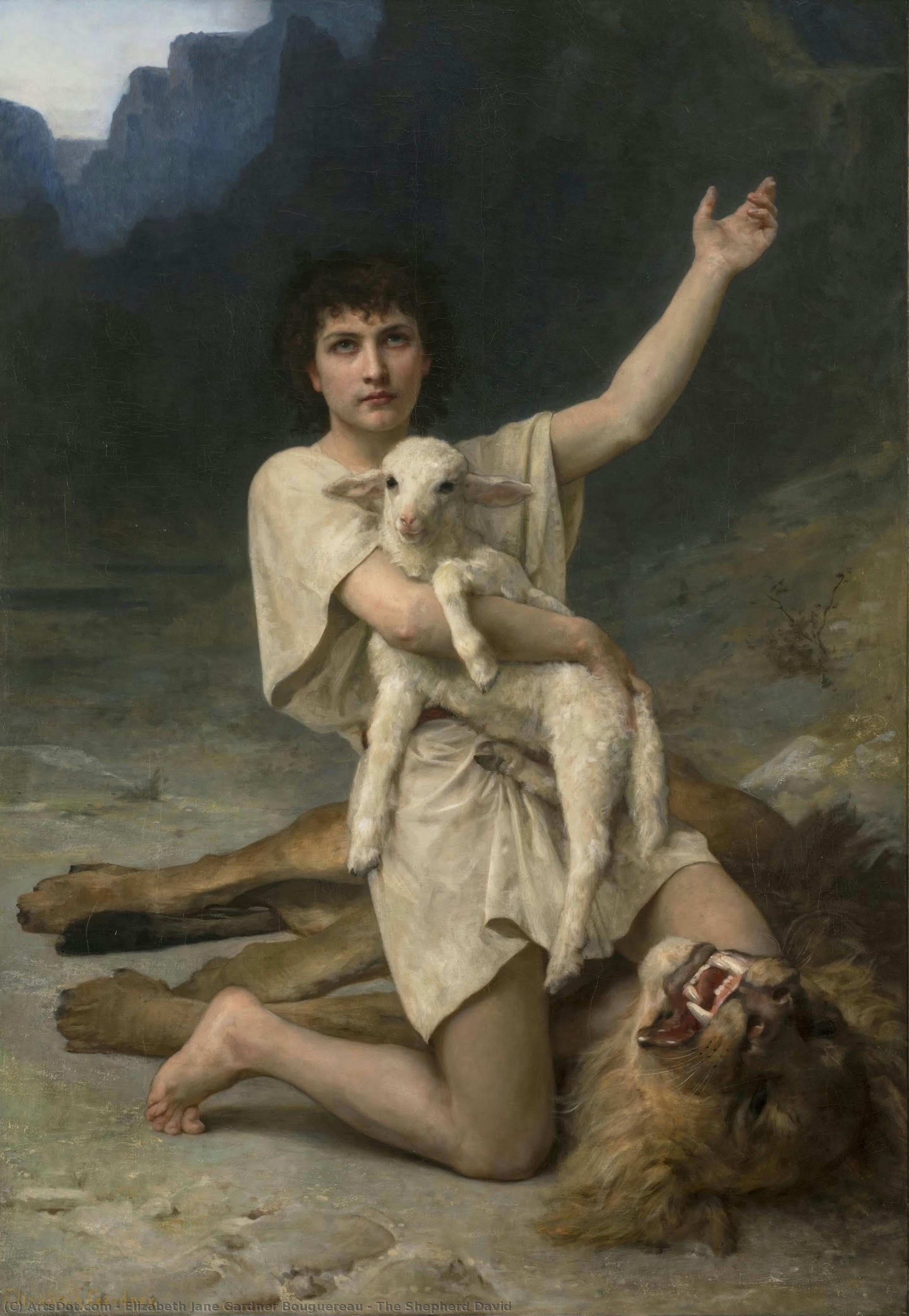
In the quiet, luminous realm of Elizabeth Jane Gardner Bouguereau’s 1895 masterpiece, “The Shepherd David,” we encounter a moment that transcends mere biblical illustration to become an eternal emblem of triumph. The painting presents a breathtakingly idealized scene where the young shepherd David kneels in a posture of both victory and profound humility. Resting upon the powerful, lifeless form of a lion—a creature representing primal danger and formidable strength—David cradles a tender lamb within his arms. This striking juxtaposition of the predator's fallen majesty and the lamb's innocent vulnerability creates a narrative tension that is both heart-stirring and deeply spiritual. It is a scene that speaks to the universal human struggle: the ability to overcome life's most ferocious obstacles through faith, courage, and a gentle spirit.
The composition is masterfully orchestrated to draw the eye toward the central figure, whose skin possesses an almost marble-like perfection. Bouguereau’s profound understanding of classical sculpture is evident in the anatomical precision of David’s form, lending the work a sense of monumental grandeur. Set against a backdrop of soft, receding mountains and muted earthy tones, the subject feels elevated from the terrestrial to the divine. For the discerning collector or interior designer, this piece offers more than just visual beauty; it provides a focal point of profound emotional depth, capable of anchoring a room with its themes of resilience and peace.
The Mastery of Light and Academic Precision
To behold “The Shepherd David” is to witness the pinnacle of late 19th-century academic excellence. Bouguereau’s technique is characterized by an extraordinary smoothness, a sfumato-like quality that erases visible brushstrokes to create a polished, otherworldly surface. This meticulous approach allows light to dance across the textures of the scene—from the soft, tactile wool of the lamb to the heavy, muscular stillness of the lion. The artist employs a sophisticated palette of blues, creams, and warm ochres, ensuring that while the atmosphere is serene, it never lacks for vitality.
This level of technical refinement serves a higher purpose: it freezes time itself. There is no frantic movement here, only the breathless stillness of a moment captured in perfection. The way light interacts with the figures suggests a divine presence, illuminating the triumph of virtue over chaos. For those seeking to adorn a space with art that inspires contemplation, the seamless execution of this painting offers a sense of timelessness and luxury. It is an exquisite example of how technical mastery can be harnessed to evoke the sublime, making it an incomparable choice for high-end reproductions intended for sophisticated living environments.
A Legacy of Artistic Devotion
The historical context of this work adds a layer of poignant beauty to its viewing. Elizabeth Jane Gardner Bouguereau was an artist of remarkable tenacity, navigating the male-dominated Parisian art scene with unparalleled skill and resourcefulness. Her ability to adopt and refine the smooth, classical style of her mentor, William-Adolphe Bouguereau, allowed her to create works that stand as cornerstones of American Impressionist and Academic traditions. “The Shepherd David” is not merely a painting; it is a testament to a life dedicated to the pursuit of aesthetic perfection.
When integrating a reproduction of this caliber into an interior, one brings with them a piece of art history. The painting’s ability to harmonize with both classical and contemporary decor makes it a versatile treasure. Whether placed in a sunlit library or a formal dining hall, the image of the shepherd and his lamb serves as a constant reminder of the strength found in gentleness and the enduring power of hope. It is an investment in beauty, history, and the enduring human spirit.
関連作品
アーティストの略歴
A Life Dedicated to Art: The Story of Elizabeth Jane Gardner Bouguereau
Born in Exeter, New Hampshire, on October 4th, 1837, Elizabeth Jane Gardner’s journey was one of remarkable determination and artistic passion. Her upbringing, steeped in the values of education and community, laid a solid foundation for her future endeavors. She received instruction at both the Young Ladies' Female Academy in Exeter and Lasell Female Seminary in Auburndale, Massachusetts, where she cultivated not only an appreciation for art but also fluency in multiple languages – English, French, Italian, and German – skills that would prove invaluable during her extended sojourn in Europe. A brief period teaching French in Worcester, Massachusetts, followed graduation, yet the pull of artistic ambition soon led her across the Atlantic to Paris, a city then brimming with creative energy and opportunity.Parisian Training and Overcoming Obstacles
The year 1864 marked a pivotal moment as Gardner, accompanied by Imogene Robinson, embarked on formal art training in Paris. She initially studied under the tutelage of Antoine-Louis Barye, renowned for his animal sculptures, Hugues Merle, and Jules Joseph Lefebvre – all prominent figures within the Parisian art world. However, the path to artistic mastery was not without its challenges, particularly for a woman during that era. Access to life drawing classes featuring nude models, considered essential for developing anatomical understanding, was largely denied to female students. Undeterred, Gardner cleverly circumvented this restriction by disguising herself as a man to attend classes at the Manufacture Nationale des Gobelins et de la Savonnerie, demonstrating an extraordinary level of commitment and resourcefulness. Later, she gained admission to the Académie Julian, where she continued her studies with Lefebvre and, crucially, William-Adolphe Bouguereau, a relationship that would profoundly shape both her artistic style and personal life.A Muse and a Master: The Influence of Bouguereau
Gardner’s connection with Bouguereau evolved over seventeen years into a deep courtship culminating in marriage in 1896, following the passing of his mother who initially opposed their union. While some critics have viewed Gardner's work as merely imitative of her husband’s, it is essential to understand the context of this relationship and her own artistic philosophy. She openly acknowledged Bouguereau as her primary inspiration, famously stating a preference for being “the best imitator of Bouguereau than be nobody!” This was not an admission of lacking originality but rather a conscious choice to master a highly respected academic style at a time when female artists struggled for recognition. Gardner adopted Bouguereau’s favored subjects – idyllic scenes, portraits, and mythological themes – as well as his meticulous technique, resulting in paintings that often bear a striking resemblance to his own. This stylistic convergence sometimes leads to questions of authorship, yet it also highlights her dedication to achieving technical excellence within the established artistic conventions of the time.Recognition and Legacy
Elizabeth Jane Gardner Bouguereau’s talent did not go unnoticed. She achieved a significant milestone in 1868 by becoming the first American woman to exhibit at the prestigious Paris Salon, and her work was accepted into an impressive twenty-five subsequent Salons. In 1872, she received a gold medal – an unprecedented achievement for a female artist – solidifying her position within the Parisian art community. Among her notable works are The Shepherd David Triumphant, considered her best-known piece, depicting a tender scene of youthful compassion; Cinderella; Cornelia and Her Jewels; and Daphne and Chloe. Gardner’s success paved the way for future generations of female painters, challenging societal norms and demonstrating that women could achieve artistic excellence in a male-dominated field. While initially overshadowed by Bouguereau's fame, her work has experienced renewed appreciation in recent decades as interest in 19th-century academic painting has grown. Her story stands as a testament to perseverance, talent, and the complexities of artistic collaboration within a historical context, reminding us that even within established traditions, individual voices can find expression and leave an enduring mark on the world of art.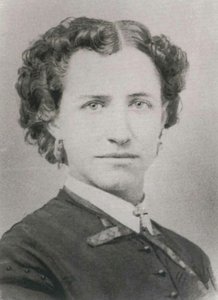
Elizabeth Jane Gardner Bouguereau
1837 - 1922 , United States of America
基本情報
- Artistic Movement Or Style: Academic painting, Salon art
- Artists Who Influenced This Artist:
- Bouguereau
- Lefebvre
- Barye
- Date Of Birth: October 4, 1837
- Date Of Death: January 28, 1922
- Full Name: Elizabeth Jane Gardner Bouguereau
- Nationality: American
- Notable Artworks:
- Shepherd David
- Cinderella
- Corinne
- Garde
- In the woods
- Place Of Birth: Exeter, USA
関連記事
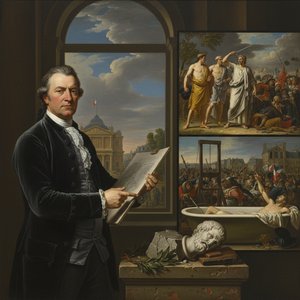
Jacques-Louis David: Neoclassical Ideals & Revolutionary Witness
Explore the life & art of Jacques-Louis David, leading Neoclassical painter of the French Revolution. Discover iconic works like 'The Death of Marat' and his lasting impact on art history. Expert analysis & high-quality reproductions at ArtsDot.
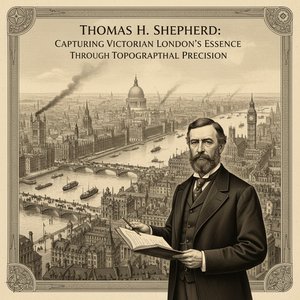
Thomas H. Shepherd: Capturing Victorian London's Essence Through Topographical Precision
Explore the exquisite topographical paintings of Thomas H. Shepherd, renowned for his detailed depictions of Victorian London and beyond. Discover his legacy & artistic techniques.

Idyllic Visions: Exploring Pastoral Scenes in Art History – From Arcadia to Modern Interpretations
Explore the captivating history of pastoral art, from classical Arcadia to 19th-century masterpieces. Discover key artists like Millet & Cole and find serene landscape paintings for your home at ArtsDot.

Idyllic Visions: Exploring the Pastoral Scene in Art History – From Arcadia to Modern Interpretations
Explore the captivating history of pastoral art from classical Arcadia to modern masterpieces. Discover key artists like Millet & Cole at ArtsDot. Find serene landscape paintings for your home.
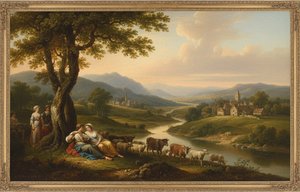
Idyllic Visions: Exploring the Pastoral Tradition in Western Art – Themes, Techniques & Enduring Appeal
Explore the rich history of pastoral art from classical Arcadia to contemporary interpretations. Discover key artists, themes & collecting tips at ArtsDot.