

 プレビュー
プレビュー
 プリントを購入
 シェアする
シェアする シェアする
シェアする
 詳細を見る
詳細を見る

 ダウンロード
 似ている作品
 X線調査
X線調査 スライドショー
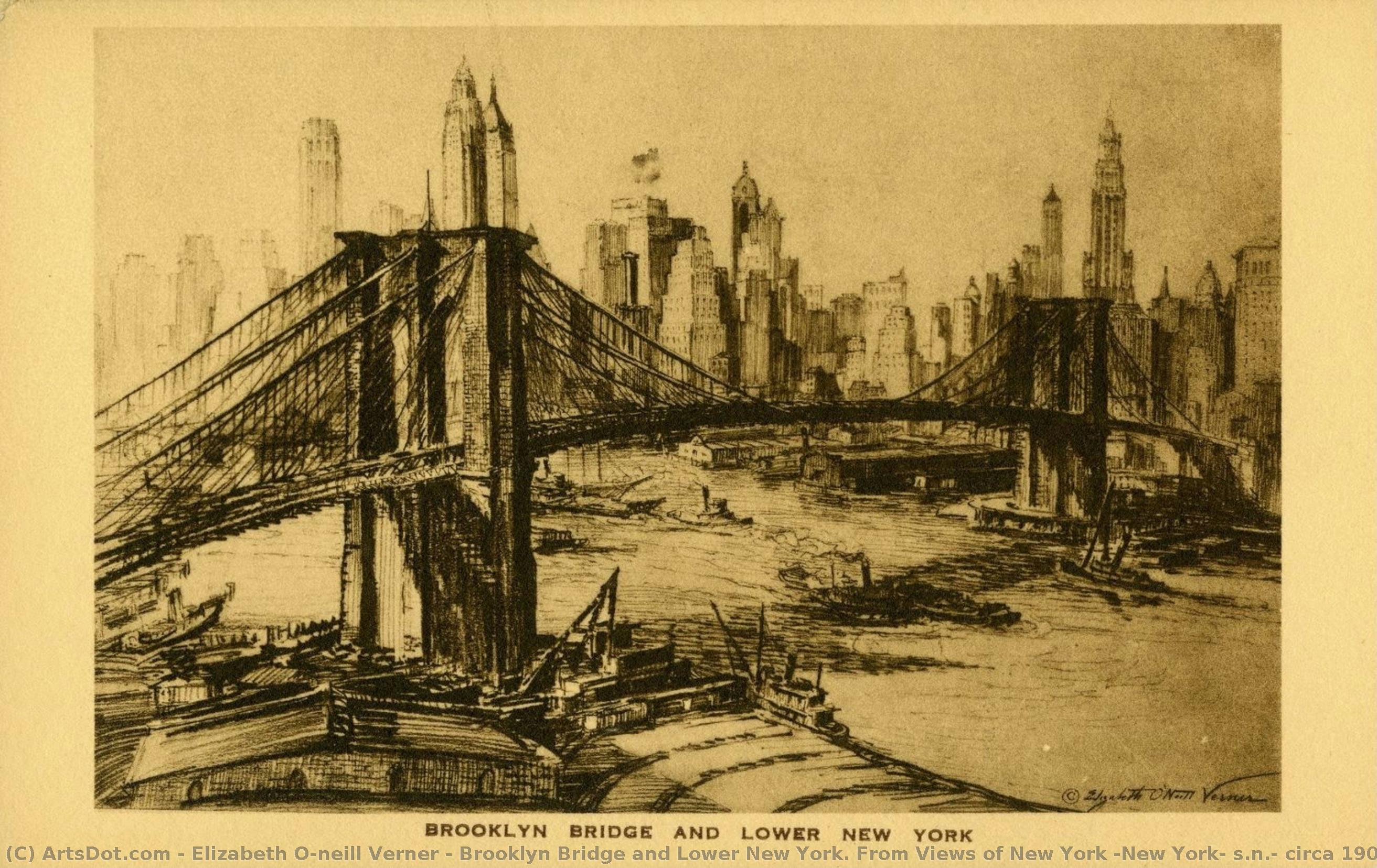
Brooklyn Bridge and Lower New York. From Views of New York (New York: s.n., circa 1900)


 詳細を見る
詳細を見る
オンラインプレビューをはるかに凌ぐ、高解像度で鮮明なデジタル画像をご購入いただけます。
各ファイルは、社内の専門家が高度なツールと熟練した手作業によるレタッチを用いて、細心の注意を払って準備されています。すべての画像において、卓越した鮮明度、正確な色彩再現性、そして繊細なディテールを保証いたします。
最終ファイルは、プロフェッショナルな編集・印刷環境ですぐにご利用いただけるよう最適化された状態で、72時間以内にメールにてお届けいたします。これは、一流のデザインスタジオ、出版社、ギャラリーから信頼されているものと同等の品質です。
デジタル画像のご注文に付随する特典
高品質なデジタル画像配信を、確かな品質で。
ArtsDot.com を選ぶことは、単に画像を手に入れることではありません。それは、プロの手によって精密に仕上げられ、満足保証が付いた高品質なデジタルアートワークを受け取ることを意味します。ご注文いただいた際に自動的に付随する内容は、以下の通りです:

メールですぐにお届け
ご注文から72時間以内に、高解像度のデジタル画像ファイルがメールでお手元に届きます。すぐにそのままご利用いただけます。

AI技術で最適化されたデジタルファイル
お客様の作品は、高度なAIツールと専門家による手作業の編集を組み合わせてプロフェッショナルに最適化されており、細部のディテール、鮮明さ、そして正確な色再現性を最大限に引き出しています。

一生涯無料の再送サービス
ファイルを誤って削除したり、紛失してしまったりしましたか?ご安心ください。いつでも無料で再送いたします。

輸入手数料は一切かかりません
関税や手数料、配送料を気にすることなく、お気に入りのアートワークをすぐにお楽しみいただけます。デジタルダウンロードは常に免税です。

色彩再現の保証
プロ仕様のツールとカラーマネジメント技術を用いることで、デジタル画像が元の色を最大限に忠実に再現することを保証いたします。

60日間満足保証
ご購入いただいたデジタル画像にご満足いただけない場合は、60日以内であれば、修正または100%の返金(理由を問う必要はありません)をさせていただきます。

100% 返金保証
ご満足いただけない場合は、デジタルファイルを受け取ってから60日以内であれば、理由を問わず全額返金いたします。

まとめ買い割引
3枚購入で10%OFF - 5枚購入で15%OFF - 10枚以上購入で20%OFF。クリエイティブなプロジェクト、ギャラリー、エージェンシーに最適です。
Elizabeth O'Neill Verner: Capturing Charleston’s Soul Through Delicate Line
Elizabeth O’Neill Verner (1883-1979), an American artist, author, lecturer, and preservationist, stands as a cornerstone of Charleston Renaissance art. Revered as “the best-known woman artist of South Carolina of the twentieth century,” Verner dedicated her life to documenting the beauty and heritage of her beloved city—a mission beautifully realized in works like “Brooklyn Bridge and Lower New York. From Views of New York (New York: s.n., circa 1900),” a postcard that transcends its humble format to embody the spirit of an era.
Verner’s artistic journey began with formative studies under Alice Ravenel Huger Smith, establishing her connection to Charleston's burgeoning art circles and fostering a lifelong passion for capturing the essence of Southern landscapes. Her formal training extended beyond local influences; she pursued advanced education in Philadelphia, honing her skills alongside prominent artists like Thomas Anshutz.
A Visionary’s Technique: Etching and Pastel
“Brooklyn Bridge and Lower New York” exemplifies Verner's masterful technique—primarily etching combined with pastel. The etching process allowed for precise detail and tonal gradation, capturing the architectural grandeur of the bridge against the muted hues of the cityscape. However, Verner skillfully augmented this foundational method with pastel, layering soft colors to imbue the image with warmth and luminosity. This dual approach created a visual experience that is both technically sophisticated and emotionally resonant.
Historical Context: Charleston’s Transformation
Created around 1900, “Brooklyn Bridge and Lower New York” reflects Charleston's rapid transformation during the Gilded Age—a period marked by industrial expansion and burgeoning tourism. The bridge itself symbolizes progress and connectivity, juxtaposed against the traditional buildings of downtown Charleston, representing a dialogue between past and present. Verner’s depiction captures this dynamic interplay, offering viewers a glimpse into a pivotal moment in Charleston's cultural history.
Symbolism: Light and Atmosphere
Beyond its architectural representation, “Brooklyn Bridge and Lower New York” communicates deeper symbolic meanings. The artist skillfully employs light—particularly diffused sunlight—to illuminate the bridge and surrounding buildings, creating an atmosphere of serenity and contemplation. This deliberate use of illumination underscores Verner’s desire to convey not merely what she saw but also how she felt about Charleston—a city brimming with beauty and imbued with a sense of timelessness.
Emotional Impact: A Legacy of Observation
"Brooklyn Bridge and Lower New York" isn't just an image; it's a testament to Verner’s unwavering dedication to observation and artistic expression. Her meticulous attention to detail—the reflections in the water, the subtle variations in color—invite viewers to immerse themselves in the scene and experience its emotional depth. This enduring artwork continues to inspire admiration for Verner’s artistry and her profound connection to Charleston's cultural heritage.
A reproduction of this captivating piece would bring a touch of Charleston Renaissance elegance into any interior space, reminding us of the power of art to preserve memory and convey emotion.
作家の略歴
A Charleston Renaissance Luminary
Elizabeth O’Neill Verner, often celebrated as “the best-known woman artist of South Carolina of the twentieth century,” was a pivotal figure in the flourishing artistic landscape of the Charleston Renaissance. Born December 21, 1883, into a prominent Charleston family, her life became an eloquent testament to dedication, adaptation, and a profound love for her city’s heritage. From her earliest explorations with brush and etching needle, Verner demonstrated a remarkable talent nurtured by supportive parents who recognized the spark within her. This early encouragement led her to initial studies under Alice Ravenel Huger Smith, a foundational influence in Charleston's burgeoning art circles, setting the stage for a career that would intertwine artistic expression with historical preservation.Formative Years and Artistic Development
Verner’s formal training extended beyond Charleston’s vibrant local scene. She ventured north to Philadelphia, honing her skills at the prestigious Pennsylvania Academy of Fine Arts between 1901 and 1903 under the tutelage of Thomas Anshutz. This period provided a crucial grounding in classical techniques, shaping her observational abilities and understanding of form. Upon returning to Charleston, she continued her artistic journey with Gabrielle D. Clements and Ellen Day Hale, expanding her repertoire into printmaking – etching and drypoint becoming early specialties. These formative experiences weren’t merely about mastering technique; they fostered a spirit of collaboration and community engagement. Verner became a founding member of the Charleston Etchers Club and played an instrumental role in establishing the Southern States Art League, demonstrating a commitment to fostering a thriving artistic ecosystem within the region. Marriage to E. Pettigrew Verner in 1907 brought domestic happiness and two children, but it was the tragic loss of her husband in 1925 that dramatically reshaped her path, compelling her to embrace a professional art career to provide for her family.Adaptation, Preservation, and a Unique Pastel Vision
The necessity of self-support spurred Verner to adapt her artistic style to meet the demands of the market while remaining true to her aesthetic sensibilities. She skillfully balanced creating prints and illustrations appealing to tourists captivated by Charleston’s history and architecture with securing commissions that allowed her to contribute meaningfully to preservation efforts. Her work documenting historic buildings became particularly significant, earning recognition from institutions like the Williamsburg Historic District, Harvard Medical School, Princeton University, and the University of South Carolina. However, it was her sensitive portraits of African American flower vendors that truly distinguished her oeuvre. These depictions weren’t simply representations; they were glimpses into Charleston's social fabric, capturing the dignity and character of individuals often overlooked. In the 1930s, inspired by Laura Coombs Hills, Verner embarked on a fascinating exploration of pastels, developing a unique technique using oil pastels on raw silk mounted to wood – a method that allowed for an extraordinary richness of texture and color. This innovative approach became a hallmark of her later work, further solidifying her reputation as a versatile and experimental artist. Her literary contributions, including *Prints and Impressions of Charleston* and *Other Places*, showcased her ability to translate her artistic vision into accessible narratives, broadening her audience and sharing her experiences with the world.Legacy and Enduring Influence
Elizabeth O’Neill Verner's influence extends far beyond the canvases and prints she created. She was a vital force in shaping the Charleston Renaissance, a cultural movement that revitalized the city’s artistic spirit during the early 20th century. Her dedication to documenting historic architecture played an undeniable role in preserving Charleston’s unique architectural heritage for future generations. Her work serves as both a historical record and a testament to the power of art to inspire preservation. The Elizabeth O'Neill Verner Governor's Award for the Arts, established in her honor, continues to recognize artistic excellence within South Carolina each year, ensuring that her legacy endures. Today, her works are held in prestigious collections including the Harvard Art Museums, the Charleston Museum, the Smithsonian American Art Museum, and the Delaware Art Museum – a testament to her lasting impact on the art world. Verner’s story is one of resilience, artistic innovation, and unwavering commitment to her community, solidifying her place as a true icon of Southern art history.
Elizabeth O'Neill Verner
1883 - 1979 , United States of America
プロフィール概要
- Artistic Movement Or Style: Charleston Renaissance
- Artists Who Influenced This Artist:
- Alice Ravenel Huger Smith
- Thomas Anshutz
- Date Of Birth: December 21, 1883
- Date Of Death: April 17, 1979
- Full Name: Elizabeth O'Neill Verner
- Nationality: American
- Notable Artworks:
- Flower Vendor Portraits
- Historic Charleston Buildings
- Place Of Birth: Charleston, USA

