

 プレビュー
プレビュー
 シェアする
シェアする シェアする
シェアする
 詳細を見る
詳細を見る

 ダウンロード
 似ている作品
 X線調査
X線調査 スライドショー
 統計情報
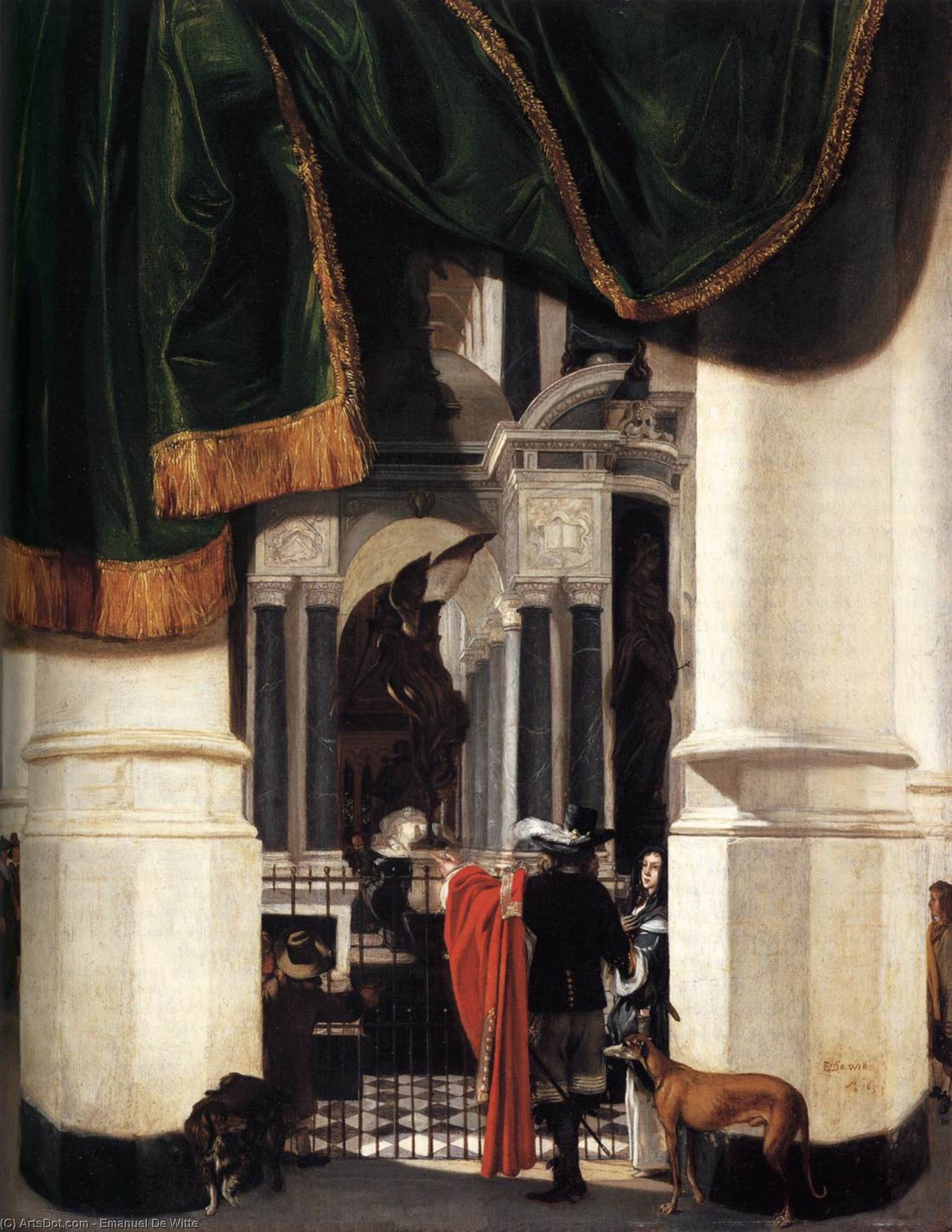
統計情報Tomb of William the Silent in the Nieuwe Kerk, Delft, with an Illusionistic Curtain
 Oil On Canvas
- WallArt
- Dutch Golden Age
 1653
1653- Early Modern
 83.0 x 65.0 cm
 詳細を見る
詳細を見る
手描き油彩複製画
当社のアーティストが、お客様のご希望のサイズと額縁に合わせて、キャンバスに手描きで制作する油彩画です。 ( プリント版に切り替え デジタル画像販売へ切り替え)




P118B $10

P118H $10

P118W $10

P438Z $10

P508JH $12

P508YH $12

P805H $10

P805Z $10

P919BZ $10

P919G $10

P919XJ $10

P959ZH $10

P968JZ $12

W106C $8

W218G $10

W218JH $8

W218Y $10

W307PJ $10

W316G $10

W316PJ $8

W316Y $10

W398PJ $8

W4111J $10

W500HY $15

W500JH $15

W692G $12

W849H $8

W940BG $15

W953PJ $8




作品のオリジナル比率に合わせた、当店の規定サイズからお選びください。

特定のフレームやスペースに合わせて、ご希望のサイズをご入力いただけます。選択されたサイズが元の画像の比率と異なる場合、アートワークをトリミングするか、手描きで要素を追加して絵画を拡張いたします。デジタルモックアップ を制作し、制作開始前にご確認(承認)をいただきます。
画面上のプレビューは、実際のトリミングや拡張を正確に反映しているものではありません。最終的な構図は、モックアップによってのみ正確にご確認いただけます。
カスタムサイズもご利用いただけますが、元の比率を維持するためには、あらかじめ用意されたリストからサイズを選択することをお勧めいたします。
ご注文後、ArtsDot.com チームより詳細な指示をお送りするとともに、仕上がりイメージ(モックアップ)をご提供いたします。


 ガラスオプションは、110cm未満のサイズでのみご利用いただけます。

Tomb of William the Silent in the Nieuwe Kerk, Delft, with an Illusionistic Curtain
複製技法
複製画のサイズ
-


合計金額
$ 263
A Portal into the Dutch Golden Age
In the quiet, hallowed corridors of the Nieuwe Kerk in Delft, there exists a moment frozen in time, captured with breathtaking mastery by Emanuel de Witte. His 1653 masterpiece, Tomb of William the Silent in the Nieuwe Kerk, Delft, with an Illusionistic Curtain, is far more than a mere architectural study; it is a profound exploration of light, shadow, and the theatricality of sacred space. De Witte, a virtuoso of the Dutch Golden Age, moves beyond the rigid precision of his contemporaries to offer something much more elusive: the very soul of the cathedral. As the eye wanders through the composition, one is struck by the way the artist utilizes an illusionistic curtain to tease the viewer, acting as a velvet threshold between the mundane world and the divine grandeur of the monument dedicated to the Father of the Fatherland.
The painting invites us into a realm where the boundaries of reality seem to soften. While the subject matter centers on the solemnity of the tomb, De Witte infuses the scene with a sense of lived experience. The interplay of light filtering through unseen windows creates a rhythmic dance across the stone surfaces, highlighting the textures of the masonry and the heavy, draped fabrics that command the foreground. This technique does not merely document a location; it orchestrates an atmosphere of reverence and quiet drama, making the viewer feel as though they are standing amidst the cool, echoing silence of the Delft church itself.
The Mastery of Light and Illusion
Technically, this work stands as a testament to De Witte’s unparalleled ability to manipulate perspective and luminosity. Unlike the meticulous architectural renderings of Pieter Saenredam, De Witte prioritizes the emotional resonance of space. He employs a sophisticated palette that, while grounded in the earthy tones of stone and shadow, is elevated by the brilliant, almost supernatural highlights that define the edges of the illusionistic curtain. This use of chiaroscuro serves a dual purpose: it provides a structural depth that pulls the viewer into the painting's interior, and it creates a sense of mystery, suggesting that much of the sacred space remains hidden in the soft, atmospheric gloom.
For the discerning collector or interior designer, this piece offers an unparalleled opportunity to introduce a sense of historical weight and intellectual depth into a room. The composition’s balance between the heavy, tactile foreground elements and the airy, receding architectural details allows it to serve as a sophisticated focal point. Whether placed in a formal study or a contemporary gallery-style living space, the painting acts as a window into the 17th century, providing a conversation piece that speaks of heritage, artistry, and the enduring power of the Dutch masters.
A Legacy of Spiritual Resonance
Beyond its technical brilliance, the painting carries a profound symbolic weight. The tomb of William the Silent is not just a historical marker; it is a symbol of national identity and resilience. By framing this monument with an illusionistic curtain, De Witte suggests that history itself is something to be unveiled, a layered narrative waiting for the observant eye to discover its truths. There is a palpable sense of memento mori—a reflection on mortality and the passage of time—yet it is balanced by the enduring strength of the architecture and the light that refuses to be extinguished.
Owning a high-quality reproduction of this work means bringing more than just decor into a home; it means hosting a piece of the Dutch Golden Age. It is an invitation to contemplate the beauty found in the interplay of shadow and light, and to find inspiration in the quiet, monumental moments of human history. De Witte’s ability to capture the "feeling" of a space ensures that this painting remains as emotionally potent today as it was when the first brushstrokes were applied in 1653.
関連作品

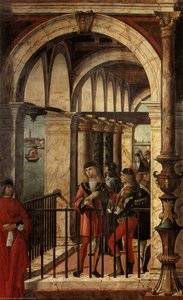
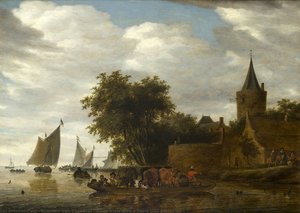
アーティストの略歴
遠近法の中の人生:エマヌエル・ド・ウィッテの世界
エマヌエル・ド・ウィッテという名は、彼の同時代のオランダ黄金時代を彩った巨匠たちほどすぐに思い浮かぶものではないかもしれませんが、17世紀の巨匠たちの殿堂において、確固として重要で魅力的な地位を占めています。1617年にアルクマールで生まれたド・ウィッテの芸術的な道のりは、目覚ましい才能とかなりの個人的な動揺が混在するものでした。この二面性は、まるで彼の絵画そのものの雰囲気にそっと染み込んでいるかのようです。彼は、ピーター・セーネラダムのような緻密な建築記録を描くことに駆り立てられたわけではありませんでした。むしろ、彼が求めたのは、空間の「感覚」、光の質、そして神聖な内部で繰り広げられる繊細なドラマそのものでした。彼のキャンバスは単なる教会の描写ではなく、鑑賞者を静かな瞑想と精神的な共鳴の世界へと誘う、没入型の体験なのです。デルフトでの修行からアムステルダムの抱擁へ
ド・ウィッテの初期の生活は、彼の芸術的探求に確固たる基盤を提供しました。学校教師であった父は、彼に学習への愛と知的好奇心を植え付けました。それは後に、遠近法や光に対する彼の注意深い観察という形で現れることになります。彼は1636年にアルクマールの聖ルクギルドに入会することで正式に芸術の世界に足を踏み入れましたが、特に形成的な影響を与えたのは、デルフトでのエベルト・ファン・アエルストによる後年の徒弟制度でした。著名な静物画家であったファン・アエルストは、ド・ウィッテに細部への鋭い眼差しと、光と影を巧みに操る技術を授けました。これらは彼の成熟した様式の代名詞となるスキルとなりました。当初、ド・ウィッテは肖像画、神話的な場面、宗教的な物語など様々なジャンルを探求しましたが、真に自分の天職を見出したのは1651年にアムステルダムへ移住してからでした。この街が持つ壮麗な教会群は尽きることのないインスピレーションの源となり、彼はそれらの畏敬の念を抱かせる内部空間を描くことに特化し始めたのです。雰囲気と想像上の空間の巨匠
アムステルダムはド・ウィッテの芸術的発展にとって極めて重要な場所となりました。彼は単に既存の教会の空間を再現したわけではありません。むしろ、異なる建物から要素を見事に統合し、馴染み深でありながらもかすかに異世界のような理想化された内部空間を創り出したのです。アムステルダムのオウデ・ケルクは頻繁な題材となり、様々な視点から彼のキャンバスに繰り返し現れました。しかし、これらは単純な描写ではありませんでした。ド・ウィッテは遠近法を操作し、光と影を巧みに操り、計算され尽くした配置の人物たちで空間を満たすことで、特定のムードや雰囲気を呼び起こしたのです。ウォルター・リートケが指摘したように、彼の主な関心は建築そのものではなく、「空間そのもの――その光、色彩、広がり、そしてムード」にあったのです。この雰囲気への強調こそが、彼を同時代のより硬直的な地形描写の画家たちと区別しています。彼は正確な再現性に心を砕いていたのではなく、壮大さ、畏敬の念、そして精神的な深さという「感覚」を生み出すことに情熱を注いでいたのです。影に彩られた人生
芸術的な成功にもかかわらず、ド・ウィッテの私生活は困難に苛まれました。最初の妻の死は深い悲しみをもたらし、その後の二番目の妻や娘をめぐる法的な問題が彼の晩年に長い影を落としました。経済的な困窮は彼を美術商ヨリス・デ・ウィスへの奉公という屈辱的な立場に追いやり、彼は最終的にこの状況を破り出し、さらなる複雑な事態を引き起こしました。同時代の記録は、気まぐれで感情の起伏が激しい性格を描き出しています。顧客に対して怒鳴りつけたり、口論をしたりする傾向があったとされます。この内面の動揺は、彼の晩年の作品の不安定さに寄与したのかもしれませんが、同時に芸術家とその創造物に対する我々の理解にさらなる複雑な層を加えています。悲劇的なことに、ド・ウィッテの人生は1692年に終焉を迎えます。彼は運河の橋から首吊りを試みたとされ、ロープが切れ、溺死したのです。それは、神聖な空間の美しさと静けさを捉えることに生涯を捧げた男にとって、あまりにも陰鬱な結末でした。遺産と永続する影響
エマヌエル・ド・ウィッテは、オランダにおける建築絵画の最後の段階において重要な人物として立ち、緻密な記録と雰囲気による解釈というギャップを埋めました。光と遠近法に対する彼の革新的な使用法は後世の芸術家たちに影響を与え続け、彼の作品は17世紀のオランダの宗教生活や社会習慣について貴重な洞察を提供し続けています。今日、ド・ウィッテの作品はメトロポリタン美術館、ナショナルギャラリー・オブ・アート、ライクスミュージアムなど世界中の名門コレクションに所蔵されており、遠近法、雰囲気、そして感情的な共鳴の巨匠としての彼の不朽の遺産を物語っています。彼は、芸術とは単に見るものではなく、それを見るときに我々が「感じる」ものであるのだと、私たちに思い出させてくれるのです。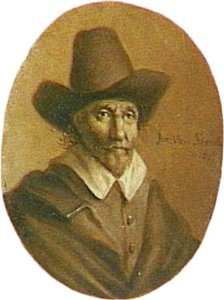
エマヌエル・ド・ヴィット
1617 - 1692 , オランダ
基本情報
- Artistic Movement Or Style: バロック美術
- Artists Or Movements Influenced By This Artist: ['後期の芸術家']
- Artists Who Influenced This Artist: ['エベルト・ファン・アエルスト']
- Date Of Birth: 1617年
- Date Of Death: 1692年
- Full Name: エマヌエル・デ・ヴィッテ
- Nationality: オランダ人
- Notable Artworks:
- アムステルダムの旧教会...
- 旧教会の内部
- プロテスタントゴシック教会
- Place Of Birth: アルクマール、オランダ
関連記事
Illuminating Realism: Exploring the Dutch Golden Age of Painting (1600-1700)
Explore the Dutch Golden Age of painting (1600-1700) with ArtsDot. Discover Rembrandt, Vermeer & other masters. Learn about techniques, history & find museum-quality reproductions.

Illuminating Innovation: Exploring the Dutch Golden Age of Painting
Explore the Dutch Golden Age of painting with ArtsDot. Discover Rembrandt, Vermeer & other Masters. Learn about key characteristics, iconic artworks, and lasting influence. Expert insights for collectors & enthusiasts.

Golden Age Reflections: Dutch Baroque Painting & Cultural Innovation
Explore the Dutch Golden Age of painting! Discover key artists like Vermeer & ter Borch, their innovative techniques, and the rich cultural context behind these Baroque masterpieces. Learn about collecting & appreciating this iconic art period.
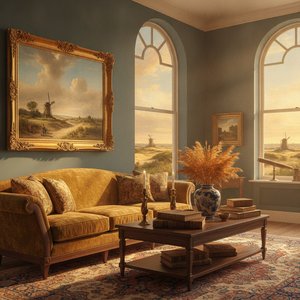
Golden Light & Dutch Skies: Bringing the Magic of Dutch Golden Age Landscapes into Your Home
Transform your home with the breathtaking light of Dutch Golden Age landscapes. Discover how hand-painted oil reproductions of masterworks like Ruisdael and Vermeer bring timeless elegance, atmosphere, and soulful texture to modern interiors. Elevate your space with museum-quality art.

黄金世紀の巨匠たち:バロック絵画が彩る10選|ArtsDot
オランダ黄金時代の10大傑作を紐解く!レンブラント、フェルメール…バロック絵画の魅力と時代背景を深く探求。ArtsDotで、至高のアートコレクションと空間演出のヒントを見つけよう。高品質なアートプリントで、お部屋を華やかに。