

 プレビュー
プレビュー
 プリントを購入
 シェアする
シェアする シェアする
シェアする
 詳細を見る
詳細を見る

 ダウンロード
 似ている作品
 X線調査
X線調査 スライドショー
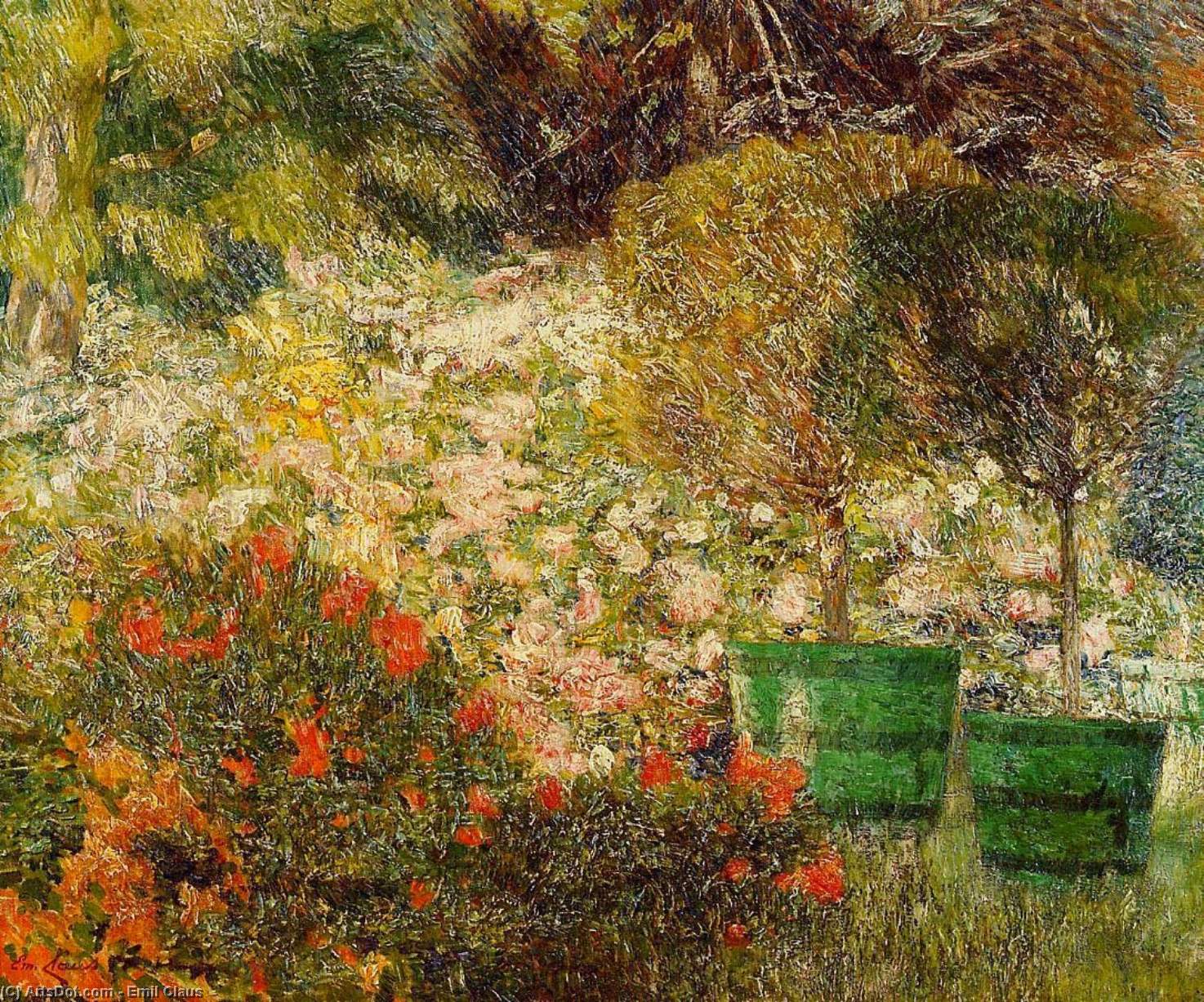
A Corner of My Garden


 詳細を見る
詳細を見る




P118B $10

P118H $10

P118W $10

P438Z $10

P508JH $12

P508YH $12

P805H $10

P805Z $10

P919BZ $10

P919G $10

P919XJ $10

P959ZH $10

P968JZ $12

W106C $8

W218G $10

W218JH $8

W218Y $10

W307PJ $10

W316G $10

W316PJ $8

W316Y $10

W398PJ $8

W4111J $10

W500HY $15

W500JH $15

W692G $12

W849H $8

W940BG $15

W953PJ $8




作品のオリジナル比率に合わせた、当店の規定サイズからお選びください。

特定のフレームやスペースに合わせて、ご希望のサイズをご入力いただけます。選択されたサイズが元の画像の比率と異なる場合、アートワークをトリミングするか、手描きで要素を追加して絵画を拡張いたします。デジタルモックアップ を制作し、制作開始前にご確認(承認)をいただきます。
画面上のプレビューは、実際のトリミングや拡張を正確に反映しているものではありません。最終的な構図は、モックアップによってのみ正確にご確認いただけます。
カスタムサイズもご利用いただけますが、元の比率を維持するためには、あらかじめ用意されたリストからサイズを選択することをお勧めいたします。
ご注文後、ArtsDot.com チームより詳細な指示をお送りするとともに、仕上がりイメージ(モックアップ)をご提供いたします。


 ガラスオプションは、110cm未満のサイズでのみご利用いただけます。

A Corner of My Garden
複製技法
複製画のサイズ
-


合計金額
$ 263
作品解説
A Celebration of Flemish Light: Exploring Emile Claus’s “A Corner of My Garden”
The year is 1901. Sint-Eloois-Vijve, Belgium—a village steeped in maritime tradition and bathed in the ethereal glow of the Lys River—serves as the backdrop for Emile Claus’s masterpiece, “A Corner of My Garden.” More than just a depiction of flora, this painting embodies a profound philosophical meditation on beauty, memory, and the enduring power of observation. Claus, born in 1849 amidst a sprawling family legacy, initially pursued a pragmatic path—a stark contrast to the artistic fervor that would ultimately define his life’s work. Yet, from childhood, he possessed an innate fascination with drawing, fueled by weekly excursions to Waregem for art lessons, establishing a formative connection with artistic expression.Style and Technique: Impressionistic Reverie
Claus’s stylistic approach firmly resides within the Impressionist movement, albeit tempered by his own distinctive sensibilities. Rejecting academic conventions—the meticulous rendering of form and detail favored by earlier generations—he embraced a looser brushstroke technique, prioritizing capturing fleeting moments of light and color. Thick impasto—a textural layering of paint—dominates the canvas, particularly evident in the vibrant reds of the central flowerbeds. This deliberate manipulation of pigment isn’t merely decorative; it serves to convey an emotional resonance that transcends mere visual representation. Claus skillfully employs complementary colors—greens juxtaposed against reds—to heighten visual impact and create a sense of dynamism within the tranquil garden scene.Historical Context: The Dawn of Modern Flemish Painting
“A Corner of My Garden” emerged during a pivotal period in Belgian art history, marking the burgeoning influence of Impressionism on the Flemish landscape. Prior to Claus’s artistic breakthrough, Belgian painting largely adhered to Romantic ideals—grand narratives and dramatic compositions reflecting heroic themes. However, Claus championed a more contemplative aesthetic, mirroring the broader cultural shift toward valuing subjective experience and capturing the nuances of everyday life. His work aligns with the broader European trend towards Impressionism, responding to the burgeoning fascination with scientific discoveries concerning light and color—particularly Claude Monet’s groundbreaking experiments in plein air painting.Symbolism Within Bloom: The Language of Color
Beyond its stylistic merits, “A Corner of My Garden” is laden with symbolic significance. The dominant red hues—representing passion, vitality, and perhaps even remembrance—are strategically positioned to draw the viewer’s eye and evoke feelings of warmth and exuberance. The carefully arranged flowers aren't merely aesthetically pleasing; they symbolize fertility, renewal, and the cyclical nature of life itself. Furthermore, the inclusion of benches invites contemplation—a deliberate gesture encouraging viewers to pause and appreciate the beauty of their surroundings. Claus’s meticulous attention to detail—the subtle variations in petal texture and leaf shape—underscores his belief that art should strive for an honest portrayal of reality, capturing not just what is seen but also what is felt.Emotional Resonance: A Quiet Triumph
Ultimately, “A Corner of My Garden” succeeds in conveying a profound emotional depth. Despite its seemingly simple subject matter—a garden tableau—the painting exudes an aura of serenity and contemplative joy. Claus’s masterful manipulation of light and color creates an immersive experience for the viewer, transporting them to Sint-Eloois-Vijve and inviting them to share in the painter's appreciation for the beauty of nature. It stands as a testament to Claus’s unwavering commitment to capturing the essence of human experience—a quiet triumph that continues to inspire admiration and resonate with collectors seeking authentic expressions of artistic vision.関連作品
アーティストの略歴
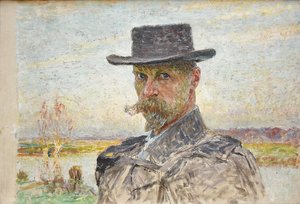
エミール・クラウス:光の画家、リス川の詩人
1849年9月27日、ベルギー西フランデレン州の小さな村、サン=エルーイ=ヴィーヴェで生まれたエミール・クラウス。彼の人生は、生まれ故郷の風景、特にリス川と不可分に結びついていました。アレクサンダー(食料品店主兼居酒屋経営者)とセレスティーヌ・ヴェルバウウェデ(ブラバント地方の船長の血を引く女性)という多大な家族の中で12番目の子供として育ったクラウスの幼少時代は、芸術とはかけ離れた実用的なものでした。しかし、少年時代から絵を描くことに並外れた情熱を示し、日曜日に3キロの道のりをワレヘムまで通い、地元の学校で教訓を受けていました。献身的に培われたこの才能が、最終的に彼を家族の期待から解放し、芸術への道を歩むことになります。
当初、父親は芸術家としてのキャリアに反対していましたが、クラウスは著名な作曲家ピーター・ベノワという予期せぬ支援者を見つけました。ベノワは彼の才能を認め、アレクサンダーを説得し、エミールがアントワープ王立美術アカデミーで学ぶことを許可しました。この転換的な決断は、クラウスの正式な芸術的訓練の始まりであり、ヤコブ・ジャコブスとニカイゼ・ド・ケイゼルという風景画家の指導の下で彼のスキルを磨きました。この時期に、彼は独特のスタイル—フランドルの田園地帯の美しさに根ざした、光り輝く印象派的なアプローチ—を発展させ始めました。
初期の影響と芸術的進化
クラウスの初期作品は、フランドル農民の日々の生活を反映した写実的な描写が特徴でした。しかし、パリで印象派運動に触れたことがきっかけとなり、彼の芸術的軌跡は劇的に変化しました。クロード・モネによって提唱された鮮やかな色彩と移ろいゆく光の効果に感銘を受けたクラウスは、厳格な写実主義から離れ、より主観的で大気的なスタイルを実験し始めました。この移行は、彫刻家オーギュスト・ロダン、作家エミール・ゾラ、ベルギーの小説家シリル・ブイス、エミール・ヴェルハーレン、ポール・ド・モン、モーリス・メーテルリンクといった他の著名な知識人や芸術家との交流によってさらに強化されました。
1883年にディーンゼ近くの魅力的なコテージ「ゾンネシュイン」(Sunshine)に移り住んだことは、重要な転換点となりました。リス川を見渡せる静かな環境は、クラウスが彼のシグネチャー・スタイル—光輝主義(luminism)—を発展させるための理想的な場所を提供しました。クラウスの影響下で進化を遂げた光輝主義は、光と大気の儚い質感を捉えることに重点を置いたものでした。しばしば、断片化された筆致と鮮やかなパレットを用いて、暖かさと輝きを感じさせました。このアプローチは、ベルギーの光輝主義をフランスのものとは区別し、フランドルの風景のユニークな美しさを強調しました。
光輝主義様式と主要作品
クラウスの芸術的ビジョンは、今日でも観客を魅了し続ける一連の象徴的な絵画で頂点に達しました。1887年の『ピクニック』は、川沿いで家族がゆったりとした午後を楽しむ様子を描いており、彼のシーンの牧歌的な美しさと光と色彩の微妙なニュアンスを捉える能力を示しています。同様に、『ビート収穫』(1890年)は、断片化された筆致と鮮やかな色調を巧みに用いて、農村労働のエネルギーとドラマを表現しています。彼の作品『氷の鳥』(1891年)は、凍った風景で遊ぶ子供たちを描いたものであり、冬の美しさと憂鬱の両方に敏感であることを明らかにしています。
クラウスの最も有名な作品の一つに、『リス川を渡る牛』(1899)があります。黄金色の光と輝く反射に包まれたこの絵画は、光輝主義の本質—細部まで丁寧に表現され、感情的な深みを持つ自然界の祝典—を体現しています。この絵画がディーンゼ博物館とリス川地域に寄贈された際、「博物館が建てられなければならない」という条件が付いていたことは、地域社会におけるその重要性を示しています。
遺産と歴史的意義
エミール・クラウスのベルギー芸術への影響は、彼の個人的な業績をはるかに超えています。彼は光輝主義を独特の芸術運動として確立する上で重要な役割を果たし、フランドルの風景の美しさを捉えるという情熱を共有する活気のある芸術家コミュニティを育成しました。彼の影響は、後世のベルギー人画家たちの作品に見られ、彼の遺産は今日でもアーティストにインスピレーションを与え続けています。
第一次世界大戦によりクラウスはロンドンに亡命し、そこでリス川(テムズ川)の様々な気象条件下の研究を続けました。戦争後、アステネに戻った彼は1924年6月14日に亡くなるまでそこに留まり、豊かで永続的な芸術的遺産を残しました。エミール・クラウスの絵画は単なる風景の描写ではありません。それらは光、色彩、感情の世界への窓であり—人生の美しさと本質を捉えることのできる芸術の力の証です。
エミール・クラウス
1849 - 1924 , ベルギー
基本情報
- Artistic Movement Or Style: 印象派、光輝主義
- Artists Or Movements Influenced By This Artist:
- オーギュスト・ロダン
- エミール・ゾラ
- Artists Who Influenced This Artist:
- ペーター・ベノワ
- クロード・モネ
- Date Of Birth: 1849年9月27日
- Date Of Death: 1924年6月14日
- Full Name: エミール・クラウス
- Nationality: ベルギー人
- Notable Artworks (List Of Titles):
- 網引き
- 牧草地での牛たち
- ピクニック
- ビート収穫
- 氷の鳥
- Place Of Birth (City And Country): ベルギー、サン=エルーイ=ヴィーヴ
関連記事
Cultivating Paradise: A Historical & Artistic Exploration of Gardens in Painting
Explore the rich history of gardens in painting! Discover masterpieces from Renaissance to Impressionism & beyond. Learn about symbolism, artists like Monet & Klimt, and find your perfect artwork at ArtsDot.

Evocations of Place: A Historical Journey Through Landscape Art
Explore the rich history of landscape art with ArtsDot. Discover renowned artists, movements like Impressionism & Romanticism, and expert guidance for collecting timeless pieces. Find your perfect serene escape today!
Evocations of Place: A Historical Journey Through Landscape Art
Explore the rich history of landscape art with ArtsDot. Discover renowned artists, movements like Impressionism & tonalism, and expert guidance for collecting timeless pieces. Find your perfect serene escape today!

ポール・セザンヌ:至高の25選 - 傑作と革新の軌跡 | ArtsDot
ポール・セザンヌの至高の25選。ポスト印象派を代表する画家、セザンヌの傑作と革新的な技法を紐解きます。ArtsDotで高品質な複製画やインテリアアートを見つけ、芸術の世界をご自宅に。今すぐコレクションをご覧ください。

Impressionistic Landscapes: 10 Masterpieces That Changed Art & Decor
Journey into the heart of Impressionism! Explore 10 masterpieces by Monet, Renoir & Degas that revolutionized landscape art. Discover their stories, techniques & find museum-quality reproductions to elevate your home decor on ArtsDot.com.

