

 プレビュー
プレビュー
 プリントを購入
 シェアする
シェアする シェアする
シェアする
 詳細を見る
詳細を見る

 ダウンロード
 似ている作品
 X線調査
X線調査 スライドショー
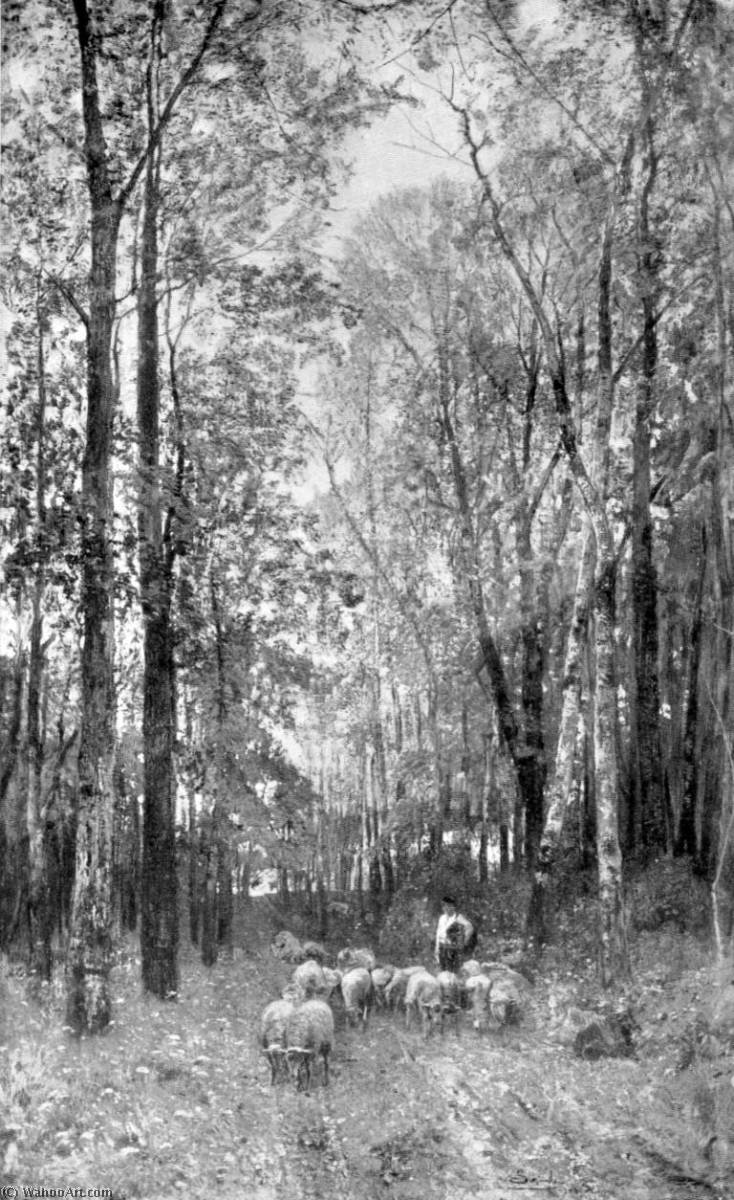
Forest Path with Sheeps (also known as Waldweg mit Schafen)


 詳細を見る
詳細を見る




P118B $10

P118H $10

P118W $10

P438Z $10

P508JH $12

P508YH $12

P805H $10

P805Z $10

P919BZ $10

P919G $10

P919XJ $10

P959ZH $10

P968JZ $12

W106C $8

W218G $10

W218JH $8

W218Y $10

W307PJ $10

W316G $10

W316PJ $8

W316Y $10

W398PJ $8

W4111J $10

W500HY $15

W500JH $15

W692G $12

W849H $8

W940BG $15

W953PJ $8




作品のオリジナル比率に合わせた、当店の規定サイズからお選びください。

特定のフレームやスペースに合わせて、ご希望のサイズをご入力いただけます。選択されたサイズが元の画像の比率と異なる場合、アートワークをトリミングするか、手描きで要素を追加して絵画を拡張いたします。デジタルモックアップ を制作し、制作開始前にご確認(承認)をいただきます。
画面上のプレビューは、実際のトリミングや拡張を正確に反映しているものではありません。最終的な構図は、モックアップによってのみ正確にご確認いただけます。
カスタムサイズもご利用いただけますが、元の比率を維持するためには、あらかじめ用意されたリストからサイズを選択することをお勧めいたします。
ご注文後、ArtsDot.com チームより詳細な指示をお送りするとともに、仕上がりイメージ(モックアップ)をご提供いたします。


 ガラスオプションは、110cm未満のサイズでのみご利用いただけます。

Forest Path with Sheeps (also known as Waldweg mit Schafen)
複製技法
複製画のサイズ
-


合計金額
$ 263
Forest Path with Sheeps (Waldweg mit Schafen): A Window Into Austrian Romantic Landscape Painting
The painting “Forest Path with Sheeps,” attributed to Emil Jakob Schindler, stands as a quintessential example of Austrian Romantic landscape art from 1875. More than just a depiction of scenery, it’s an exploration of emotion and memory—a testament to Schindler's masterful command of technique and his profound engagement with the artistic currents of his time. Examining its visual elements reveals layers of meaning that continue to resonate with viewers today.Composition and Technique: Capturing Atmosphere Through Detail
Schindler’s approach was rooted in the Dutch Masters, specifically Meindert Hobbema and Jacob Izaaksoon van Ruisdael, whose atmospheric realism profoundly influenced his artistic vision. He meticulously rendered a forest path winding through dense foliage, populated by sheep grazing peacefully. The vertical orientation of the canvas emphasizes the towering trees—a deliberate choice to convey grandeur and majesty. Lines dominate the composition; thick charcoal strokes delineate tree trunks and branches, creating a palpable sense of solidity and permanence. However, Schindler skillfully juxtaposes these strong lines with softer shading techniques to capture the diffused light characteristic of overcast days – a hallmark of Romantic landscape painting. The artist’s painstaking attention to detail—the texture of bark, the woolly coats of the sheep—demonstrates his commitment to conveying an illusion of reality.Historical Context: Schindler and the Romantic Spirit
Schindler's work emerged during a period marked by intellectual ferment and artistic experimentation. The Romantic movement championed emotion, imagination, and individualism, reacting against the Enlightenment’s emphasis on reason and scientific observation. Artists sought inspiration in folklore, mythology, and sublime landscapes—places where humanity confronted the overwhelming power of nature. Schindler’s depiction aligns perfectly with this ethos; it's not merely a record of a place but an attempt to evoke feelings of tranquility and contemplation – mirroring the broader Romantic preoccupation with spiritual experience. The painting reflects the anxieties of its time regarding industrialization and urbanization, presenting a nostalgic vision of rural life untouched by progress.Symbolism: Harmony Between Man and Nature
Beyond its aesthetic qualities, “Forest Path with Sheeps” carries symbolic weight. The shepherd guiding his flock represents humanity’s relationship with the natural world—a harmonious coexistence underpinned by respect for its rhythms and beauty. The sheep themselves symbolize innocence and pastoral virtue, embodying values cherished during the Romantic era. The winding path symbolizes life's journey, suggesting a contemplative pace and an awareness of the passage of time. Schindler skillfully uses light and shadow to heighten these symbolic resonances, creating a visual metaphor for inner peace and spiritual contemplation.Emotional Impact: A Timeless Expression of Beauty
The painting’s enduring appeal lies in its ability to transport viewers back to a bygone era—a moment when art served as a conduit for emotional expression and spiritual reflection. The grayscale palette contributes to the artwork's solemn mood, fostering a sense of stillness and contemplation. Schindler’s masterful rendering captures not just what the eye sees but what the soul feels – conveying a profound appreciation for the sublime grandeur of nature and its capacity to inspire awe and wonder. It remains a powerful reminder that art can transcend time, communicating universal themes of beauty, tranquility, and connection with the natural world.関連作品


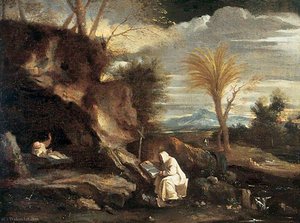
アーティストの略歴
Emil Jakob Schindler: Life and Legacy
Early Life and Education
- Born: 1842 in Fischamend, Austria.
- Schindler’s early life was marked by family tragedy; his father died when he was four years old. His mother remarried, leading to a complex family dynamic.
- He initially pursued a military career, joining the army in 1857 and potentially participating in the Battle of Solferino.
- In 1860, he abandoned his military aspirations and enrolled at the Academy of Fine Arts, Vienna, studying under Albert Zimmermann.
Artistic Influences and Development
- Influenced by Dutch Masters: Schindler drew significant inspiration from 17th-century Dutch landscape painters like Meindert Hobbema and Jacob Izaaksoon van Ruisdael, adopting their atmospheric realism.
- His early works focused on detailed depictions of nature, gradually evolving towards a more impressionistic style with looser brushwork and an emphasis on light and atmosphere.
- Travels to Venice, Dalmatia, France, and Holland broadened his artistic horizons and provided new subject matter.
Career and Major Works
- Schindler achieved early success with “Eine Waldschmiede” (A Forest Blacksmith), sold in 1864 shortly after his first public exhibition.
- He established himself as a landscape painter, capturing the beauty of the Vienna Woods, the Dalmatian coast, and other scenic locations.
- Notable Works Include: “Kaisermühlen on the Danube,” “Mountain Stream in the Ramau,” “February Atmosphere Early Spring in the Vienna Woods”, "Gosau Mill near Ischl", and “Flower Garden in Weissenkirchen”.
- In 1885, he began renting Castle Plankenberg, establishing an artists' colony where he taught several students.
- He received a commission from Crown Prince Rudolf of Austria to sketch coastal scenery in Dalmatia and Corfu as part of a larger project documenting the Austro-Hungarian monarchy.
Personal Life and Family
- Schindler’s personal life was complex, marked by marital challenges and suspected infidelity.
- He married Anna Sofie Bergen in 1879, and they had two daughters: Alma Mahler (a renowned composer and author) and Margaretha Julie (Grete).
- Rumors circulated regarding the paternity of his daughters, adding a layer of intrigue to his biography.
Achievements and Historical Significance
- Awards & Recognition: Schindler was awarded the Reichel-Preis in 1881, boosting his career and financial stability.
- He became an honorary member of both the Vienna Academy (1887) and the Munich Academy (1888).
- Legacy: Schindler’s work represents a bridge between traditional landscape painting and the emerging Impressionist movement. His atmospheric depictions of Austrian landscapes continue to be admired for their beauty and sensitivity.
- As the father of Alma Mahler, he is also remembered as part of a prominent artistic family.
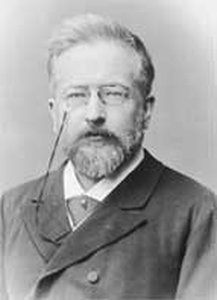
emil jacob schindler
1842 - 1892
基本情報
- Birth_Date: 1842
- Death_Date: 1892
- Influenced By: Dutch Masters (Hobbema, Ruisdael)
- Movement: Poetic Realism, Impressionism
- Name: Emil Jakob Schindler
- Nationality: Austrian
- Notable Works:
- Eine Waldschmiede
- Kaisermühlen on the Danube
- Flower Garden in Weissenkirchen
関連記事
Jan van Goyen: Master of Dutch Landscape & Atmospheric Perspective
Discover Jan van Goyen, the master of Dutch landscape painting. Explore his subtle technique, atmospheric realism & lasting influence on art history. Learn about this 17th-century pioneer at ArtsDot.
Charles Leickert: Capturing the Dutch Golden Age Light – A Comprehensive Study of Technique, Context, and Legacy
Explore the captivating winter landscapes of Charles Leickert, a master of Dutch Golden Age light & atmosphere. Discover his techniques, symbolism, and lasting legacy – a comprehensive study for art enthusiasts and collectors.
Golden Light & Dutch Skies: Bringing the Magic of Dutch Golden Age Landscapes into Your Home
Transform your home with the breathtaking light of Dutch Golden Age landscapes. Discover how hand-painted oil reproductions of masterworks like Ruisdael and Vermeer bring timeless elegance, atmosphere, and soulful texture to modern interiors. Elevate your space with museum-quality art.

ロマン派ランドスケープ:時代を彩る巨匠の10選|アートとインテリアの世界
ロマン派絵画の時代を彩る10選。巨匠たちの風景が織りなす感動の世界へ。ターナー、ルーベンスなど、名作の裏話と高精細複製でアートをお部屋に。ArtsDot.comで至福のアート体験を。
Jacob van Ruisdael: Master of Dutch Landscape & the Evocation of National Identity
Explore the life & work of Jacob van Ruisdael, the preeminent Dutch landscape painter. Discover his technical brilliance, symbolic depth, and lasting influence on art history. Learn about collecting Ruisdael's masterpieces.