

 プレビュー
プレビュー
 プリントを購入
 シェアする
シェアする シェアする
シェアする
 詳細を見る
詳細を見る

 ダウンロード
 似ている作品
 X線調査
X線調査 スライドショー
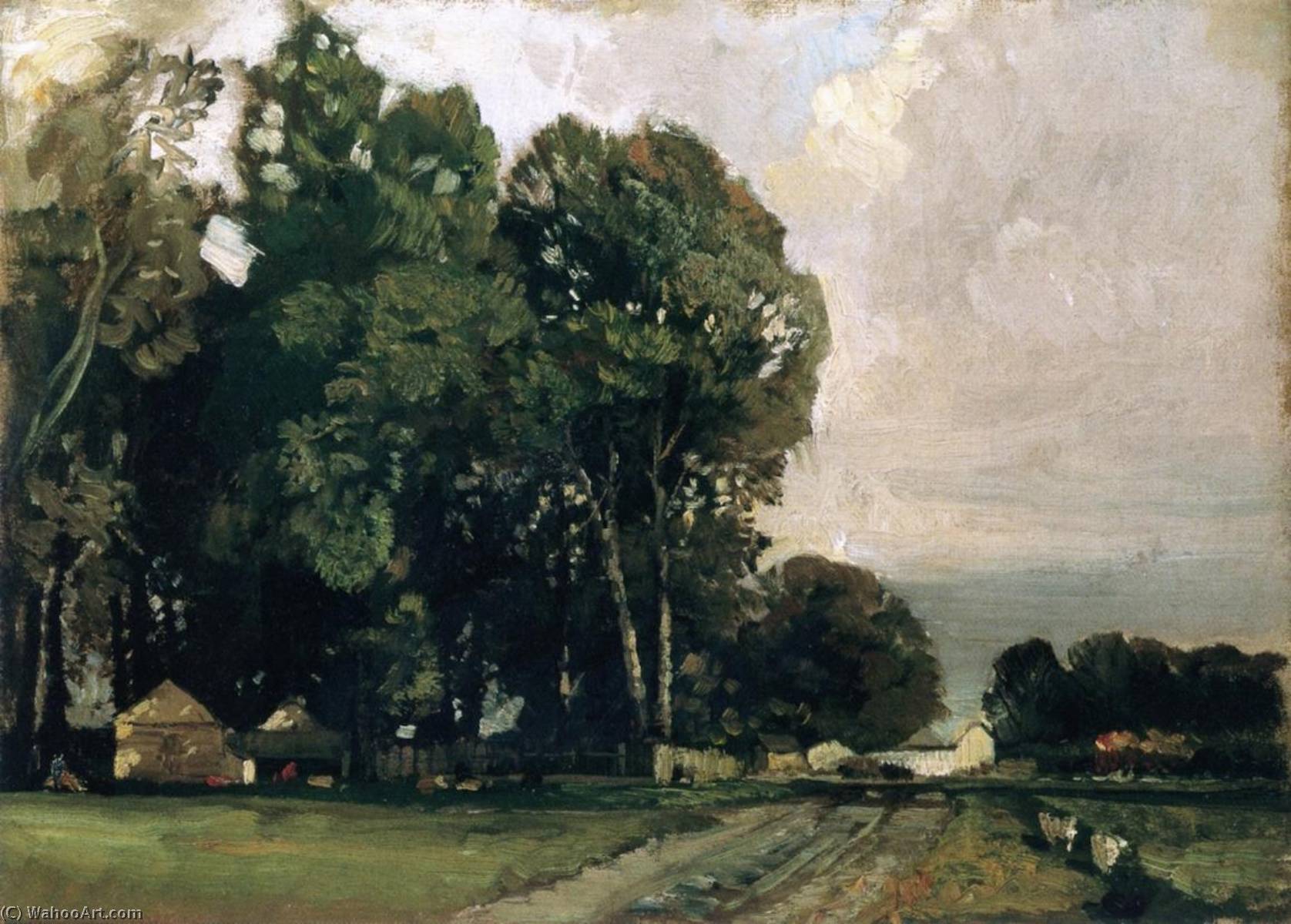
Motif from the Prate Krieau
 Acrylic On Canvas
- WallArt
- Impressionism
 1874
1874 27.0 x 37.0 cm
 オーストリア美術館ベルヴェデレ
 詳細を見る
詳細を見る
オンラインプレビューをはるかに凌ぐ、高解像度で鮮明なデジタル画像をご購入いただけます。
各ファイルは、社内の専門家が高度なツールと熟練した手作業によるレタッチを用いて、細心の注意を払って準備されています。すべての画像において、卓越した鮮明度、正確な色彩再現性、そして繊細なディテールを保証いたします。
最終ファイルは、プロフェッショナルな編集・印刷環境ですぐにご利用いただけるよう最適化された状態で、72時間以内にメールにてお届けいたします。これは、一流のデザインスタジオ、出版社、ギャラリーから信頼されているものと同等の品質です。
デジタル画像のご注文に付随する特典
高品質なデジタル画像配信を、確かな品質で。
ArtsDot.com を選ぶことは、単に画像を手に入れることではありません。それは、プロの手によって精密に仕上げられ、満足保証が付いた高品質なデジタルアートワークを受け取ることを意味します。ご注文いただいた際に自動的に付随する内容は、以下の通りです:

メールですぐにお届け
ご注文から72時間以内に、高解像度のデジタル画像ファイルがメールでお手元に届きます。すぐにそのままご利用いただけます。

AI技術で最適化されたデジタルファイル
お客様の作品は、高度なAIツールと専門家による手作業の編集を組み合わせてプロフェッショナルに最適化されており、細部のディテール、鮮明さ、そして正確な色再現性を最大限に引き出しています。

一生涯無料の再送サービス
ファイルを誤って削除したり、紛失してしまったりしましたか?ご安心ください。いつでも無料で再送いたします。

輸入手数料は一切かかりません
関税や手数料、配送料を気にすることなく、お気に入りのアートワークをすぐにお楽しみいただけます。デジタルダウンロードは常に免税です。

色彩再現の保証
プロ仕様のツールとカラーマネジメント技術を用いることで、デジタル画像が元の色を最大限に忠実に再現することを保証いたします。

60日間満足保証
ご購入いただいたデジタル画像にご満足いただけない場合は、60日以内であれば、修正または100%の返金(理由を問う必要はありません)をさせていただきます。

100% 返金保証
ご満足いただけない場合は、デジタルファイルを受け取ってから60日以内であれば、理由を問わず全額返金いたします。

まとめ買い割引
3枚購入で10%OFF - 5枚購入で15%OFF - 10枚以上購入で20%OFF。クリエイティブなプロジェクト、ギャラリー、エージェンシーに最適です。
A Tranquil Austrian Vista: Emil Jakob Schindler’s “Motif from the Prate Krieau”
Emil Jakob Schindler's "Motif from the Prate Krieau" stands as a testament to Impressionistic landscape painting—a captivating glimpse into the Austrian countryside captured with remarkable sensitivity and artistic vision. Painted in 1874, this oil on canvas piece embodies the spirit of its time, reflecting influences from Dutch Masters like Hobbema and Ruisdael while forging its own distinctive path toward atmospheric realism. The artwork immediately draws the eye with its expansive horizontal composition, emphasizing the grandeur of the Prate Krieau forest—a beloved retreat for Viennese artists and intellectuals—and the distant shimmer of the Adriatic Sea shoreline.Style and Technique: Embracing Impressionistic Fluidity
Schindler’s artistic approach aligns perfectly with the burgeoning Impressionist movement. Rejecting academic conventions that prioritized meticulous detail, he opted instead for a technique characterized by visible brushstrokes—a deliberate choice designed to convey not just what is seen but how it feels. Layers of paint are applied in loose, expressive strokes, creating a textured surface that captures the ephemeral qualities of light and color. This impasto style lends physicality to the canvas, inviting viewers to experience the immediacy of the artist’s observation. The diffused lighting—likely reflecting overcast conditions—further enhances the painting's mood, fostering a sense of serenity and contemplation.Historical Context: Vienna Woods and Artistic Inspiration
The Prate Krieau was a focal point for Viennese artistic life during Schindler’s era, serving as a source of inspiration for painters like Gustav Klimt and Oskar Kokoschka. Schindler himself meticulously studied the landscapes surrounding Vienna, diligently documenting their beauty with unwavering dedication. His fascination with Dutch Masters—particularly Hobbema and Ruisdael—is palpable in his masterful rendering of atmospheric perspective; he skillfully employs tonal variations to depict depth and distance, mirroring the techniques favored by these pioneering artists who sought to capture fleeting moments of natural splendor.Symbolism: Nature’s Quietude and Artistic Reflection
Beyond its visual appeal, “Motif from the Prate Krieau” carries symbolic weight. The dense grove of trees represents resilience, permanence amidst change—a recurring motif in Schindler's oeuvre. Simultaneously, it evokes a profound connection to the natural world, mirroring the Romantic preoccupation with sublime landscapes and spiritual contemplation. As the son of Alma Mahler—a celebrated composer and intellectual—Schindler’s artistic pursuits undoubtedly reflected his own engagement with ideas surrounding beauty, emotion, and artistic expression.Emotional Impact: A Moment Frozen in Time
Ultimately, Schindler's “Motif from the Prate Krieau” succeeds in transporting viewers to a tranquil Austrian vista. The painting’s luminous palette—dominated by muted greens and blues—creates an atmosphere of calm repose. Its loose brushwork invites contemplation, encouraging us to appreciate the subtle nuances of light and color—a hallmark of Impressionistic art that continues to resonate with audiences today. A reproduction of this evocative masterpiece would undoubtedly bring a touch of Austrian landscape beauty into any interior space.関連作品

作家の略歴
Emil Jakob Schindler: Life and Legacy
Early Life and Education
- Born: 1842 in Fischamend, Austria.
- Schindler’s early life was marked by family tragedy; his father died when he was four years old. His mother remarried, leading to a complex family dynamic.
- He initially pursued a military career, joining the army in 1857 and potentially participating in the Battle of Solferino.
- In 1860, he abandoned his military aspirations and enrolled at the Academy of Fine Arts, Vienna, studying under Albert Zimmermann.
Artistic Influences and Development
- Influenced by Dutch Masters: Schindler drew significant inspiration from 17th-century Dutch landscape painters like Meindert Hobbema and Jacob Izaaksoon van Ruisdael, adopting their atmospheric realism.
- His early works focused on detailed depictions of nature, gradually evolving towards a more impressionistic style with looser brushwork and an emphasis on light and atmosphere.
- Travels to Venice, Dalmatia, France, and Holland broadened his artistic horizons and provided new subject matter.
Career and Major Works
- Schindler achieved early success with “Eine Waldschmiede” (A Forest Blacksmith), sold in 1864 shortly after his first public exhibition.
- He established himself as a landscape painter, capturing the beauty of the Vienna Woods, the Dalmatian coast, and other scenic locations.
- Notable Works Include: “Kaisermühlen on the Danube,” “Mountain Stream in the Ramau,” “February Atmosphere Early Spring in the Vienna Woods”, "Gosau Mill near Ischl", and “Flower Garden in Weissenkirchen”.
- In 1885, he began renting Castle Plankenberg, establishing an artists' colony where he taught several students.
- He received a commission from Crown Prince Rudolf of Austria to sketch coastal scenery in Dalmatia and Corfu as part of a larger project documenting the Austro-Hungarian monarchy.
Personal Life and Family
- Schindler’s personal life was complex, marked by marital challenges and suspected infidelity.
- He married Anna Sofie Bergen in 1879, and they had two daughters: Alma Mahler (a renowned composer and author) and Margaretha Julie (Grete).
- Rumors circulated regarding the paternity of his daughters, adding a layer of intrigue to his biography.
Achievements and Historical Significance
- Awards & Recognition: Schindler was awarded the Reichel-Preis in 1881, boosting his career and financial stability.
- He became an honorary member of both the Vienna Academy (1887) and the Munich Academy (1888).
- Legacy: Schindler’s work represents a bridge between traditional landscape painting and the emerging Impressionist movement. His atmospheric depictions of Austrian landscapes continue to be admired for their beauty and sensitivity.
- As the father of Alma Mahler, he is also remembered as part of a prominent artistic family.
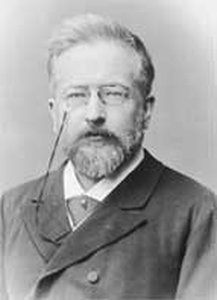
emil jacob schindler
1842 - 1892
プロフィール概要
- Birth_Date: 1842
- Death_Date: 1892
- Influenced By: Dutch Masters (Hobbema, Ruisdael)
- Movement: Poetic Realism, Impressionism
- Name: Emil Jakob Schindler
- Nationality: Austrian
- Notable Works:
- Eine Waldschmiede
- Kaisermühlen on the Danube
- Flower Garden in Weissenkirchen

