

 シェアする
シェアする シェアする
シェアする
 詳細を見る
詳細を見る

 ダウンロード
 似ている作品
 スライドショー
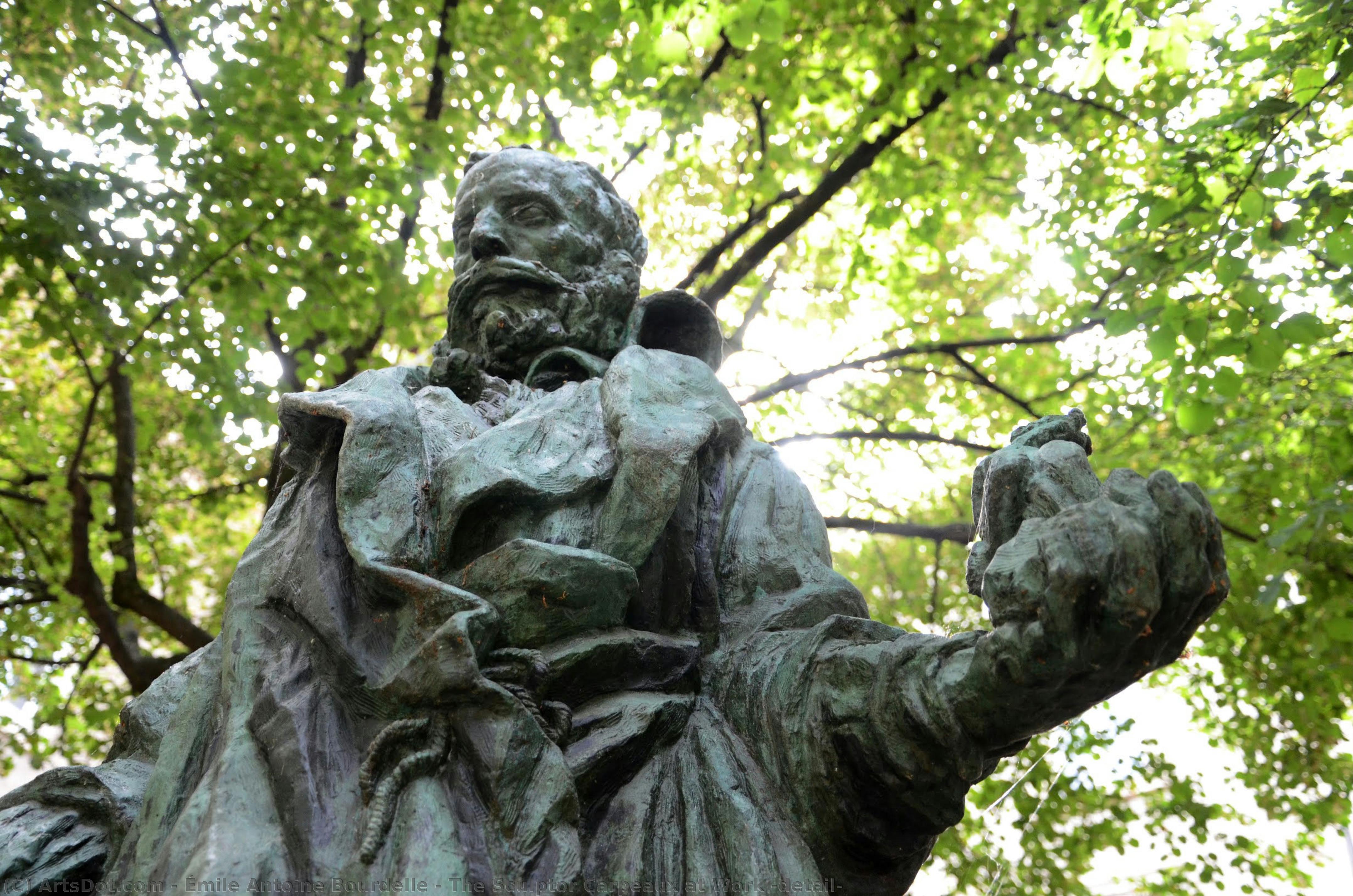
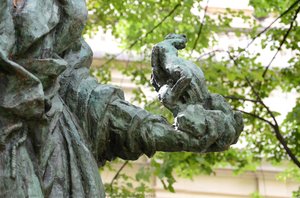
The Sculptor Carpeaux at Work (detail)


 詳細を見る
詳細を見る
ジークレー/アートプリント
迅速な制作と多彩な仕上げオプションを備えた、ミュージアムクオリティのジークレーまたはキャンバスプリント。 ( 手描きの絵画を購入 画像を購入)




































作品のオリジナル比率に合わせた、当店の規定サイズからお選びください。

特定のフレームやスペースに合わせて、ご自身でサイズを指定することも可能です。選択されたサイズが元の画像の比率と一致しない場合、作品をトリミングするか、鏡面反射または単色での塗りつぶしによって画像を拡張いたします。制作を開始する前に、ご確認用のデジタルモックアップをお送りいたします。
画面上のプレビューには、実際のトリミングや拡張は反映されませんのでご注意ください。最終的な構図を正確に確認できるのは、モックアップのみとなります。
カスタムサイズも承っておりますが、元の比率を維持するためには、あらかじめ用意されたリストからサイズを選択することをお勧めいたします。


 ガラスオプションは、110cm未満のサイズでのみご利用いただけます。

The Sculptor Carpeaux at Work (detail)
ジークレー/アートプリント
複製画のサイズ
-


合計金額
$ 62
作品詳細説明
A Moment Frozen in Bronze: The Intimacy of Creation
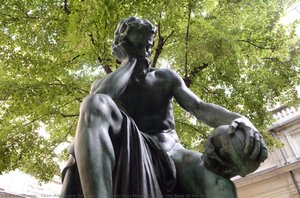
In the delicate detail of The Sculptor Carpeaux at Work, we are invited into a profound moment of connection that transcends the boundaries between man and nature. This evocative work by Émile Antoine Bourdelle captures more than just a physical likeness; it captures the very essence of tenderness and focused observation. The sculpture presents a man—a tribute to the great sculptor Carpeaux—cradling a small bird within his hands. There is an exquisite tension in the composition, where the strength of the human form meets the fragile, ephemeral life of the avian subject. As the bronze catches the light, the intricate textures of the man's weathered face and the soft, downy suggestion of the bird's feathers create a sensory experience that draws the viewer into his quiet, meditative world.
The artistry lies in the masterful way Bourdelle utilizes the medium to convey contrasting weights. One hand grips with a firm, protective stability, while the other offers a gentle support, suggesting a dialogue of trust between the creator and the living creature. This interplay of strength and vulnerability serves as a powerful metaphor for the sculptural process itself: the heavy, tactile labor of shaping bronze or stone to capture the fleeting, delicate spirit of life. Set against a soft, naturalistic backdrop of foliage, the piece feels less like a static monument and more like a stolen glimpse into a private sanctuary of peace.
The Legacy of a Master: Technique and Historical Resonance
To understand this work is to understand the pivotal role Bourdelle played in bridging the gap between the late 19th-century traditions of Rodin and the burgeoning modernism of the 20th century. Having trained under masters like Alexandre Falguière and being deeply influenced by the monumental spirit of his era, Bourdelle brought a unique sense of geometric order and structural invention to his subjects. In this specific detail, we see his ability to balance classical anatomical precision with an emotive, almost impressionistic touch. The way the light plays across the bronze surfaces highlights his skill in creating depth through texture, making the metal feel as though it possesses warmth and breath.
For the discerning collector or interior designer, this piece offers a sophisticated narrative for any curated space. It is an artwork that commands attention not through sheer scale, but through its emotional gravity and intellectual depth. Whether placed in a sunlit study or a grand salon, a high-quality reproduction of this detail serves as a conversation piece that celebrates the enduring human impulse to protect, to observe, and to create. It brings a sense of timelessness and quiet dignity to an environment, reminding all who encounter it of the profound beauty found in life's most delicate intersections.
関連作品
アーティストの略歴
The Architect of Form: The Life and Legacy of Émile Antoine Bourdelle
Born in the historic landscape of Montauban in 1861, Émile Antoine Bourdelle emerged as a titan of French sculpture, a master who bridged the gap between the romantic fluidity of the nineteenth century and the structured rigor of modernism. His journey began not in the grand academies of Paris, but amidst the tactile reality of wood and grain, working as a woodcarver in his father’s cabinet-making shop from the tender age of thirteen. This early immersion in the physical properties of material would later define his sculptural language, imbuing his works with an inherent sense of structural integrity and a profound understanding of volume and mass.
After honing his drawing skills under the guidance of the founder of the Ingres Museum, Bourdelle sought formal training in Toulouse before securing a prestigious scholarship to the École des Beaux-Arts in Paris. It was in the vibrant, competitive atmosphere of the capital that his artistic identity truly began to crystallize. Working within the atelier of Alexandre Falguière and finding inspiration in the studio of Jules Dalou, Bourdelle developed a style that moved away from mere imitation toward a more profound, architectural expression. His 1888 sculptures of Beethoven served as a definitive turning point, showcasing an authoritative command over form that emphasized order, geometric spirit, and a revolutionary approach to construction.
A Symbiosis of Influence: From Rodin to Modernity
The trajectory of Bourdelle’s career was irrevocably altered when he joined the studio of Auguste Rodin in 1893. While many viewed him simply as an assistant, the relationship was one of profound mutual respect; Rodin himself became a great admirer of Bourdelle's unique ability to infuse monumental figures with both heroic strength and rhythmic grace. This period allowed Bourdelle to absorb the expressive vitality of Rodin while simultaneously carving out his own path toward a more structured, classical aesthetic. He did not merely follow the impressionistic textures of his mentor; instead, he sought a return to the permanence of ancient Greek and Roman archetypes, filtered through a twentieth-century lens.
As a teacher, Bourdelle’s influence was nothing short of monumental. His studio became a crucible for future generations of sculptors, where he imparted a philosophy that prioritized the internal logic of the sculpture over superficial detail. His pedagogical reach ensured that his emphasis on geometry, invention, and monumentality would ripple through the decades, influencing the development of Art Deco and the broader movement toward modern abstraction.
Monumental Achievements and Eternal Memory
Throughout his later years, Bourdelle’s work became synonymous with the public spirit of France. He received numerous prestigious commissions for war memorials and civic monuments, works that demanded a sense of timelessness and collective memory. His recognition by the French state was profound, marked by his elevation to Knight, Officer, and eventually Commander of the Legion of Honor. Beyond the borders of France, his participation in the landmark 1913 Armory Show in New York introduced his powerful, rhythmic compositions to an international audience, cementing his status as a pioneer of twentieth-century monumental sculpture.
The legacy of Bourdelle is preserved not only in bronze and stone scattered across the globe but also within the very walls of the Musée Bourdelle in Paris. This museum, housed in his former studio, serves as a sanctuary for his creative spirit, allowing visitors to walk through the space where he shaped the modern sculptural landscape. Though he passed away in 1929, his contribution to the evolution of form remains an indelible part of art history, characterized by:
- Structural Integrity: A mastery of geometric construction that gave figures a sense of architectural permanence.
- Heroic Expression: The ability to convey profound human emotion through powerful, larger-than-life compositions.
- Historical Synthesis: A unique ability to blend classical tradition with the burgeoning energy of modernism.
- Pedagogical Impact: A lasting influence on the sculptural community through his dedicated teaching and studio leadership.
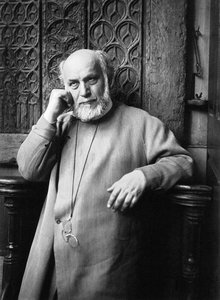
émile antoine bourdelle
1861 - 1929
基本情報
- Artistic Movement Or Style: Monumental sculpture, Modernism
- Artists Or Movements Influenced By This Artist: ['20th century monumental sculpture']
- Artists Who Influenced This Artist:
- Alexandre Falguière
- Jules Dalou
- Date Of Birth: October 30, 1861
- Date Of Death: October 1, 1929
- Full Name: Émile Antoine Bourdelle
- Nationality: French
- Notable Artworks: ['Beethoven']
- Place Of Birth: Montauban, France
関連記事

Bronze Age to Modern Masters: 10 Sculptures That Redefined Art | ArtsDot
Journey through art history with 10 legendary bronze sculptures – from Michelangelo's David to Rodin’s Thinker. Explore the stories, techniques & timeless beauty of these masterpieces. Find museum-quality reproductions & elevate your home decor on ArtsDot.com.

Bronze Sculptures That Defined Art History | ArtsDot
Journey through art history with our Top 10 bronze sculptures! Explore masterpieces by Rodin, Michelangelo & more. Discover stories behind iconic statues and find museum-quality reproductions for your home decor at ArtsDot.com.
The Enduring Legacy of Bronze: A Historical & Artistic Exploration for the Collector
Explore the rich history & enduring appeal of bronze sculpture with expert insights for collectors at ArtsDot. Learn about casting techniques, iconic artists, collecting tips & contemporary interpretations.
The Enduring Legacy of Bronze: History, Technique & Artistic Expression for the Collector
Explore the rich history & enduring appeal of bronze sculpture with expert insights for collectors at ArtsDot. Learn about casting techniques, iconic artists, and collecting tips.
The Enduring Legacy of Bronze Sculpture: A Collector's Guide to Form & Cultural Significance
Explore the rich history & enduring appeal of bronze sculpture with expert insights for collectors at ArtsDot. Learn about casting techniques, iconic artists, and collecting tips to build a discerning art collection.

