

 プレビュー
プレビュー
 プリントを購入
 シェアする
シェアする シェアする
シェアする
 詳細を見る
詳細を見る

 ダウンロード
 似ている作品
 X線調査
X線調査 スライドショー
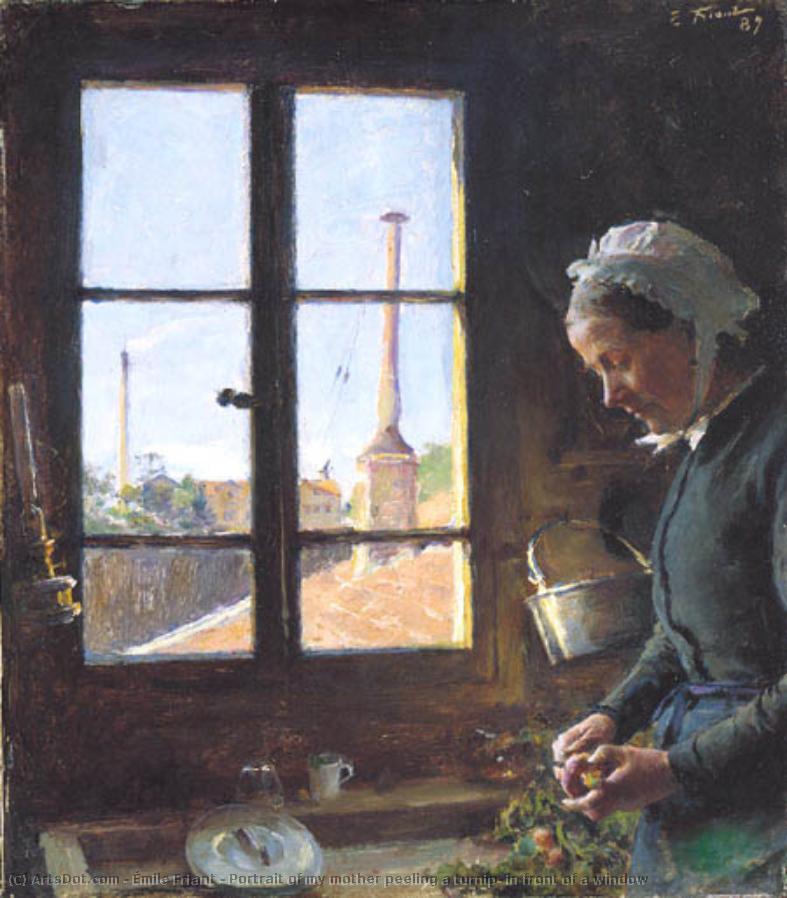
Portrait of my mother peeling a turnip, in front of a window
 Oil On Canvas
- WallArt
- Realism
 1887
1887- 19th Century
 30.0 x 26.0 cm
 Musée des Beaux-Arts de Nancy
 詳細を見る
詳細を見る




P118B $10

P118H $10

P118W $10

P438Z $10

P508JH $12

P508YH $12

P805H $10

P805Z $10

P919BZ $10

P919G $10

P919XJ $10

P959ZH $10

P968JZ $12

W106C $8

W218G $10

W218JH $8

W218Y $10

W307PJ $10

W316G $10

W316PJ $8

W316Y $10

W398PJ $8

W4111J $10

W500HY $15

W500JH $15

W692G $12

W849H $8

W940BG $15

W953PJ $8




作品のオリジナル比率に合わせた、当店の規定サイズからお選びください。

特定のフレームやスペースに合わせて、ご希望のサイズをご入力いただけます。選択されたサイズが元の画像の比率と異なる場合、アートワークをトリミングするか、手描きで要素を追加して絵画を拡張いたします。デジタルモックアップ を制作し、制作開始前にご確認(承認)をいただきます。
画面上のプレビューは、実際のトリミングや拡張を正確に反映しているものではありません。最終的な構図は、モックアップによってのみ正確にご確認いただけます。
カスタムサイズもご利用いただけますが、元の比率を維持するためには、あらかじめ用意されたリストからサイズを選択することをお勧めいたします。
ご注文後、ArtsDot.com チームより詳細な指示をお送りするとともに、仕上がりイメージ(モックアップ)をご提供いたします。


 ガラスオプションは、110cm未満のサイズでのみご利用いただけます。

Portrait of my mother peeling a turnip, in front of a window
複製技法
複製画のサイズ
-


合計金額
$ 263
A Quiet Moment Captured in Time
In the soft, diffused light of a late nineteenth-century afternoon, Émile Friant invites us into a space of profound intimacy and domestic stillness. Portrait of my mother peeling a turnip, in front of a window is not merely a depiction of a mundane chore; it is a masterful study of presence and the beauty found within the ordinary. The scene unfolds before a large, rectangular window that serves as both a portal to the outside world and a frame for the quiet drama of daily life. Through this glass, one glimpses a distant, industrial landscape, a subtle reminder of the changing world beyond the domestic sphere, yet the focus remains resolutely inward, on the woman whose hands are occupied with the rhythmic, meditative task of peeling a turnip.
The composition is a delicate balance of still life and portraiture. On the table in the foreground, a collection of humble objects—a bowl, a cup, an apple, and the central turnip—are arranged with a painterly grace that elevates them from mere kitchen implements to subjects of artistic contemplation. This layering of elements creates a remarkable sense of depth, drawing the viewer’s eye from the tactile textures of the tabletop, through the figure of the mother, and finally out toward the hazy horizon. It is a composition that rewards slow looking, revealing new details with every moment of sustained attention.
The Mastery of Realist Technique
Friant, a virtuoso of the French Realist tradition, employs an exquisite technique to breathe life into this scene. The medium of oil on canvas allows for a rich, nuanced application of color and light. His palette is intentionally muted, favoring earthy tones of brown, gray, and cream, punctuated by the softest hints of pale blue. This restrained color scheme enhances the atmosphere of quietude and prevents any single element from disrupting the painting's overall sense of peace. The lighting, appearing as natural daylight filtering through the window, is handled with incredible sensitivity, casting gentle shadows that define the contours of the woman’s face and the folds of her clothing.
The artist’s brushwork demonstrates a sophisticated command over texture. While the surface appears smooth and polished, a closer inspection reveals the subtle layering of pigments that gives the skin its warmth and the fabric of her garments a palpable weight. There is a rhythmic quality to the lines used to define the window frame and the architectural elements, which contrasts beautifully with the organic, soft forms of the fruit and the human figure. This interplay between geometric structure and organic fluidity is a hallmark of Friant’s ability to ground his subjects in a tangible, believable reality.
Emotional Resonance and Interior Inspiration
Beyond its technical brilliance, this artwork possesses an enduring emotional resonance. There is a subtle, poignant tension within the painting—a sense of quiet concentration layered with perhaps a touch of weariness. The woman’s expression, captured in a moment of deep focus, speaks to the dignity of labor and the sanctity of the private moment. It is a piece that evokes nostalgia for a slower pace of life, making it deeply moving for contemporary viewers navigating an increasingly frenetic world.
For the discerning collector or interior designer, this reproduction offers more than just aesthetic beauty; it provides a focal point of contemplative calm. Its understated elegance and sophisticated palette make it a versatile addition to a variety of sophisticated interiors, from classical studies to modern, minimalist living spaces. Placing such a work in a room invites a sense of history and soul, transforming a house into a home filled with stories. It serves as a constant reminder that even in the most repetitive of tasks, there is a profound, quiet dignity waiting to be discovered.
関連作品
アーティストの略歴
生い立ちと写実主義への傾倒
1863年、フランスの小さなコミューンであるディウーズに生まれたエミール・フリアンは、19世紀の写実主義と20世紀初頭の新進芸術運動を繋ぐ重要な人物として台頭しました。彼の人生は、当時の政治的、社会的な激動と深く結びついています。普仏戦争の影が幼少期に色濃く残り、ディウーズがプロイセンによって編入された後、家族がナンシーへ避難したことは、フランスの生活様式やアイデンティティを捉えようとする彼の献身心を育んだのかもしれません。当初は科学的な道に進むことを勧められましたが、フリアンの生まれ持った芸術的才能はすぐに現れ、まず私立の家庭教師によって磨かれ、その後、ナンシーのルイ=テオドール・デヴィリーに師事しました。デヴィリーが重視した直接観察と細部への徹底的な描写は、フリアン独自のスタイル—感情的な深みと心理的洞察力を持つ写実主義—の基礎を築きました。15歳という若さで描いた自画像「小さなフリアン」ですら注目を集め、正式にパリでの学習許可を得て、彼の芸術界への上昇が始まりました。パリでの修行と初期のサロンでの成功
若いフリアンにとって、パリの芸術界は刺激的であると同時に失望感も与えるものでした。アレクサンドル・カバネルという著名なアカデミック画家のもとで学ぶことは、確立された技術に触れる機会となりましたが、画家の厳格なアトリエシステムに束縛されていると感じました。歴史作品の油絵を熱心に練習する一方で、フリアンはより個人的で本物の表現を求めていました。この願望から彼はナンシーに戻り、そこでスキルを磨きながら、パリと地元のサロンの両方で定期的に展示を行いました。「浪費の息子」や「アトリエ内部」といった初期のサロンへの出品作は、物語画における才能の萌芽と、人間の感情のニュアンスを捉える能力を示しました。名門ローマ賞コンクールでの2位入賞は彼の評判を確固たるものにし、その後のサロンでの発表でもそれぞれ3等、そして2等の栄誉を獲得していきました。重要なことに、フリアンは俳優エルネストとベノワ・コケランと親交を深め、彼らの肖像画制作の依頼が殺到し、彼の作品の特徴となるようになりました。1886年のサロンから得た助成金によりオランダへの旅行が可能となり、そこでオランダ絵画派の作品に触れたことは、光と影の使い方や日常生活への着目という点で、彼に大きな影響を与えました。成熟期:肖像画、風俗画、そして北アフリカの影響
フリアンの成熟した作品は、ナンシーとその周辺の人々の生活を描いた肖像画と風俗画によって特徴づけられます。彼は単なる容姿の再現にとどまらず、被写体の内面的な性格や心理状態を捉える非凡な能力を持っていました。「万聖節の日」(All Saints' Day)は、墓前で嘆き悲しむ家族を描いた感動的な作品であり、1889年のパリ万国博覧会で金メダルを受賞しました。肖像画の分野を超えて、フリアンは北アフリカにインスピレーションを見出し、アルジェリアとチュニジアを何度も訪れました。これらの旅行は、彼の風景画に鮮やかな色彩と異国情緒をもたらし、また地域の文化的多様性を反映した魅力的な肖像画を生み出しました。1923年にはパリ国立美術学校(École des Beaux-Arts)の教授に任命され、その確立された名声と芸術界への影響力が認められました。彼の功績はさらに、レジオン・ドヌール勲章のコマンドゥールへの昇進やフランス芸術アカデミーへの会員資格という最高の栄誉によって称えられました。写実主義の遺産と写真的精密さ
エミール・フリアンの芸術的遺産は、彼が揺るぎない献身を示した写実主義に根ざしています。当初はデヴィリーの直接観察への重視やカバネルのアカデミックな技術によって形作られましたが、フリアンはどちらの手法にも厳密に従うことなく、独自の表現を確立しました。彼は単に現実を複製することに満足せず、絵画に感情的な共鳴と心理的な深みを与えることを目指しました。写真撮影を準備段階のツールとして革新的に使用したことは—当時の芸術家にとってますます一般的になりつつあった慣行—新たな技術への関与と表現における正確性を追求する彼の姿勢を示しています。彼は19世紀の自然主義と20世紀初頭の芸術的革新を結びつける重要な架け橋であり、フランス絵画の進化に貢献しながらも、自身の核となる原則を堅持しました。一部では彼を最後の偉大な自然主義者の一人と見なしており、急速な変化の時代において、綿密な観察と率直な感情表現という伝統を守り続けています。1932年にパリで転落死した彼の悲劇的な死は、輝かしいキャリアに突然終止符を打ちましたが、彼の絵画は今もなお、その美しさ、繊細さ、そして普遍的な共感を呼ぶ力によって観客を魅了し続けています。フリアンの作品は、精度と慈愛をもって人間の経験をとらえることの重要性を強く思い出させてくれます。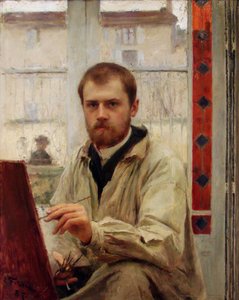
エミール・フリアン
1863 - 1932 , 日本
基本情報
- Artistic Movement Or Style: 写実主義
- Artists Or Movements Influenced By This Artist: ['20世紀初頭の美術']
- Artists Who Influenced This Artist:
- ドゥヴィリー
- カバネル
- Date Of Birth: 1863年4月16日
- Date Of Death: 1932年6月9日
- Full Name: エミール・フリアン
- Nationality: フランス人
- Notable Artworks (List Of Titles):
- 「万聖節」
- 自画像
- 恋人たち
- Place Of Birth (City And Country): フランス、ディジョン
関連記事
Romantic Realism's Finest: 10 Masterpieces for Your Home | ArtsDot
Explore 10 defining masterpieces of Romantic Realism! Discover Courbet, Millet & Daumier's powerful paintings—capturing emotion and social realities. Find museum-quality reproductions for your home at ArtsDot.com.
Realism's Masters: 10 Artworks That Capture Life's Essence | ArtsDot
Explore 10 iconic realism artworks by Courbet, Millet & more! Discover the stories behind these masterpieces of 19th-century painting. Find museum-quality art reproductions and elevate your home decor with ArtsDot.com.
Academic Realism's Finest: 10 Masterpieces for Art Lovers & Home Decor
Explore 10 defining Academic Realism masterpieces by Bouguereau, Gérôme & Cabanel. Discover the stories behind these iconic paintings and bring timeless art into your home with museum-quality reproductions from ArtsDot.com. Explore the full collection online!
Impressionistic Realism's Finest: 10 Masterpieces for Your Home | ArtsDot
Journey through Impressionistic Realism with 10 iconic masterpieces by Monet, Renoir & Van Gogh. Explore art history, techniques & find museum-quality reproductions for your home at ArtsDot.com. Discover all masterpieces online!
現代リアリズムを定義する至宝:トップ10マスターピースの世界
現代リアリズムを代表する10選。巨匠たちの技と情熱が息づく至宝の世界へ。油絵、超写実主義など、感動的なアート体験を。ArtsDot.comで、あなただけの空間を彩る名作を見つけませんか?

