

 プレビュー
プレビュー
 プリントを購入
 シェアする
シェアする シェアする
シェアする
 詳細を見る
詳細を見る

 ダウンロード
 似ている作品
 X線調査
X線調査 スライドショー
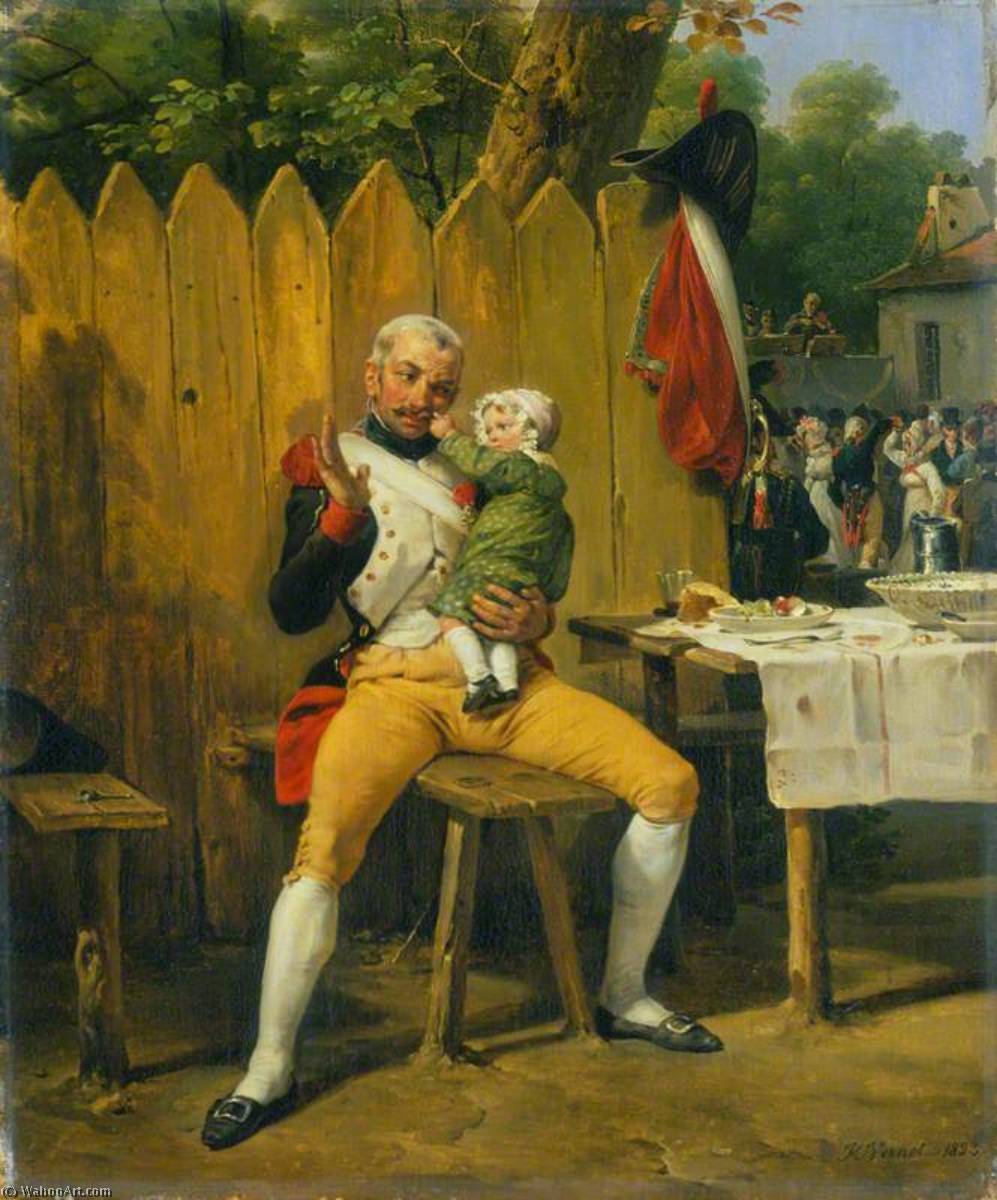
The Veteran at Home
 Oil On Canvas
- WallArt
- Realism
 1823
1823 46.0 x 38.0 cm
 ロンドンタワー
 詳細を見る
詳細を見る




P118B $10

P118H $10

P118W $10

P438Z $10

P508JH $12

P508YH $12

P805H $10

P805Z $10

P919BZ $10

P919G $10

P919XJ $10

P959ZH $10

P968JZ $12

W106C $8

W218G $10

W218JH $8

W218Y $10

W307PJ $10

W316G $10

W316PJ $8

W316Y $10

W398PJ $8

W4111J $10

W500HY $15

W500JH $15

W692G $12

W849H $8

W940BG $15

W953PJ $8




作品のオリジナル比率に合わせた、当店の規定サイズからお選びください。

特定のフレームやスペースに合わせて、ご希望のサイズをご入力いただけます。選択されたサイズが元の画像の比率と異なる場合、アートワークをトリミングするか、手描きで要素を追加して絵画を拡張いたします。デジタルモックアップ を制作し、制作開始前にご確認(承認)をいただきます。
画面上のプレビューは、実際のトリミングや拡張を正確に反映しているものではありません。最終的な構図は、モックアップによってのみ正確にご確認いただけます。
カスタムサイズもご利用いただけますが、元の比率を維持するためには、あらかじめ用意されたリストからサイズを選択することをお勧めいたします。
ご注文後、ArtsDot.com チームより詳細な指示をお送りするとともに、仕上がりイメージ(モックアップ)をご提供いたします。


 ガラスオプションは、110cm未満のサイズでのみご利用いただけます。

The Veteran at Home
複製技法
複製画のサイズ
-


合計金額
$ 288
作品解説
A Moment of Quiet Valor: Exploring Vernet’s “The Veteran at Home”
Émile Jean Horace Vernet's "The Veteran at Home," painted in 1823, isn’t merely a depiction of a soldier; it’s a poignant meditation on the complexities of duty, family, and the lingering weight of war. This oil painting, housed within a modest yet powerfully rendered frame, captures a scene both intimate and imbued with historical significance. Vernet, a master of capturing contemporary life and particularly adept at portraying military subjects during the Napoleonic era, eschews the grand, heroic narratives often favored by his contemporaries. Instead, he presents a quiet tableau – a uniformed veteran seated on a simple wooden stool, gently interacting with a young child. The scene unfolds within a warmly lit courtyard, suggesting a brief respite from the demands of service, a space where the soldier can reconnect with domesticity and nurture the next generation.
- Subject Matter: The painting centers on a veteran – likely a participant in the Napoleonic Wars – sharing a moment with his child. This juxtaposition immediately establishes a theme of familial continuity amidst the disruption of military life.
- Setting: A modest courtyard, complete with a wooden fence and distant figures, provides a sense of domestic tranquility, contrasting sharply with the soldier’s past experiences.
- Interaction: The veteran's gesture – raising his hand as if offering an instruction or acknowledging something unseen – is subtly charged with meaning, hinting at both duty and paternal affection.
Realism Infused with Romantic Sentiment
Vernet’s artistic approach skillfully blends realism with elements of romanticism. The meticulous detail in the rendering of the soldier's uniform—the intricate stitching, the worn fabric—grounds the scene in a tangible reality. Yet, the soft lighting, the gentle expressions on the faces of both figures, and the overall atmosphere evoke a sense of warmth and tenderness that transcends mere documentation. The artist’s use of color is particularly noteworthy; the dominant yellows and browns create a comforting, almost nostalgic palette, while subtle greens hint at the natural beauty surrounding them. This careful balance prevents the scene from becoming overly sentimental, maintaining a dignified tone appropriate for the subject matter.
Technique: Vernet’s mastery of oil paint is evident in the rich textures and layered application of color. The wooden surfaces possess a tactile quality, while the fabric of the uniform appears both durable and worn – reflecting the hardships endured by the soldier. The artist's skillful use of light and shadow adds depth to the composition, drawing the viewer’s eye towards the central figures and enhancing the emotional impact of the scene.A Window into a Changing Era
“The Veteran at Home” was created during a period of significant social and political transformation in France. Following the Napoleonic Wars, the country was grappling with questions of national identity and the reintegration of veterans into civilian life. Vernet’s painting reflects this complex context by portraying a soldier not as a conquering hero but as a father seeking connection and stability after years of service. The inclusion of the child underscores the importance of family in rebuilding lives shattered by conflict, offering a hopeful counterpoint to the often-grim realities of war. Furthermore, it's important to note Vernet’s lineage – his grandfather was Claude Joseph Vernet, a celebrated marine painter – suggesting an artistic tradition deeply rooted in depicting dramatic landscapes and historical events.
Symbolism and Enduring Legacy
Beyond its immediate depiction of a soldier and child, “The Veteran at Home” carries symbolic weight. The gesture of the veteran raises questions about duty, responsibility, and the transmission of values across generations. It’s a quiet plea for understanding and compassion—a reminder that even those who have faced immense hardship can find solace in family and domestic life. Reproductions of this powerful artwork continue to resonate with viewers today, offering a timeless reflection on the human cost of war and the enduring strength of familial bonds. The painting stands as a testament to Vernet’s ability to capture not just a scene but also the complex emotions and historical context surrounding it.
関連作品

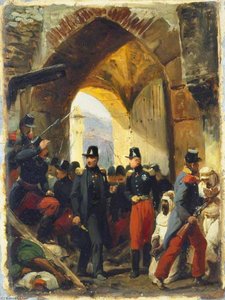
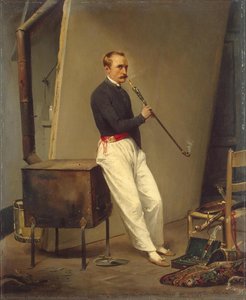
アーティストの略歴
エミール・ジャン=オラス・ヴェルネ:色彩に刻まれた生涯
幼少期と芸術的血統
エミール・ジャン=オラス・ヴェルネは、1789年6月30日、フランスのパリに生を受けました。驚くべきことに、その誕生の地はフランス革命の渦中にあったルーヴル宮殿でした。両親がそこに居住していたためです。彼は極めて高貴な芸術的血統を継承していました。父は名高い画家カール・ヴェルネであり、祖父は海洋風景画で名を馳せたクロード=ジョゼフ・ヴェルネでした。この家族の背景は、彼の幼少期における芸術への接触を決定づけ、その後の輝かしいキャリアの揺るぎない礎となったのです。芸術的発展と初期のインスピレーション
ヴェルネは、アカデミックな古典主義が重んじる高潔で厳格な精神に従うよりも、むしろ同時代の生きた営みを描くことに情熱を見出していきました。彼は理想化された表現を拒絶し、より写実的で、人々の日常に根ざしたスタイルを好みました。ナポレオン・ボナパルトの統治下において、彼はフランス兵たちを、かつてのダヴィッド的な壮大なアプローチとは一線を画す、親しみやすさを湛えた眼差しで描き始めました。「塹壕陣地の陥落」といった初期の作品には、彼の発展しつつあった個性と、物事をありのままに捉える直截な姿勢が鮮やかに示されています。また、戦争の現実や軍隊生活を間近で観察した経験も、彼の芸術的進化に深い影響を与えました。王政復古期における躍進
ブルボン復古王政は、ヴェルネに大きな名声をもたらしました。彼はオルレアン公(後の国王ルイ・フィリップ)から、戦役を描いた一連の依頼を受けました。批評家たちは、彼の筆致の速さと正確さに感銘を受け、その作品が歴史的な細部と魅力的な風景画を融合させている点を高く評価しました。「ジェマップの戦い」、「モンミライの戦い」、「ハノーの戦い」、「ヴァルミーの戦い」を含む「四つの戦役」シリーズは、彼をこの時代の筆頭的な戦闘画家としての地位に押し上げたのです。ローマ・フランス・アカデミーの館長として
ヴェルネの才能と名声は、1829年から1835年までの間、彼をローマ・フランス・アカデズムの館長へと導きました。この期間、彼は古典的な芸術や建築を深く研究することができ、その技術をさらに洗練させ、芸術的視野を広げました。しかし、フランスへ帰国した後も、彼は一貫して現代的な主題を描き続けるという信念を持ち続けていました。ルイ・フィリップと第二帝政期における庇護
国王ルイ・フィリップはヴェルネの熱心なパトロンとなり、わずか3年のうちにヴェルサイユ宮殿のコンスタンタンの間全体を装飾するよう彼に依頼しました。これらの絵画には、アルジェリアにおけるフランスの植民地化が描かれ、軍事征服や「文明化」の試みの場面が表現されました。1848年の革命後、ナポレオン3世もまた彼の支持者となり、第二帝政期においてもヴェルネへの依頼は続きました。彼は写実主義への献身を維持しながら、フランス軍の英雄的な姿を描き続けました。クリミア戦争と晩年
ヴェルネはクリミア戦争においてフランス軍に同行し、「アルマの戦い」などの作品を残しました。これらの作品は初期の傑作ほどには評価されなかったものの、現代の出来事を記録しようとする彼の献身的な姿勢を物語っています。彼は、ある絵画の中に不人気な将軍を描かないでほしいという要求に対し、歴史的真実への忠誠を理由に拒絶したという有名な逸話も残しています。主要な業績と歴史的重要路
- ヴェルネによる兵士や戦闘シーンの写実的な描写は、フランスにおける軍事画に革命をもたらしました。
- 彼の作品は、19世紀フランスの社会、政治、そして植民地拡大の歩みを理解するための貴重な洞察を与えてくれます。
- 彼は歴史的な正確さと芸術的な華やかさを巧みに融合させ、見る者を惹きつける視覚的に強烈な構図を作り上げました。
- 彼の絵画は強力なプロパガンダの道具としても機能し、フランス軍とその遠征に対する大衆の認識を形作りました。
遺産
エミール・ジャン=オラス・ヴェルネは、1863年1月17日、パリでその生涯を閉じました。彼の作品は、その歴史的価値と芸術的功績ゆえに、今なお研究され、称賛され続けています。また、大衆文化においては、シャーロック・ホームズの親族であるという興味深い伝承(アーサー・コナン・ドイルの短編「ギリシャ語通訳人の冒険」による)としても知られています。ヴェルネが遺した真のレガシーは、戦争、植民地主義、そして日々の営みを、鮮烈かつ写実的、そして時にドラマチックに描き出すことで、19世紀フランスの精神を捉えきったその力にあります。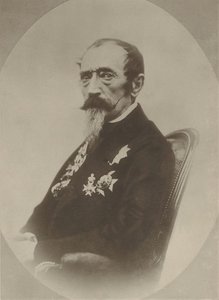
エミール・ジャン=オラス・ヴェルネ
1789 - 1863 , フランス
基本情報
- Birth Date: 1789年
- Death Date: 1863年
- Influenced By:
- カール・ヴェルネ
- クロード=ジョゼフ・ヴェルネ
- Movement:
- ロマン主義
- オリエンタリズム
- Name: エミール・ジャン=オラス・ヴェルネ
- Nationality: フランス
- Notable Works:
- ヴァルミーの戦い
- ポーランドのプロメテウス
- 画家の工房
- 死の天使
関連記事
Émile Jean Horace Vernet: Romantic Realism & Depicting 19th-Century Life
Explore the life & art of Émile Jean Horace Vernet, a master of Romantic Realism. Discover his captivating battle scenes, portraits, and Orientalist works – a window into 19th-century France. Learn about his techniques & enduring legacy.
Iconic Art of the 18th & 19th Centuries: Masterpieces for Your Home | ArtsDot
Journey through 18th & 19th century art! Explore iconic masterpieces by Monet, Van Gogh & more. Discover the stories behind these timeless paintings and find museum-quality reproductions for your home at ArtsDot.com.

19th Century Masterpieces: 10 Paintings That Defined an Era | ArtsDot
Journey through 19th century art with ArtsDot! Explore 10 iconic paintings – from Monet & Renoir to Courbet – and discover the stories behind Romanticism, Realism & Impressionism. Find museum-quality reproductions for your home decor. Explore the full collection online!

The Enduring Legacy of Oil on Canvas: Technique, History & Aesthetic Impact
Explore the rich history & techniques of oil painting – from Renaissance masters to Impressionism. Discover pigments, layering methods, and why this timeless medium endures. Expert insights for artists & art enthusiasts.

Oil on Canvas: A Historical & Technical Exploration of a Timeless Artistic Medium
Explore the rich history & enduring techniques of oil painting on canvas. Discover the science behind its longevity, conservation practices, and contemporary relevance. Expert insights for art enthusiasts.

