

 プレビュー
プレビュー
 シェアする
シェアする シェアする
シェアする
 詳細を見る
詳細を見る

 ダウンロード
 似ている作品
 X線調査
X線調査 スライドショー
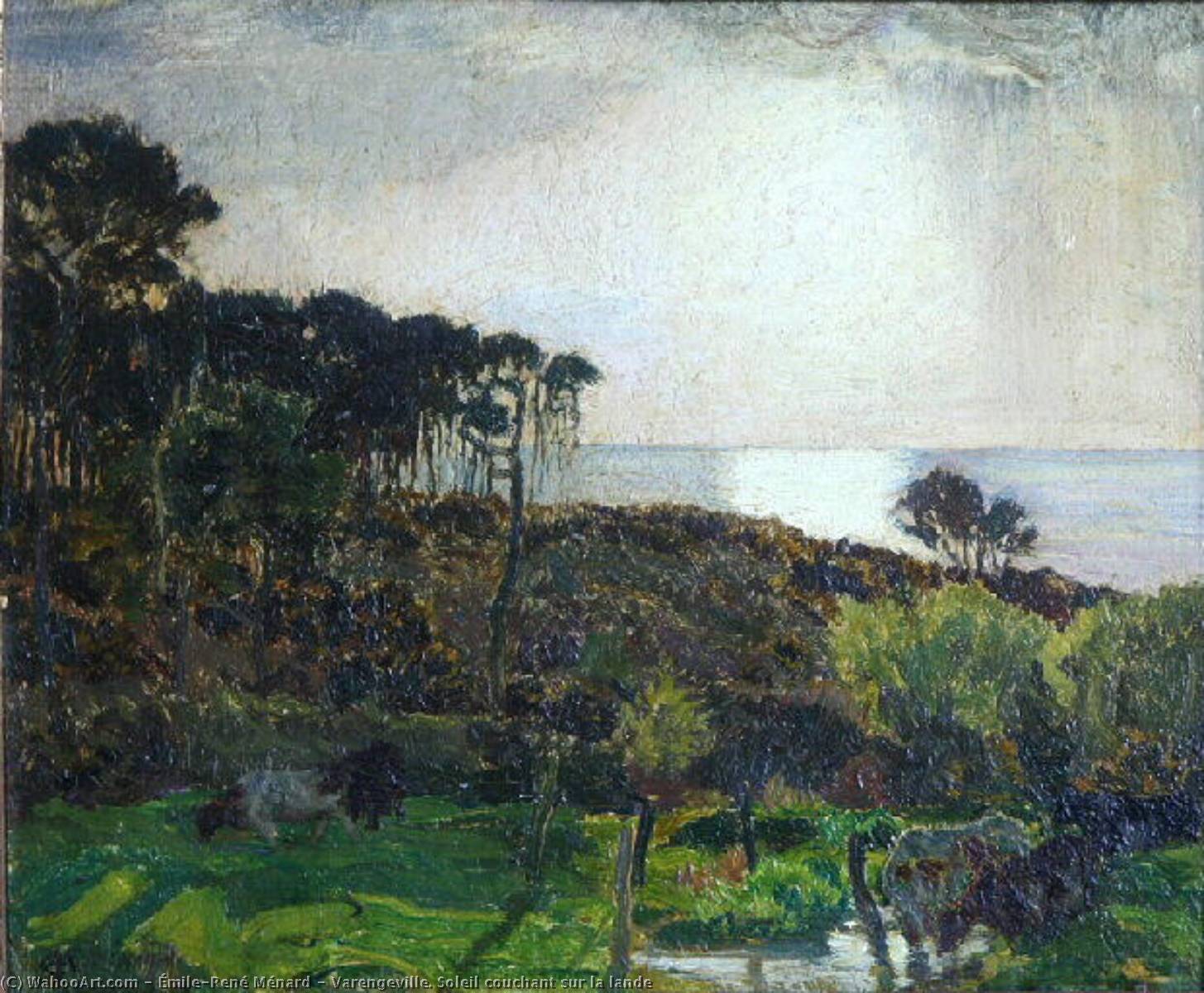
Varengeville. Soleil couchant sur la lande
 詳細を見る
詳細を見る
ジークレー/アートプリント
迅速な制作と多彩な仕上げオプションを備えた、ミュージアムクオリティのジークレーまたはキャンバスプリント。 ( 手描きの絵画を購入 画像を購入)




































作品のオリジナル比率に合わせた、当店の規定サイズからお選びください。

特定のフレームやスペースに合わせて、ご自身でサイズを指定することも可能です。選択されたサイズが元の画像の比率と一致しない場合、作品をトリミングするか、鏡面反射または単色での塗りつぶしによって画像を拡張いたします。制作を開始する前に、ご確認用のデジタルモックアップをお送りいたします。
画面上のプレビューには、実際のトリミングや拡張は反映されませんのでご注意ください。最終的な構図を正確に確認できるのは、モックアップのみとなります。
カスタムサイズも承っておりますが、元の比率を維持するためには、あらかじめ用意されたリストからサイズを選択することをお勧めいたします。


 ガラスオプションは、110cm未満のサイズでのみご利用いただけます。

Varengeville. Soleil couchant sur la lande
ジークレー/アートプリント
複製画のサイズ
-


合計金額
$ 62
関連作品








アーティストの略歴
A Vision of Tranquility: The Life and Art of Émile-René Ménard
Born in the vibrant heart of Paris on April 15, 1862, Émile-René Ménard entered a world where the echoes of great masters were already part of the domestic atmosphere. His childhood was not merely an era of growth but an immersion into a living lineage of art; the legendary figures of the Barbizon School, including Corot and Millet, were frequent guests in his family home. This early exposure to the masters of landscape and antique subjects planted the seeds for a career defined by a profound connection to the natural world. As he matured, Ménard sought formal rigor, studying at the Académie Julian under the guidance of esteemed instructors such as Baudry, Bouguereau, and Henri Lehmann. This academic foundation provided him with the technical precision that would later allow him to marry classical structure with a more ethereal, modern sensibility.
Ménard’s artistic evolution was a delicate dance between the disciplined traditions of his training and the burgeoning light of Impressionism. He absorbed the luminism of the Barbizon painters, developing a unique ability to capture the fleeting atmospheric effects of dawn and twilight. His work is often described as an alliance of rigorous, clear classicism and a diffuse, dreamlike brushwork. This duality allowed him to portray landscapes that felt both physically grounded and spiritually transcendent. In 1894, the critic Victor Soulier beautifully captured this essence, describing Ménard’s canvases as visions of a pacified nature, where the soul finds itself immersed in the innocence of daybreak and breathes the divine anointment of the morning.
The Normandy Coast and the Mastery of Light
While his training was rooted in the academic traditions of Paris, Ménard found his true muse in the coastal landscapes of Normandy. The village of Varengeville and the region of Sainte Marguerite became central characters in his oeuvre. In these settings, he explored the interplay of light and shadow, using subtle brushstrokes to evoke the moisture of the sea air and the shifting moods of the coast. His paintings from this period are masterclasses in atmosphere:
- Varengeville. L’Eglise: A serene 1911 landscape that exemplifies his ability to imbue stone and earth with a sense of timeless, classical beauty.
- La lande de Sainte Marguerite: An evocative exploration of twilight coastlines, where the brushwork becomes soft and impressionistic to capture the fading light. Effet d’orage sur la lande du phare d'Ailly showcases a different facet of his talent, capturing the dramatic energy of a storm through vibrant colors and visible, energetic strokes.
Whether painting the quietude of a rainbow appearing after a storm in L'Arc en Ciel or the heavy, brooding clouds of an approaching tempest, Ménard remained a painter of emotion. He did not merely document scenery; he translated the feeling of being present within it, making the viewer a participant in the quiet dramas of the natural world.
Legacy and Institutional Triumph
Ménard’s influence extended far beyond the borders of France. His reputation reached the United States through exhibitions in Buffalo and Boston, introducing his dreamlike visions to a new continent. He was also a significant figure in the academic community, serving as a professor at the Académie de la Grande Chaumière, where he famously mentored rising talents such as the Russian painter Boris Kustodiev. His ability to bridge the gap between generations of artists solidified his role as a vital link in the chain of French art history.
The true measure of his success, however, lay in the profound trust placed in him by the French state. The numerous prestigious commissions he received served as the crowning achievement of his career. His monumental works were not merely decorations but permanent contributions to the intellectual and cultural fabric of France, including:
- The grand cycle created for the Hautes Études à la Sorbonne.
- Significant decorative works for the Faculté de Droit.
- The evocative fresco Atoms for the Chemistry Institute.
- Large-scale commissions for the Caisse des Dépôts in Marseille.
By the time of his death in Paris on January 13, 1930, Émile-René Ménard had left behind a legacy of peace. Through his mastery of light and his devotion to the landscape, he created a body of work that continues to offer a sanctuary of tranquility for all who gaze upon it.

émile-rené ménard
1862 - 1930
基本情報
- Artistic Movement Or Style: Barbizon School
- Artists Or Movements Influenced By This Artist: ['Impressionism']
- Artists Who Influenced This Artist:
- Corot
- Millet
- Date Of Birth: 1862
- Date Of Death: 1930
- Full Name: Émile-René Ménard
- Nationality: French
- Notable Artworks:
- Varengeville. L’Eglise
- L'Arc en Ciel
- La lande de Sainte Marguerite
- Place Of Birth: Paris, France

