

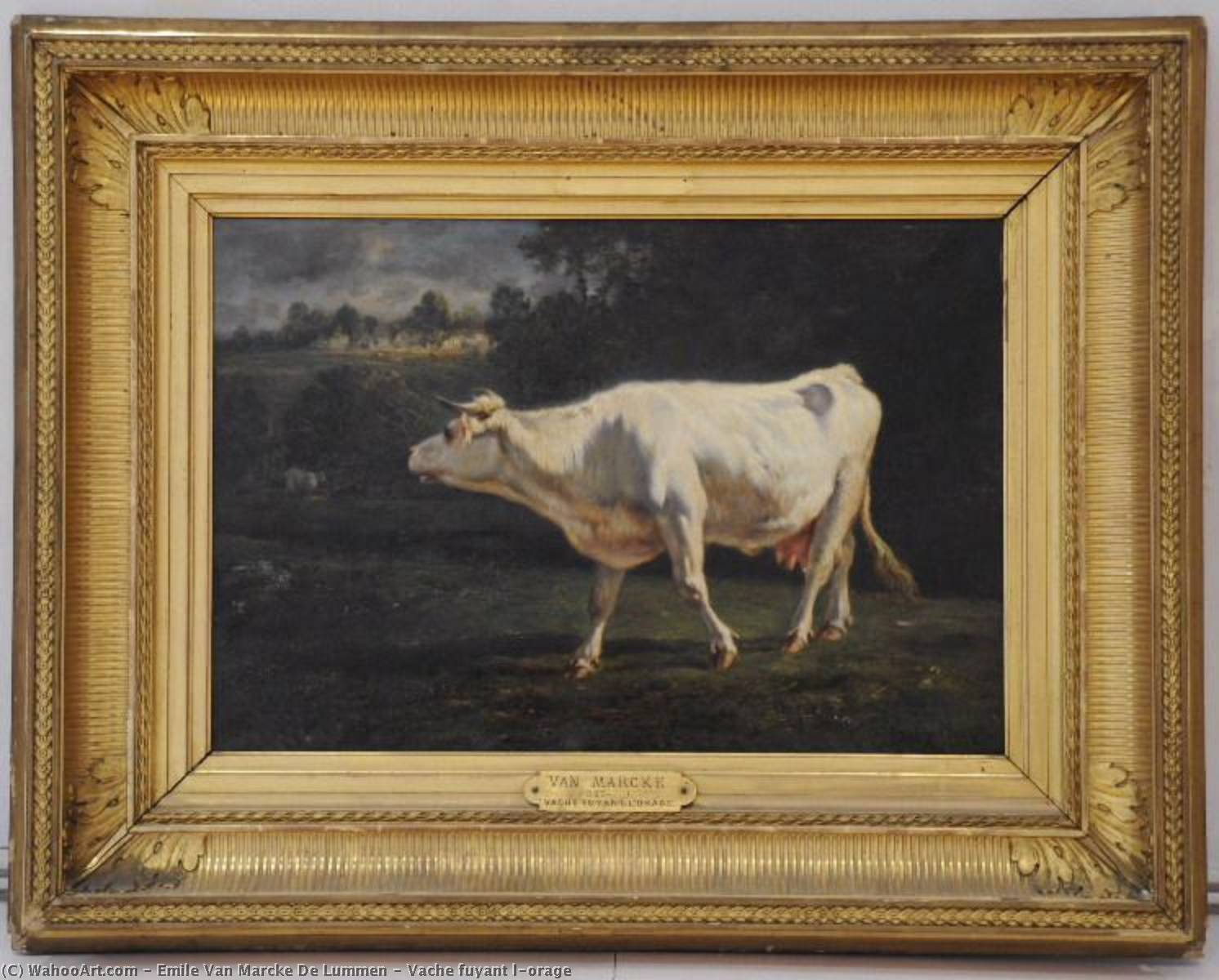
 プレビュー
プレビュー
 シェアする
シェアする シェアする
シェアする
 詳細を見る
詳細を見る

 ダウンロード
 似ている作品
 X線調査
X線調査 スライドショー
 統計情報
統計情報Vache fuyant l'orage
 詳細を見る
詳細を見る
オンラインプレビューをはるかに凌ぐ、高解像度で鮮明なデジタル画像をご購入いただけます。
各ファイルは、社内の専門家が高度なツールと熟練した手作業によるレタッチを用いて、細心の注意を払って準備されています。すべての画像において、卓越した鮮明度、正確な色彩再現性、そして繊細なディテールを保証いたします。
最終ファイルは、プロフェッショナルな編集・印刷環境ですぐにご利用いただけるよう最適化された状態で、72時間以内にメールにてお届けいたします。これは、一流のデザインスタジオ、出版社、ギャラリーから信頼されているものと同等の品質です。
デジタルアート
個人での鑑賞、印刷、クリエイティブなプロジェクト用に、高解像度ファイルをダウンロードできます。 ( プリント版に切り替え 手描きの絵画を購入)
デジタル画像のご注文に付随する特典
高品質なデジタル画像配信を、確かな品質で。
ArtsDot.com を選ぶことは、単に画像を手に入れることではありません。それは、プロの手によって精密に仕上げられ、満足保証が付いた高品質なデジタルアートワークを受け取ることを意味します。ご注文いただいた際に自動的に付随する内容は、以下の通りです:

メールですぐにお届け
ご注文から72時間以内に、高解像度のデジタル画像ファイルがメールでお手元に届きます。すぐにそのままご利用いただけます。

AI技術で最適化されたデジタルファイル
お客様の作品は、高度なAIツールと専門家による手作業の編集を組み合わせてプロフェッショナルに最適化されており、細部のディテール、鮮明さ、そして正確な色再現性を最大限に引き出しています。

一生涯無料の再送サービス
ファイルを誤って削除したり、紛失してしまったりしましたか?ご安心ください。いつでも無料で再送いたします。

輸入手数料は一切かかりません
関税や手数料、配送料を気にすることなく、お気に入りのアートワークをすぐにお楽しみいただけます。デジタルダウンロードは常に免税です。

色彩再現の保証
プロ仕様のツールとカラーマネジメント技術を用いることで、デジタル画像が元の色を最大限に忠実に再現することを保証いたします。

100日間満足保証
ご購入いただいたデジタル画像にご満足いただけない場合は、100日以内であれば、理由を問わず修正または100%の返金対応をさせていただきます。

100% 返金保証
ご満足いただけない場合は、デジタルファイルを受け取ってから100日以内であれば、理由を問わず全額返金いたします。

まとめ買い割引
3枚購入で10%OFF - 5枚購入で15%OFF - 10枚以上購入で20%OFF。クリエイティブなプロジェクト、ギャラリー、エージェンシーに最適です。
関連作品









作家の略歴
Émile van Marcke de Lummen: A Shepherd of Light and Pastoral Harmony
Born in Sèvres, France, in 1827, Charles Émile van Marcke de Lummen – later simply known as Émile van Marcke – emerged from a lineage steeped in artistic tradition. His grandfather, Charles van Marcke, was himself a Belgian artist specializing in porcelain painting, and his father, Jean-Baptiste, continued this legacy while also venturing into landscape and animal art. This familial connection to the visual arts provided Émile with an unparalleled foundation, immersing him in techniques and sensibilities from a young age. His early years were spent absorbing the atmosphere of Sèvres’ renowned porcelain factory, a place where he encountered the influence of Troyon, one of the most prominent figures of the Barbizon School, who profoundly shaped his artistic approach – specifically, the emphasis on direct observation of nature.
Van Marcke's artistic journey truly began in 1853 when he joined the ranks of the Sèvres factory. However, recognizing a deeper calling, he soon transitioned to independent painting, dedicating himself to capturing the serene beauty of the French countryside. He was particularly drawn to the Normandy region, where he found an abundance of idyllic pastures and contented livestock – subjects that would become the hallmark of his oeuvre. His work wasn’t merely a depiction of rural life; it was a deliberate attempt to evoke a sense of tranquility, harmony, and timelessness. This pursuit led him to purchase a farmhouse in Boutencourt, establishing a studio where he could immerse himself fully in his chosen subject matter.
The Barbizon School and the Influence of Nature
Émile van Marcke’s artistic development is inextricably linked to the Barbizon School, a movement that championed direct observation of nature as paramount. Rejecting the polished finish and idealized forms favored by earlier academic painters, the Barbizon artists sought to capture the essence of the landscape with honesty and immediacy. Van Marcke wholeheartedly embraced this philosophy, spending countless hours outdoors studying light, color, and composition. His paintings are characterized by a remarkable ability to convey atmosphere – the shimmering heat haze over fields, the soft glow of dawn, the dramatic interplay of light and shadow. He skillfully employed loose brushstrokes and muted colors to create a sense of depth and realism, while simultaneously imbuing his scenes with an almost dreamlike quality.
The influence of Troyon is particularly evident in van Marcke’s early work. Like Troyon, he focused on capturing the textures of animal fur and the subtle nuances of light reflecting off water surfaces. However, Van Marcke developed a distinct style – one that prioritized the emotional resonance of his subjects over mere technical accuracy. His cattle paintings are not simply representations of livestock; they are imbued with a sense of dignity, contentment, and connection to the land.
Notable Works and Recognition
Throughout his career, van Marcke produced a substantial body of work, many of which have been celebrated in prestigious museums across France and beyond. His paintings frequently found their way into the collections of prominent figures such as William T. Walters, John Taylor Johnston, Samuel P. Avery, and even the Vanderbilt family. These collectors recognized the unique beauty and emotional depth of his art. Key works include “The Approach of a Storm (Troupeau de Vaches Passant un Gué),” a captivating depiction of cattle crossing a stream under an impending storm; "Early Morning," showcasing a peaceful scene of cows grazing in a sun-drenched valley; and “Grazing Cattle,” which exemplifies his mastery of capturing the essence of rural life. These paintings, along with others, are testaments to his skill and vision.
Legacy and Historical Significance
Émile van Marcke de Lummen died in Hyeres in 1890, leaving behind a legacy as one of France’s most beloved cattle painters. His work represents a pivotal moment in the transition from academic painting to a more modern approach, emphasizing direct observation and emotional expression. He is considered a key figure within the Barbizon School, contributing significantly to its development and influence. His paintings continue to resonate with viewers today, offering a glimpse into a bygone era of rural tranquility and artistic integrity. His art remains exhibited in museums such as The Art Institute of Chicago, The Walters Art Museum, and the Metropolitan Museum of Art, ensuring that his pastoral visions will endure for generations to come.
émile van marcke de lummen
1827 - 1890
プロフィール概要
- Artistic Movement Or Style: Cattle painter
- Artists Who Influenced This Artist: ['Constant Troyon']
- Date Of Birth: 1827
- Date Of Death: 1890
- Full Name: Charles Émile van Marcke de Lummen
- Nationality: French
- Notable Artworks:
- Grazing Cattle
- Early Morning
- Summer Pastoral
- Place Of Birth: Sèvres, France