

 プレビュー
プレビュー
 プリントを購入
 シェアする
シェアする シェアする
シェアする
 詳細を見る
詳細を見る

 ダウンロード
 似ている作品
 X線調査
X線調査 スライドショー
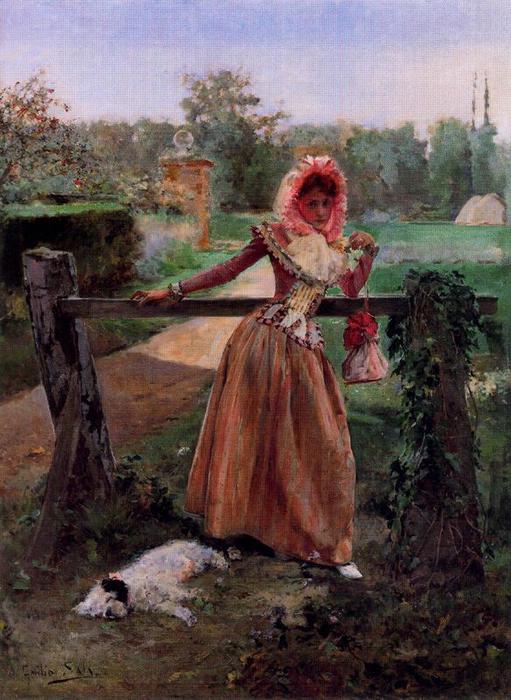
Muchacha en el Jardin

 詳細を見る
詳細を見る
オンラインプレビューをはるかに凌ぐ、高解像度で鮮明なデジタル画像をご購入いただけます。
各ファイルは、社内の専門家が高度なツールと熟練した手作業によるレタッチを用いて、細心の注意を払って準備されています。すべての画像において、卓越した鮮明度、正確な色彩再現性、そして繊細なディテールを保証いたします。
最終ファイルは、プロフェッショナルな編集・印刷環境ですぐにご利用いただけるよう最適化された状態で、72時間以内にメールにてお届けいたします。これは、一流のデザインスタジオ、出版社、ギャラリーから信頼されているものと同等の品質です。
デジタル画像のご注文に付随する特典
高品質なデジタル画像配信を、確かな品質で。
ArtsDot.com を選ぶことは、単に画像を手に入れることではありません。それは、プロの手によって精密に仕上げられ、満足保証が付いた高品質なデジタルアートワークを受け取ることを意味します。ご注文いただいた際に自動的に付随する内容は、以下の通りです:

メールですぐにお届け
ご注文から72時間以内に、高解像度のデジタル画像ファイルがメールでお手元に届きます。すぐにそのままご利用いただけます。

AI技術で最適化されたデジタルファイル
お客様の作品は、高度なAIツールと専門家による手作業の編集を組み合わせてプロフェッショナルに最適化されており、細部のディテール、鮮明さ、そして正確な色再現性を最大限に引き出しています。

一生涯無料の再送サービス
ファイルを誤って削除したり、紛失してしまったりしましたか?ご安心ください。いつでも無料で再送いたします。

輸入手数料は一切かかりません
関税や手数料、配送料を気にすることなく、お気に入りのアートワークをすぐにお楽しみいただけます。デジタルダウンロードは常に免税です。

色彩再現の保証
プロ仕様のツールとカラーマネジメント技術を用いることで、デジタル画像が元の色を最大限に忠実に再現することを保証いたします。

60日間満足保証
ご購入いただいたデジタル画像にご満足いただけない場合は、60日以内であれば、修正または100%の返金(理由を問う必要はありません)をさせていただきます。

100% 返金保証
ご満足いただけない場合は、デジタルファイルを受け取ってから60日以内であれば、理由を問わず全額返金いたします。

まとめ買い割引
3枚購入で10%OFF - 5枚購入で15%OFF - 10枚以上購入で20%OFF。クリエイティブなプロジェクト、ギャラリー、エージェンシーに最適です。
関連作品
作家の略歴
Emilio Sala y Frances: A Master of Spanish Portraiture and Romantic Realism
Born in Alcoy, Spain, in 1850, Emilio Sala y Frances emerged as a significant figure in late 19th-century Spanish art. His life was inextricably linked to the vibrant artistic scene of Valencia and Madrid, where he honed his skills under the tutelage of his cousin, Plácido Francés y Pascual, and later benefited from studies at the prestigious Real Academia de Bellas Artes de San Carlos in Valencia. Sala’s career unfolded against a backdrop of evolving artistic styles – moving from academic realism to the burgeoning influences of Romanticism and Symbolism, culminating in a distinctive approach characterized by nuanced observation and a profound understanding of human emotion.
Early training with his cousin instilled in Sala a solid foundation in traditional techniques. However, it was his time in Madrid that truly shaped his artistic vision. The city’s bustling cultural landscape exposed him to diverse influences and provided opportunities for experimentation. He quickly established himself as a portraitist of considerable skill, capturing the elegance and social standing of his subjects with remarkable detail. His early works, showcased at the National Exhibition of Fine Arts in Valencia, demonstrated an aptitude for depicting formal portraits, showcasing a nascent talent for capturing likeness and conveying personality.
The Rise of a Master: Portraits and Genre Scenes
Sala’s artistic trajectory shifted dramatically following his experience at the Spanish Academy in Rome. Disappointed by the reception of his historical painting, “Expulsion of the Jews from Spain,” he abandoned that subject matter and turned towards more intimate and emotionally resonant themes – primarily genre scenes and portraits. This decision marked a pivotal moment in his career, allowing him to explore a wider range of subjects and develop a uniquely personal style. His portraits weren’t merely representations of physical appearance; they were carefully constructed narratives revealing the inner lives and social contexts of his sitters.
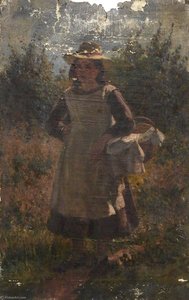
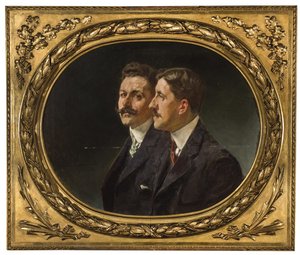
His work during this period is characterized by a masterful use of light and shadow, creating dramatic contrasts that heighten emotional impact. The painting “Muchacha” exemplifies this approach – a captivating study of a young woman rendered in muted tones with loose brushwork, conveying a sense of contemplative melancholy. Similarly, his portrait of a man, "Retrato de Hombre," showcases a dignified subject bathed in somber light, reflecting the weight of experience and wisdom. These works demonstrate Sala’s ability to infuse ordinary subjects with extraordinary depth and meaning.
Influences and Artistic Development
Sala's artistic development was undoubtedly influenced by several key figures and movements. The academic traditions instilled by his cousin provided a solid grounding in technique, while the vibrant art scene of Madrid exposed him to the innovations of Impressionism and Symbolism. However, Sala’s style remained firmly rooted in Spanish Realism, characterized by meticulous observation, detailed rendering, and a focus on capturing the nuances of human expression. He was particularly drawn to the works of Gustave Courbet and Jean-François Millet, whose emphasis on depicting everyday life and social realities resonated with his own artistic sensibilities.
Furthermore, Sala’s time in Paris proved transformative. He immersed himself in the city's thriving art world, encountering artists like Camille Pissarro and Edgar Degas, who influenced his approach to composition and color. The experience broadened his perspective and encouraged him to experiment with new techniques and subject matter. His later works reflect this newfound openness, incorporating elements of Impressionistic brushwork and a greater emphasis on capturing fleeting moments of beauty.
Legacy and Historical Significance
Emilio Sala y Frances died in Madrid in 1910, leaving behind a significant body of work that continues to be admired for its technical skill, emotional depth, and artistic originality. His portraits are particularly noteworthy for their ability to capture the essence of his subjects – revealing not only their physical appearance but also their inner lives and social contexts. He played a crucial role in shaping the development of Spanish portraiture during the late 19th century, establishing a new standard of excellence that influenced generations of artists.
Beyond his individual achievements, Sala’s career is intertwined with the broader cultural history of Spain. His work reflects the social and political changes taking place during a period of rapid modernization and industrialization. His depictions of everyday life offer valuable insights into the lives of ordinary people – providing a window into the past and reminding us of the enduring power of art to illuminate human experience. Today, his paintings are housed in prominent museums throughout Spain, ensuring that his legacy as one of the country’s most important portraitists will continue to endure.
emilio sala y frances
1850 - 1910 , Spain
プロフィール概要
- Artistic Movement Or Style: Portraiture, Genre
- Artists Or Movements Influenced By This Artist: ['Realism']
- Artists Who Influenced This Artist: ['Plácido Francés']
- Date Of Birth: January 20, 1850
- Date Of Death: April 14, 1910
- Full Name: Emilio Sala y Frances
- Nationality: Spanish
- Notable Artworks:
- Los Reyes Catolicos
- Muchacha
- Retrato de Hombre
- Place Of Birth: Alcoy, Spain

