

 プレビュー
プレビュー
 プリントを購入
 シェアする
シェアする シェアする
シェアする
 詳細を見る
詳細を見る

 ダウンロード
 似ている作品
 X線調査
X線調査 スライドショー
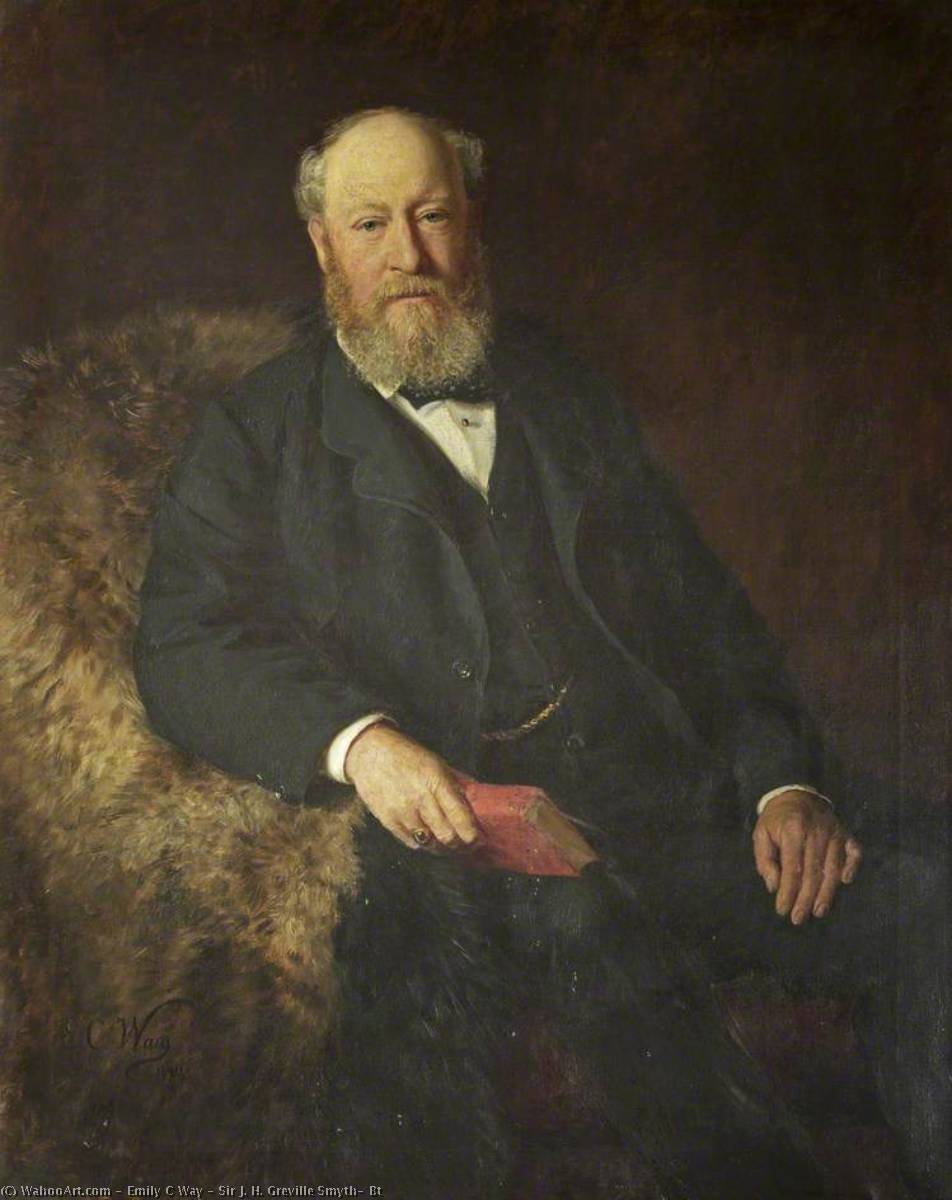
Sir J. H. Greville Smyth, Bt
 1890
1890 126.0 x 100.0 cm
 Bristol Museum - Art Gallery
 詳細を見る
詳細を見る




































作品のオリジナル比率に合わせた、当店の規定サイズからお選びください。

特定のフレームやスペースに合わせて、ご希望のサイズをご入力いただけます。選択されたサイズが元の画像の比率と異なる場合、アートワークをトリミングするか、手描きで要素を追加して絵画を拡張いたします。デジタルモックアップ を制作し、制作開始前にご確認(承認)をいただきます。
画面上のプレビューは、実際のトリミングや拡張を正確に反映しているものではありません。最終的な構図は、モックアップによってのみ正確にご確認いただけます。
カスタムサイズもご利用いただけますが、元の比率を維持するためには、あらかじめ用意されたリストからサイズを選択することをお勧めいたします。
ご注文後、ArtsDot.com チームより詳細な指示をお送りするとともに、仕上がりイメージ(モックアップ)をご提供いたします。


 ガラスオプションは、110cm未満のサイズでのみご利用いただけます。

Sir J. H. Greville Smyth, Bt
複製技法
複製画のサイズ
-


合計金額
$ 263
関連作品










アーティストの略歴
The Soul of the West Coast: The Life and Vision of Emily Carr
Emily Carr (1871–1945) stands as a singular figure in Canadian art history, a trailblazer who fused the stylistic tenets of Post-Impressionism with an unparalleled sensitivity to British Columbia’s landscapes and the profound spirituality of First Nations culture. Born in Victoria, Canada, her artistic journey began amidst a burgeoning intellectual milieu—the daughter of Michael Eugene Ossebelle (often cited as Richard Carr) and Theresa Osment. Her upbringing provided formative influences that would permeate her entire oeuvre. Raised within a landscape that was simultaneously an expatriate British settlement and the ancestral home of the Songhees First Nation, Carr grew up at a cultural crossroads, a perspective that would later define her unique artistic voice.
Carr's early life was marked by considerable travel, fostering exposure to European art movements like those of Cézanne and Gauguin. These encounters were crucial in shaping her distinctive style, igniting within her an ardent desire to capture the essence of place—specifically the rugged beauty of British Columbia—with uncompromising honesty. Rejecting academic conventions, she championed a bold approach characterized by thick impasto brushstrokes and vibrant color palettes. Her canvases pulsated with life, conveying not merely visual representations but palpable sensations of wind, rain, and sunlight filtering through ancient cedar forests. Her work often featured unexpected colors, swirls of paint, and vibratory textures that included blurred edges and faint geometries, creating a sensorial experience that felt almost magical.
A Dialogue with Tradition and the Land
Her artistic breakthrough arrived in the early 1900s when Carr began documenting the totem poles erected by First Nations communities along British Columbia’s coast. Unlike many artists of her time who approached Indigenous subjects with ethnographic detachment, Carr engaged in genuine dialogue with Elders, immersing herself in their oral traditions and gaining insight into their cosmology. This profound connection resulted in seminal works that sought to capture the spiritual weight of these monumental structures. Her fascination with the indigenous villages and the monumental art of the coast allowed her to bridge the gap between the natural world and human heritage.
As her career progressed, Carr’s work evolved from more traditional depictions toward a modernist abstraction. She became a leading figure in Canadian modernism, standing on par with the legendary Group of Seven. While she was often inspired by the lush, green Pacific Northwest forests, her use of light and expressive brushwork pushed the boundaries of what landscape painting could achieve in Canada. Her ability to translate the heavy, damp atmosphere of the West Coast into paint made her a chronicler of an era that was rapidly changing, capturing the majesty of the old-growth forests before they were irrevocably altered by industrialization.
Literary Legacy and National Iconography
Beyond the canvas, Carr was a vivid writer and a master of prose, a multi-talented artist whose literary contributions were as significant as her visual ones. She was praised for her "complete candour" and "strong prose," qualities that allowed her to document the life of her surroundings with deep intimacy. Her first book, Klee Wyck (1941), won the Governor General's Literary Award for non-fiction, a testament to her ability to weave narrative and observation into a compelling tapestry of human and natural experience. This book remains much in demand today, serving as a vital window into the cultural landscape of the early twentieth century.
Today, Emily Carr is revered as a Canadian national treasure and an icon of the arts. Her historical significance lies not only in her technical mastery but in her role as a bridge between cultures and eras. She remains one of the first artists of national significance to emerge from the West Coast, leaving behind a legacy that continues to inspire awe. Her life's work stands as a testament to the power of observation, the importance of cultural empathy, and the enduring beauty of the Canadian wilderness.
emily c way
1871 - 1945 , Canada
基本情報
- Artistic Movement Or Style: Post-Impressionism
- Artists Or Movements Influenced By This Artist: ['Maurice Whistler']
- Artists Who Influenced This Artist:
- Claude Monet
- Vincent van Gogh
- Date Of Birth: 1871
- Date Of Death: 1945
- Full Name: Emily Carr
- Nationality: Canadian
- Notable Artworks:
- Klee Wyck
- Group of Seven
- Place Of Birth: Victoria, Canada

