

 プレビュー
プレビュー
 シェアする
シェアする シェアする
シェアする
 詳細を見る
詳細を見る

 ダウンロード
 似ている作品
 X線調査
X線調査 スライドショー
 Stats
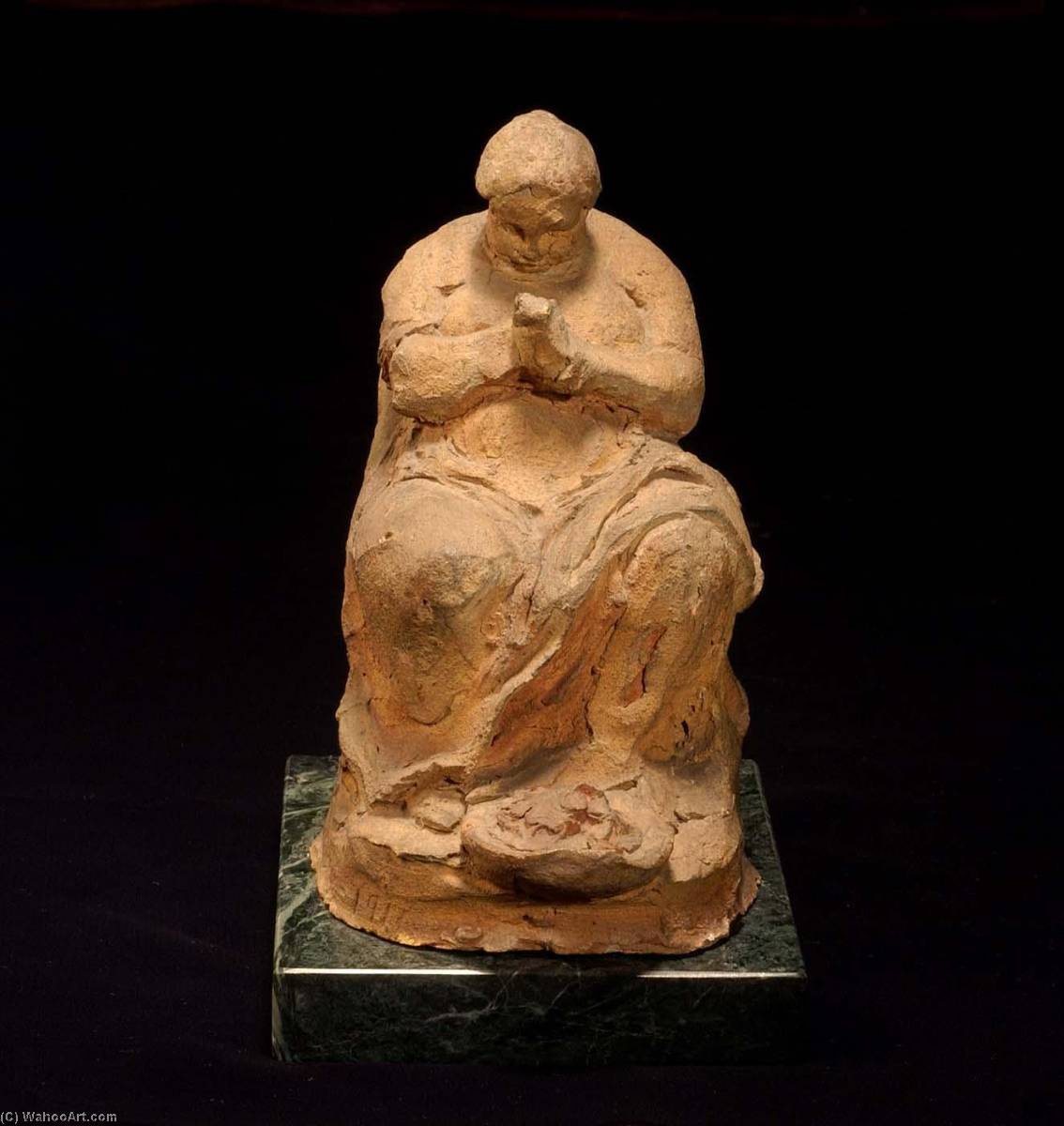
StatsWoman Shelling Peas

 詳細を見る
詳細を見る
オンラインプレビューをはるかに凌ぐ、高解像度で鮮明なデジタル画像をご購入いただけます。
各ファイルは、社内の専門家が高度なツールと熟練した手作業によるレタッチを用いて、細心の注意を払って準備されています。すべての画像において、卓越した鮮明度、正確な色彩再現性、そして繊細なディテールを保証いたします。
最終ファイルは、プロフェッショナルな編集・印刷環境ですぐにご利用いただけるよう最適化された状態で、72時間以内にメールにてお届けいたします。これは、一流のデザインスタジオ、出版社、ギャラリーから信頼されているものと同等の品質です。
デジタルアート
個人での鑑賞、印刷、クリエイティブなプロジェクト用に、高解像度ファイルをダウンロードできます。 ( Switch to Print 手描きの絵画を購入)
デジタル画像のご注文に付随する特典
高品質なデジタル画像配信を、確かな品質で。
ArtsDot.com を選ぶことは、単に画像を手に入れることではありません。それは、プロの手によって精密に仕上げられ、満足保証が付いた高品質なデジタルアートワークを受け取ることを意味します。ご注文いただいた際に自動的に付随する内容は、以下の通りです:

メールですぐにお届け
ご注文から72時間以内に、高解像度のデジタル画像ファイルがメールでお手元に届きます。すぐにそのままご利用いただけます。

AI技術で最適化されたデジタルファイル
お客様の作品は、高度なAIツールと専門家による手作業の編集を組み合わせてプロフェッショナルに最適化されており、細部のディテール、鮮明さ、そして正確な色再現性を最大限に引き出しています。

一生涯無料の再送サービス
ファイルを誤って削除したり、紛失してしまったりしましたか?ご安心ください。いつでも無料で再送いたします。

輸入手数料は一切かかりません
関税や手数料、配送料を気にすることなく、お気に入りのアートワークをすぐにお楽しみいただけます。デジタルダウンロードは常に免税です。

色彩再現の保証
プロ仕様のツールとカラーマネジメント技術を用いることで、デジタル画像が元の色を最大限に忠実に再現することを保証いたします。

100日間満足保証
ご購入いただいたデジタル画像にご満足いただけない場合は、100日以内であれば、理由を問わず修正または100%の返金対応をさせていただきます。

100% 返金保証
ご満足いただけない場合は、デジタルファイルを受け取ってから100日以内であれば、理由を問わず全額返金いたします。

まとめ買い割引
3枚購入で10%OFF - 5枚購入で15%OFF - 10枚以上購入で20%OFF。クリエイティブなプロジェクト、ギャラリー、エージェンシーに最適です。
About the Artist
Emily Clayton Bishop was an American sculptor born in 1883 in Cavetown, Maryland. She studied at the Pennsylvania Academy of the Fine Arts (PAFA) under the guidance of William Merritt Chase. During her time at PAFA, she received several awards and prizes for her outstanding work, including the Packard Prize and the George B. McClellan Anatomy Prize.The Sculpture
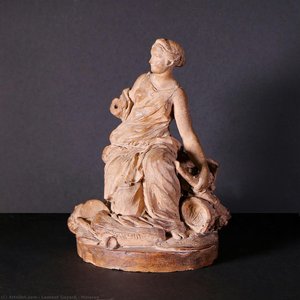
The Woman Shelling Peas sculpture is a remarkable example of Emily Clayton Bishop's skill and artistry. The piece depicts a woman engaged in a everyday activity, shelling peas, and showcases the artist's ability to capture the beauty in mundane tasks. The sculpture is made from clay and has a unique texture that adds to its charm.Other Notable Works
Some of Emily Clayton Bishop's other notable works include Seated Female Nude and Comedy, both of which are also part of the Smithsonian American Art Museum collection. You can find more information about these pieces on our website, https://ArtsDot.com, where we offer handmade oil painting reproductions of famous artworks.- Visit our website to learn more about Emily Clayton Bishop and her works: /art/list/?Filter=AQTVGD-Emily-Clayton-Bishop-Woman-Shelling-Peas
- Read more about the Smithsonian American Art Museum on Wikipedia: https://en.wikipedia.org/wiki/Smithsonian_American_Art_Museum
In conclusion, the Woman Shelling Peas sculpture by Emily Clayton Bishop is a true masterpiece that showcases the artist's skill and attention to detail. As a professional expert in Art and salesman at https://ArtsDot.com, I highly recommend exploring more of her works and learning about her life and career.
関連作品






作家の略歴
The Ethereal Legacy of Emily Clayton Bishop
In the vibrant, transformative landscape of early twentieth-century American art, few figures possess a story as poignant and bittersweet as Emily Clayton Bishop. Born on April 23, 1883, in the quiet enclave of Cavetown, Maryland, Bishop emerged as a prodigious talent whose life was tragically cut short before she could reach her full artistic maturity. Despite a career that spanned only a few decades, she carved out a space for herself within the prestigious circles of American sculpture, leaving behind a body of work that breathes with an enduring, quiet vitality. Her journey began with an early spark of ambition; by the age of sixteen, she had already entered the Maryland Institute of Art, signaling the arrival of a sculptor who would eventually master the delicate balance between classical form and modern emotional depth.
The trajectory of Bishop’s development was profoundly shaped by her time at the Pennsylvania Academy of Fine Arts (PAFA). It was here, amidst the rigorous academic atmosphere of Philadelphia, that she came under the mentorship of the legendary William Merritt Chase. While Chase is often celebrated for his Impressionistic paintings, his influence on Bishop’s sculptural approach was transformative. He instilled in her a reverence for capturing the fleeting essence of life—the subtle shift of a muscle, the soft curve of a cheek, or the momentary stillness of a gesture. Under his guidance, Bishop learned to synthesize the structural discipline of traditional sculpture with an Impressionistic sensitivity to light and texture, allowing her bronze and plaster works to transcend mere representation and achieve a sense of living breath.
Mastery of Form and the Human Experience
Bishop’s artistic repertoire was characterized by a profound dedication to realism, particularly through her exploration of the human figure. Her subjects often centered on women, rendered with a meticulous attention to detail that highlighted both their physical grace and their internal emotional landscapes. She possessed a rare ability to imbelle her sculptures with an understated elegance, making even the most mundane scenes feel monumental. This is perhaps most beautifully realized in works such as “Woman Shelling Peas,” where the repetitive, rhythmic labor of domestic life is elevated to a moment of quiet dignity. Through such pieces, Bishop acted as a chronicler of the female experience, finding profound beauty in the textures of everyday existence and the subtle nuances of motherhood and domesticity.
Beyond the domestic sphere, her work often reached toward more classical and mythological inspirations. In sculptures like “Bacchic Dancer,” one can witness her command over movement and energy; the bronze relief captures an ecstatic, swirling vitality that speaks to the joy of freedom and the primal rhythms of life. Conversely, her more serene compositions, such as “Standing Female Nude,” demonstrate a mastery of repose and anatomical precision. Whether working in the permanence of bronze or the delicate malleability of plaster, Bishop’s technical skill allowed her to manipulate medium and light to evoke a wide spectrum of human feeling, from the innocent curiosity found in the relief of “Baby Joe” to the more complex, mythic narratives of nymphs and fauns.
A Place in the American Canon
Though her life ended prematurely in 1912 at the age of twenty-eight, Emily Clayton Bishop’s impact on the American sculptural tradition remains undeniable. Her achievements were recognized during her lifetime through participation in major exhibitions at PAFA and the inclusion of her works in esteemed collections. Today, her legacy is preserved within the halls of the Smithsonian American Art Museum, where her sculptures continue to serve as vital touchstones for understanding the evolution of American realism and the burgeoning role of female artists in the early twentieth century.
The historical significance of Bishop lies not only in her technical prowess but in her ability to bridge the gap between the classical past and a modern, more empathetic way of seeing. Her work stands as a testament to a period of intense artistic experimentation, where the boundaries of subject matter were expanding to include the intimate, the domestic, and the deeply human. While she may have been a "forgotten pioneer" for a time, the enduring strength of her bronze and plaster figures ensures that her voice—one of grace, resilience, and profound observation—continues to resonate within the grand narrative of American art history.
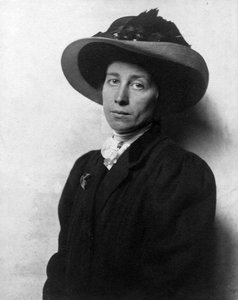
emily clayton bishop
1883 - 1912
プロフィール概要
- Artistic Movement Or Style: Early 20th century art
- Artists Who Influenced This Artist: ['William Merritt Chase']
- Date Of Birth: 1883
- Full Name: Emily Clayton Bishop
- Nationality: American
- Notable Artworks:
- Nymph and Faun
- Woman Shelling Peas
- Baby Joe
- Place Of Birth: Maryland