

 プレビュー
プレビュー
 シェアする
シェアする シェアする
シェアする
 詳細を見る
詳細を見る

 ダウンロード
 似ている作品
 X線調査
X線調査 スライドショー
 統計情報
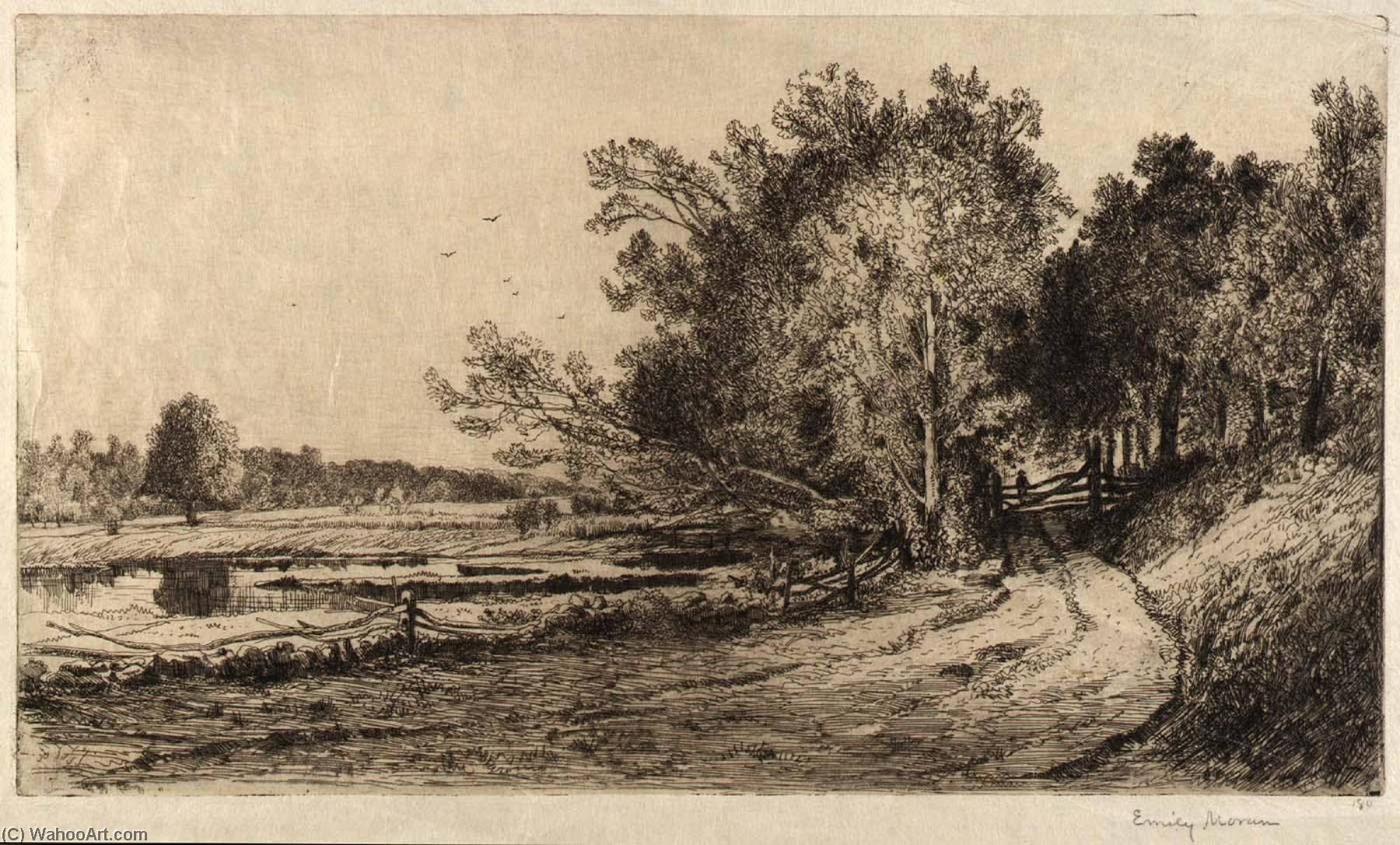
統計情報(The Road to the Farm)
 1885
1885 20.0 x 36.0 cm
 詳細を見る
詳細を見る
オンラインプレビューをはるかに凌ぐ、高解像度で鮮明なデジタル画像をご購入いただけます。
各ファイルは、社内の専門家が高度なツールと熟練した手作業によるレタッチを用いて、細心の注意を払って準備されています。すべての画像において、卓越した鮮明度、正確な色彩再現性、そして繊細なディテールを保証いたします。
最終ファイルは、プロフェッショナルな編集・印刷環境ですぐにご利用いただけるよう最適化された状態で、72時間以内にメールにてお届けいたします。これは、一流のデザインスタジオ、出版社、ギャラリーから信頼されているものと同等の品質です。
デジタルアート
個人での鑑賞、印刷、クリエイティブなプロジェクト用に、高解像度ファイルをダウンロードできます。 ( プリント版に切り替え 手描きの絵画を購入)
デジタル画像のご注文に付随する特典
高品質なデジタル画像配信を、確かな品質で。
ArtsDot.com を選ぶことは、単に画像を手に入れることではありません。それは、プロの手によって精密に仕上げられ、満足保証が付いた高品質なデジタルアートワークを受け取ることを意味します。ご注文いただいた際に自動的に付随する内容は、以下の通りです:

メールですぐにお届け
ご注文から72時間以内に、高解像度のデジタル画像ファイルがメールでお手元に届きます。すぐにそのままご利用いただけます。

AI技術で最適化されたデジタルファイル
お客様の作品は、高度なAIツールと専門家による手作業の編集を組み合わせてプロフェッショナルに最適化されており、細部のディテール、鮮明さ、そして正確な色再現性を最大限に引き出しています。

一生涯無料の再送サービス
ファイルを誤って削除したり、紛失してしまったりしましたか?ご安心ください。いつでも無料で再送いたします。

輸入手数料は一切かかりません
関税や手数料、配送料を気にすることなく、お気に入りのアートワークをすぐにお楽しみいただけます。デジタルダウンロードは常に免税です。

色彩再現の保証
プロ仕様のツールとカラーマネジメント技術を用いることで、デジタル画像が元の色を最大限に忠実に再現することを保証いたします。

100日間満足保証
ご購入いただいたデジタル画像にご満足いただけない場合は、100日以内であれば、理由を問わず修正または100%の返金対応をさせていただきます。

100% 返金保証
ご満足いただけない場合は、デジタルファイルを受け取ってから100日以内であれば、理由を問わず全額返金いたします。

まとめ買い割引
3枚購入で10%OFF - 5枚購入で15%OFF - 10枚以上購入で20%OFF。クリエイティブなプロジェクト、ギャラリー、エージェンシーに最適です。
関連作品









作家の略歴
Emily Kelley Moran: A Schuylkill Visionary
Emily Kelley Moran (1841-1903) stands as a quietly significant figure in the annals of American art, particularly within the vibrant landscape movement that flourished during the late 19th century. Often overshadowed by her more celebrated brother, Thomas Moran, Emily’s contribution to the artistic conversation deserves recognition for its distinctive voice and profound connection to the natural world. Born in Dublin, Ireland, into a family deeply rooted in the textile industry, her journey to Philadelphia marked not just a geographical shift but a pivotal moment in shaping her artistic identity. Her early life, steeped in the rhythms of immigrant communities and punctuated by personal loss – including the death of her father – instilled within her a sensitivity to both human experience and the evocative power of the landscape.
Moran’s artistic trajectory began with an apprenticeship in Philadelphia's burgeoning art scene. She honed her skills primarily through etching, a medium that allowed her to capture the subtle nuances of light and shadow, mirroring the atmospheric qualities she sought to portray in her landscapes. Unlike many of her contemporaries who focused on grand vistas or idealized scenes, Emily’s work centered almost exclusively on the Schuylkill River Valley – a region rich in industrial history yet possessing an undeniable beauty. This focus wasn't merely regional; it reflected a deep engagement with the changing American landscape and its relationship to human activity. Her subjects weren’t dramatic mountain ranges but rather the quiet, contemplative scenes of rural life along the riverbanks, capturing the essence of working farms, meandering roads, and the interplay between nature and industry.
The Influence of the Hudson River School and Thomas Moran
Emily's artistic development was inextricably linked to that of her brother, Thomas Moran. While Thomas embraced the grand scale and dramatic light of the Rocky Mountains, Emily’s work resonated with the quieter, more intimate aesthetic of the Hudson River School painters. She shared a fascination with atmospheric perspective, utilizing muted tones and delicate cross-hatching to create a sense of depth and distance within her compositions. However, unlike Thomas's often romanticized depictions of wilderness, Emily’s landscapes retained a grounding in the realities of everyday life – the weathered barns, the hardworking farmers, and the subtle signs of human presence interwoven with the natural world.
Crucially, she learned from her brother, particularly during his early years in Philadelphia. Thomas, initially trained by James Hamilton, shared many of his techniques and approaches to capturing light and atmosphere. Emily’s etching style evolved under Thomas's guidance, absorbing elements of his artistic vision while forging her own distinct path. The influence is evident in the careful observation of detail, the subtle gradations of tone, and the overall sense of tranquility that characterizes her work.
A Legacy Etched in Silver
Emily Kelley Moran’s oeuvre comprises nineteen known works, primarily etchings executed between 1875 and 1903. These prints offer a poignant glimpse into a rapidly changing America – a nation grappling with industrialization while simultaneously yearning for the beauty of its natural heritage. Her subjects—scenes along the Schuylkill River—are not merely picturesque; they are imbued with a sense of melancholy, reflecting the displacement of rural communities and the encroachment of industry upon the landscape.
Her work was exhibited at prominent venues, including the Pennsylvania Academy of Fine Arts in 1877 and the Chicago World’s Fair in 1893. Despite facing challenges as a female artist in a male-dominated field, Emily persevered, gaining recognition within the artistic community for her technical skill and sensitive portrayal of the Schuylkill Valley. Her inclusion in exhibitions alongside leading artists like Sylvester Rosa Koehler underscored her standing as a respected printmaker.
The Moran Family’s Artistic Circle
Emily's life was deeply intertwined with that of her brothers, particularly Thomas and Edward. The Morans formed a close-knit artistic circle, sharing ideas, techniques, and mutual support. They often collaborated on projects, with John Moran contributing his photographic skills to complement their paintings and etchings. This collaborative spirit extended beyond the immediate family, encompassing other artists and intellectuals within Philadelphia’s vibrant cultural landscape.
Furthermore, Emily's marriage to Peter Moran – a fellow artist and printer – provided her with a stable home and a supportive partner in her artistic endeavors. Their shared passion for art fostered a creative environment that nurtured their individual talents and contributed to the family’s collective legacy. The Moran family’s story exemplifies the interconnectedness of the American art world during the late 19th century, demonstrating how artists could influence and inspire one another through collaboration and mutual respect.
A Quiet Masterpiece
Emily Kelley Moran's work may not command the same level of fame as her brother Thomas, but it holds a unique value within American art history. Her intimate depictions of the Schuylkill River Valley offer a poignant reflection on the changing landscape and the human experience – a testament to her artistic vision and enduring legacy. Her etchings serve as a reminder that beauty can be found in the quiet corners of America, waiting to be discovered by those who are willing to look closely.
emily kelley moran
1841 - 1903
プロフィール概要
- Artistic Movement Or Style: Hudson River School
- Artists Or Movements Influenced By This Artist: ['J.M.W. Turner']
- Artists Who Influenced This Artist: ['Thomas Moran']
- Date Of Birth: Feb 21, 1841
- Date Of Death: May 22, 1903
- Full Name: Emily Kelley Moran
- Nationality: Irish-American
- Notable Artworks:
- (A Country Lane)
- (Belmont on the Schuylkill)
- (The Schuylkill, Columbia Bridge)
- Place Of Birth: Dublin, Ireland