

 プリントを購入
 シェアする
シェアする シェアする
シェアする
 詳細を見る
詳細を見る

 ダウンロード
 似ている作品
 スライドショー
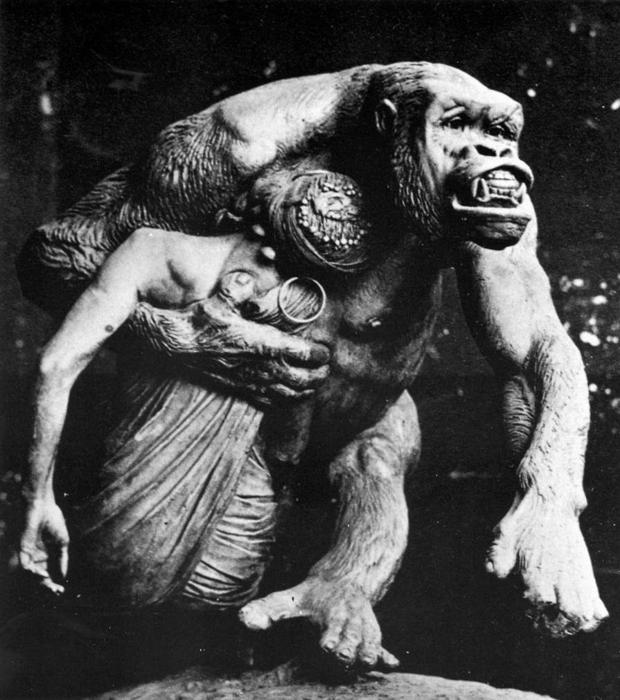
Female Gorilla Carrying off a Negress (destroyed)


 詳細を見る
詳細を見る
オンラインプレビューをはるかに凌ぐ、高解像度で鮮明なデジタル画像をご購入いただけます。
各ファイルは、社内の専門家が高度なツールと熟練した手作業によるレタッチを用いて、細心の注意を払って準備されています。すべての画像において、卓越した鮮明度、正確な色彩再現性、そして繊細なディテールを保証いたします。
最終ファイルは、プロフェッショナルな編集・印刷環境ですぐにご利用いただけるよう最適化された状態で、72時間以内にメールにてお届けいたします。これは、一流のデザインスタジオ、出版社、ギャラリーから信頼されているものと同等の品質です。
デジタル画像のご注文に付随する特典
高品質なデジタル画像配信を、確かな品質で。
ArtsDot.com を選ぶことは、単に画像を手に入れることではありません。それは、プロの手によって精密に仕上げられ、満足保証が付いた高品質なデジタルアートワークを受け取ることを意味します。ご注文いただいた際に自動的に付随する内容は、以下の通りです:

メールですぐにお届け
ご注文から72時間以内に、高解像度のデジタル画像ファイルがメールでお手元に届きます。すぐにそのままご利用いただけます。

AI技術で最適化されたデジタルファイル
お客様の作品は、高度なAIツールと専門家による手作業の編集を組み合わせてプロフェッショナルに最適化されており、細部のディテール、鮮明さ、そして正確な色再現性を最大限に引き出しています。

一生涯無料の再送サービス
ファイルを誤って削除したり、紛失してしまったりしましたか?ご安心ください。いつでも無料で再送いたします。

輸入手数料は一切かかりません
関税や手数料、配送料を気にすることなく、お気に入りのアートワークをすぐにお楽しみいただけます。デジタルダウンロードは常に免税です。

色彩再現の保証
プロ仕様のツールとカラーマネジメント技術を用いることで、デジタル画像が元の色を最大限に忠実に再現することを保証いたします。

60日間満足保証
ご購入いただいたデジタル画像にご満足いただけない場合は、60日以内であれば、修正または100%の返金(理由を問う必要はありません)をさせていただきます。

100% 返金保証
ご満足いただけない場合は、デジタルファイルを受け取ってから60日以内であれば、理由を問わず全額返金いたします。

まとめ買い割引
3枚購入で10%OFF - 5枚購入で15%OFF - 10枚以上購入で20%OFF。クリエイティブなプロジェクト、ギャラリー、エージェンシーに最適です。
A Savage Embrace: Emmanuel Frémiet’s “Gorilla Carrying Off a Negress”
Emmanuel Frémiet's 1874 sculpture, "Female Gorilla Carrying off a Negress," is not merely a striking depiction of primal power; it’s a haunting meditation on vulnerability, captivity, and the unsettling dynamics of dominance. Initially conceived as a private commission for a wealthy collector, its subsequent destruction – reportedly due to malicious intent – only amplified its notoriety and cemented its place as one of the most controversial and enduring works of the Animalier movement. The sculpture, now meticulously reproduced by ArtsDot.com, offers a profound glimpse into the artistic sensibilities of a pivotal 19th-century sculptor and invites contemplation on themes that remain remarkably relevant today.
Frémiet, born in Paris in 1824, was deeply influenced by his uncle, Sophie Frémiet, and later François Rude, shaping him into an artist profoundly attuned to capturing the essence of nature’s grandeur and vulnerability. His early work focused on scientific lithography, honing his observational skills before he transitioned to sculpting animals with unprecedented realism – a hallmark of the Animalier style that sought to portray creatures with anatomical accuracy and emotional depth. This dedication to naturalism is powerfully evident in “Female Gorilla Carrying off a Negress,” where every muscle ripple, fur texture, and expression of intent is rendered with meticulous detail.
A Study in Contrasting Forms
The sculpture itself presents a dramatic juxtaposition of forms. A colossal gorilla, sculpted from bronze or another durable material suitable for casting, dominates the scene. Its powerful physique, bulging muscles, and intense gaze convey an overwhelming sense of strength and aggression. Yet, it’s not simply brute force that defines this creature; there's a calculated intelligence in its posture, a deliberate positioning of its arms around the smaller figure. In stark contrast, the “negress,” depicted as a woman caught mid-flight, embodies vulnerability and terror. Her limbs are outstretched, her face contorted in a silent scream, suggesting an immediate loss of control.
Frémiet masterfully employs curved lines to define the bodies, creating a sense of fluidity despite the overall tension. The gorilla’s body is characterized by rounded masses, while the smaller figure exhibits more elongated and flowing shapes. Sharp lines are present in areas like the teeth and facial features, adding to the dramatic effect. The composition—a diagonal line created by the figures—suggests movement and action, as if frozen in a moment of brutal capture.
Symbolism and Historical Context
The sculpture’s origins lie within a complex historical context. Created during a period marked by racial tensions and colonial ambitions, the image immediately raises uncomfortable questions about power dynamics and representation. The choice to depict a black woman as a victim carried off by a gorilla was undoubtedly provocative, reflecting anxieties surrounding race, savagery, and the perceived “other.” However, it’s crucial to recognize that Frémiet's intention wasn't necessarily malicious; rather, he was exploring themes of primal instinct versus civilization, mirroring the artistic trends of the 19th century which often emphasized naturalism and anatomical accuracy.
The story surrounding the sculpture’s destruction adds another layer of intrigue. According to accounts, the work was deliberately damaged by individuals who objected to its depiction of a black woman being carried off by an animal. This act of vandalism underscores the sculpture's controversial nature and highlights the enduring power of art to provoke debate and challenge societal norms. The fact that it was subsequently replaced with a copy in Nancy further demonstrates the impact this piece had on the public imagination.
A Timeless Masterpiece – Reproduced for Today
ArtsDot.com’s meticulous reproductions capture the essence of Frémiet's original work, faithfully recreating its dramatic composition, nuanced details, and powerful emotional resonance. Whether displayed in a grand salon or a contemporary interior space, this artwork invites viewers to contemplate themes of power, vulnerability, and the complexities of human interaction. It serves as a potent reminder of the enduring legacy of Emmanuel Frémiet and his remarkable ability to capture the raw beauty and unsettling truths of the animal world – and, perhaps more profoundly, the human condition.
関連作品
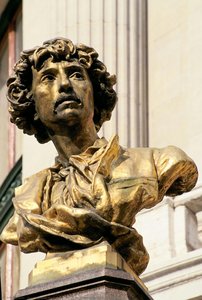
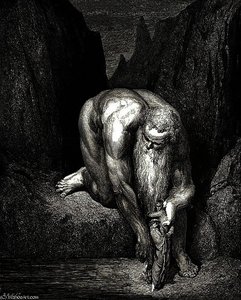
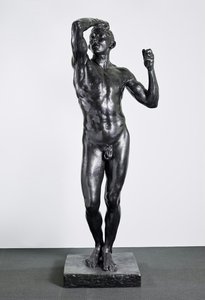

作家の略歴
The Sculptor of Nature’s Majesty
Born in the vibrant heart of Paris in 1824, Emmanuel Frémiet emerged as a transformative force in nineteenth-century sculpture, a master who breathed life into cold stone and bronze through an unparalleled devotion to realism. His artistic journey was deeply rooted in the traditions of French excellence, shaped significantly by the mentorship of his uncle, Sophie Frémiet, and the revolutionary sculptor François Rude. These early influences instilled in him a profound respect for anatomical precision and an expressive vitality that would later define his signature style. Before ascending to the heights of monumental fame, Frémiet honed his observational prowess through scientific lithography, a discipline that demanded an exacting eye for detail—a skill that would become the cornerstone of his legendary ability to capture the raw essence of the natural world.
Frémiet’s career is most distinguished by his pioneering role within the Animalier movement, a genre dedicated to the lifelike portrayal of animals. Unlike many of his contemporaries who sought only idealized forms, Frémiet pursued a visceral truth, rendering creatures such as bears, dogs, and primates with such anatomical accuracy that they seemed to pulse with hidden life. His works often transcended mere biological study to convey deep emotion and narrative tension. Whether depicting the tender vulnerability of Pan with Bear Cubs or the harrowing, controversial power dynamics found in his more dramatic compositions, Frémiet utilized texture and form to evoke a sense of movement and instinctual drama that captivated the Victorian era's fascination with natural history.
Monumental Legacies and Heroic Narratives
While his animal studies earned him intimate renown, Frémiet’s ability to command scale allowed him to leave an indelible mark on the Parisian landscape through monumental public works. He possessed a rare talent for imbuing historical and mythological figures with a sense of spiritual fortitude and national pride. His collaborative masterpiece, the Joan of Arc statue in Paris—a project involving the legendary Auguste Rodin—stands as a towering testament to his ability to weave heroic narrative into equestrian sculpture. This work, alongside his commemoration of Ferdinand de Lesseps through the Suez Monument, demonstrates his capacity to handle grand-scale themes of patriotism and human achievement with the same meticulous care he applied to the smallest detail of a creature's fur.
The breadth of Frémiet’s technical mastery is perhaps best observed in the dynamic interplay of light and shadow within his bronze works. In pieces such as Saint George Slaying the Dragon, the viewer is not merely observing a legend but is thrust into the center of a struggle defined by intricate detail and kinetic energy. His life, though marked by periods of economic hardship—including a formative tenure as a painter to the morgue—served only to deepen his understanding of the human condition and the delicate balance between life and death. Ultimately, Emmanuel Frémiet remains a titan of French sculpture, an artist whose legacy resides in the seamless fusion of scientific observation and profound, emotive artistry.
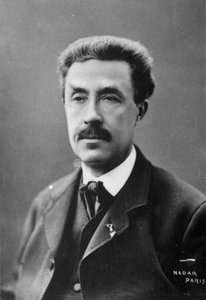
emmanuel frémiet
1824 - 1910 , France
プロフィール概要
- Artistic Movement Or Style: Animalier
- Artists Who Influenced This Artist:
- François Rude
- Pierre-Nicolas Tourgueneff
- Date Of Birth: December 6, 1824
- Full Name: Emmanuel Frémiet
- Nationality: French
- Notable Artworks:
- Joan of Arc Statue
- Female Gorilla Carrying off a Negress
- Saint George Slaying the Dragon
- Place Of Birth: Paris, France

