

 プレビュー
プレビュー
 シェアする
シェアする シェアする
シェアする
 詳細を見る
詳細を見る

 ダウンロード
 似ている作品
 X線調査
X線調査 スライドショー
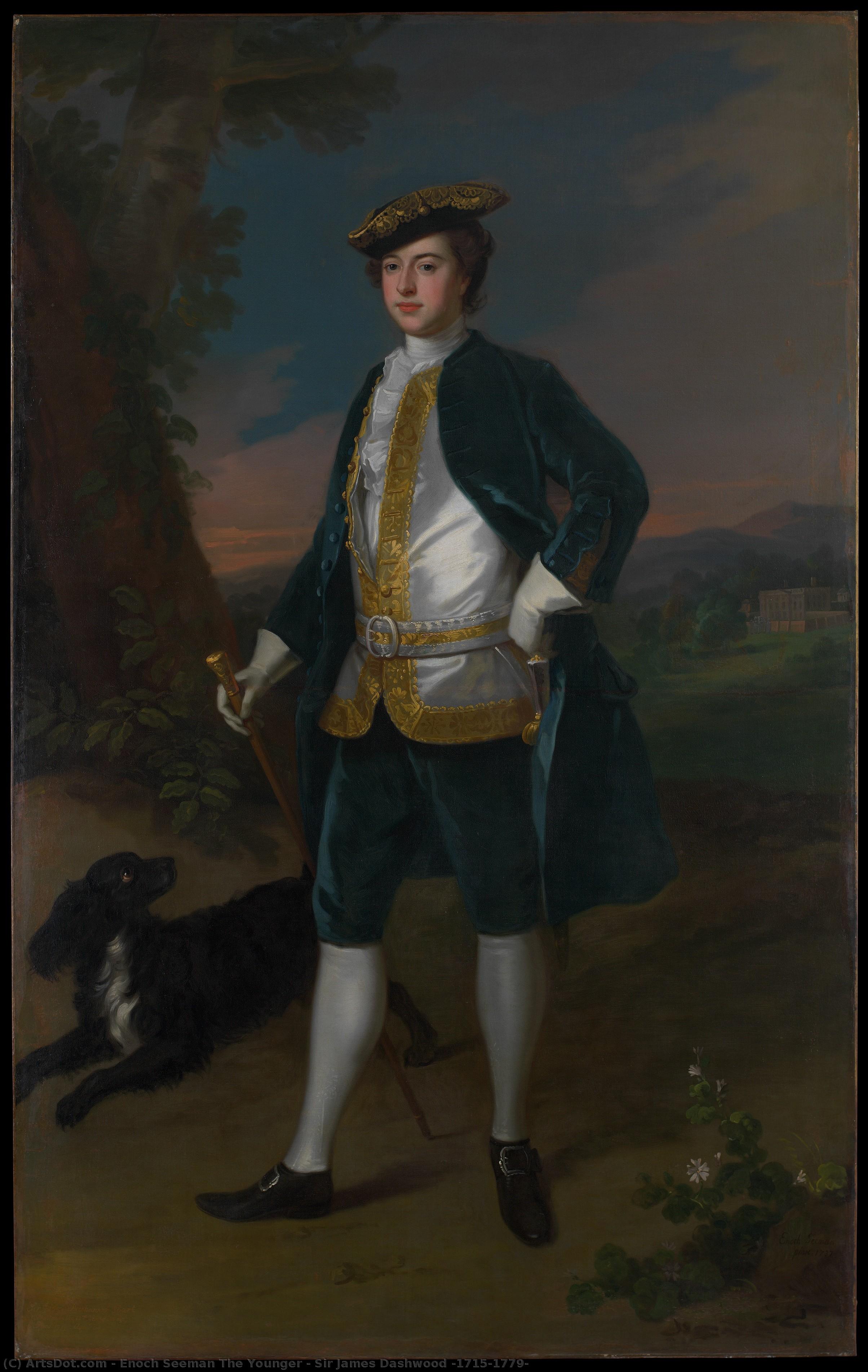
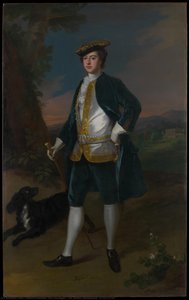
Sir James Dashwood (1715–1779)
 1737
1737 244.0 x 153.0 cm
 メトロポリタン美術館
 詳細を見る
詳細を見る
ジークレー/アートプリント
迅速な制作と多彩な仕上げオプションを備えた、ミュージアムクオリティのジークレーまたはキャンバスプリント。 ( 手描きの絵画を購入 画像を購入)




































作品のオリジナル比率に合わせた、当店の規定サイズからお選びください。

特定のフレームやスペースに合わせて、ご自身でサイズを指定することも可能です。選択されたサイズが元の画像の比率と一致しない場合、作品をトリミングするか、鏡面反射または単色での塗りつぶしによって画像を拡張いたします。制作を開始する前に、ご確認用のデジタルモックアップをお送りいたします。
画面上のプレビューには、実際のトリミングや拡張は反映されませんのでご注意ください。最終的な構図を正確に確認できるのは、モックアップのみとなります。
カスタムサイズも承っておりますが、元の比率を維持するためには、あらかじめ用意されたリストからサイズを選択することをお勧めいたします。


 ガラスオプションは、110cm未満のサイズでのみご利用いただけます。

Sir James Dashwood (1715–1779)
ジークレー/アートプリント
複製画のサイズ
-


合計金額
$ 62
作品詳細説明
関連作品






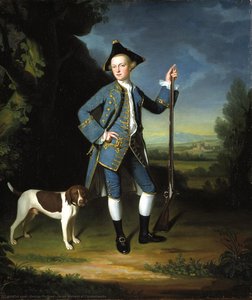
アーティストの略歴
The Elegance of a Georgian Master: The Life and Legacy of Enoch Seeman the Younger
In the grand, sweeping tapestry of the Georgian era, few artists captured the refined grace and aristocratic splendor of the age as intimately as Enoch Seeman the Younger. Born into a lineage of painters in Gdańsk, Poland, around 1689, Seeman’s journey from the Baltic coast to the heart of London’s artistic elite is a testament to the cosmopolitan nature of eighteenth-century art. Brought to England by his father, also named Enoch, in the early years of the eighteenth century, the younger Seeman arrived as a burgeoning talent ready to imprint his distinctive vision upon the British landscape. His early works, such as the 1708 group portrait of the Bisset family, already whispered of a profound connection to the established styles of masters like Godfrey Kneller, yet they hinted at a burgeoning individuality that would soon command the attention of the most influential patrons in the realm.
Seeman’s artistic development was deeply rooted in a sophisticated blend of continental training and English sensibility. While his formative years were shaped by the traditions of his Polish heritage, his mastery of the chiaroscuro technique—the dramatic interplay between light and shadow—allowed him to breathe life into the faces of the British nobility. His style moved away from the more flamboyant and crowded Baroque compositions of his predecessors, opting instead for a restrained elegance. He possessed a remarkable ability to utilize a muted palette of ochre, deep browns, and subtle greys to create an atmosphere of quiet dignity. This technical restraint did not diminish the impact of his work; rather, it heightened the psychological depth of his subjects, allowing the viewer to feel the weight of their status and the nuance of their character through meticulously rendered drapery and piercing, lifelike gazes.
Royal Commissions and the Art of Portraiture
The zenith of Seeman’s career was marked by his ascent to the prestigious position of a painter to the British royal court. This rare distinction brought him into the inner sanctum of power, most notably evidenced by his completion of coronation portraits for George II and Queen Caroline of Ansbach around 1730. These monumental works, now preserved within the hallowed halls of Windsor Castle as part of the Royal Collection, serve as enduring symbols of his ability to convey both majesty and human presence. His reach extended far beyond the palace walls, as he became a sought-after chronicler of the landed gentry and the rising social elite. From the lively depiction of Sir James Dashwood, now held by the Metropolitan Museum of Art, to the delicate portraiture of Jane Pratt Taylor, Seeman’s brush captured the very essence of Georgian identity.
Beyond his royal duties, Seeman’s influence permeated the private collections of the era, creating a visual legacy that spanned continents. His portraits found homes in significant institutions such as the National Portrait Gallery in London and the Virginia Historical Society, ensuring that his interpretation of British character would be studied by generations to come. The breadth of his achievements can be summarized through the following milestones:
- Mastery of the Royal Court: Executing pivotal coronation portraits for George II and Queen Caroline, cementing his status among the highest tier of European painters.
- Technical Innovation: Refining the use of chiaroscuro and a restrained palette to move portraiture toward a more psychological and understated elegance.
- Global Artistic Reach: Creating works that traveled from the English countryside to the colonial collections of Virginia, spreading the aesthetic of the Georgian era.
- Enduring Legacy: Establishing a foundation of draughtsmanship and detail that influenced the trajectory of British portrait painting throughout the eighteenth century.
Though his life ended in 1745, the impact of Enoch Seeman the Younger remains vibrantly etched in the history of art. He was more than a mere recorder of faces; he was an architect of image, a man who understood that a portrait is not simply a likeness, but a carefully constructed narrative of power, grace, and permanence. Through his meticulous attention to detail and his profound understanding of light, Seeman ensured that the fleeting elegance of the Georgian age would remain captured in timeless, painterly splendor.
enoch seeman the younger
1694 - 1744 , Poland
基本情報
- Artistic Movement Or Style: Georgian Era Art
- Date Of Birth: Danice, Poland (1694)
- Date Of Death: 1744
- Full Name: Enoch Seeman the Younger
- Nationality: Polish
- Notable Artworks:
- Portrait of Henrietta Louisa Jeffreys
- Sir James Dashwood
- Place Of Birth: Poland

