

 プレビュー
プレビュー
 シェアする
シェアする シェアする
シェアする
 詳細を見る
詳細を見る

 ダウンロード
 似ている作品
 X線調査
X線調査 スライドショー
 統計情報
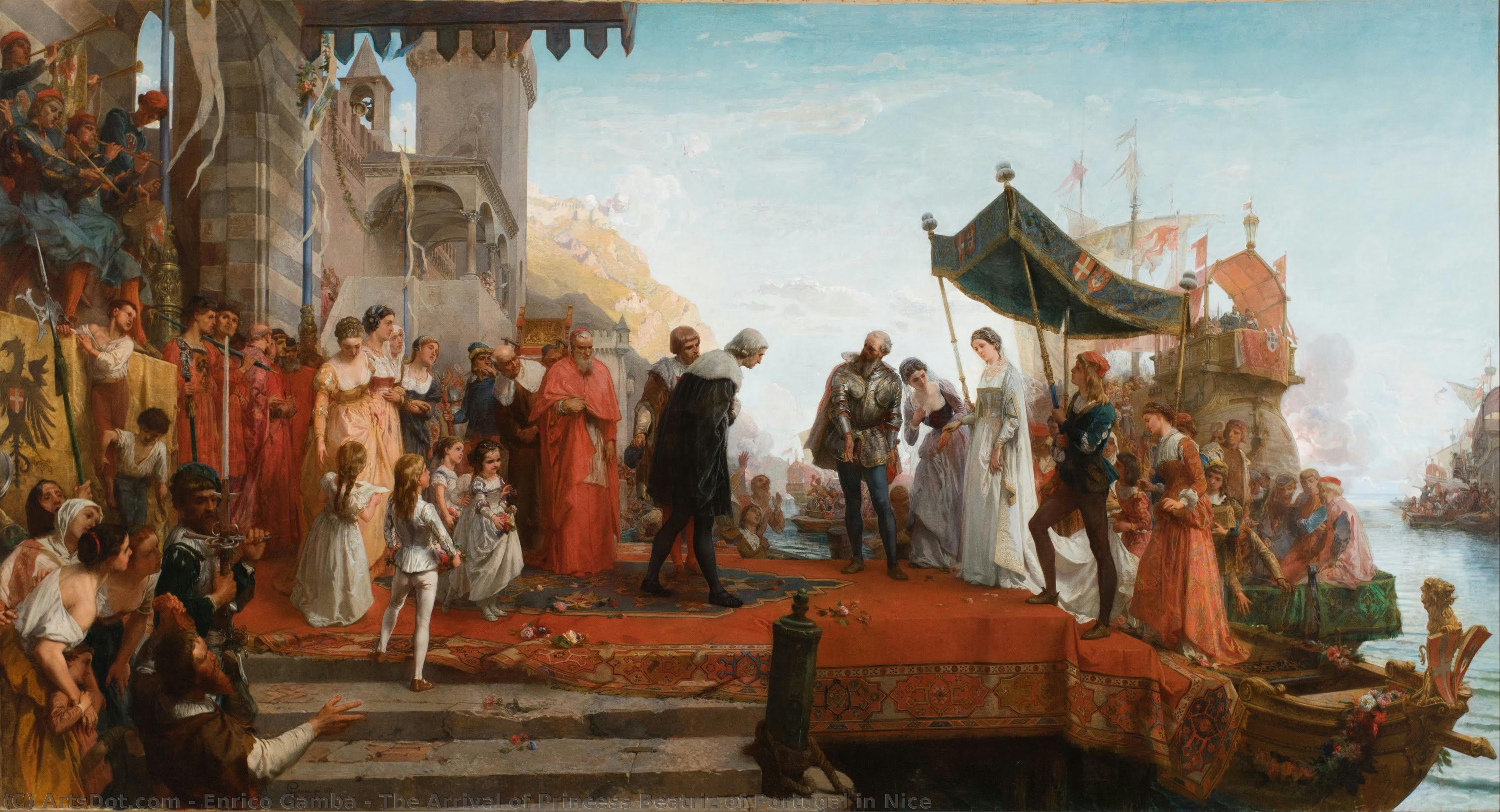
統計情報The Arrival of Princess Beatriz of Portugal in Nice


 詳細を見る
詳細を見る
オンラインプレビューをはるかに凌ぐ、高解像度で鮮明なデジタル画像をご購入いただけます。
各ファイルは、社内の専門家が高度なツールと熟練した手作業によるレタッチを用いて、細心の注意を払って準備されています。すべての画像において、卓越した鮮明度、正確な色彩再現性、そして繊細なディテールを保証いたします。
最終ファイルは、プロフェッショナルな編集・印刷環境ですぐにご利用いただけるよう最適化された状態で、72時間以内にメールにてお届けいたします。これは、一流のデザインスタジオ、出版社、ギャラリーから信頼されているものと同等の品質です。
デジタルアート
個人での鑑賞、印刷、クリエイティブなプロジェクト用に、高解像度ファイルをダウンロードできます。 ( プリント版に切り替え 手描きの絵画を購入)
デジタル画像のご注文に付随する特典
高品質なデジタル画像配信を、確かな品質で。
ArtsDot.com を選ぶことは、単に画像を手に入れることではありません。それは、プロの手によって精密に仕上げられ、満足保証が付いた高品質なデジタルアートワークを受け取ることを意味します。ご注文いただいた際に自動的に付随する内容は、以下の通りです:

メールですぐにお届け
ご注文から72時間以内に、高解像度のデジタル画像ファイルがメールでお手元に届きます。すぐにそのままご利用いただけます。

AI技術で最適化されたデジタルファイル
お客様の作品は、高度なAIツールと専門家による手作業の編集を組み合わせてプロフェッショナルに最適化されており、細部のディテール、鮮明さ、そして正確な色再現性を最大限に引き出しています。

一生涯無料の再送サービス
ファイルを誤って削除したり、紛失してしまったりしましたか?ご安心ください。いつでも無料で再送いたします。

輸入手数料は一切かかりません
関税や手数料、配送料を気にすることなく、お気に入りのアートワークをすぐにお楽しみいただけます。デジタルダウンロードは常に免税です。

色彩再現の保証
プロ仕様のツールとカラーマネジメント技術を用いることで、デジタル画像が元の色を最大限に忠実に再現することを保証いたします。

100日間満足保証
ご購入いただいたデジタル画像にご満足いただけない場合は、100日以内であれば、理由を問わず修正または100%の返金対応をさせていただきます。

100% 返金保証
ご満足いただけない場合は、デジタルファイルを受け取ってから100日以内であれば、理由を問わず全額返金いたします。

まとめ買い割引
3枚購入で10%OFF - 5枚購入で15%OFF - 10枚以上購入で20%OFF。クリエイティブなプロジェクト、ギャラリー、エージェンシーに最適です。
関連作品









作家の略歴
Eugène Delacroix: A Revolutionary Soul of Romanticism
Eugène Delacroix, born on April 26, 1798, near Paris in Charenton-Saint-Maurice, was more than just a painter; he was a catalyst for artistic change. His early life, marked by both privilege and profound loss, shaped his passionate spirit and ultimately fueled his revolutionary approach to art. The son of Charles Delacroix, a prominent figure in the French government, and Victoire Delacroix, daughter of the renowned cabinetmaker Jean-François Oeben, he was immersed in a world of artistic patronage and social influence from the start. However, tragedy struck early when his father died, leaving him and his family vulnerable. The subsequent move to Paris, coupled with the loss of his mother just a few years later, instilled within Delacroix a deep sense of loneliness and a yearning for connection—emotions that would profoundly inform his artistic vision. His formative years were spent at the Lycée Impérial, where he cultivated a love for learning and developed a keen eye for detail, laying the groundwork for his future success. It was through the mentorship of painter Pierre-Narcisse Guérin that Delacroix initially began his formal training, though he quickly recognized the limitations of this traditional approach, finding inspiration instead in the radical ideas of Théodore Géricault, whose powerful depictions of contemporary events captivated the artistic world.The Seeds of Romanticism: Influences and Early Works
Delacroix’s artistic development was inextricably linked to the burgeoning movement of Romanticism—a reaction against the rigid constraints of Neoclassicism. Unlike the cool rationality and idealized forms favored by earlier generations, Romantic artists sought to capture intense emotion, dramatic narratives, and the sublime power of nature. Delacroix's early works, such as *Dante and Virgil in Hell* (1822), demonstrated his fascination with classical mythology and his ability to render complex scenes with a remarkable sense of drama. However, it was his depiction of the Greek War of Independence—*The Massacre at Scio* (1827)—that truly cemented his reputation as a revolutionary artist. This powerful painting, depicting the brutal realities of conflict, eschewed traditional heroic narratives in favor of raw emotion and unflinching realism. Crucially, Delacroix’s exposure to the Louvre, where he immersed himself in the works of masters like Raphael, Michelangelo, and Titian, provided him with a deep understanding of artistic technique and composition—a foundation upon which he would build his own distinctive style. The influence of Lord Byron's tragedy *Sardanapalus* is also evident in *Death of Sardanapalus* (1827), showcasing Delacroix’s willingness to push boundaries and challenge conventional notions of beauty.A Masterpiece of Passion: Liberty Leading the People
Perhaps Delacroix’s most iconic work, *Liberty Leading the People* (1830), stands as a testament to his artistic genius and his commitment to social justice. Commissioned in response to the July Revolution that overthrew King Charles X, this monumental painting captures the fervor and chaos of the uprising with breathtaking intensity. Unlike many historical paintings of the time, which glorified military victories, Delacroix depicted the revolution not as a spectacle of heroism but as a desperate struggle for freedom—a chaotic dance of sacrifice and hope. The central figure of Liberty, brandishing the French flag, is both allegorical and intensely human, embodying the spirit of resistance. The painting’s dynamic composition, vibrant colors, and dramatic lighting create an overwhelming sense of immediacy, drawing the viewer into the heart of the conflict. *Liberty Leading the People* was initially met with mixed reactions—some praised its revolutionary spirit, while others condemned its perceived vulgarity and lack of decorum. However, it quickly became a symbol of French republicanism and remains one of the most recognizable images in Western art.The Last Years: Travel, Experimentation, and Legacy
In his later years, Delacroix embarked on extensive travels throughout Europe and North Africa, seeking inspiration from diverse cultures and landscapes. These journeys profoundly influenced his artistic style, leading him to experiment with new techniques and subject matter. He spent time in Spain, Morocco, and Italy, immersing himself in the vibrant colors and exotic scenes of these regions. His paintings from this period—such as *The Horsemen of the Moor* (1839) and *Women of Algiers in the Casbah* (1845)—demonstrate his growing interest in Orientalism—the depiction of Eastern cultures—and his willingness to challenge conventional European perspectives. Despite facing financial difficulties and critical challenges, Delacroix remained a prolific artist until his death on December 13, 1863, in Paris. His legacy extends far beyond his individual works; he profoundly influenced generations of artists who followed, paving the way for Impressionism and shaping the course of modern art. Eugène Delacroix’s commitment to emotional expression, dramatic composition, and a willingness to challenge artistic conventions cemented his place as one of the most important figures in the history of painting—a true revolutionary soul of Romanticism.
enrico gamba
1831 - 1883 , Italy
プロフィール概要
- Artistic Movement Or Style: Romanticism
- Artists Or Movements Influenced By This Artist:
- Byron
- Hugo
- Artists Who Influenced This Artist:
- David
- Géricault
- Date Of Birth: April 26, 1798
- Date Of Death: July 13, 1863
- Full Name: Eugène Delacroix
- Nationality: French
- Notable Artworks:
- Dante and Virgil in Hell
- Massacre at Scio
- Death of Sardanapalus
- Liberty Leading the People
- Place Of Birth: Charenton-Saint-Maurice, France