

 プレビュー
プレビュー
 シェアする
シェアする シェアする
シェアする
 詳細を見る
詳細を見る

 ダウンロード
 似ている作品
 X線調査
X線調査 スライドショー
 Stats
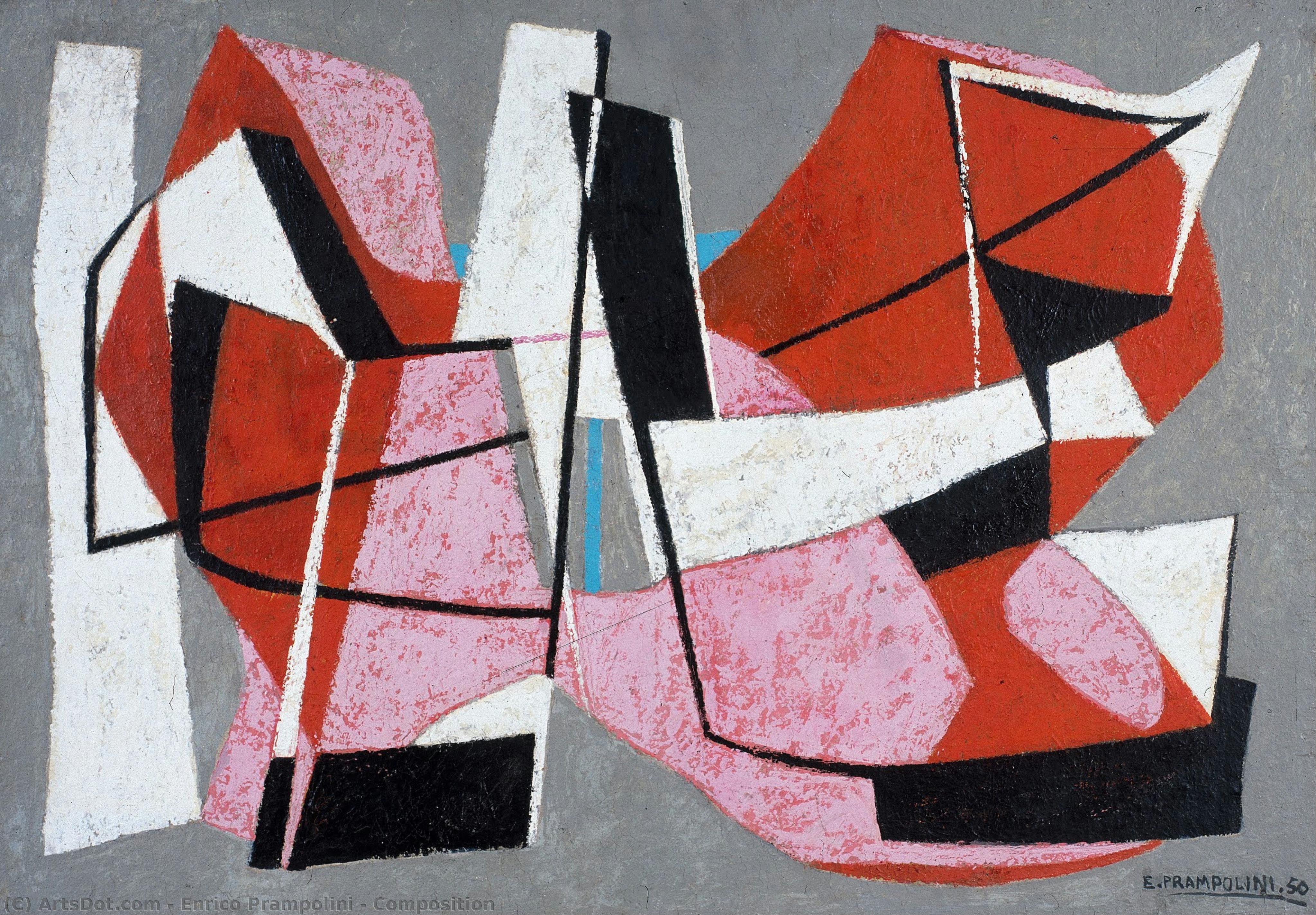
StatsComposition
 Painting
- Futurism
 Modern
 115.0 x 80.0 cm
 MAGA - Museo Arte Gallarate
 詳細を見る
詳細を見る
オンラインプレビューをはるかに凌ぐ、高解像度で鮮明なデジタル画像をご購入いただけます。
各ファイルは、社内の専門家が高度なツールと熟練した手作業によるレタッチを用いて、細心の注意を払って準備されています。すべての画像において、卓越した鮮明度、正確な色彩再現性、そして繊細なディテールを保証いたします。
最終ファイルは、プロフェッショナルな編集・印刷環境ですぐにご利用いただけるよう最適化された状態で、72時間以内にメールにてお届けいたします。これは、一流のデザインスタジオ、出版社、ギャラリーから信頼されているものと同等の品質です。
デジタルアート
個人での鑑賞、印刷、クリエイティブなプロジェクト用に、高解像度ファイルをダウンロードできます。 ( Switch to Print 手描きの絵画を購入)
デジタル画像のご注文に付随する特典
高品質なデジタル画像配信を、確かな品質で。
ArtsDot.com を選ぶことは、単に画像を手に入れることではありません。それは、プロの手によって精密に仕上げられ、満足保証が付いた高品質なデジタルアートワークを受け取ることを意味します。ご注文いただいた際に自動的に付随する内容は、以下の通りです:

メールですぐにお届け
ご注文から72時間以内に、高解像度のデジタル画像ファイルがメールでお手元に届きます。すぐにそのままご利用いただけます。

AI技術で最適化されたデジタルファイル
お客様の作品は、高度なAIツールと専門家による手作業の編集を組み合わせてプロフェッショナルに最適化されており、細部のディテール、鮮明さ、そして正確な色再現性を最大限に引き出しています。

一生涯無料の再送サービス
ファイルを誤って削除したり、紛失してしまったりしましたか?ご安心ください。いつでも無料で再送いたします。

輸入手数料は一切かかりません
関税や手数料、配送料を気にすることなく、お気に入りのアートワークをすぐにお楽しみいただけます。デジタルダウンロードは常に免税です。

色彩再現の保証
プロ仕様のツールとカラーマネジメント技術を用いることで、デジタル画像が元の色を最大限に忠実に再現することを保証いたします。

100日間満足保証
ご購入いただいたデジタル画像にご満足いただけない場合は、100日以内であれば、理由を問わず修正または100%の返金対応をさせていただきます。

100% 返金保証
ご満足いただけない場合は、デジタルファイルを受け取ってから100日以内であれば、理由を問わず全額返金いたします。

まとめ買い割引
3枚購入で10%OFF - 5枚購入で15%OFF - 10枚以上購入で20%OFF。クリエイティブなプロジェクト、ギャラリー、エージェンシーに最適です。
A Symphony of Form and Color
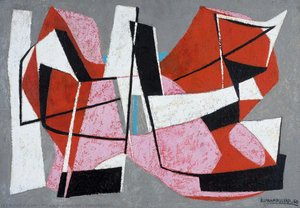
In the realm of mid-century abstraction, few works capture the restless energy of post-war reconstruction quite like Enrico Prampolini’s Composition. This masterpiece serves as a profound visual testament to the artist's evolution, bridging the gap between the aggressive dynamism of his Futurist roots and the refined, structural clarity of the Concrete Art movement. As one gazes upon the canvas, the eye is immediately swept into a rhythmic dance of geometric precision and fluid spontaneity. The painting is not merely a collection of shapes but a living organism where red, black, pink, and blue intersect in a delicate balance of tension and harmony. It is an invitation to witness the metamorphosis of form, where triangles, squares, and circles overlap to create a sense of depth that feels both architectural and ethereal.
The technique employed by Prampolini in this work reveals a sophisticated mastery over chromatic relationships. He moves beyond simple decoration, utilizing what critics have described as "timbric values"—a method of treating color as if it were musical tone. The interplay between the heavy, grounding presence of black and the vibrant, pulsating reds creates a visual pulse that mimics the heartbeat of a modernizing world. Through the strategic use of white and soft pink accents, Prampolini introduces light into the composition, preventing the darker elements from becoming stagnant. This careful manipulation of pigment ensures that the painting remains in a state of "continuous metamorphosis," a quality that makes it an endlessly engaging subject for close study.
Historical Resonance and Artistic Legacy
To understand Composition is to understand the cultural landscape of Milan in the wake of World War II. Prampolini, a pivotal figure who had been active in the Roman Futurist circles since 1913, found himself at the heart of a new intellectual movement that sought to rebuild European identity through abstraction. This painting embodies the spirit of groups like Abstraction Création and the later MAC (Movimento Arte Concreta), where the goal was to strip art of its representational burdens to find truth in pure form and color. The work reflects a period of intense experimentation, where artists sought to document the shifting social and technological atmospheres through a language that was universal and unbound by tradition.
For the discerning collector or interior designer, this piece offers more than just aesthetic beauty; it provides a sophisticated focal point that commands presence in any contemporary setting. The artwork’s ability to harmonize bold, energetic strokes with structured geometric stability makes it an ideal centerpiece for spaces that value intellectual depth and modern elegance. Whether placed in a minimalist gallery-style living room or a professional executive suite, Composition acts as a window into the avant-garde spirit of the 20th century, bringing a sense of historical prestige and vibrant, timeless energy to its surroundings.
関連作品


作家の略歴
The Architect of Motion: The Life and Vision of Enrico Prampolini
In the turbulent landscape of early twentieth-century Europe, few artists captured the restless pulse of modernity as vibrantly as Enrico Prampolini. Born in Modena in 1894, Prampolini emerged not merely as a painter, but as a multidisciplinary force—a sculptor, scenographer, and theorist who sought to dismantle the static boundaries of traditional art. His journey began under the tutelage of Duilio Cambellotti at the Accademia di Belle Arti di Roma, an education that provided him with a classical foundation even as his spirit yearned for the radical disruptions of the avant-garde. This tension between established tradition and the feverish pursuit of innovation would become the defining characteristic of his entire oeuvre.
By 1913, Prampolini had fully embraced the Futurist movement, aligning himself with the provocative manifestos of Filippo Tommaso Marinetti. He became a vital architect of the movement's visual language, contributing to the dissemination of its ideals through collaborative ventures and influential publications. In 1917, alongside Bino Sanminiatelli, he co-founded the magazine Noi, creating a platform for artistic discourse that challenged the very essence of academic convention. His talent for spatial manipulation found a unique outlet in the world of cinema; his scenography for the groundbreaking film Thaïs, directed by Anton Giulio Brancaglia, utilized dreamlike, suffocating interiors decorated with spirals and lozenges to create an atmosphere of psychological disorientation—a technique that would leave a lasting imprint on the development of German Expressionist filmmaking.
From Dynamic Landscapes to Cosmic Abstraction
The evolution of Prampolini’s style is a fascinating study in the metamorphosis of form. His early works, such as Spatial-Landscape Construction (1919), utilized bold, flat areas of red, orange, and deep blue to bridge the gap between recognizable scenery and pure abstraction. As his career progressed, he moved toward a state of total abstraction, exemplified by the Simultaneous Landscape (1922), where perspective was abandoned in favor of rhythmic, flat color planes. This period of experimentation was deeply intertwined with the rise of Aeropainting, a subset of Futurism that sought to capture the exhilarating sensation of flight and the bird's-eye view of the modern world.
However, Prampolini’s vision was never static. By the early 1930s, he transitioned into what critics call "cosmic idealism," a phase characterized by biomorphic abstractionism. In works like Pilot of the Infinite (1931) and Biological Apparition (1940), the aggressive geometry of his youth gave way to organic, fluid shapes that suggested the vast, unseen energies of the universe. This shift demonstrated his profound ability to adapt to the changing intellectual currents of Europe, moving from the mechanical obsession of early Futurism toward a more spiritual, almost biological, exploration of space and existence.
A Legacy of Interdisciplinary Mastery
The historical significance of Enrico Prampolini lies in his refusal to be confined by a single medium or movement. His influence radiated through various artistic circles, connecting him to the Section d'Or, Dadaism, the Bauhaus, and De Stijl. He maintained a sophisticated dialogue with the giants of modernism, including Pablo Picasso, Piet Mondrian, and Wassily Kandinsky, positioning himself at the very heart of the European avant-garde.
To look upon a Prampolini masterpiece today is to witness a symphony of form and color. Whether through his structural clarity in post-war compositions or his earlier, more turbulent landscapes, his work remains a testament to the power of movement. His legacy is defined by several key artistic contributions:
- The Integration of Scenography and Painting: He revolutionized how theatrical space could reflect psychological depth and modern dynamism.
- Pioneering Aeropainting: He helped redefine the landscape through the lens of technological advancement and aerial perspective.
- Chromatic Innovation: His use of "timbric values"—treating color as musical tone—brought a new sensory dimension to abstract art.
- The Bridge to Concrete Art: His ability to transition from Futurist energy to the refined, structural precision of mid-century abstraction helped shape the trajectory of modern European art.
Ultimately, Enrico Prampolini remains an essential figure for anyone seeking to understand the heartbeat of the twentieth century—an artist who saw the world not as a collection of fixed objects, but as a continuous, beautiful, and ever-changing state of motion.
enrico prampolini
1894 - 1956
プロフィール概要
- Artistic Movement Or Style: Futurist Painter
- Artists Or Movements Influenced By This Artist:
- Bauhaus
- De Stijl
- Artists Who Influenced This Artist: ['Dulio Cambellotti']
- Date Of Birth: 20 April 1894
- Date Of Death: 17 June 1956
- Full Name: Enrico Prampolini
- Nationality: Italian
- Notable Artworks:
- Composition
- Untitled (521)
- Scenografia
- Place Of Birth: Modena, Italy