

 シェアする
シェアする シェアする
シェアする
 詳細を見る
詳細を見る

 ダウンロード
 似ている作品
 スライドショー
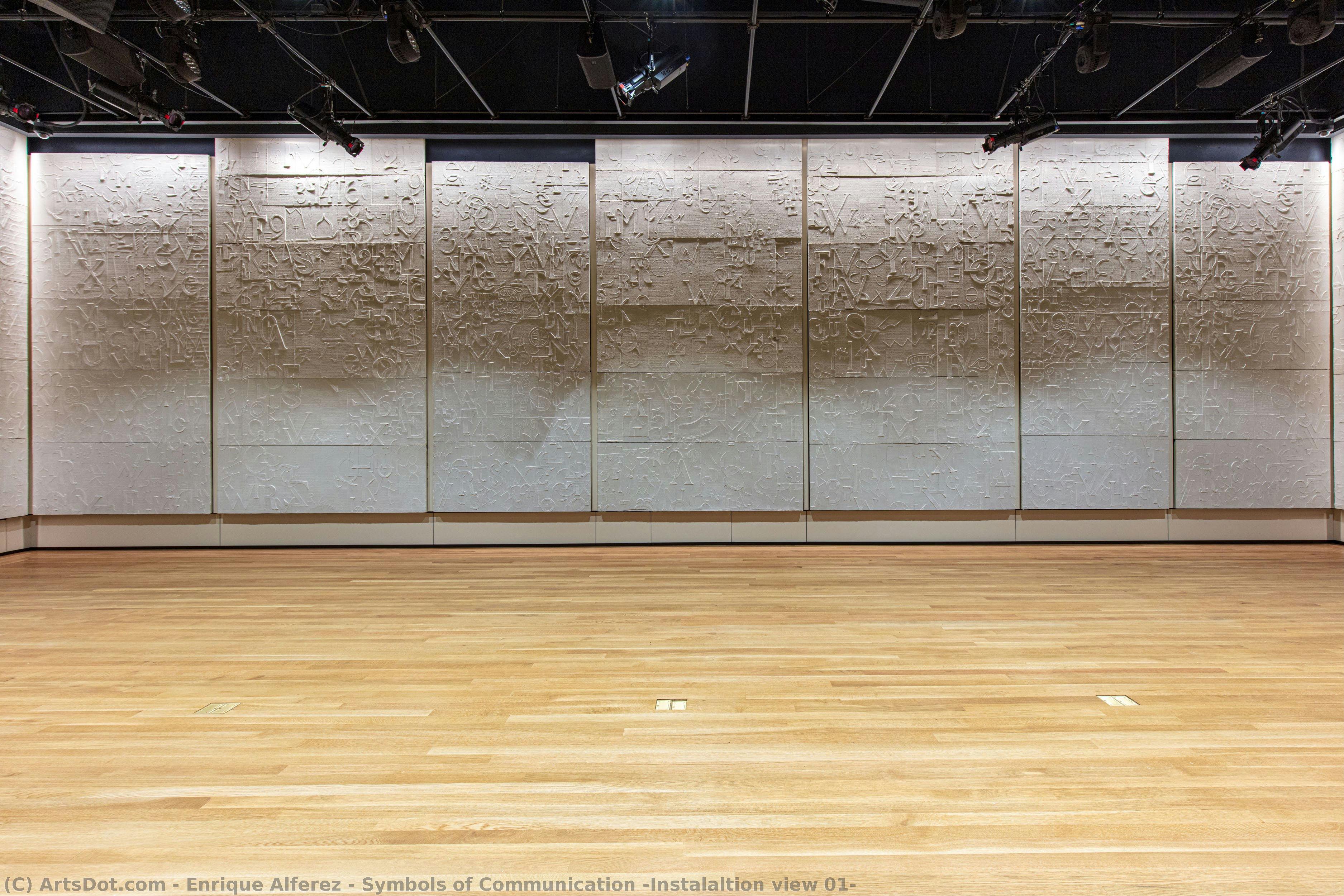
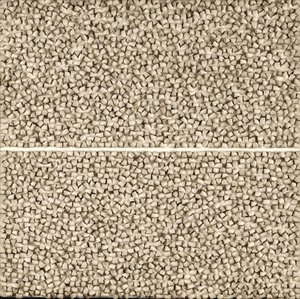
Symbols of Communication (Instalaltion view 01)


 詳細を見る
詳細を見る
ジークレー/アートプリント
迅速な制作と多彩な仕上げオプションを備えた、ミュージアムクオリティのジークレーまたはキャンバスプリント。 ( 手描きの絵画を購入 画像を購入)




































作品のオリジナル比率に合わせた、当店の規定サイズからお選びください。

特定のフレームやスペースに合わせて、ご自身でサイズを指定することも可能です。選択されたサイズが元の画像の比率と一致しない場合、作品をトリミングするか、鏡面反射または単色での塗りつぶしによって画像を拡張いたします。制作を開始する前に、ご確認用のデジタルモックアップをお送りいたします。
画面上のプレビューには、実際のトリミングや拡張は反映されませんのでご注意ください。最終的な構図を正確に確認できるのは、モックアップのみとなります。
カスタムサイズも承っておりますが、元の比率を維持するためには、あらかじめ用意されたリストからサイズを選択することをお勧めいたします。


 ガラスオプションは、110cm未満のサイズでのみご利用いただけます。

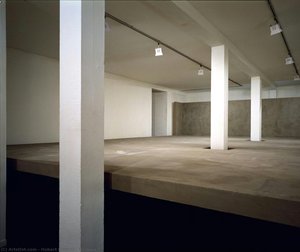
Symbols of Communication (Instalaltion view 01)
ジークレー/アートプリント
複製画のサイズ
-


合計金額
$ 62
A Tactile Dialogue: The Textured World of Enrique Alferez
In the quiet, contemplative space of an art gallery, one occasionally encounters a work that transcends the mere visual to engage the very sense of touch. Symbols of Communication (Installation view 01), a profound creation by the Mexican-born master Enrique Alferez, is precisely such a masterpiece. Captured in a striking monochrome perspective, this installation presents a rhythmic dance of light and shadow across a series of plaster-covered panels. The work does not merely sit upon a wall; it transforms the architecture itself into a living, breathing entity. Each section of the relief offers a different topographical language, inviting the viewer to wander through a landscape of sculpted textures that seem to pulse with an ancient, silent energy.
The brilliance of this piece lies in its masterful use of relief and materiality. Alferez, a sculptor whose hands were trained in the rugged traditions of his Mexican heritage and refined by the monumental demands of New Orleans' architectural landscape, utilizes plaster to create a complex interplay of depth. The shadows cast by the raised edges of the panels act as a secondary medium, shifting as the light moves through the room. This technique creates a sense of movement within a static medium, where the "symbols" mentioned in the title become an abstract vocabulary of form. For the discerning collector or interior designer, this work offers a sophisticated layer of intellectual and visual depth, making it an ideal centerpiece for spaces that value architectural integration and sculptural presence.
The Echoes of History and Human Connection
To understand the soul of Symbols of Communication, one must look toward the life of the artist himself. Alferez’s journey—from the turbulent landscapes of the Mexican Revolution to the vibrant cultural crossroads of New Orleans—imbued his work with a unique resilience and a deep respect for human narrative. This installation serves as a visual metaphor for the ways in which we transmit meaning across time and space. The fragmented yet cohesive nature of the panels suggests that communication is rarely a single, unbroken line, but rather a collection of textures, impressions, and shared surfaces.
The emotional impact of the work is one of profound stillness and introspection. There is a rhythmic, almost musical quality to the arrangement of the sections, reminiscent of a visual percussion. For those seeking to adorn a curated environment, a high-quality reproduction of this installation brings more than just aesthetic beauty; it introduces a conversation about heritage, texture, and the enduring power of human expression. It is a piece that demands a slow gaze, rewarding the observer with new details—a subtle ridge, a soft depression, a sharp edge—each time they encounter its complex, monochromatic beauty.
関連作品

アーティストの略歴
Enrique Alferez: Sculptor of New Orleans’ Soul
Enrique Alferez (1901-1999) wasn't merely a sculptor; he was a chronicler of his city, a voice for its people, and a master of capturing the essence of New Orleans through stone and bronze. Born in a small village nestled within northern Mexico’s rugged landscape – a place that instilled in him an early appreciation for both nature and the enduring traditions of his heritage – Alferez's artistic journey took a dramatic turn at the tender age of twelve when he fled to join the Mexican Revolution. This formative experience, steeped in conflict and social upheaval, profoundly shaped his worldview and fueled a desire to depict the realities of human existence with unflinching honesty.
His early life was marked by a confluence of influences. His father, a skilled woodworker hailing from Zacatecas, imparted a foundational understanding of form and craftsmanship – a legacy that would later inform Alferez’s sculptural techniques. However, it was his encounter with Lorado Taft in 1927, during a lecture tour in El Paso, Texas, that truly ignited his artistic ambitions. Taft, a renowned sculptor known for his neoclassical figures, recognized Alferez's innate talent and invited him to study under him in Chicago. This pivotal period provided Alferez with invaluable training in classical techniques, while simultaneously exposing him to the burgeoning modern art movements of the era – a synthesis of tradition and innovation that would become characteristic of his own distinctive style.
Early Career & Influences
Alferez’s time in Chicago proved transformative. He immersed himself in the city's vibrant artistic scene, absorbing the techniques of the Bauhaus movement and developing a keen eye for detail. Yet, it was his relocation to New Orleans in 1929 that truly cemented his place as a defining figure in the city’s cultural landscape. Drawn by the city’s unique blend of European elegance and Creole spirit, Alferez quickly established himself as a sought-after sculptor, undertaking commissions for prominent buildings and public spaces.
His artistic development was profoundly influenced by Taft's teachings, particularly his emphasis on anatomical accuracy and realistic representation. However, Alferez wasn’t simply a technical imitator; he infused his work with a distinctly Mexican sensibility – evident in the strong lines, dynamic poses, and often-expressive faces of his figures. Furthermore, he drew inspiration from the diverse cultural influences that permeated New Orleans: the grandeur of French architecture, the rhythms of jazz music, and the vibrant traditions of its African American community.
Notable Works & Artistic Style
Alferez’s sculptural output is remarkably varied, encompassing a wide range of subjects and styles. He is perhaps best known for his monumental architectural reliefs, which adorn buildings throughout New Orleans – including the iconic Molly Marine statue at Elk Place, a powerful depiction of a woman in military uniform that challenged prevailing social norms. His work for Charity Hospital, notably “Louisiana in Work and Play” and another limestone carving of medical themes, speaks to the city’s history of disease and resilience.
Beyond these large-scale commissions, Alferez created numerous smaller sculptures, often depicting scenes from everyday life – fishermen casting their nets, children playing in the streets, and laborers working on construction sites. His figures are characterized by a remarkable sense of immediacy and emotional depth, capturing the essence of human experience with both grace and power. He skillfully employed techniques such as bas-relief, bronze casting, and marble carving to achieve his desired effects, demonstrating a mastery of materials and a deep understanding of sculptural form.
Legacy & Historical Significance
Enrique Alferez’s legacy extends far beyond the physical monuments that grace New Orleans. He was a champion of social justice, frequently depicting marginalized communities in his work – notably including Black male figures among those depicted on City Park bridges during a time when such representation was rare and controversial. His sculptures served as powerful statements about equality and inclusivity, reflecting the progressive values of the era.
His contributions to the Works Progress Administration (WPA) further solidified his place in New Orleans’ artistic history. During this period, he produced a significant body of work for public spaces, providing employment opportunities for artists during the Great Depression. Alferez remained active as an artist and teacher well into his later years, passing away in 1999 at the age of 98. His influence continues to be felt throughout New Orleans, where his sculptures serve as enduring reminders of the city’s rich cultural heritage and its commitment to social progress. The Helis Foundation Enrique Alférez Sculpture Garden stands as a testament to his life's work, preserving and celebrating his remarkable artistic legacy for generations to come.
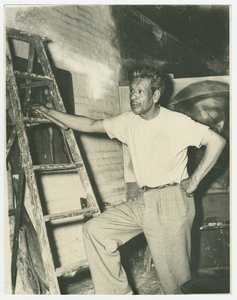
enrique alferez
1901 - 1999 , Mexico
基本情報
- Artistic Movement Or Style: Architectural reliefs, Human form
- Artists Or Movements Influenced By This Artist: ['Jean-Antoine Houdon']
- Artists Who Influenced This Artist: ['Lorado Taft']
- Date Of Birth: 1901
- Date Of Death: 1999
- Full Name: Enrique Alferez
- Nationality: Mexican
- Notable Artworks:
- Molly Marine
- Louisiana in Work & Play
- Symbols of Communication
- Place Of Birth: Rural Village, Mexico
関連記事
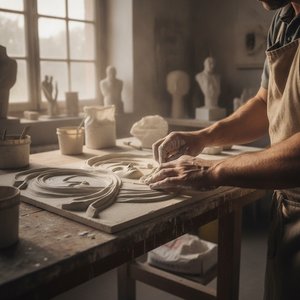
Sculpting with Soul: An Expert Guide to the Tactile Elegance of Plaster Relief Art
Discover the captivating world of plaster relief art. Our expert guide explores the history, techniques, and curation of textured bas-relief, helping collectors bring depth, light, and soulful dimension to their modern interiors through sophisticated sculptural masterpieces.

Kandinsky's Masterpieces: 25 Paintings That Define Abstract Art | ArtsDot
Journey through Wassily Kandinsky's 25 most iconic abstract paintings. Explore his revolutionary use of color, form & spiritual expressionism. Find museum-quality Kandinsky reproductions and elevate your home decor with ArtsDot.com. Discover all masterpieces on ArtsDot.com!

抽象表現主義を定義する十大傑作:芸術と装飾の深遠な旅
抽象表現主義を定義する10の傑作。ポロック、ロスコら巨匠たちの情熱と色彩の世界へ。各作品に込められた物語と技法を紐解き、至高のアート体験を。ArtsDot.comで、ミュージアムクオリティの複製画や洗練されたインテリアアイデアを発見してください。
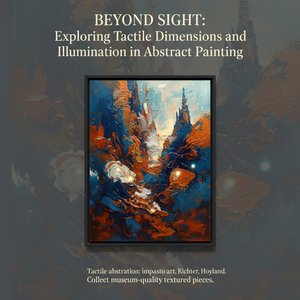
Beyond Sight: Exploring Tactile Dimensions and Illumination in Abstract Painting
Explore the captivating world of tactile abstraction! Discover impasto techniques, influential artists like Richter & Hoyland, and expert insights for collecting textured art. Elevate your space with museum-quality pieces.

幾何学的抽象絵画を定義した傑作10選|アート、アーティスト、インテリア装飾
モンドリアン、マレーヴィチ…幾何学的抽象絵画を代表する傑作10選。各作品の背景や色彩構成、アーティストの情熱に迫ります。美術館品質の複製画はArtsDot.comで。オンラインでアートコレクションをご覧ください。

