

 シェアする
シェアする シェアする
シェアする
 詳細を見る
詳細を見る

 ダウンロード
 似ている作品
 スライドショー
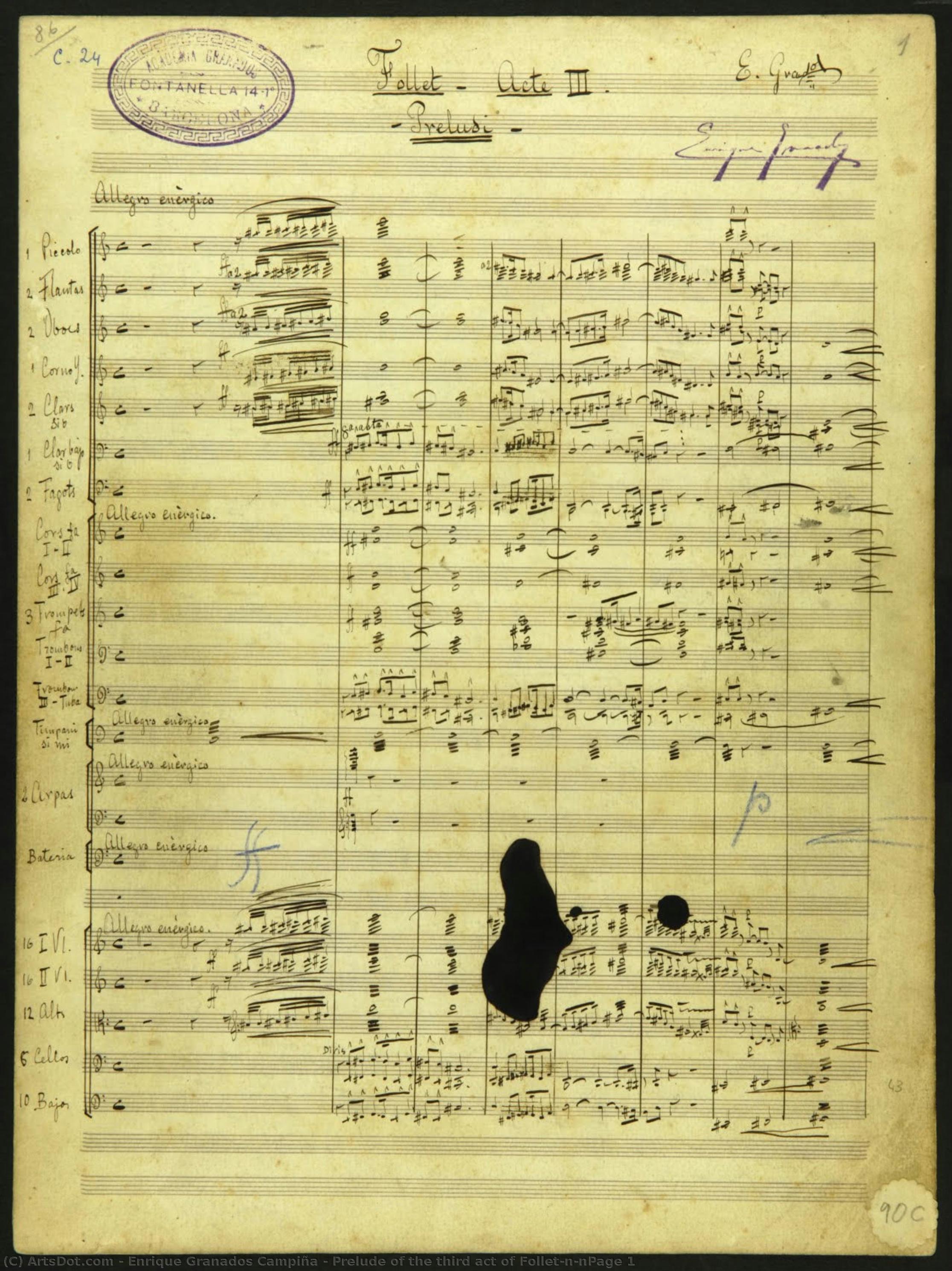
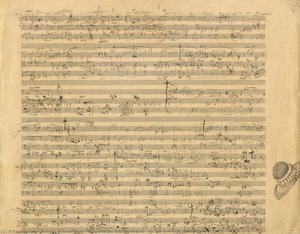
Prelude of the third act of Follet\n\nPage 1
 Black and White Photography
- Photo
- Romanticism
 19th Century
 63.0 x 68.0 cm
 バルセロナ音楽博物館
 詳細を見る
詳細を見る
ジークレー/アートプリント
迅速な制作と多彩な仕上げオプションを備えた、ミュージアムクオリティのジークレーまたはキャンバスプリント。 ( 手描きの絵画を購入 画像を購入)




































作品のオリジナル比率に合わせた、当店の規定サイズからお選びください。

特定のフレームやスペースに合わせて、ご自身でサイズを指定することも可能です。選択されたサイズが元の画像の比率と一致しない場合、作品をトリミングするか、鏡面反射または単色での塗りつぶしによって画像を拡張いたします。制作を開始する前に、ご確認用のデジタルモックアップをお送りいたします。
画面上のプレビューには、実際のトリミングや拡張は反映されませんのでご注意ください。最終的な構図を正確に確認できるのは、モックアップのみとなります。
カスタムサイズも承っておりますが、元の比率を維持するためには、あらかじめ用意されたリストからサイズを選択することをお勧めいたします。


 ガラスオプションは、110cm未満のサイズでのみご利用いただけます。

Prelude of the third act of Follet\n\nPage 1
ジークレー/アートプリント
複製画のサイズ
-


合計金額
$ 62
A Melodic Fragment Frozen in Time
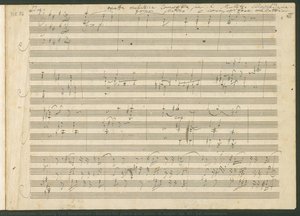
In the quiet intersection of visual history and auditory memory lies the Prelude of the third act of Follet, a captivating artifact that transcends its identity as mere sheet music to become a poignant window into the soul of Spanish Romanticism. This black and white photograph captures a single page of musical notation, presenting a delicate dance of ink upon paper that feels both intimate and monumental. The composition is characterized by a sense of weathered elegance; the visible creases, faded textures, and subtle signs of aging act as a physical manifestation of time passing, lending the piece an aura of profound nostalgia. It is not merely a document of notes, but a relic of a vanished era, inviting the viewer to listen with their eyes to the silent rhythms etched into its surface.
The aesthetic power of this work lies in its stark, monochromatic simplicity. Without the distraction of color, the eye is drawn to the rhythmic interplay of the musical symbols—the sharp precision of the notes against the soft, aged grain of the paper. The presence of two distinct stamps, positioned like silent sentinels at the corners of the page, adds a layer of historical mystery, suggesting a journey through private collections and grand conservatories. For the discerning collector or interior designer, this piece offers a sophisticated textural element, providing a neutral yet intellectually stimulating focal point that complements both minimalist modern spaces and richly layered classical interiors.
The Echoes of Granados and Spanish Identity
To contemplate this prelude is to evoke the spirit of its composer, Enrique Granados Campiña, a master who breathed life into the fusion of flamenco passion and Romantic grandeur. While the sheet music itself serves as a structural blueprint for sound, it carries the weight of Granados’s unique musical language—a language deeply rooted in the soil of Spain. The very existence of this page suggests the dramatic tension inherent in the third act of an opera or suite, hinting at the emotional crescendos and melancholic descents that defined his most celebrated works, such as Goyescas. There is a palpable sense of drama held in suspension, as if the music is waiting for a performer’s touch to break its long silence.
For those seeking to infuse their surroundings with culture and depth, this reproduction serves as more than decoration; it is an invitation to contemplation. It embodies the concept of musical nationalism, representing a period when art sought to reclaim and celebrate local identity through universal beauty. Whether displayed in a study, a music room, or a curated gallery space, the Prelude of the third act of Follet acts as a bridge between the tactile history of the nineteenth century and the contemporary appreciation for classical heritage, offering an enduring sense of grace and intellectual prestige.
関連作品
アーティストの略歴
The Soul of Spanish Romanticism: The Life and Legacy of Enrique Granados
Enrique Granados (1867-1916) stands as a monumental figure in the annals of Spanish classical music, recognized for his singular ability to fuse the soulful traditions of flamenco with the expressive grandeur of Romanticism. Born in Lleida, Catalonia, Granados’s musical journey began amidst a family steeped in artistic heritage and propelled him toward a career that would reshape perceptions of Spanish musical identity. His legacy continues to resonate globally through performances of his celebrated compositions—particularly Goyescas and Spanish Dances—which cemented his place as one of the foremost composers of his era.
Granados's formative years were marked by intensive study at Barcelona’s Museo de Música, where he honed his skills as both pianist and composer under the tutelage of influential educators. This rigorous training instilled in him a deep understanding of musical theory and technique while simultaneously nurturing an innate sensitivity to Spanish folk music—a cornerstone of Granados's distinctive artistic vision. His fascination with flamenco, specifically its rhythmic complexity and emotive vocal delivery, profoundly impacted his compositional style, resulting in works that captured the very spirit of Catalan culture.
A Masterful Blend of Tradition and Innovation
The musical language of Granados is characterized by a masterful blend of Romantic melodic contours and harmonic richness with elements derived from deep-seated Spanish traditions. He skillfully incorporated flamenco rhythms into orchestral pieces, creating evocative soundscapes that transported listeners to the Andalusian countryside. His compositions often feel like living tapestries, where the delicate, lyrical beauty of the piano meets the rhythmic pulse of the Iberian Peninsula.
< andp>Beyond his native influences, Granados drew inspiration from the giants of European music, such as Frédéric Chopin and Johannes Brahms. By absorbing their stylistic innovations—particularly their approach to rubato and harmonic depth—he was able to elevate Spanish folk motifs into the realm of high art. This synthesis allowed him to create works that were simultaneously nationalistic in spirit and universal in appeal, bridging the gap between regional identity and the broader European classical tradition.Enduring Achievements and Historical Significance
The historical significance of Enrique Granados lies in his pivotal role in the rise of musical nationalism. Through his meticulous craftsmanship, he provided a voice for Spanish identity during a period of profound cultural evolution. His manuscripts and scores, such as the hauntingly beautiful Prelude of the third act of Follet, serve as rare windows into a creative process that sought to capture nostalgia and grandeur in equal measure.
The impact of his work can be summarized through several key contributions:
- Cultural Synthesis: The seamless integration of flamenco rhythms and Spanish folk melodies with the sophisticated structures of Romanticism.
- Iconic Repertoire: The creation of timeless masterpieces like Goyescas, which remain staples of the piano repertoire worldwide.
- National Identity: His role as a pioneer in establishing a distinct Spanish musical voice that moved beyond mere imitation of Northern European styles.
Though his life was tragically cut short, the echoes of Granados's compositions continue to inspire musicians and listeners alike. He remains a symbol of an era where music served as both a personal expression of beauty and a powerful vessel for national pride.
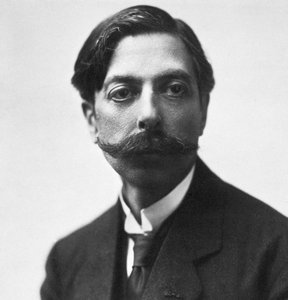
enrique granados campiña
1867 - 1916 , Spain
基本情報
- Artistic Movement Or Style: Romantic music; Musical nationalism
- Artists Or Movements Influenced By This Artist: ['Liszt']
- Artists Who Influenced This Artist: ['Johannes Brahms']
- Date Of Birth: 1867
- Full Name: Enrique Granados Campiña
- Nationality: Spanish
- Notable Artworks:
- Goyescas
- Spanish Dances
- Place Of Birth: Lleida, Spain
関連記事

White on Canvas: 10 Masterpieces & Timeless Elegance for Your Home Decor
Explore 10 iconic white paintings by Monet, Whistler & Rothko! Discover the stories behind these serene masterpieces and their impact on art history. Find museum-quality reproductions for your home decor at .

Dark Masterpieces: 10 Iconic Paintings Dominated by Black Tones |
Explore 10 iconic paintings dominated by black tones, from Rembrandt’s chiaroscuro to Goya's dark expressions. Discover the stories behind these masterpieces & find museum-quality art reproductions for your home at .
Harmonies on Canvas: Exploring the Visual Representation of Music in Art History
Explore the fascinating history of music's visual representation in art! From ancient symbolism to modern abstraction, discover how artists have captured sound and emotion on canvas. Expert insights & stunning examples.

Monochrome Visions: Exploring the Aesthetic & Historical Significance of Black & White Photography
Explore the rich history & artistic power of black and white photography. From early techniques to iconic masters like Ansel Adams, discover why monochrome continues to captivate art lovers today. Expert insights for collectors.

Mars Black Masterpieces: 10 Iconic Paintings & Timeless Art Decor Ideas
Delve into the power of 'Mars Black' with 10 iconic paintings by masters like Rembrandt & Caravaggio. Explore dramatic chiaroscuro, gothic art, and timeless beauty. Find museum-quality reproductions & elevate your home decor on .