

 プレビュー
プレビュー
 プリントを購入
 シェアする
シェアする シェアする
シェアする
 詳細を見る
詳細を見る

 ダウンロード
 似ている作品
 X線調査
X線調査 スライドショー
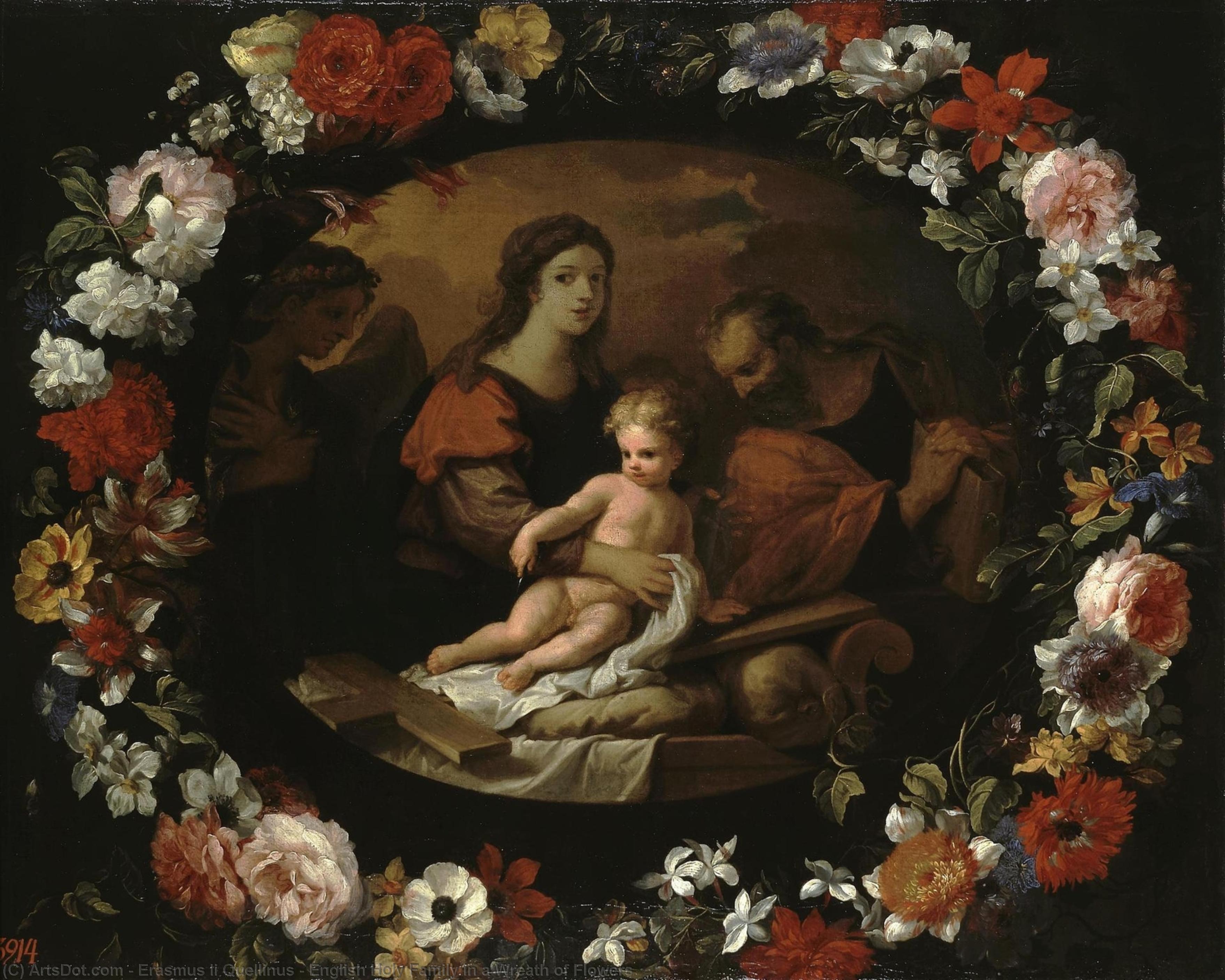
English Holy Family in a Wreath of Flowers


 詳細を見る
詳細を見る
オンラインプレビューをはるかに凌ぐ、高解像度で鮮明なデジタル画像をご購入いただけます。
各ファイルは、社内の専門家が高度なツールと熟練した手作業によるレタッチを用いて、細心の注意を払って準備されています。すべての画像において、卓越した鮮明度、正確な色彩再現性、そして繊細なディテールを保証いたします。
最終ファイルは、プロフェッショナルな編集・印刷環境ですぐにご利用いただけるよう最適化された状態で、72時間以内にメールにてお届けいたします。これは、一流のデザインスタジオ、出版社、ギャラリーから信頼されているものと同等の品質です。
デジタル画像のご注文に付随する特典
高品質なデジタル画像配信を、確かな品質で。
ArtsDot.com を選ぶことは、単に画像を手に入れることではありません。それは、プロの手によって精密に仕上げられ、満足保証が付いた高品質なデジタルアートワークを受け取ることを意味します。ご注文いただいた際に自動的に付随する内容は、以下の通りです:

メールですぐにお届け
ご注文から72時間以内に、高解像度のデジタル画像ファイルがメールでお手元に届きます。すぐにそのままご利用いただけます。

AI技術で最適化されたデジタルファイル
お客様の作品は、高度なAIツールと専門家による手作業の編集を組み合わせてプロフェッショナルに最適化されており、細部のディテール、鮮明さ、そして正確な色再現性を最大限に引き出しています。

一生涯無料の再送サービス
ファイルを誤って削除したり、紛失してしまったりしましたか?ご安心ください。いつでも無料で再送いたします。

輸入手数料は一切かかりません
関税や手数料、配送料を気にすることなく、お気に入りのアートワークをすぐにお楽しみいただけます。デジタルダウンロードは常に免税です。

色彩再現の保証
プロ仕様のツールとカラーマネジメント技術を用いることで、デジタル画像が元の色を最大限に忠実に再現することを保証いたします。

100日間満足保証
ご購入いただいたデジタル画像にご満足いただけない場合は、100日以内であれば、修正または100%の返金(理由を問う必要はありません)をさせていただきます。

100% 返金保証
ご満足いただけない場合は、デジタルファイルを受け取ってから100日以内であれば、理由を問わず全額返金いたします。

まとめ買い割引
3枚購入で10%OFF - 5枚購入で15%OFF - 10枚以上購入で20%OFF。クリエイティブなプロジェクト、ギャラリー、エージェンシーに最適です。
A Baroque Embrace: Exploring Erasmus Quellinus II's 'English Holy Family'
Erasmus Quellinus II’s “English Holy Family in a Wreath of Flowers,” painted in 1636, is more than just a depiction of the sacred; it’s a vibrant testament to the burgeoning Baroque style and a poignant reflection on familial devotion within a complex historical context. Created during a period of intense religious fervor and artistic innovation in Antwerp – then a pivotal center for Northern European art – this painting offers a glimpse into the world of a master craftsman deeply influenced by the legacy of Peter Paul Rubens, yet forging his own distinctive path.
The scene unfolds with remarkable intimacy: Mary, rendered with a gentle serenity, cradles the infant Jesus in her arms. His gaze is direct and innocent, drawing the viewer into the heart of the composition. Beside her stands Joseph, depicted with quiet dignity, embodying both earthly authority and paternal affection. The figures are not presented as isolated individuals but rather as a unified whole, enveloped within a lush profusion of flowers – roses, lilies, and violets intertwine to create a swirling halo around them, symbolizing purity, grace, and the divine presence.
The Painter’s Hand: Technique and Style
Quellinus II demonstrates a masterful command of oil paint on panel. The brushwork is loose yet controlled, creating a sense of movement and texture within the floral arrangement. Notice how he uses light to sculpt the forms – highlighting Mary's face and hands while subtly receding into shadow, adding depth and realism to the scene. The color palette leans towards rich jewel tones—deep reds, blues, and greens—characteristic of the Antwerp Baroque style, but tempered with a delicate luminosity that prevents the painting from feeling overly heavy or dramatic. The artist’s attention to detail is evident in the rendering of the fabrics, the intricate floral patterns, and the subtle expressions on each figure's face.
A Window into 17th-Century Antwerp
To understand “English Holy Family,” one must consider the artistic climate of Antwerp in the mid-17th century. Rubens’s influence permeated every corner of the city’s art scene, shaping the aesthetic sensibilities of a generation of artists. Quellinus II, having studied directly under Rubens, absorbed many of his techniques and compositional principles – particularly his dynamic use of light and color, and his ability to infuse religious subjects with emotional intensity. However, Quellinus II also developed a more intimate and nuanced style, often focusing on smaller-scale works that prioritized psychological depth over grand spectacle. The painting’s subject matter—a domestic scene centered around the Holy Family—reflects a growing emphasis on human relationships within the context of faith during this period.
Symbolism and Emotional Resonance
Beyond its formal qualities, “English Holy Family” is rich in symbolic meaning. The wreath of flowers serves as a potent metaphor for divine grace and protection surrounding the sacred family. The inclusion of figures beyond the immediate family – suggesting angels or other religious observers – hints at the universality of faith and the importance of witnessing this holy event. The painting’s overall effect is one of profound serenity and warmth, inviting viewers to contemplate the enduring power of love, devotion, and familial bonds. It's a piece that speaks not just to the eye but also to the heart, offering a timeless meditation on the mysteries of faith and family.
Further Research: For more information about Erasmus Quellinus II and his work, please visit The State Hermitage Museum’s online collection.
関連作品
作家の略歴
The Legacy of Erasmus Quellinus II: A Master of Antwerp’s Golden Age
In the vibrant, bustling heart of seventeenth-century Antwerp, a period defined by unparalleled artistic splendor, Erasmus Quellinus II emerged as a central figure of the Flemish Baroque. Born in 1607 into a distinguished lineage of creators, his very foundation was steeped in the traditions of craftsmanship and visual storytelling. As the son of the renowned sculptor Erasmus Quellinus I, his upbringing provided more than just a name; it offered an intimate connection to the pulse of the Southern Netherlands' artistic community. This familial environment, shared with his brothers Artus and Hubertus, fostered a unique ecosystem of creativity that would eventually allow him to transcend local recognition and become a cornerstone of European art.
The trajectory of Quellini’s career was irrevocably altered by his encounter with the titan of the age, Peter Paul Rubens. Around 1633, Quellinus entered the orbit of Rubens' workshop, a transformative period that served as his true artistic baptism. Under this mentorship, he did not merely learn technique; he absorbed a revolutionary visual language characterized by dramatic chiaroscuro, sweeping compositions, and an almost palpable sense of movement. He became a trusted collaborator in some of the era's most ambitious decorative projects, notably contributing to the grand celebrations for Cardinal Ferdinand Habsburg. This period of intense collaboration allowed Quellinus to master the art of blending classical poise with the exuberant energy that defines the Baroque spirit.
A Versatile Visionary: From Myth to Devotion
Following the passing of Rubens in 1640, Quellinus did not merely step into a vacuum; he ascended to become Antwerp’s most prolific and influential painter. His ability to navigate diverse genres allowed him to command the attention of both the church and the nobility. He possessed a rare versatility, moving seamlessly between the visceral intensity of battle scenes and the profound, quiet dignity of religious portraiture. In his mythological works, such as The Death of Eurydice, one can observe a deep engagement with classical themes, where emotional gravity is rendered through masterful brushwork and a sophisticated understanding of human pathos.
His religious compositions often reflected the complex spiritual landscape of the Counter-Reformation. In pieces like his English Madonna and Child Framed a Garland of Flowers, Quellinus demonstrated an exquisite ability to marry delicate naturalism with grander theological narratives. The use of vibrant floral borders serves not just as decoration, but as a symbolic bridge between the earthly beauty of the Flemish landscape and the divine grace of the subjects. Whether capturing the serene musicality in details of Saul and David or executing monumental altarpieces, his work remained anchored in a profound respect for classical ideals, even as he embraced the theatricality of his time.
Historical Significance and Artistic Endurance
The historical importance of Erasmus Quellinus II lies in his role as a bridge between the revolutionary era of Rubens and the evolving tastes of the mid-to-late seventeenth century. He was a custodian of the Flemish tradition, ensuring that the grandeur of the Baroque continued to flourish even as the political and social tides of Europe shifted. His prolific output—spanning history paintings, portraits, and intricate tapestry designs—ensured that his influence permeated nearly every facet of visual culture in Antwerp.
Today, the works of Quellinus serve as vital windows into a lost world of opulence and intellectual depth. His legacy is defined by several key contributions:
- The Preservation of the Rubensian Style: He successfully translated the dynamic energy of Rubens into a refined, classical language that sustained the Antwerp school.
- Genre Versatility: His mastery over disparate subjects, from the epic scale of battle scenes to the intimate detail of floral garlands, showcased the breadth of Baroque capability.
- Humanist Integration: He effectively wove classical mythology and humanist philosophy into the religious and civic fabric of his era.
Through his meticulous technique and emotive power, Erasmus Quellinus II remains an indispensable figure for anyone seeking to understand the soul of the Flemish Golden Age.
erasmus quellinus ii
1607 - 1678 , Belgium
プロフィール概要
- Artistic Movement Or Style: Baroque
- Artists Or Movements Influenced By This Artist: Rubens
- Artists Who Influenced This Artist: Peter Paul Rubens
- Date Of Birth: 1607 Antwerp Belgium
- Date Of Death: 1678
- Full Name: Erasmus Quellinus II
- Nationality: Flemish
- Notable Artworks:
- The Death of Eurydice
- English Madonna and Child Framed a Garland of Flowers
- Achilles among the Daughters of Lycomedes
- Place Of Birth: Antwerp Belgium