

 プレビュー
プレビュー
 プリントを購入
 シェアする
シェアする シェアする
シェアする
 詳細を見る
詳細を見る

 ダウンロード
 似ている作品
 X線調査
X線調査 スライドショー
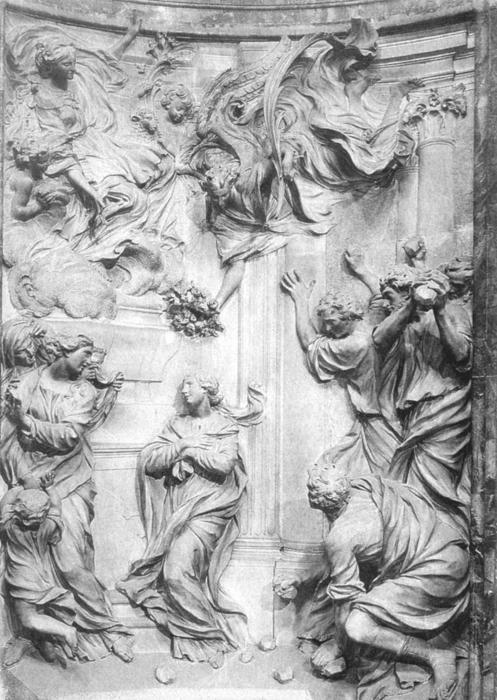
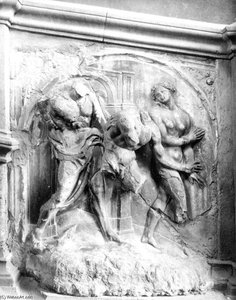
Stoning of St Emerenziana


 詳細を見る
詳細を見る
オンラインプレビューをはるかに凌ぐ、高解像度で鮮明なデジタル画像をご購入いただけます。
各ファイルは、社内の専門家が高度なツールと熟練した手作業によるレタッチを用いて、細心の注意を払って準備されています。すべての画像において、卓越した鮮明度、正確な色彩再現性、そして繊細なディテールを保証いたします。
最終ファイルは、プロフェッショナルな編集・印刷環境ですぐにご利用いただけるよう最適化された状態で、72時間以内にメールにてお届けいたします。これは、一流のデザインスタジオ、出版社、ギャラリーから信頼されているものと同等の品質です。
デジタル画像のご注文に付随する特典
高品質なデジタル画像配信を、確かな品質で。
ArtsDot.com を選ぶことは、単に画像を手に入れることではありません。それは、プロの手によって精密に仕上げられ、満足保証が付いた高品質なデジタルアートワークを受け取ることを意味します。ご注文いただいた際に自動的に付随する内容は、以下の通りです:

メールですぐにお届け
ご注文から72時間以内に、高解像度のデジタル画像ファイルがメールでお手元に届きます。すぐにそのままご利用いただけます。

AI技術で最適化されたデジタルファイル
お客様の作品は、高度なAIツールと専門家による手作業の編集を組み合わせてプロフェッショナルに最適化されており、細部のディテール、鮮明さ、そして正確な色再現性を最大限に引き出しています。

一生涯無料の再送サービス
ファイルを誤って削除したり、紛失してしまったりしましたか?ご安心ください。いつでも無料で再送いたします。

輸入手数料は一切かかりません
関税や手数料、配送料を気にすることなく、お気に入りのアートワークをすぐにお楽しみいただけます。デジタルダウンロードは常に免税です。

色彩再現の保証
プロ仕様のツールとカラーマネジメント技術を用いることで、デジタル画像が元の色を最大限に忠実に再現することを保証いたします。

100日間満足保証
ご購入いただいたデジタル画像にご満足いただけない場合は、100日以内であれば、理由を問わず修正または100%の返金対応をさせていただきます。

100% 返金保証
ご満足いただけない場合は、デジタルファイルを受け取ってから100日以内であれば、理由を問わず全額返金いたします。

まとめ買い割引
3枚購入で10%OFF - 5枚購入で15%OFF - 10枚以上購入で20%OFF。クリエイティブなプロジェクト、ギャラリー、エージェンシーに最適です。
関連作品





作家の略歴
Ercole Ferrata: Bridging Classicism and Bernini’s Dynamism
Ercole Ferrata (1610-1686) stands as a pivotal figure in the Roman Baroque, an artist who skillfully navigated the complex currents of artistic influence, ultimately forging his own distinctive voice within the grand tradition. Born in Pellio Inferiore, near Como, he began his apprenticeship with Alessandro Algardi, one of the era’s leading sculptors known for his serene and classically-inspired works. This early training instilled a respect for proportion and form, yet Ferrata's artistic journey quickly led him beyond Algardi’s measured elegance towards the passionate dynamism championed by Gian Lorenzo Bernini.
Ferrata’s initial career was largely defined by his association with Algardi. He served as a prime assistant, notably completing the unfinished vision of Saint Nicholas at San Nicola da Tolentino – an ambitious project that showcased Ferrata's ability to integrate disparate elements into a cohesive whole, demonstrating a nascent understanding of dramatic composition. However, recognizing the limitations of simply replicating his mentor’s style, Ferrata consciously sought to expand his artistic horizons. He deliberately distanced himself from the perceived placidity of Algardi and the more restrained approach of François Duquesnoy, embracing instead the expressive emotionalism that characterized Bernini's work. This shift marked a crucial turning point in his career, establishing him as an artist capable of injecting life and feeling into stone.
Key Works and Artistic Development
Ferrata’s most celebrated works exemplify this transition. The ‘Death of St. Agnes,’ housed at Sant'Agnese in Agone, is a particularly compelling illustration of his evolving style. Inspired by Bernini’s own depictions of martyrdom, Ferrata masterfully captures the moment of agonizing death with a raw intensity rarely seen in earlier Baroque sculpture. The scene is not merely a depiction of suffering; it’s an exploration of grief, vulnerability, and spiritual torment – qualities that distinguish it from Algardi's more idealized representations. Similarly, his ‘Stoning of St. Emerenziana,’ while retaining some influence from Algardi’s restraint, reveals a greater willingness to convey the brutality and horror of the event through dramatic gestures and contorted figures.
Beyond these iconic pieces, Ferrata’s oeuvre encompasses a diverse range of subjects, including religious scenes, allegorical figures, and portraiture. He contributed significantly to the decoration of churches throughout Rome, imbuing sacred spaces with his distinctive brand of Baroque emotion. Notably, he sculpted the Angel with a Cross for the Ponte Sant'Angelo, a monumental work that reflects his growing confidence and technical skill. His involvement in projects like the elephant statue holding the obelisk for Santa Maria sopra Minerva demonstrates his versatility and willingness to tackle ambitious commissions.
Influence and Legacy
Ferrata’s impact extended beyond his individual creations; he played a crucial role in shaping the artistic landscape of 17th-century Rome. He established a prolific workshop, training a succession of talented sculptors who went on to contribute significantly to the city's artistic community. Figures like Giovanni Battista Foggini and Leonardo Retti benefited from his guidance, inheriting not only technical skills but also Ferrata’s commitment to expressive realism. His leadership of the informal academy at Villa Madama, alongside Ciro Ferri, further solidified his position as a key figure in fostering artistic talent.
Ferrata's legacy is one of bridging the gap between classical restraint and Baroque dynamism. While he initially learned from Algardi, he ultimately forged a path uniquely his own, influenced by Bernini’s dramatic flair yet retaining a sense of formal control. His sculptures continue to resonate with viewers today, offering a powerful glimpse into the emotional intensity and artistic innovation that defined the Roman Baroque.
Notable Commissions and Collaborations
Ferrata's career spanned numerous significant commissions throughout Italy and beyond. Early in his career, he collaborated with Cosimo Fanzago and Giuliano Finelli in Naples, undertaking projects for various ecclesiastical patrons. He also created the statue of Saint Catherine of Siena for the Chigi Chapel within the Duomo di Siena, a testament to his ability to capture the likeness and spirit of revered figures.
His involvement with Francesco Aprile on the sculpture of Sant’Anastasia in Santa Anastasia showcases a shared aesthetic sensibility, mirroring Bernini's dramatic depictions of dying saints. Perhaps most famously, he worked alongside Bernini on the fountain for the Count of Ericeira’s palace gardens in Lisbon – a project tragically lost during the devastating 1755 earthquake, along with the palace’s extensive library and art collection.
Furthermore, Ferrata's contribution to the restoration of antique sculptures under the patronage of Grand Duke Cosimo III of Tuscany highlights his expertise in classical antiquity and his role as a conservator and interpreter of ancient forms. His work reflects a deep appreciation for both tradition and innovation, solidifying his place as a significant figure in the evolution of Baroque sculpture.
Collections and Recognition
Ferrata’s sculptures are now housed in prestigious collections worldwide, offering opportunities for public engagement with his artistic achievements. These include the Museo d'Arte Sacra di Scaria, the Birmingham Museums Gallery, the Wignacourt Museum, the Victoria and Albert Museum, the University of Michigan Museum of Art, the Walters Art Museum, and the Princeton University Art Museum. His work continues to be studied and admired for its technical skill, emotional depth, and enduring contribution to the history of art.
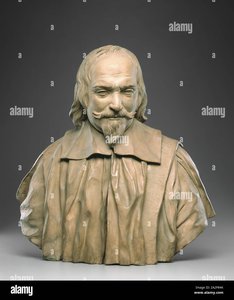
Ercole Ferrata
1610 - 1686 , Italy
プロフィール概要
- Artistic Movement Or Style: Roman Baroque
- Artists Or Movements Influenced By This Artist: ['Francois Duquesnoy']
- Artists Who Influenced This Artist:
- Alessandro Algardi
- Gian Lorenzo Bernini
- Date Of Birth: 1610, Como, Italy
- Date Of Death: 1686
- Full Name: Ercole Ferrata
- Nationality: Italian
- Notable Artworks:
- The Death of St Agnes
- Stoning of St Emerenziana
- Place Of Birth: Como, Italy