

 プレビュー
プレビュー
 プリントを購入
 シェアする
シェアする シェアする
シェアする
 詳細を見る
詳細を見る

 ダウンロード
 似ている作品
 X線調査
X線調査 スライドショー
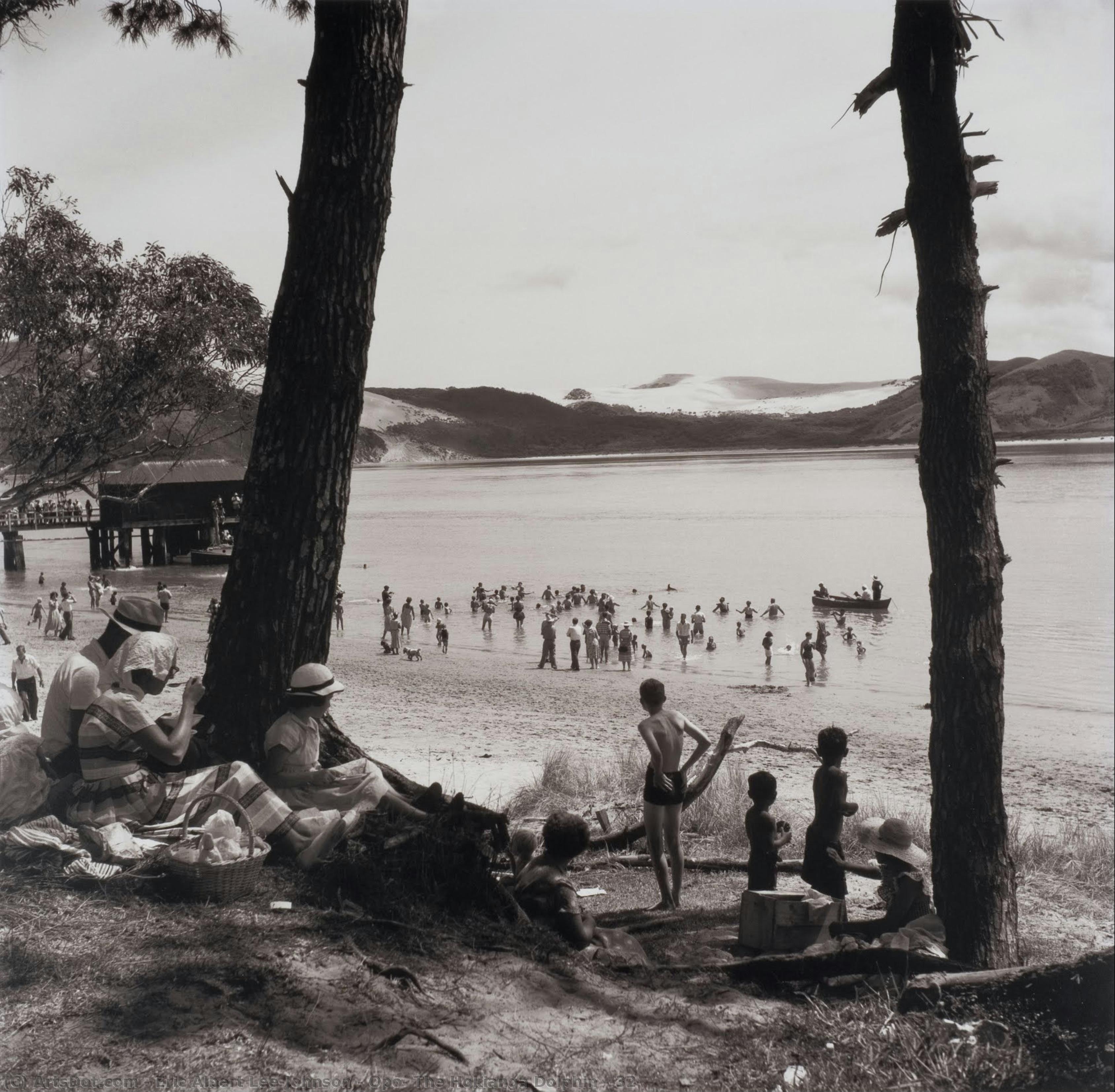
Opo: The Hokianga Dolphin (#32)


 詳細を見る
詳細を見る
オンラインプレビューをはるかに凌ぐ、高解像度で鮮明なデジタル画像をご購入いただけます。
各ファイルは、社内の専門家が高度なツールと熟練した手作業によるレタッチを用いて、細心の注意を払って準備されています。すべての画像において、卓越した鮮明度、正確な色彩再現性、そして繊細なディテールを保証いたします。
最終ファイルは、プロフェッショナルな編集・印刷環境ですぐにご利用いただけるよう最適化された状態で、72時間以内にメールにてお届けいたします。これは、一流のデザインスタジオ、出版社、ギャラリーから信頼されているものと同等の品質です。
デジタル画像のご注文に付随する特典
高品質なデジタル画像配信を、確かな品質で。
ArtsDot.com を選ぶことは、単に画像を手に入れることではありません。それは、プロの手によって精密に仕上げられ、満足保証が付いた高品質なデジタルアートワークを受け取ることを意味します。ご注文いただいた際に自動的に付随する内容は、以下の通りです:

メールですぐにお届け
ご注文から72時間以内に、高解像度のデジタル画像ファイルがメールでお手元に届きます。すぐにそのままご利用いただけます。

AI技術で最適化されたデジタルファイル
お客様の作品は、高度なAIツールと専門家による手作業の編集を組み合わせてプロフェッショナルに最適化されており、細部のディテール、鮮明さ、そして正確な色再現性を最大限に引き出しています。

一生涯無料の再送サービス
ファイルを誤って削除したり、紛失してしまったりしましたか?ご安心ください。いつでも無料で再送いたします。

輸入手数料は一切かかりません
関税や手数料、配送料を気にすることなく、お気に入りのアートワークをすぐにお楽しみいただけます。デジタルダウンロードは常に免税です。

色彩再現の保証
プロ仕様のツールとカラーマネジメント技術を用いることで、デジタル画像が元の色を最大限に忠実に再現することを保証いたします。

100日間満足保証
ご購入いただいたデジタル画像にご満足いただけない場合は、100日以内であれば、理由を問わず修正または100%の返金対応をさせていただきます。

100% 返金保証
ご満足いただけない場合は、デジタルファイルを受け取ってから100日以内であれば、理由を問わず全額返金いたします。

まとめ買い割引
3枚購入で10%OFF - 5枚購入で15%OFF - 10枚以上購入で20%OFF。クリエイティブなプロジェクト、ギャラリー、エージェンシーに最適です。
関連作品






作家の略歴
Eric Albert Lee-Johnson: A Pioneer of Surreal Landscape and Pacific Vision
Born in the vibrant, multicultural hub of Suva, Fiji, in 1908, Eric Albert Lee-Johnson’s artistic journey was inextricably linked to his unique heritage. His early life, marked by a blend of Fijian, Australian, and potentially Tongan ancestry – tales whispered through generations – instilled within him a profound connection to the land and its people. Moving to New Zealand with his family in 1912, Lee-Johnson’s artistic talent quickly blossomed, nurtured initially by sympathetic teachers at Auckland's Elam School of Art from 1923 to 1926. This formative period laid the groundwork for a distinctive style that would challenge European conventions and forge a uniquely New Zealand identity in his work.
Lee-Johnson’s early career saw him join Wilson & Horton, a prominent newspaper publishing house, where he honed his skills as a lithographer and illustrator. It was here, amidst the bustle of printmaking, that he began to consciously reject the prevailing European artistic models, seeking instead inspiration from the landscapes and people of his homeland. This pivotal decision marked him as one of New Zealand’s first truly nationalist painters – an artist dedicated to representing his country's distinct visual language. His work during this period is characterized by a subtle surrealism, a dreamlike quality that hints at deeper narratives woven into the fabric of the familiar.
The Influences Shaping a Unique Vision
Lee-Johnson’s artistic development was shaped by a complex interplay of influences. The rugged beauty of New Zealand's North Island, particularly the Hokianga Peninsula where he spent significant time later in life, provided a constant source of inspiration. His childhood experiences – witnessing both floods and bushfires – imbued his paintings with a sense of elemental power and vulnerability. Beyond the immediate landscape, Lee-Johnson’s artistic sensibilities were also influenced by European modernism, particularly the typography and graphic design trends emerging from London during his time there in the 1930s. He studied at Camberwell School of Arts and Crafts, absorbing the principles of modernist design while simultaneously striving to translate them into a distinctly New Zealand context.
Furthermore, Lee-Johnson’s travels abroad – particularly his sojourn in London – exposed him to diverse artistic movements and perspectives. His time with fellow expatriates like Jocelyn Mays and Geoffrey de Montalk fostered intellectual exchange and broadened his understanding of contemporary art. The influence of German design principles is evident in the clean lines and bold compositions that characterize some of his later works, demonstrating a remarkable ability to synthesize disparate influences into a cohesive and original style.
Landscapes of Memory and Identity
Lee-Johnson’s most celebrated work revolves around his evocative depictions of New Zealand landscapes. These are not merely representations of physical space; they are imbued with layers of memory, cultural significance, and personal experience. His paintings frequently feature the rugged coastline of the Hokianga Peninsula, a region he deeply loved and considered a spiritual home. The iconic “Opo: The Hokianga Dolphin” (1956), now housed in ArtsDot’s collection, exemplifies this approach – capturing not just the physical form of the dolphin but also its symbolic resonance within Māori culture and the broader landscape.
Beyond specific locations, Lee-Johnson's landscapes often incorporate elements that hint at a deeper narrative. Found objects—shells, stones, driftwood—are strategically placed within his compositions, adding layers of meaning and inviting viewers to contemplate the relationship between humanity and nature. His use of color is equally deliberate, employing muted tones and subtle shifts in hue to create a sense of atmosphere and mood. His work reflects a deep respect for the land and its people, capturing both its beauty and its inherent power.
A Legacy of Modernism and Photographic Innovation
While primarily recognized as a painter, Lee-Johnson’s contribution extends beyond canvas to encompass photography. During his time in London, he developed a keen eye for capturing the urban landscape, producing striking images of Trafalgar Square and Charing Cross underground station that reveal a remarkable sensitivity to light and composition. These photographs, rediscovered decades later, demonstrate a level of artistic sophistication often overlooked in his lifetime.
Lee-Johnson’s legacy is one of pioneering spirit and artistic innovation. He was among the first New Zealand artists to actively challenge European artistic conventions and forge a distinctly national identity in his work. His surreal landscapes, imbued with layers of memory and cultural significance, continue to resonate with viewers today. His influence can be seen in subsequent generations of New Zealand artists who followed in his footsteps, embracing a more independent and expressive approach to artmaking. Eric Albert Lee-Johnson died in 1993, leaving behind a rich and enduring artistic legacy that continues to inspire and captivate.
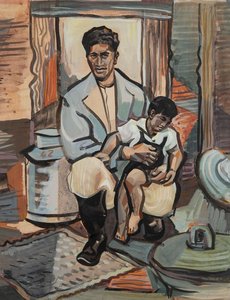
eric albert lee-johnson
1908 - 1993 , Fiji
プロフィール概要
- Artistic Movement Or Style: Surreal landscapes, Modernist photography
- Artists Or Movements Influenced By This Artist: [None]
- Artists Who Influenced This Artist: [None]
- Date Of Birth: November 8, 1908
- Date Of Death: May 24, 1993
- Full Name: Eric Albert Lee-Johnson
- Nationality: New Zealander
- Notable Artworks: ['Opo: The Hokianga Dolphin']
- Place Of Birth: Suva, Fiji