

 プレビュー
プレビュー
 プリントを購入
 シェアする
シェアする シェアする
シェアする
 詳細を見る
詳細を見る

 ダウンロード
 似ている作品
 X線調査
X線調査 スライドショー
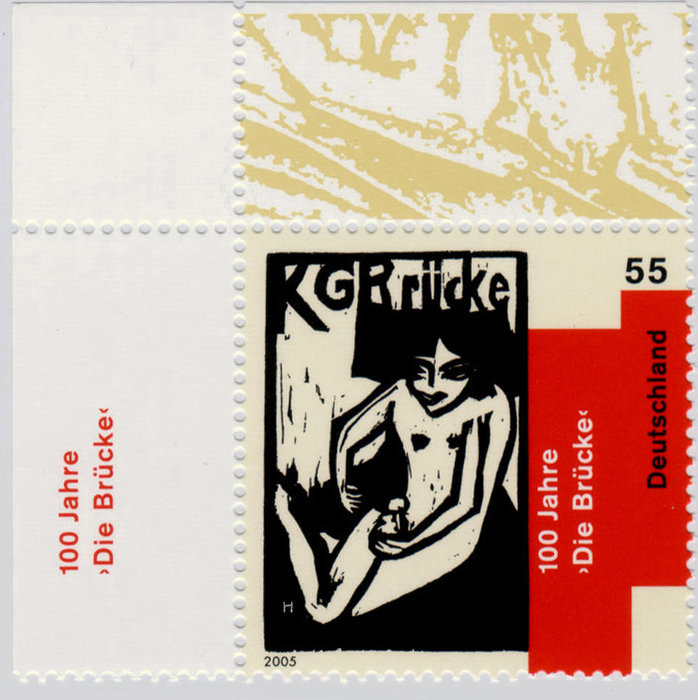
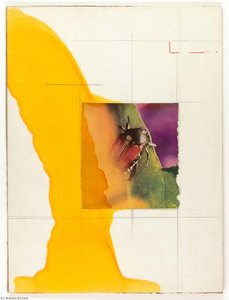
Briefmarke KG Bruecke
 詳細を見る
詳細を見る




































作品のオリジナル比率に合わせた、当店の規定サイズからお選びください。

特定のフレームやスペースに合わせて、ご希望のサイズをご入力いただけます。選択されたサイズが元の画像の比率と異なる場合、アートワークをトリミングするか、手描きで要素を追加して絵画を拡張いたします。デジタルモックアップ を制作し、制作開始前にご確認(承認)をいただきます。
画面上のプレビューは、実際のトリミングや拡張を正確に反映しているものではありません。最終的な構図は、モックアップによってのみ正確にご確認いただけます。
カスタムサイズもご利用いただけますが、元の比率を維持するためには、あらかじめ用意されたリストからサイズを選択することをお勧めいたします。
ご注文後、ArtsDot.com チームより詳細な指示をお送りするとともに、仕上がりイメージ(モックアップ)をご提供いたします。


 ガラスオプションは、110cm未満のサイズでのみご利用いただけます。

Briefmarke KG Bruecke
複製技法
複製画のサイズ
-


合計金額
$ 263
関連作品






アーティストの略歴
Early Life and Formation of Die Brücke
- Born: Döbeln, Germany (1883)
- Erich Heckel was the son of a railway engineer, leading to frequent family moves during his childhood.
- He studied architecture in Dresden but left after three terms.
- A pivotal moment was meeting Ernst Ludwig Kirchner, Karl Schmidt-Rottluff, and Fritz Bleyl, which led to the formation of Die Brücke ("The Bridge") in 1905.
- Heckel served as the group's secretary and treasurer, handling much of the administrative work.
- Early influences included Friedrich Nietzsche and Henrik Ibsen, reflecting a burgeoning intellectual curiosity.
Artistic Development and Style
- Die Brücke’s Aims: The group aimed to bridge traditional neo-romantic German painting with modern Expressionist approaches.
- Influences: Heckel and the other members of Die Brücke were heavily influenced by Edvard Munch's expressive style and African sculpture, which they saw as embodying a raw, primitive power.
- Printmaking Focus: The group made extensive use of printmaking (woodcuts, etchings, lithographs) to create affordable art and disseminate their ideas widely. Heckel was particularly prolific in this medium.
- Subject Matter: His work often depicted nudes, landscapes, and scenes from modern life, characterized by bold colors, distorted forms, and a sense of emotional intensity.
- Evolution of Style: Initially influenced by Post-Impressionists like Van Gogh and Gauguin, Heckel's style evolved towards more melancholic themes and subdued color palettes after moving to Berlin in 1911.
World War I and Later Years
- War Service: During World War I, Heckel volunteered as a medical orderly in a hospital train stationed in Belgium. This experience profoundly impacted his perspective.
- Dissolution of Die Brücke: The group officially dissolved in 1913 due to internal disagreements.
- Heckelraum Mural: Between 1922 and 1924, Heckel painted the "Heckelraum" at the Angermuseum in Dresden, a series of mural paintings depicting “Stages in Life,” considered among the most important surviving works of German Expressionism.
- Nazi Persecution: In 1937, the Nazi regime declared his work "degenerate," confiscating over 700 artworks from German museums and banning public exhibitions.
Legacy and Historical Significance
- Expressionist Pioneer: Erich Heckel is recognized as a key figure in the Expressionist movement, particularly for his contributions to Die Brücke.
- Printmaking Master: His prolific printmaking output significantly impacted the development of modern graphic art.
- Influence on Subsequent Artists: His bold style and emotional intensity influenced generations of artists who followed.
- Rediscovery and Recognition: After World War II, Heckel's work was rediscovered and gained widespread recognition for its artistic merit and historical importance.
- Death: He died in Radolfzell in 1970, leaving behind a substantial body of work that continues to be studied and admired today.
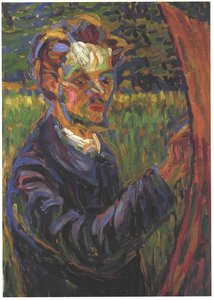
Erich Heckel
1883 - 1970 , Germany
基本情報
- Artistic Movement Or Style: German Expressionism
- Artists Who Influenced This Artist: ['Edvard Munch']
- Date Of Birth: July 31, 1883
- Date Of Death: January 27, 1970
- Full Name: Erich Heckel
- Nationality: German
- Notable Artworks: ['Lebenstufen mural paintings']
- Place Of Birth: Döbeln, Germany

